

5 Downsides To Shopping At Whole Foods
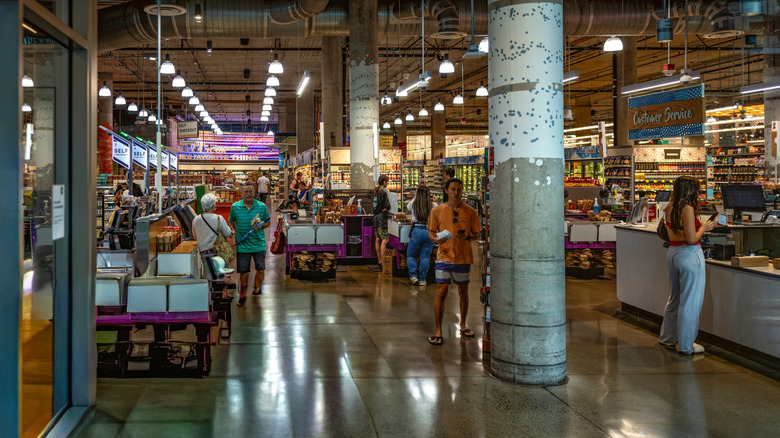
Whole Foods is a natural foods market that began in Austin, Texas in 1978, and is a grocery chain that's known for its brightly lit stores, relaxed shopping experience, and premium-quality foodstuffs. It's also famed for the Whole Foods hot bar, which is a reliable place to fill up a box of fresh food items to take home or eat there.
One thing the chain is not famous for, however, is consistently happy shoppers. While Whole Foods certainly has its fans, it's safe to say that its reputation is not the most sterling in the grocery store space. In point of fact, it goes beyond that: Many people online go so far as to boldly declare they positively hate the place. That's quite a strong reaction, so what is it about this brand that makes some people so mad? Below, we've compiled a list of some of the major downsides to shopping at Whole Foods.
High prices
You may have heard a friend or family member hilariously refer to Whole Foods by the nickname Whole Paycheck, a comment on the grocery store chain's relatively high prices. While there are some cheap Whole Foods products out there, the brand is infamous for charging a premium. Before being purchased by Amazon in 2017, the cost of groceries from this chain was more than 20% higher than its competitors. And while Whole Foods has cut prices multiple times since the corporate giant took over, it still struggles with inflated price tags. In 2019, it had the highest average cost amongst American grocery retailers, and in 2026 it is still one of the priciest grocery store options available.
Keep in mind that if you're an Amazon Prime member you're entitled to 10% off all purchases storewide as well as other discounts, which can bring costs down significantly. But otherwise, if you're looking to save a few bucks, Whole Foods still might not be your best bet.
It's owned by Amazon
Amazon purchased Whole Foods in 2017 for the eye-catching sum of $13.7 billion. The multinational conglomerate and its founder Jeff Bezos have faced criticism for myriad reasons over the years. Let's run down a few of them, shall we?
Amazon has a history of alleged worker abuses, including workers claiming they were forced to urinate in bottles or trash cans because they weren't allowed to take a bathroom break. They were also criticized for covering up those abuses. In 2023, the company was sued by the FTC who argued that it had illegally formed a monopoly. There's also the company's alleged anti-union practices, its failure to promote black employees, its tendency to play hardball with book publishers, its resistance to removing fraudulent book listings on its site, user privacy concerns with the Amazon Echo, and many others besides. With so much controversy surrounding Amazon, some people might not feel super psyched about supporting this company, and if that's the case for you you'll want to steer clear of Whole Foods.
Lack of selection
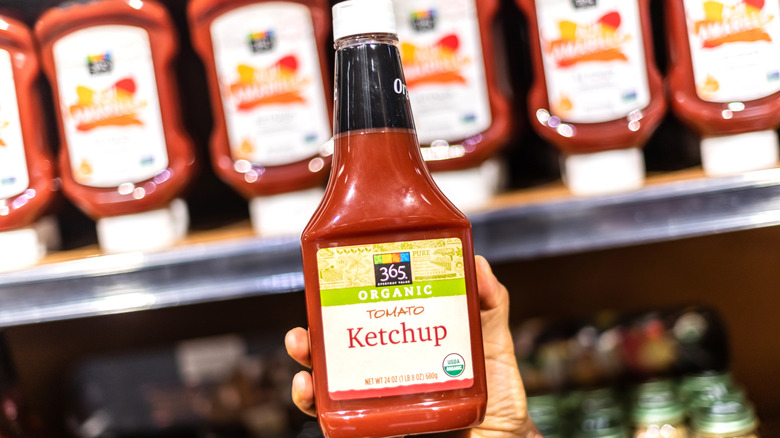
Whole Foods has a wide array of products just like any grocery store, but many shoppers have noticed a decline in the variety of options available over the years. One Redditor remarked, "It seems to me that the breadth of healthy food is decreasing ... My store keeps getting rid of items."
Another shopper on the same thread had a similar problem with Whole Foods' 365 brand, saying, "I used to have the option to get all kinds of small local brands and unique products there. Now, it feels like all I can get are 365 products. Everything else is out of stock or no longer carried." This sentiment is widespread across Reddit, with users noting that it "always seems like they are out of everything" and that "they have less options/selection than they used to and seem to be out of stock of things a lot more often."
Misleading claims about its food
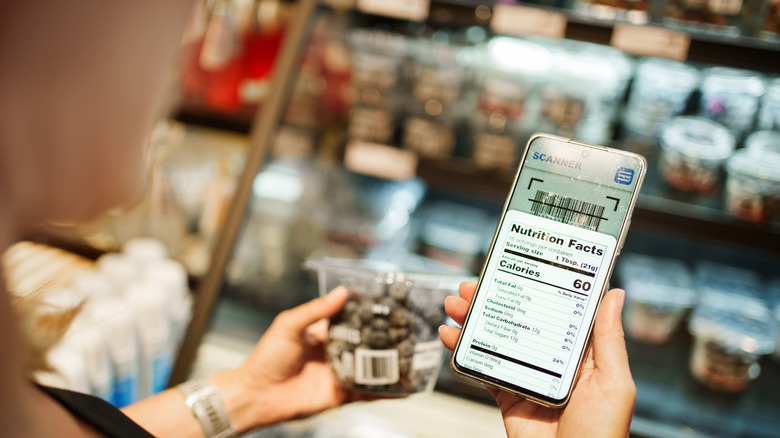
One of the behind-the-scenes secrets about Whole Foods is that the chain has been involved in several lawsuits over the years surrounding questionable claims it's made about its food products. One suit involved its hot cocoa packaging and how much cocoa was actually inside. According to a website launched by the settlement administrator, "Whole Foods Market mislabeled the Product by selling the cocoa mix in large and opaque cannisters that contained non-functional empty space and that California consumers, in reliance on the size of the cannister, believed they were purchasing more cocoa powder than they got for the price they paid." Whole Foods didn't admit any wrongdoing in this case, but they did end up paying out $650,000 in 2025.
Another lawsuit centered on the chain's claim that its beef was raised with no antibiotics. An analysis by the plaintiff Farm Forward which was done in 2021 and again in 2022 found a growth antibiotic and an antiparasitic in samples of Whole Foods beef products. And yet another suit found issue with Whole Foods' claim that its baking soda was non-GMO, saying the labeling was misleading because baking soda isn't an organism.
The stores are spread out
If there is a Whole Foods location near your house or on your way to work, the sheer convenience might outweigh the other frustrating factors about shopping there, but statistically speaking that's probably not the case. Most people have a different brand of grocery store a shorter distance away from them. While parent company Amazon is a major grocery supplier, Whole Foods itself is a relatively small chain. It only has around 500 stores worldwide, with the lion's share of them being located in California. Meanwhile, if you live in Maine, Idaho, or four other U.S. states, you'll have to make due with only a single Whole Foods location.
As a point of comparison, Trader Joe's has more than 600 stores in the United States and Aldi has over 2,000, making it much more likely that you're in striking distance to one of its locations. Is it worth taking the extra time to travel further to a Whole Foods? That's for you to decide.