

The Jaw-Dropping Cost Of A Loaf Of Bread In The '70s Compared To Today
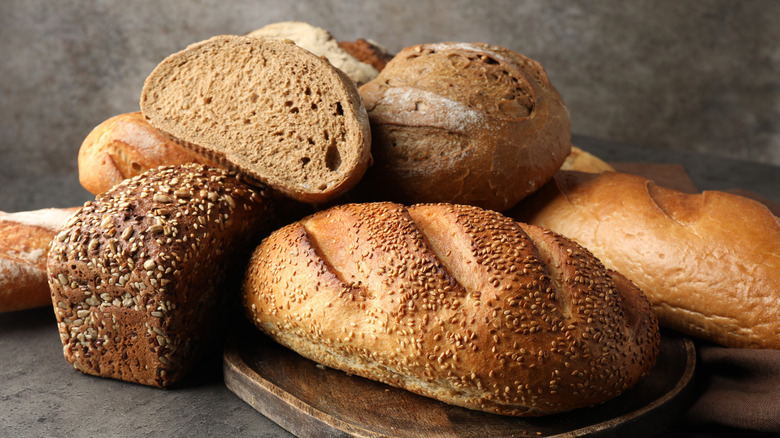
It's hard to escape the sense these days that groceries are getting more and more expensive. Between supply chain issues, wars, inflation, and more, the cost of basic goods has been rising for years. Consumers of a certain age may remember that this was also the case during the 1970s, even if yesterday's eye-popping prices might seem like a bargain today.
According to Business Insider, in 1975 white bread cost an average of 36 cents per pound. Loaf sizes varied (and still do), but for context, at that price, a 20-ounce loaf of Wonder bread would cost 45 cents. For as shockingly high as that was in the '70s, it seems unbelievably cheap today: Walmart sells the same Wonder bread for around $2.47. But a 1:1 comparison such as this is inaccurate.
Inflation doesn't just mean higher prices, it means lower dollar value, and it has a constant long-term effect. When that $0.36 price is adjusted for inflation, it actually translates to $2.26 per pound in today's dollars, meaning that today's Wonder bread at 1975 prices would actually be $2.83 per loaf. Yet the average bread price in 2026 is only $1.85 per pound, substantially lower than what people paid back then.
Inflation can change consumers' dietary habits
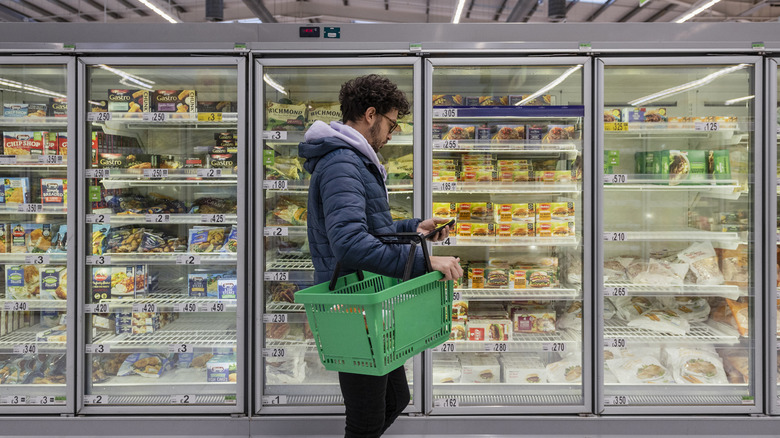
Inflation was a major factor of life in the 1970s, and the constant price pressure helped change consumer habits. Hamburger Helper was extremely popular in the '70s in part because the boxed meal kit allowed consumers to stretch increasingly expensive ground beef into more meals. Today, beef prices are still inflated thanks to a mix of factors, including inflation, that make keeping cattle more expensive. In response, many shoppers claim they are buying less beef than before and replacing it to some extent with different, less expensive proteins. Some are even giving plant-based meat alternatives a second look.
Americans and beef aren't the only iconic pairing that's been pulled further apart by inflation. Years ago, inflation once drove Italian shoppers to start a pasta boycott. In 2023, an Italian consumer group called for a week-long boycott of pasta to protest its cost rising at more than double the inflation rate. But the mere threat of Italians boycotting pasta convinced the government to act and bring prices down, and the strike was called off before it began.