

What The Buzzing Sound From Your Induction Stovetop Means
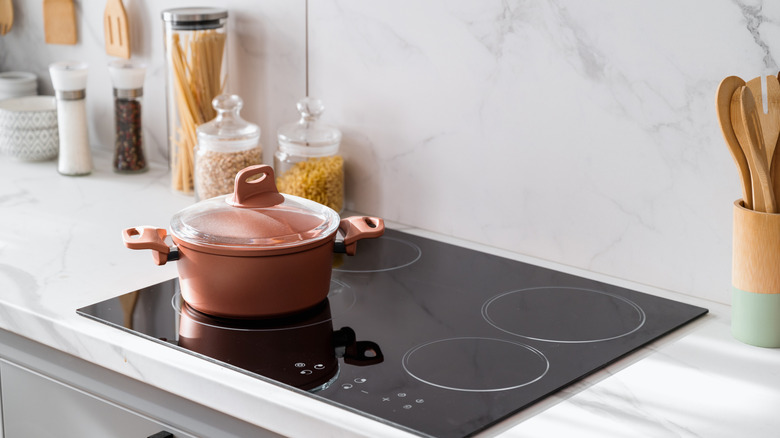
If you've recently installed an induction cooktop, you may have been startled by a buzzing noise coming from your new appliance. But does this noise indicate a problem, or is this simply a quirk of this type of stove that, while distracting, is nothing to worry about? Generally, this sound is normal; even the best electric induction ranges hum or buzz while in use. Induction stovetops primarily buzz due to magnetostriction. This is when the stove's magnetic field causes shape changes in the metal pan's material, resulting in vibration and a slight buzzing sound.
Although an induction stove's buzzing is natural and doesn't affect cooking power, the pans you use may affect how much buzzing you hear. A common mistake people make when cooking on an induction cooktop is using non-induction-compatible pans, and these types of pans may make the buzzing sound more likely. To confirm your pans are induction stove-compatible, first, check the label and product information. If that is not clear, you can stick a magnet to the pan. If it sticks, the pan should be good to use with your induction stove. Even when using induction stove-compatible pans, lighter pans often cause the stove to produce more noise than heavier pans like cast iron.
How to minimize induction stove buzzing noises and when to be concerned
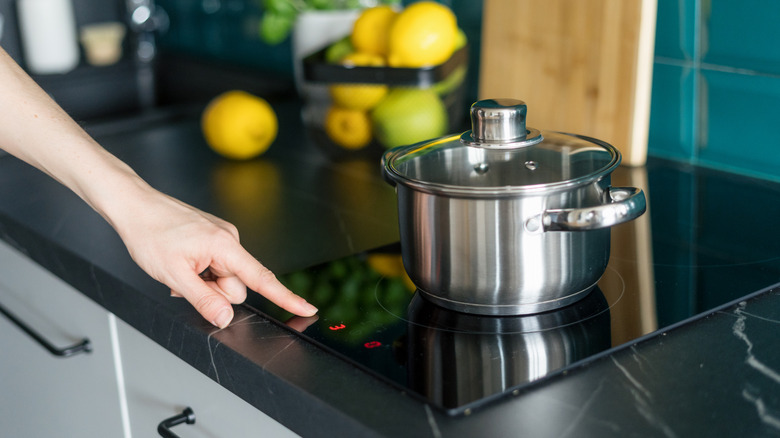
While you cannot eliminate induction stove buzzing sounds, there are a few things you can do to minimize the noise. One easy fix is using heavy cookware with a flat base. This combination minimizes the buzzing because direct contact with the stove and a heavy mass lowers the amount of rattling that can occur. Once you add more weight to pans with ingredients, the sound should also lessen further as mass increases. Additionally, the highest temperatures on an induction stove can generate increased buzzing, so avoid using these high heats where possible.
How loud a buzzing sound is and how long it persists varies. It will usually be noticeable, especially if you have recently switched from a gas stove, but not concerningly so (think a low-pitched buzz, almost like a nearby bee sound). Many find that the noise lessens as they cook, but it may continue all throughout cooking. Once you switch the stove off, the buzz should stop.
A high-pitched noise from an induction cooktop, such as a loud whine, is not normal. If your stove does not heat up at all or very much, that is another sign that it is not working correctly (or potentially that you are using the wrong type of cookware). When your induction stove is broken, you may also see error codes or a strange smell, such as a burning smell. If any of these signs occur, stop using the stove and contact an appliance repair company while also checking the manufacturer's warranty.