

5 Disadvantages Of An Electric Stove
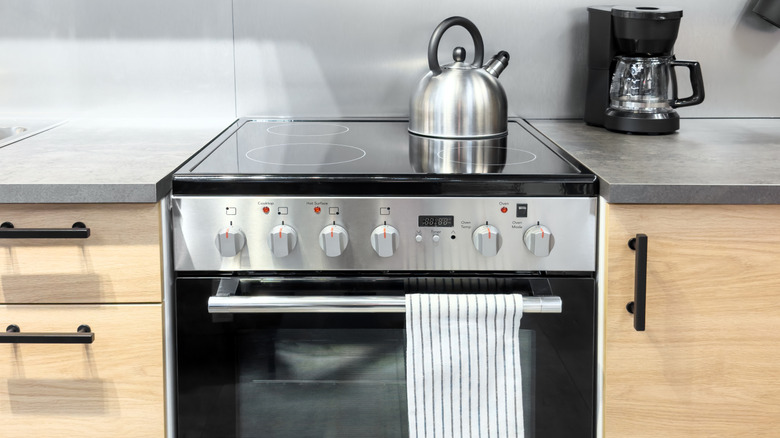
Electric stoves are common for a reason: They don't require a gas line, they can cook pasta perfectly as well as sear a steak, and a flat glass cooktop can look sleek in a kitchen. Once you start cooking, though, the drawbacks can become hard to ignore. Between waiting for burners to heat up or cool down, cautiously avoiding a cooktop that stays hot long after dinner is done, and scraping off whatever boiled over without scratching the glass, electric stoves come with frustrations that add extra steps to everyday cooking.
Conventional electric stoves, including coil and radiant smooth-top models, can still accomplish just about any everyday cooking task, and a smooth cooktop can be easier to wipe down than a stove with grates. But, if you're replacing your stove — or just wondering why your current range sometimes tests your patience — here are five disadvantages to know about cooking on an electric stove.
Electric stoves are slow to respond to temperature changes
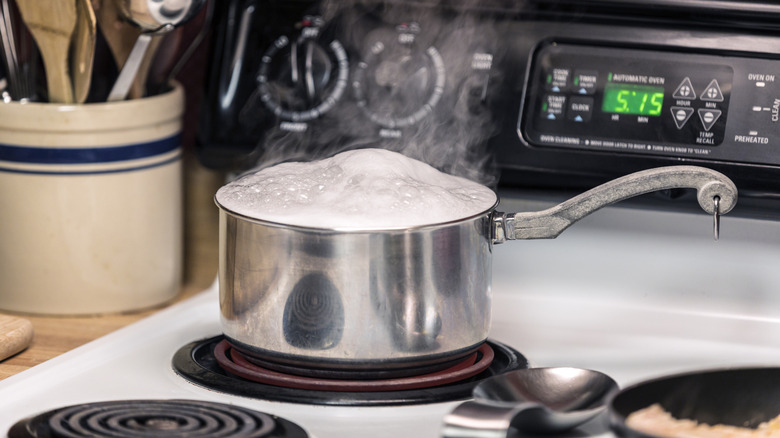
Your pasta water is about to boil over, so you turn the burner down, but the burner is still hot, the water keeps boiling, and now you're pulling the pot off the stove just before the starchy pasta water makes a mess. Cooking on an electric stove sometimes requires thinking a few steps ahead, since the heating element needs time to get hotter or cool down. Adjusting the heat can feel like a delayed response, and this lag may require moving cookware off the burner to keep food from overcooking.
You notice the difference most when something needs your attention quickly. A sauce that's supposed to move from a boil to a gentle simmer can keep bubbling aggressively, and food that's browning too fast may need to be taken off the burner while the element cools to avoid burning dinner. Gas ranges respond as soon as the intensity of the flame changes, while induction ranges can make similarly fast adjustments without an open flame. Electric stoves can maintain a simmer or get hot enough to add a crust on a steak, but getting the temperature where you need it requires more anticipation and adjustments during cooking.
The burners stay hot after you turn them off
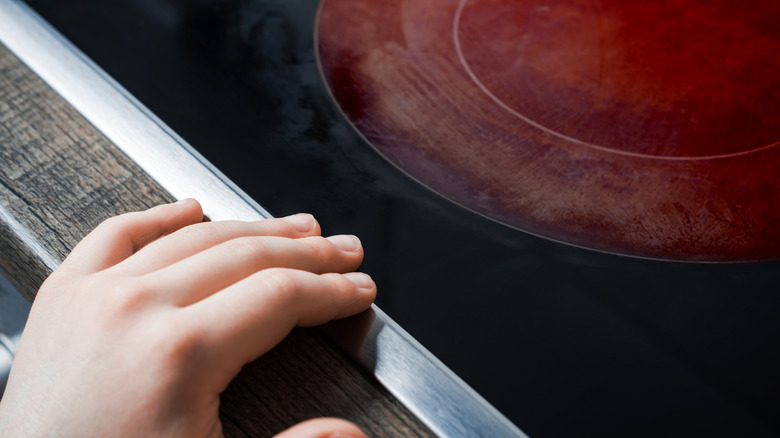
Since the heating element is slow to cool down, the heat generated during cooking doesn't disappear as soon as an electric burner is switched off. Both exposed coils and radiant smooth-top burners can remain hot after they're turned off, and many smooth-top ranges even have an indicator light to warn you that the surface is still hot. While that light is on, a burner whose knob is "off" can still cause burns or damage anything else that lands on it.
That lingering heat can pose a danger to children who reach toward the stove, pets who walk across the cooktop, or an adult who rests a hand or sets down a plastic container or dish towel. Dark glass can make it difficult to tell that the surface is still hot, so you need to keep an eye on the indicator light — and any animals who like to wander on countertops. Residual heat can also keep cooking food that's left sitting on the burner, which can take scrambled eggs or chicken from perfectly cooked to well-done. Moving the pan to a cool burner can help stop the cooking — and save both dinner and fingertips.
A power outage means the stove can't be used
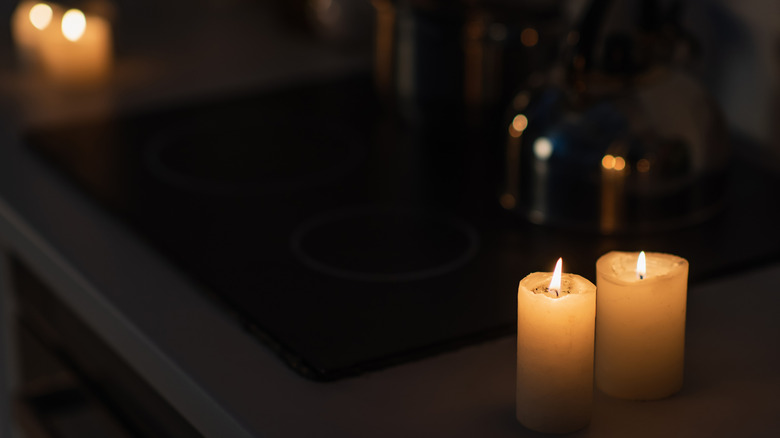
If the electricity goes out, so does an electric stove. This can be an inconvenience when an outage lasts an hour or two, but it becomes much more than an annoyance during a hurricane, winter storm, or other emergency that knocks out power for an extended period of time. Reheating food or cooking a hot meal isn't possible until the power comes back on, and if dinner was halfway done, you might be left with a half-cooked meal and no way to finish it. A longer outage can make it harder to use refrigerated or frozen food while it's safe to eat, too. Even simple tasks, such as making oatmeal, heating soup, or boiling water for tea, aren't possible unless you have a safe alternative, such as an outdoor camp stove.
There are also situations where access to a working stove is necessary beyond cooking dinner. During a boil-water advisory — when water needs to be boiled for at least one minute before using it for drinking, cooking, or activities, such as brushing your teeth — a non-working electric stove takes away one of the easiest ways to make tap water safe to use or drink. Some gas burners can be manually lit during an outage, but conventional electric burners require power to work. Without bottled water or another way to heat it, you're stuck waiting for the power to come back on.
Spills can burn onto a smooth-top electric stove
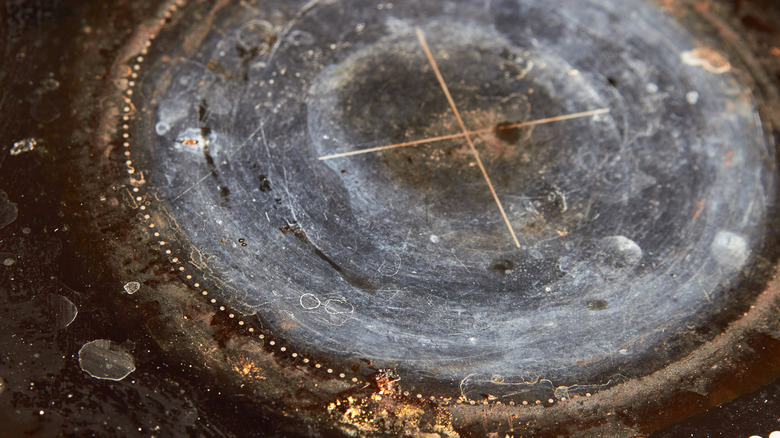
A smooth-top electric stove looks like it's easy to wipe down, right up until tomato sauce, starchy pasta water, or something sugary, such as homemade caramel, bubbles out of the pot. Since the burner beneath the glass is still hot, whatever spills onto the stove's surface can continue heating and dry or burn onto it before you get a chance to clean it properly. Trying to wipe the mess up too soon can create another problem: A hot cooktop can burn a cleaning cloth or melt the synthetic fibers onto the glass.
Once food has burned on, removing it can require a cooktop-safe scraper — and a steady hand — to avoid scratching the glass. For most messes, you should wait for the stove to cool before cleaning it, which gives the spill even more time to continue heating and adhering to the surface. Sugary spills are an exception: They stick to the surface like glue as they cool and potentially cause permanent damage, so they require more immediate and careful attention.
The glass surface can also change your cooking habits, especially if you're used to sliding or shaking a skillet back and forth while sauteing. Dragging a pan across the glass can leave scratches, either due to a rough pan bottom or small pieces of food trapped underneath. So, while a smooth top saves you from scrubbing around grates and burners, keeping that sleek surface clean, scratch-free, and ready for your next meal can require more care than expected.
Electric stoves are less efficient than induction stoves
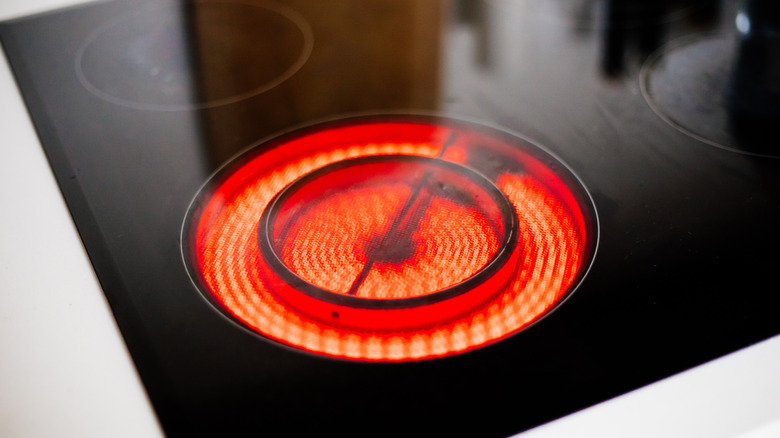
Conventional electric and induction stoves both use electricity, but they don't use it in the same way. An electric stove heats the burner first, which then transfers the heat through the cooktop and into the pan. Induction skips the hot burner and uses an electromagnetic field to generate heat directly in compatible cookware. This extra step means some of the energy an electric stove uses goes toward heating the cooktop and surrounding air before it ever reaches the pan.
You notice the difference this extra step makes in both cooking time and energy use. Induction can be up to 10% more efficient than a conventional smooth-top electric stove, meaning an electric model might use more electricity to accomplish the same cooking task. This less-efficient heat transfer means some of the energy you're paying for is heating the cooktop and kitchen instead of the pan. In warmer weather, this extra heat can make an already-warm kitchen feel even hotter and put more demand on the air conditioner.
This less-efficient heat transfer can also leave you waiting longer to eat. Testing has found that induction cooktops can boil water 20% to 40% faster than electric models tested. So, whether you're trying to get pasta water boiling or you're feeling hungry, conventional electric can use more energy while also taking longer to get food on the table.