

13 Japanese Condiments To Try That Aren't Soy Sauce
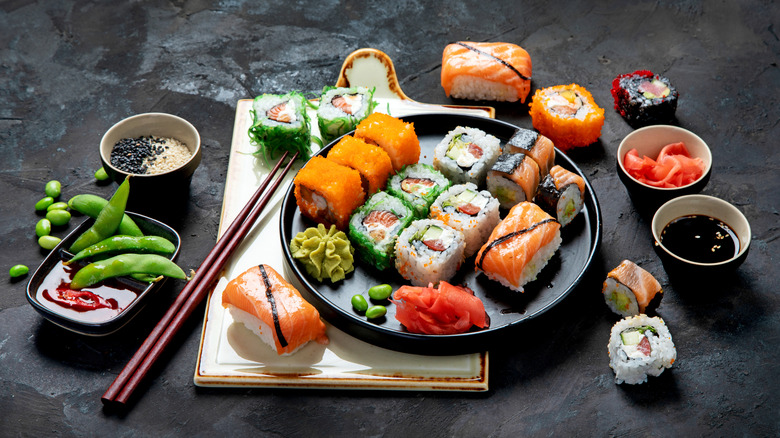
Japanese cuisine is astonishingly rich. While it's perhaps best-known for simplicity and its understanding of how combinations of good ingredients and rigorous technique come together to make something timeless, it's got a huge amount of variety to it. This is thanks to Japan's respect for (and use of) seasonal produce and influences from various countries throughout its history. Its condiments are as diverse as its dishes, too. It can be tempting to assume Japanese condiments start and end with soy sauce, but there are dozens of unique seasonings, sauces, and flavorings, which have their own specific uses and places in its food culture.
While some of these condiments can be soy-based (but take on new flavors from additional ingredients), others start in a different place entirely. Classic condiments like wasabi and karashi, for example, come from the Brassica family and are valued for their fiery, nose-tingling flavor. Others, like umeboshi paste, are fruit-based but deliver an extraordinarily complex and robust taste. If you've ever wanted to expand your Japanese condiment game beyond soy sauce, you're in the right place.
Ponzu
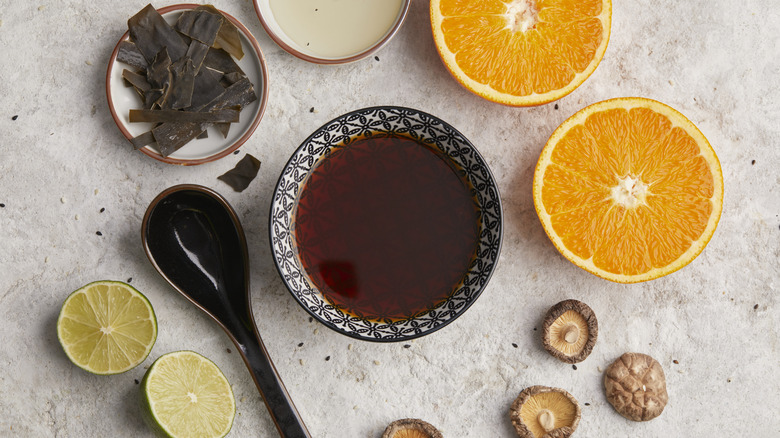
Ponzu may start with soy sauce, but it's so much more than that. One of the most common condiments in Japanese cuisine, it's more akin to a vinaigrette, albeit one that doesn't include oil. Ponzu is a citrus-based sauce made with citrus juice (commonly yuzu, although a blend of yuzu and lemon or other citruses like sudachi or kabosu may be used), soy sauce, mirin, vinegar, and sugar. Other additions, like bonito flakes or kombu, may also be used for extra flavor and brininess.
Ponzu's acidity makes it a great choice for a marinade, and it can quickly imbue meat and seafood with a bright, sharp, salty, rounded flavor. However, it can also be used as a dipping sauce. It's frequently served alongside dumplings or vegetables, and can be combined with straight soy sauce to make ponzu shoyu, a common accompaniment for seared ahi. Its complex flavor means it gives the simplest of foods a glorious kick, though — and if you want to keep things fuss-free, it can be great over plain white rice.
Tonkatsu sauce
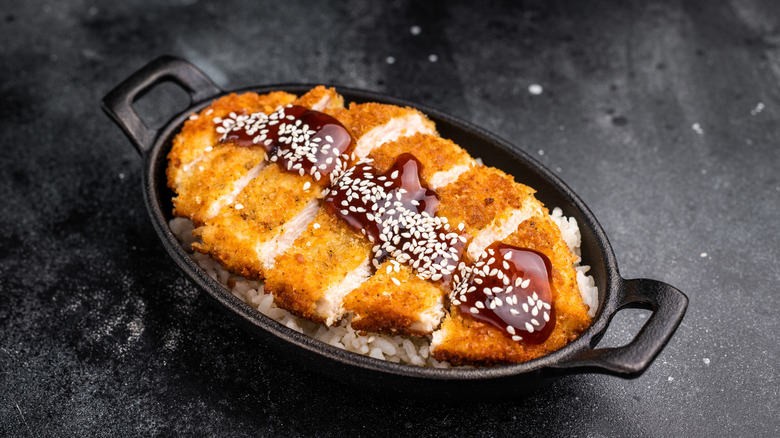
Tonkatsu sauce is arguably a Japanese-Western hybrid. It's allegedly inspired by Worcestershire sauce, a British condiment made with tamarind, vinegar, molasses, and anchovies, which has a salty, umami-rich, deeply sweet flavor. Tonkatsu sauce, though, both amps up and smooths out these qualities: It's a thick, tangy condiment made from vegetables, spices, sugar, and salt, which gives any food a sweet-sour quality and a boost of richness. Other versions of the sauce may be created with fewer ingredients, but the end flavor result is always the same.
Tonkatsu sauce is typically served with pork tonkatsu, a deep-fried pork cutlet served with cabbage and rice. In this dish, the sauce cuts through the fattiness of the fried cutlet and lodges itself in the breadcrumbed exterior, moistening it slightly without removing its crunch. However, it also works fantastically with other fried foods, where it can provide depth and balance. It comes into its own when paired with deep-fried seafood, especially varieties with an overtly fishy taste, as its sweetness and sourness can help to reduce briny notes and create a more rounded quality in the dish. Oh, and it's great with French fries.
Yuzu kosho
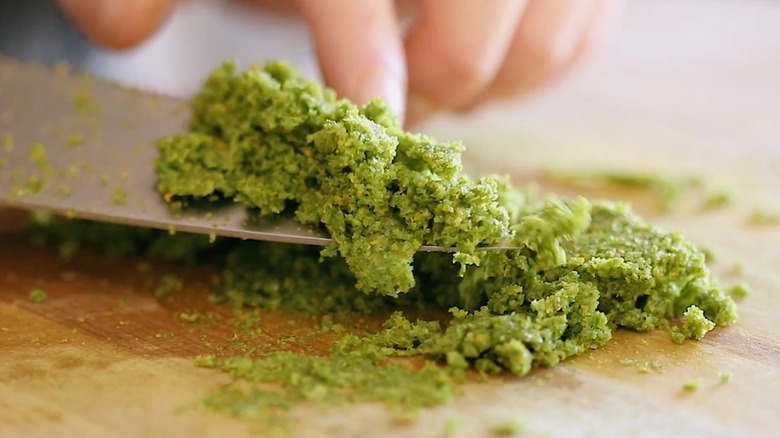
If you want to add a lot of flavor in a small package, yuzu kosho is the condiment you need. This jarred condiment is made from yuzu zest (yellow yuzu is typically used, which has a milder flavor and aroma, but it can also be made with other variants), fresh green chilies, and salt. The paste is then fermented so its flavors can develop and deepen, and a further tanginess starts to appear. Some versions can contain sugar, while others may incorporate yuzu juice, which can add a touch more sourness.
No matter how it's made, though, yuzu kosho has a bold flavor. It's spicy, salty, and tart, and therefore goes well with simple dishes that need a boost. Its sharper qualities make it a natural fit for grilled meats, where the yuzu kosho can offset any richness and oiliness and provide a sprightly counterpart. It can also be added to rice dishes, dips, and dressings. Yuzu kosho can be expensive; it tends to come in smaller jars, and in specialty grocery stores focusing on imported goods, the price can skyrocket pretty quickly. A little goes a long way, though.
Karashi
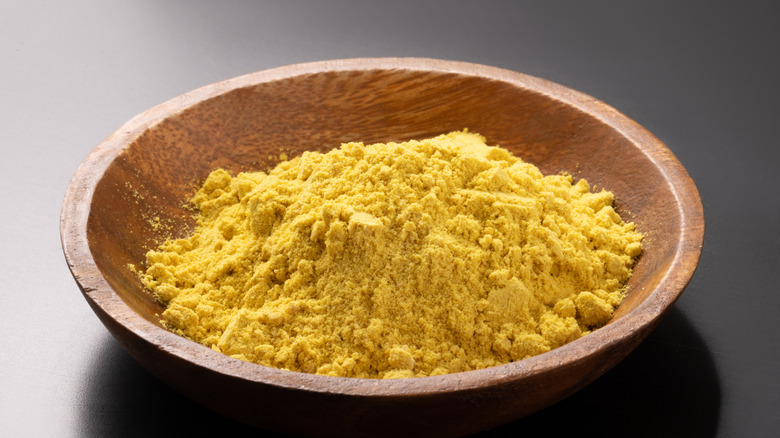
When it comes to fiery Japanese condiments, most people think of wasabi first. Spare a thought for karashi, though. Also known as Japanese mustard, karashi is derived from Brassica juncea seeds, which have a bolder flavor than those used to create Western mustard. In its purest form, the ground seeds are mixed with water to create a sharp paste, although premade versions can be combined with horseradish. Either way, it has an intense, slightly bitter flavor and a fiery spiciness that gets into your sinuses if you have even a touch too much.
Like wasabi, karashi is often served on the side of dishes for dipping into. It's often served with similarly flavorful, bold foods, like oden, a nabemono hot pot made with fish cakes and balls, dashi, daikon radish, and boiled eggs, among other ingredients. Karashi can also be an accompaniment to natto, or fermented soybeans, with their sticky texture and fermented flavor. Here, karashi can provide a delightful counterpoint and, in a sense, match fire with fire, flavor-wise. If you prefer things on the smoother side, you can also mix it with mayonnaise.
Japanese mayonnaise (Kewpie)
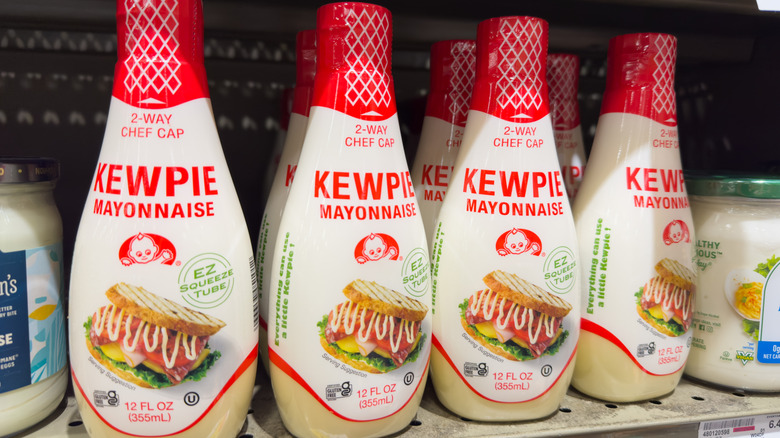
There's mayonnaise, and then there's Japanese mayonnaise — and the two shouldn't be confused for each other. While there are several Japanese mayo brands, Kewpie is by far the most well-known, and it's made by using just egg yolks as opposed to the whole egg. This gives it a richer, more luxurious flavor than Western-style mayonnaise, and a more velvety texture. It also contains monosodium glutamate, or MSG, which boosts its savoriness (and it's worth remembering the belief that MSG is bad for your health is just one of the myths about it).
While people who prefer their mayo to be a bit less eggy might find Kewpie to be a little too full-on, if you like rich, full flavors, you'll adore it. Japanese mayonnaise can be used in any way regular mayo is, and it's commonly added to sandwiches (or sandos), or served as a dipping sauce for kaarage, or Japanese fried chicken. Kewpie is also used as a topping for okonomiyaki or yakisoba, where it provides a creamy counterpart to some of the salty, fatty ingredients.
Goma dare
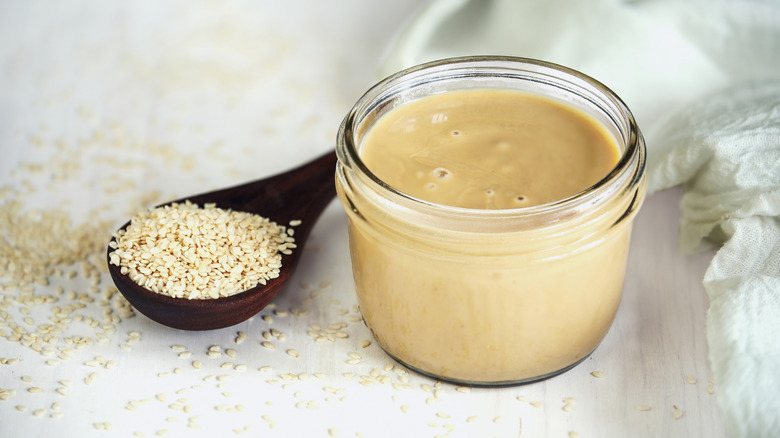
Goma dare is one of the lesser-known Japanese condiments in the West, but once you try it, you'll never look back. This sauce is made from sesame paste, soy sauce, and vinegar, with a touch of sugar added in for balance. Although it's tempting to think it starts with tahini, it's actually made with nerigoma, a Japanese white sesame paste made with toasted seeds. This gives the goma dare a more rounded, deep, nutty flavor — although if you can't find it anywhere, you can use tahini in a pinch, and it'll still make a decent version.
Goma dare is extraordinarily versatile, and its combination of complex flavor and creamy texture can upgrade any meal. It's most commonly served with shabu shabu, where it provides a multi-layered counterpoint to the savory meats and just-cooked vegetables bubbling away in the brothy pot in front of you. It can also make a tremendous salad dressing and is dynamite drizzled onto rice bowls. It's pretty delicious with anything, though, so mix it with whatever you want.
Umeboshi paste
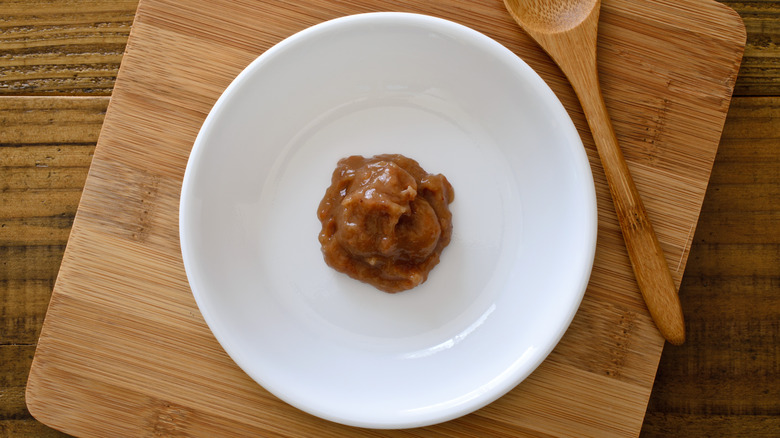
If you've ever tried umeboshi paste, you'll probably remember it. It's a simple combination of puréed umeboshi mixed with salt, although it can sometimes be combined with honey for a sweeter version. That may sound simple, but umeboshi themselves are wildly flavorful: These pickled, preserved plums are lip-puckeringly sour and have a deep savoriness to them, as well as being salty. As such, the additional salt only serves to make them even more flavorful and, for some, overpowering.
Umeboshi paste isn't for the faint of heart, but if you're looking to expand your culinary horizons, it's a must-try. The paste is traditionally eaten with plain rice, sometimes popped in the center of onigiri balls — and the combination makes sense. The rice offsets some of umeboshi paste's more aggressive flavor notes, while the paste lifts the rice into totally new territory. However, it can also be used as a flavor enhancer, sometimes in pretty unexpected ways. Use it in sauces, risottos, curries, as a spread for sandwiches, or even in pasta dishes. It'll make something pretty unforgettable; just make sure you're not using too much.
Mentsuyu
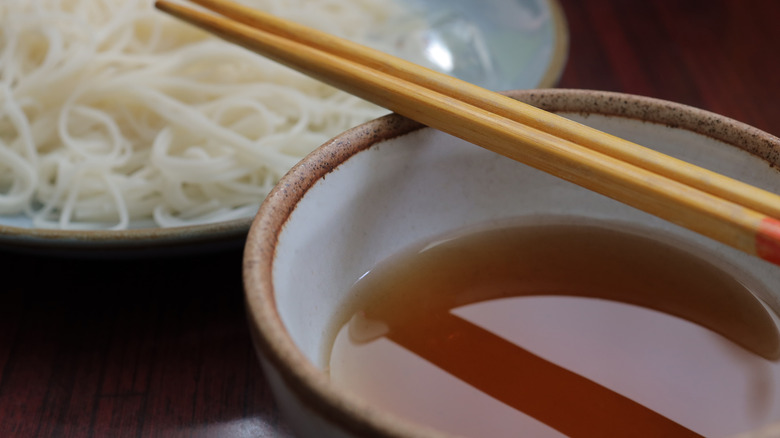
Mentsuyu (also known as tsuyu) is a condiment with many uses. In its base form, it's a fairly simple combination of soy sauce, mirin, sake, dashi, and sugar, and as a result has salty, sweet, savory, and slightly boozy notes. From there, it can be taken in a few directions. Some people use it as a soup base, with other flavors layered on top, while others start off their hot pots with it. It can also be used as a marinade to flavor proteins with a layered but unobtrusive flavor.
However, given that its name translates to "noodle sauce," it's fairly clear what it's most commonly used for. Mentsuyu is frequently paired with soba or udon and served on the side as a dip, into which people plunge their noodles before eating. This allows the mentsuyu's flavor to remain concentrated and specific, instead of being diluted with other notes as it cooks with additional ingredients. It all comes back to the principles of simplicity that so much of Japanese cuisine is built around, which you can see clearly in sushi: When ingredients are good enough, they should be able to shine on their own.
Rayu
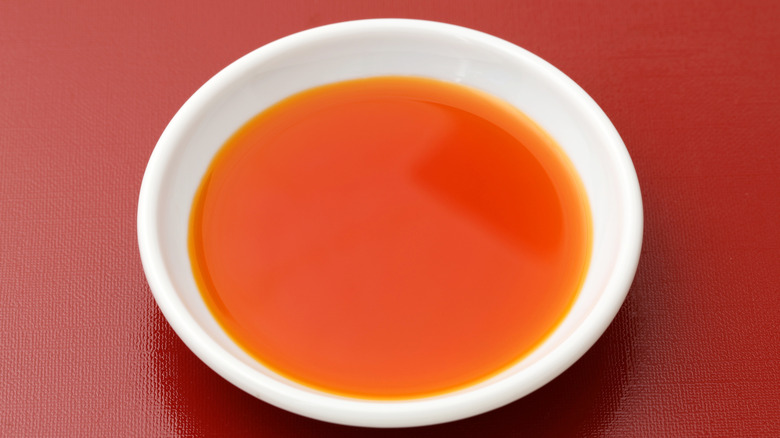
There are a lot of chili oils out there, and many of them rely on heat to provide their punch. Rayu, though, takes a different approach. This Japanese chili oil is made with a combination of chili peppers and sesame oil, with additional ingredients like ginger, garlic, Sichuan pepper, and extra chili flakes also frequently added. It's the sesame oil that's the game-changer here: It transforms the condiment into a nutty, layered, extra-fragrant affair, which still has the kick you'd expect from a solution imbued with chilies.
Like other chili oils, rayu can be used widely, and while it's commonly served as a gyoza dipping sauce, it's also added to anything that needs a spicy, toasty kick. And it has its own variants. Taberu rayu is an amped-up version that started to gain popularity in the 2000s, and often contains additional flavor and texture components like fried garlic and onions, which give it more crunch and savoriness. In that sense, it's an entry into the wide, varied world of chili crisp, and can be used wherever you'd reach for a jar of Lao Gan Ma.
Wasabi
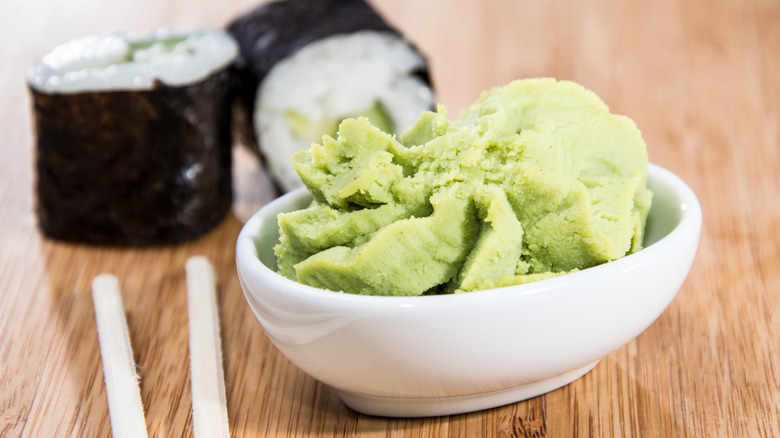
Wasabi is one of the most popular, oldest, and misunderstood condiments in Japanese cuisine. This traditional sushi accompaniment is a super-spicy, bright-green paste, which has a dual purpose of enhancing the fish's umami notes and is anti-microbial and can reduce harmful bacteria still present. Indeed, it was used for its medicinal, sterilizing properties long before it became an iconic foodstuff. The plant true wasabi is derived from (Wasabia japonica) has been consumed in Japan for thousands of years.
You may not have tasted it, though, even if you've eaten plenty of sushi before. Traditional wasabi is made from 100% wasabi root, and it has a balanced, mellow flavor — but it's also difficult to grow and cultivate, and is therefore expensive. A lot of the time, sushi restaurants will instead serve fake wasabi, which is a combination of horseradish, mustard, and green food coloring processed into a paste. It's fake wasabi that has the pungent, nose-aching flavor most of us know. If you want to try the real stuff, you have to be prepared to pay a lot of cash for it, and it can be hard to track down.
Okonomiyaki sauce
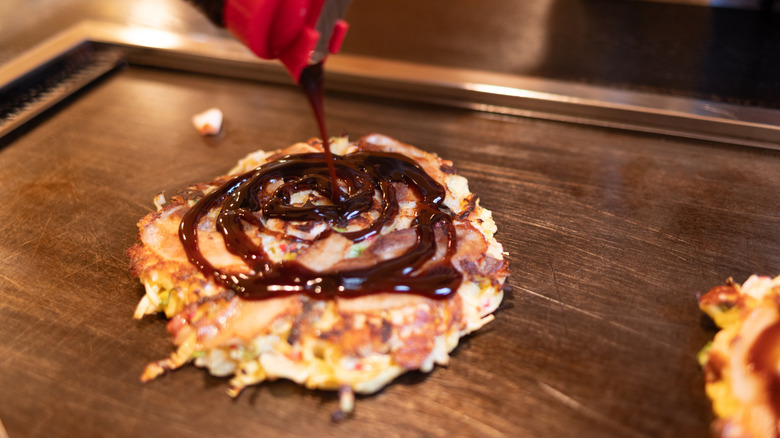
Tonkatsu sauce isn't the only Japanese condiment that takes its cues from the United Kingdom. There's also okonomiyaki sauce, which, like tonkatsu's primary condiment, is inspired by Worcestershire sauce. The three are distinct from one another, though, and they all have different uses. Worcestershire is salty, tangy, savory, and thin, while tonkatsu sauce is sweeter, thicker, and spicier. Okonomiyaki sauce, meanwhile, sits somewhere between the two: It's got a bit more sourness and a slightly more fruity flavor, instead of the more intense sweetness of tonkatsu.
Okonomiyaki sauce is slightly thicker than tonkatsu sauce, though, and that's where its primary use comes into its own. This condiment, as its name suggests, is meant to be used when making okonomiyaki, a savory pancake made with a flour batter, vegetables, meat, and seafood, and cooked on a hot grill. The sauce is brushed on to give the pancake a burst of flavor before it's topped with Kewpie mayo, bonito flakes, and aonori (dried seaweed). It's classic Japanese street food, and without this specific sauce, it just wouldn't be the same. With all that said, though, you can also use it like any other condiment, and it goes especially well with fried foods like croquettes.
Gyosho

Japanese fish sauce, or gyosho, can often get lost in conversations about this condiment. We tend to think of fish sauce as either Thai or Vietnamese, and it's certainly true it's used liberally in both cuisines — but gyosho is a lighter, slightly less pungent version, which can still be used in all the same ways as the latter two. Gyosho (not to be confused with the calligraphy style of the same name) is made with ayu, or Japanese sweet fish, and salt. Ayu's delicate flavor prevents gyosho from becoming too pungent and fishy, although local variations made with different seafood may have different, more robust tastes.
Because it has a milder flavor, gyosho can be used a little more freely as a seasoning than other fish sauces, and you don't have to cook it to reduce any fishy notes. It can be used in much the same way as you'd use soy sauce, and it adds a similar saltiness and complexity to dishes, albeit with more funk. Gyosho can also be used as a dipping sauce for meats, vegetables, or dumplings, or as an ingredient in soup bases.
Tare
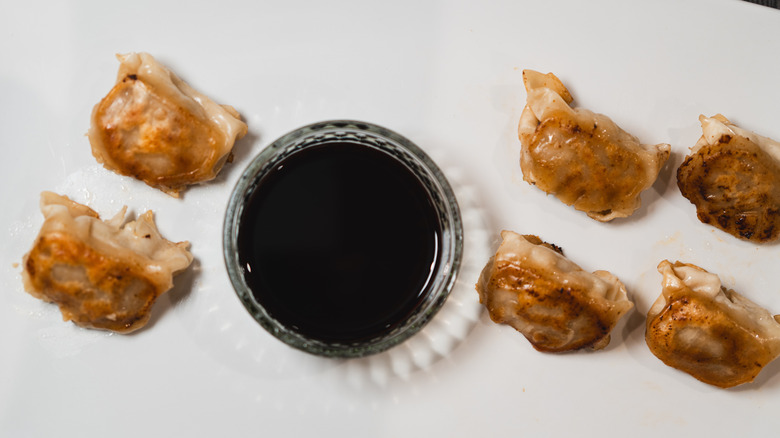
Ever wondered why your homemade chicken ramen doesn't have as much flavor as the restaurant bowls you order? It might be because it's missing tare. This Japanese condiment comes in a few forms, but at its most basic it's a combination of soy sauce, mirin, and sake. Sugar, water, and kombu can also be added for further depth and flavor — and others, like shio tare and miso tare, start with salt and miso, respectively.
Whichever tare you're using, though, it's a combination of a salty element, a sweet-tangy note from the mirin, and a smooth, lightly alcoholic twist from the sake. These three components unlock and augment flavors in whatever else goes into your ramen, and create a base harmony from which everything else works. Although it has a hallowed place in ramen bowls, that's not the only place it can be used: It can be daubed onto food as a glaze or served as a dipping sauce. Once you've added it to your homemade ramen, though, you'll never be able to make a bowl without it.