

11 Kitchen Wallpaper Patterns From The '50s That Deserve A Revival
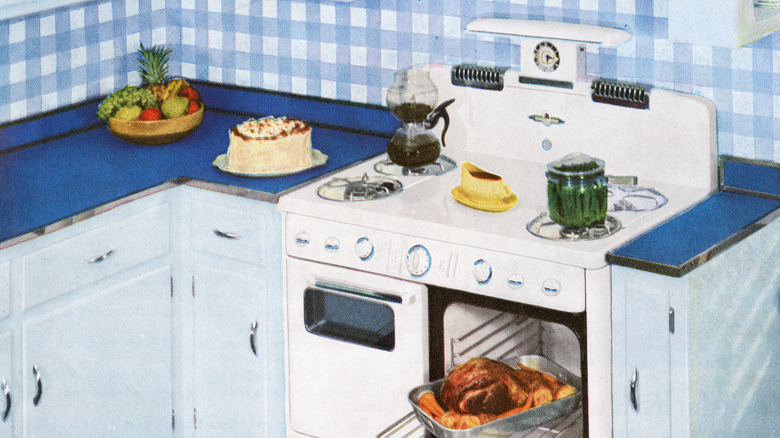
If you think of wallpaper as a dated decoration, think again. This classic wall treatment is enjoying something of a comeback as interior designers embrace modern designs. As with all things design, trends are cyclical, which means there's a trove of vintage wallpaper patterns with great potential for a revival.
To locate these vintage patterns and more, wallpaper catalogs from the 1950s and other decades gone by are often in the public domain, making it easy to delve into the past for inspiration. Several of these designs come from long-defunct companies, like the former department store Montgomery Ward or Robinson's Golden Rule Wallpaper, a vendor many people may not have even heard of.
Many designs are inspired by nature, with bold — or subtle — patterns of leaves, flowers, and in one case, pine cones. Texture is another standout feature of many patterns, and highly desired in modern homes as well, where it adds both visual and tactile appeal. To be clear, many vintage designs should stay in the past. But the following 1950s wallpapers are definitely worth another look.
Jodie
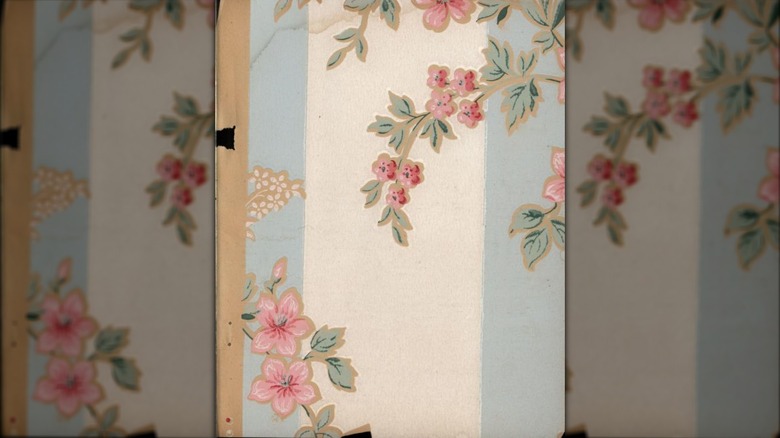
This sample from a 1951 wallpaper catalog uses white with pink, blue, and green pastels to brighten up the kitchen with a vintage floral style. Hints of black in the leaves anchor the flowers against blocks of blue and white for a delicate, timeless appeal. And if there were any doubt that this is well-suited for a kitchen, the original manufacturer specifically recommended it for that room.
Early Dutch Design
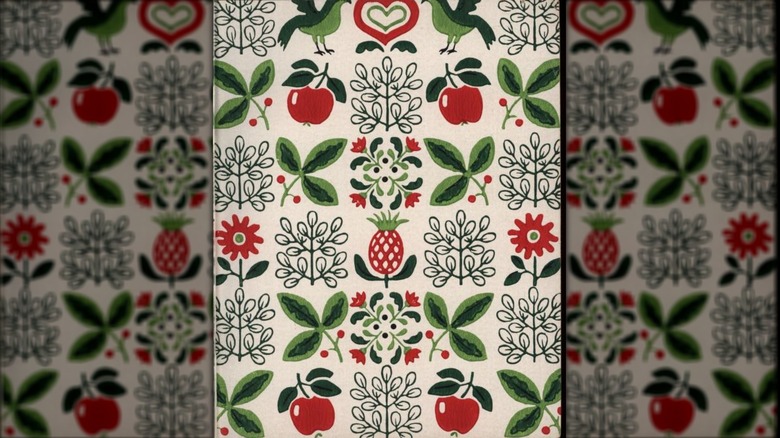
The 1954 Sears wallpaper catalog contained this forgotten gem, featuring ripe red fruits and flowers accented by green leaf designs in a subtle block pattern. The color palette goes with almost anything, and it should be easy to find dish towels and accessories that go well with it. Even if they're among the retro kitchen trends younger generations don't understand, a breakfast nook would pop with this paper.
Damask Effect in Silver and Gold
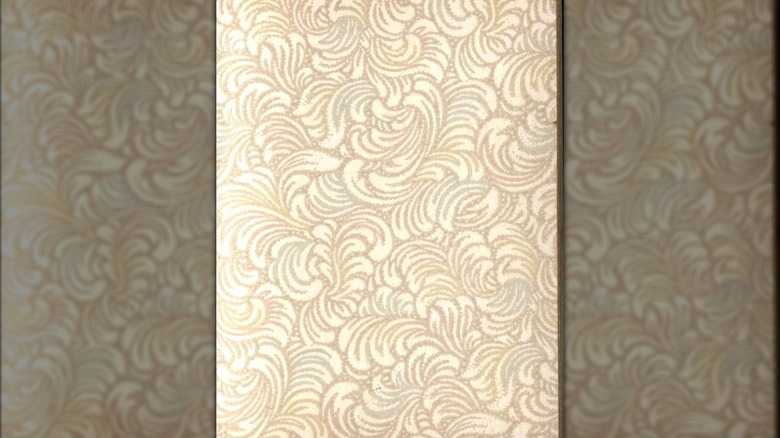
This wallpaper's eyecatching appeal comes not only from its gold and silver detailing, but also an embossed texture. Combined, they give a luxury lift to any part of the kitchen, regardless of the pre-existing color scheme. According to the catalog, the original wallpaper from Montgomery Ward was also fade-proof and tarnish resistant, making it good for sunny rooms and curious guests who want to touch it.
Grass Cloth
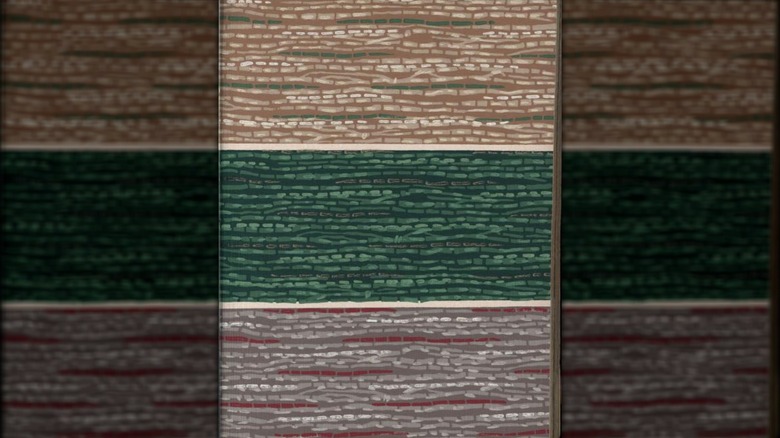
This 1954 wallpaper pattern, available in 3 different colors, was more luxurious than it let on. Grass Cloth wasn't just its name; the sheets were made of genuine grasscloth. It's a special type of wallpaper handwoven with natural fibers, with great visual and textural appeal. And grasscloth weaving has only improved with time, becoming more intricate and refined with technique, giving this already impressive vintage wallpaper even more reason for a revival.
The Morning Glory
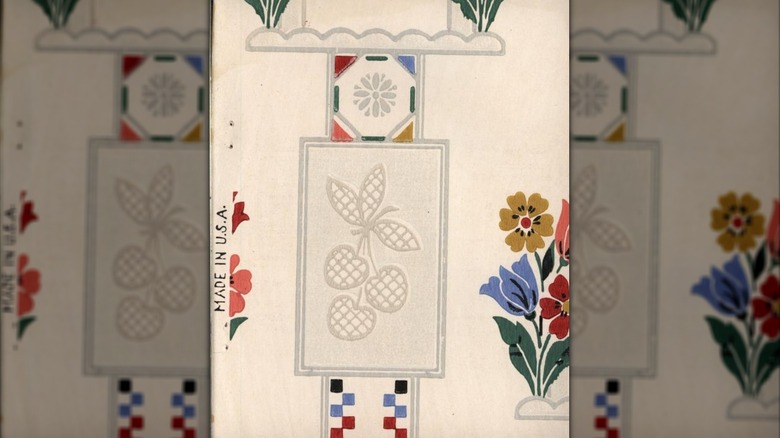
"The Morning Glory" is a 1951 pattern that was exclusive to the Robinson's catalog. Dominated by its white background, it's a natural fit for lighter-colored kitchens, or as a brighter accent to a darker palette. The patterns vaguely evoke those of square tilework, curiously giving this retro 1950s pattern an almost-1980s vibe at the same time. Though even if this wallpaper were reprinted, you probably wouldn't be able to get it for the original price of 15 cents per roll.
Carnival Plaid
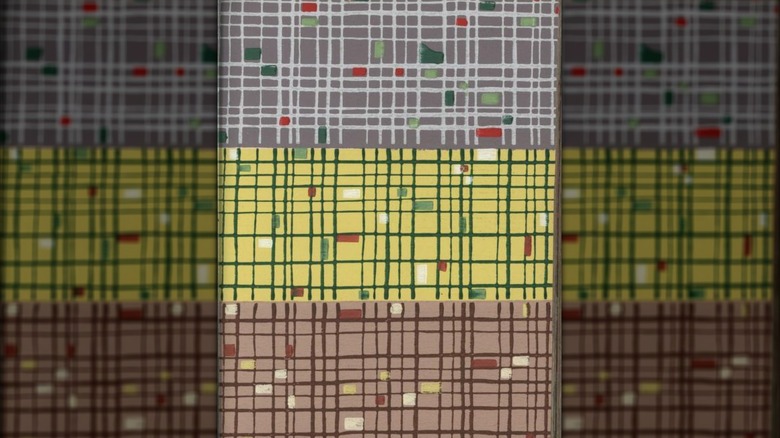
Plaid patchwork is one of the great retro kitchen wallpaper ideas to make a space more fun, and the aptly named "Carnival Plaid" pattern evoked a faint funfair-like feeling. Clear plaid inspiration was accented by irregular rectangles in complementary colors to the main shades of gray, yellow, or reddish-brown. If this wallpaper were available again, it would inevitably draw a curious eye from guests who like a throwback flair, as though it came from the set of a 1950s sitcom.
The Modern, Rough-Textured Walls
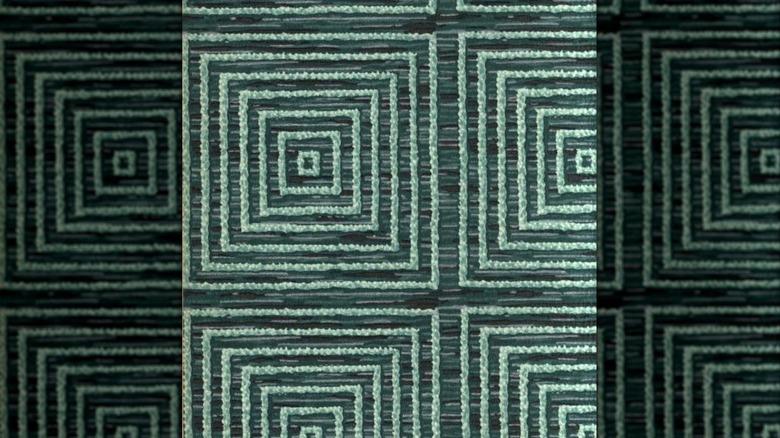
"The Modern, Rough-Textured Walls" was a mouthful of a name from Montgomery Ward, but this wallpaper pattern was relatively visionary for how much it leaned into textures. A simple block design with embossed green squares provided irresistible tactile appeal, while the brighter green square popped against a darker green background. It's a retro design with strong modern appeal, and one begging to make a kitchen feel more upscale and sophisticated.
Kitchie
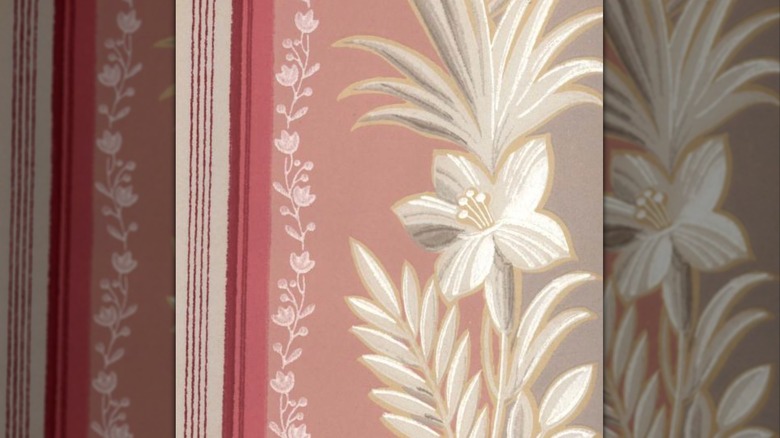
This pattern was described as out of the ordinary in the 1951 Robinson's catalog, but with the impact of decades of subsequent design, it hits a bit different now. Today, it offers a quaint retro appeal reminiscent of grandma's kitchen with distinctive florals and strong pink and white theming. Putting this revived wallpaper design in a modern kitchen would also fulfill its original purpose, specifically designed for kitchens and bathrooms.
Shadow Print
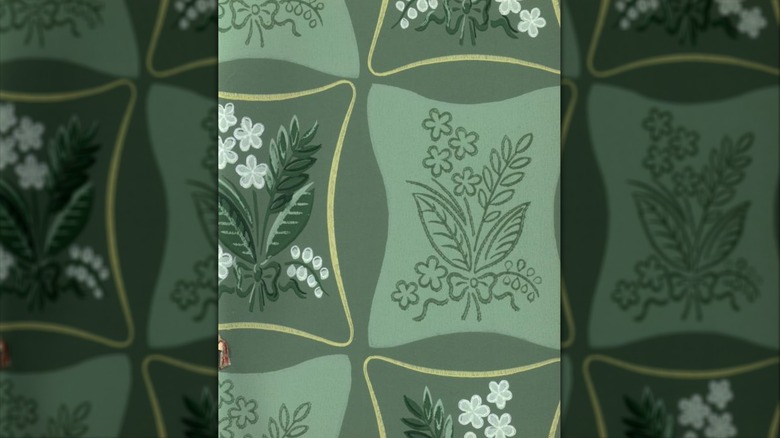
Sage green is one of the best paint colors for a cozy, cottagecore feeling, but why not wallpaper too? This 1953 design was such an eye-catcher that it was on the cover of Sears' 1953 wallpaper catalog.
Squarish shapes of light and dark sage green were accented with gold lines and embossed floral patterns for an interesting and unusually sophisticated design. The greens of this wallpaper are inviting enough on their own, but would look even better complementing the natural greens of a kitchen herb garden.
Homespun
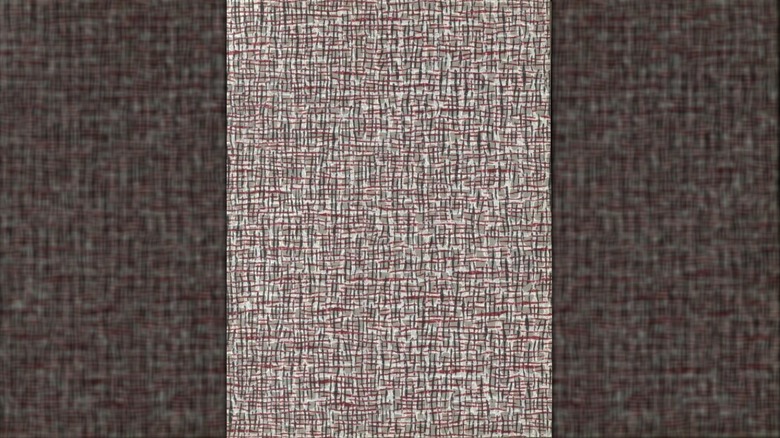
This wallpaper pattern was designed to complement carpets, one thing you never want in a kitchen. But the embossed nature of this grayish-red paper can actually provide an interesting look in any room, including kitchens. There may not be a carpet, but it can still go with kitchen linens, oven mitts, and other textures commonly found in this room. Should this design be reprinted, it would look great on accent walls near furnishings.
Cool, Clean-Cut, and Refreshing
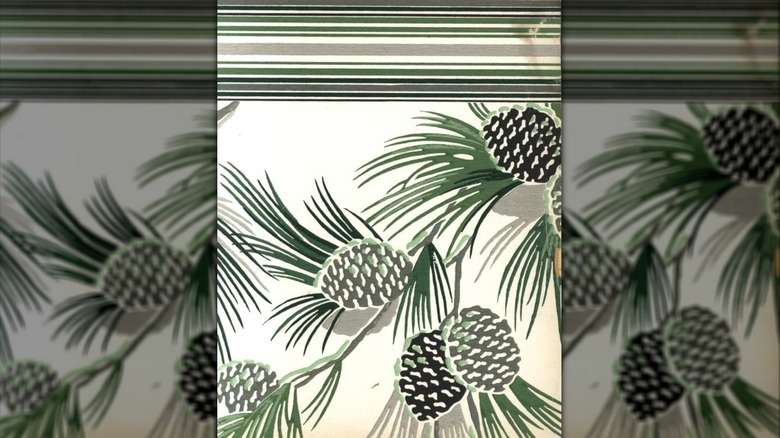
Montgomery Ward's 1953 wallpaper catalog featured this unusual take on floral patterns by instead choosing to highlight pine cones and needles. In the catalog, this design advertised a cooling sensation brought about by muted tones of gray and green, which would also go well with brighter accent colors that can be commonly found in kitchens — though the wallpaper itself is arguably its own accent.