

10 Tips For Making Bakery-Worthy Pumpkin Bread
We may receive a commission on purchases made from links.
Nothing screams autumn quite like pumpkin bread. This dessert can add a sweet taste to your fall, and is known for its exceptionally moist, almost cake-like crumb and spiced flavor profile. But nailing this staple fall recipe and achieving the rewarding smell of warm, spiced pumpkin bread wafting through the house is not always easy. Like so many baked goods, this feel-good seasonal staple can be difficult to perfect, so we turned to the experts to get some valuable insights into how to craft a bakery-worthy loaf of pumpkin bread.
We spoke with Odette D'Aniello, founder of Dragonfly Cakes, and Jessica Randhawa, head chef and recipe developer at The Forked Spoon. These bakery pros imparted some insightful tips for perfecting your own pumpkin bread. From practical pointers like the ideal oven temperature to unique secret ingredients, these are 10 valuable baking tips every home cook should know if you're looking to make pumpkin bread that will impress your guests this season.
Use oil instead of butter for a perfectly moist loaf
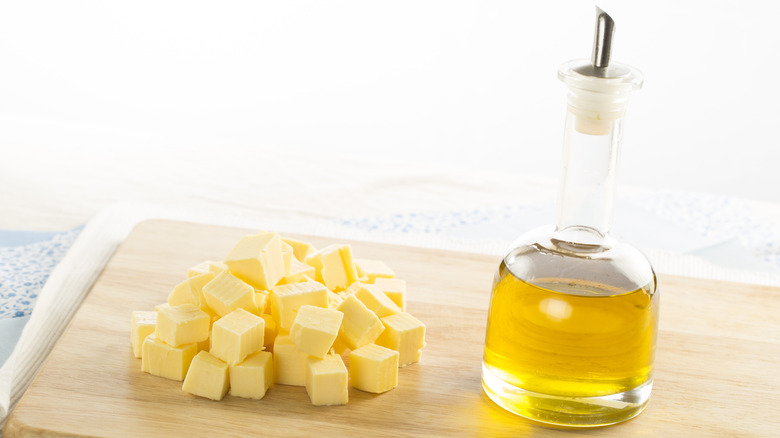
One of the secrets to getting that signature moist, cake-like texture that pumpkin bread is known for is choosing the right fat to bake with. While butter has a reputation for adding plenty of flavor, our experts claim that oil has the advantage when it comes to baking a soft and tender loaf. Odette D'Aniello explains that while butter solidifies as it cools, "Oil stays liquid at room temperature, so the pumpkin bread remains soft even after it has cooled."
Instead of your loaf drying out, the oil will help it maintain its moist texture so you can enjoy it long after you first take it out of the oven. However, this doesn't mean you have to forego butter completely. Jessica Randhawa agrees that oil is preferable in the batter, but has her own unique way of incorporating butter when the baking is done: "When I warm up my leftover pumpkin bread, I spread a little salted butter on it," she says. A little butter on a warm slice can add a rich, salty contrast to the sweet, spiced loaf.
Let your refrigerated ingredients come to room temperature before mixing
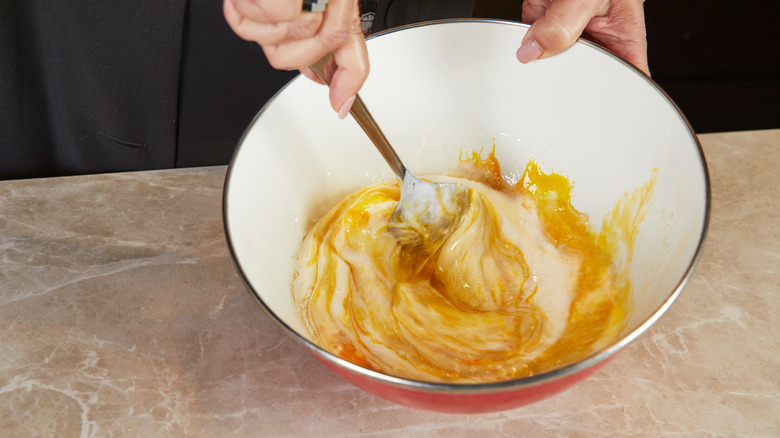
When it comes to baking, the little things have a big impact, and the temperature of your ingredients is one factor that many first-time bakers might not think about. Cold ingredients simply don't combine as evenly as room temperature ones, which can leave you with inconsistent batter that will give you problems down the line. If you have the time, take your eggs, milk, and any other cold ingredients out of the fridge and let them warm up slightly before whipping them together.
Once your cold, wet ingredients have reached room temperature and have been whisked together, Odette D'Aniello recommends whisking your spices into them before you incorporate the flour. "Fat helps carry flavor," she explains, giving the spices a chance to "bloom and distribute throughout the batter." That way your fall seasonings and spices like cinnamon, ginger, and cloves will really shine through in your final product, ensuring each bite has the warm, fragrant taste you're after.
Sour cream is a secret ingredient for a softer loaf
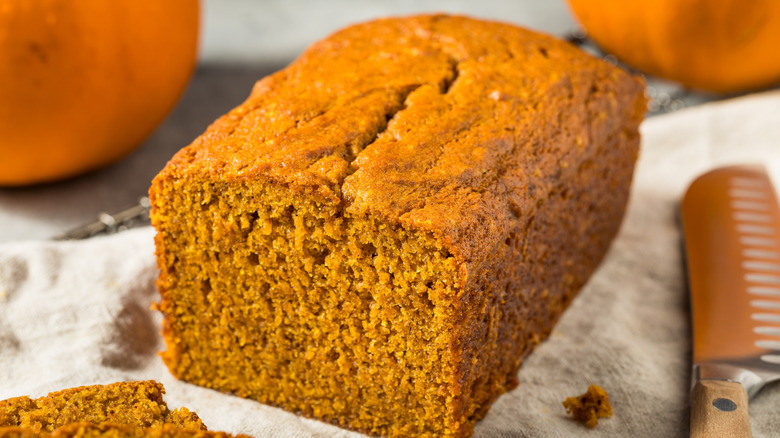
If you find your pumpkin bread often winds up being on the dry or denser side, there is a secret ingredient that you might be surprised can help you achieve a perfectly moist texture. According to Odette D'Aniello, "A small amount of sour cream or full-fat yogurt gives pumpkin bread a softer, richer crumb without making it taste tangy." The dairy adds extra fat to the recipe, making it less likely to come out too dry, even if the loaf is a little overbaked.
This, in combination with high-quality oil and pure pumpkin purée, can help you achieve an ideal texture. Like your other refrigerated ingredients, the sour cream or yogurt will be best integrated if you let it come to room temperature before mixing. Aim for no more than ⅓ cup of sour cream or yogurt per loaf to avoid altering its flavor.
Avoid overmixing the batter
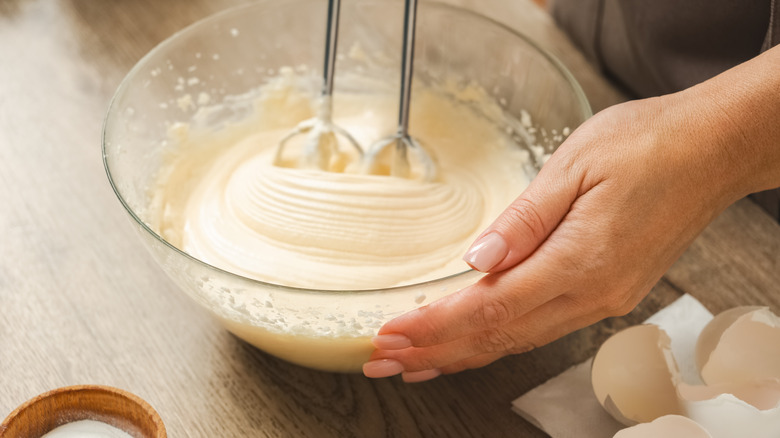
One of the most common mistakes amateur bakers make when baking pumpkin bread is overmixing the batter, which can contribute to the chewy, dense, or rubbery texture that disappoints when you bite into the loaf. This is because when the flour is combined with the wet ingredients, the gluten in the flour develops, which is great for things like sourdough, but not what we're looking for with loaf breads like this. Both of our experts explained that after the dry ingredients are added, they try to limit the mixing as much as possible.
If you've ever seen long tunnels of space running through your loaf, overmixing might also be the reason. Instead, only mix enough to just barely integrate the flour with the wet ingredients and then allow it to rest. Odette D'Aniello suggests achieving this by folding in the batter by hand with a silicone spatula to prevent overmixing while still scraping any dry clumps that might be hiding at the bottom.
Unexpected ingredients create a unique flavor profile
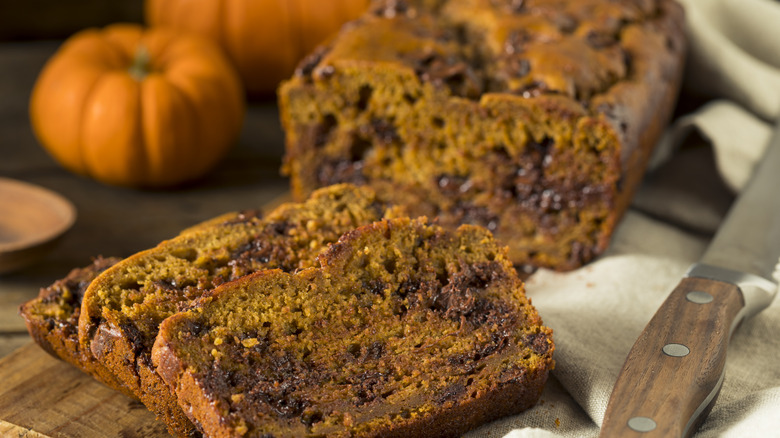
If you're an amateur baker, it can be daunting to incorporate new ingredients or stray from the recipe, but sometimes a little experimentation can result in some truly delightful flavor pops. Odette D'Aniello explains that adding some molasses will bring out the caramel notes in the loaf, or if you're feeling really brave, orange zest can be a fun way to add some bright contrast to the otherwise warm spices in the dish.
D'Aniello goes on to say, "For a deeper spice profile, a tiny pinch of black pepper or espresso powder can also work surprisingly well. Neither should be strong enough to identify; they simply make the cinnamon, ginger, cloves, and pumpkin taste more pronounced." If you're a chocolate lover like Jessica Randhawa, throw some semi-sweet chocolate chips into your batter for a deliciously rich addition that won't add too much sweetness.
Weigh your ingredients instead of relying on measuring cups
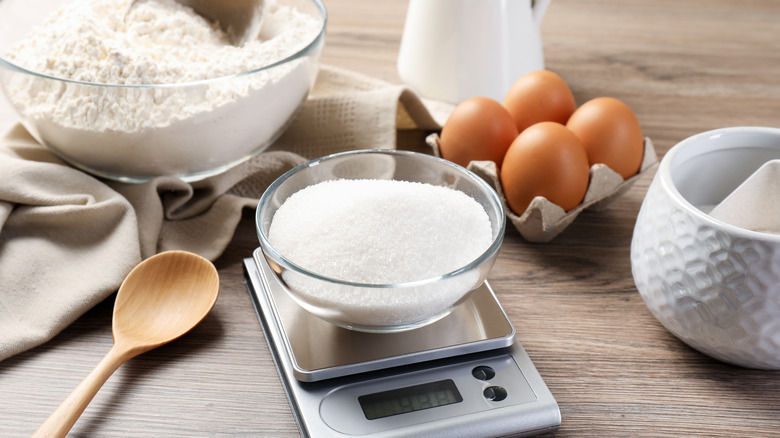
It's no secret that baking requires precision, and baking math matters. In fact, it's as much a science as it is an art, and even a slight miscalculation can throw off the flavor and/or texture of the dish. In a pumpkin bread recipe, where the integrity of the dish relies heavily on the correct ratio of wet and dry ingredients, correct measurements are vital. Too much pumpkin or other liquid ingredient can leave the loaf uncooked throughout the center, while too much flour can result in a dry, heavy crumb.
According to Odette D'Aniello, "The best practice in all things baking is weighing whenever possible because that will always be more accurate than cups or spoons." Measuring cups can vary in size, and scooping ingredients into a cup sometimes leads to unseen air pockets that can cause discrepancies.
Set the oven to the correct temperature
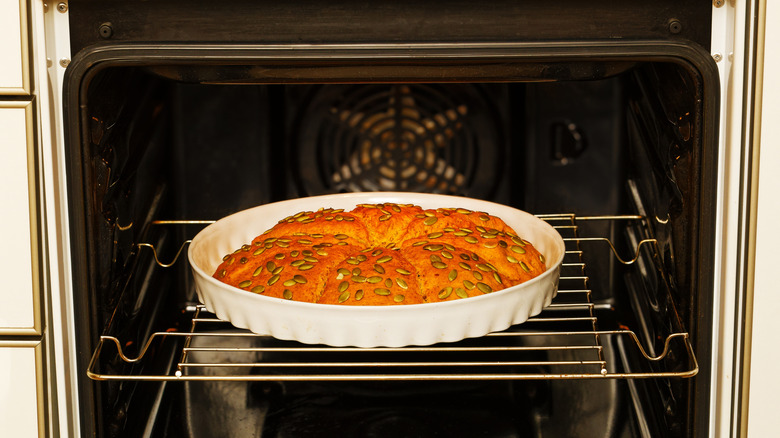
Oven temperature is another vital factor when crafting bakery-worthy pumpkin bread. Set it too high and you risk burning the edges before the center cooks through; set it too low, and you may never achieve that coveted domed top and golden crust. While the perfect oven temperature for baking may vary based on your own oven, whether it's gas or electric, and how quickly it heats, both of our experts find that 350 degrees Fahrenheit tends to be the sweet spot when cooking these loaves.
Odette D'Aniello and Jessica Randhawa both find this temperature cooks the bread evenly, while avoiding dry edges. To be on the safe side, you might consider using an oven-safe thermometer — like this one from TempPro — to check your home oven, as D'Aniello has found the oven's temperature dial is not always an accurate read. She goes on to explain that if you do notice the top or edges browning too quickly, "loosely tent the loaf with foil for the remainder of the baking time" to help even the cooking.
Use canned pumpkin purée instead of fresh pumpkin
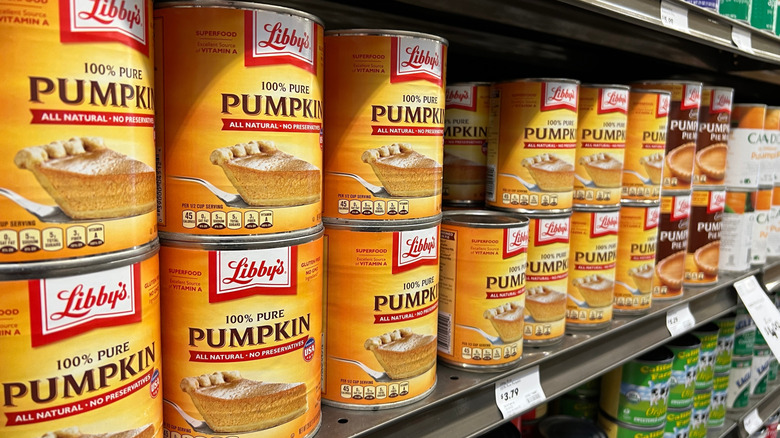
Though fresh pumpkin is delicious and has tons of other tasty applications in cooking and baking, both our experts find that pumpkin purée is one canned ingredient that they would recommend over the fresh stuff for baking pumpkin bread. Fresh pumpkin can have significantly varying moisture levels, depending on the variety and how it is prepared, whereas canned purée — like this option from Libby's — offers consistent texture and moisture, which is critical when baking. Jessica Randhawa explains, "Because a loaf is thicker and takes longer to bake compared to individual cookies and cupcakes, excess moisture can cause the center to be underbaked or gummy."
Even a small variation in moisture level can throw off the texture of the loaf, so you're better off reaching for the canned pumpkin purée — and choosing the right one matters. "Make sure you are buying pure pumpkin rather than pumpkin pie filling, which already contains sugar and spices," says Odette D'Aniello.
Use a combination of sugars to bring out the spices
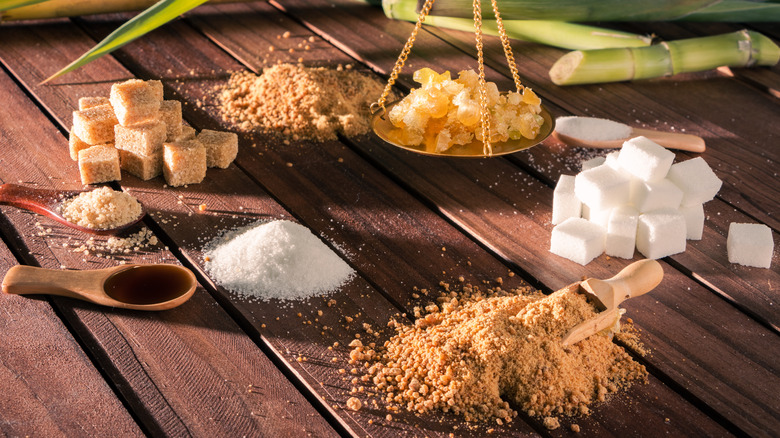
Pumpkin bread is well known for its rich caramel and molasses flavor, and achieving those warm, sweet, and spiced notes has much to do with the proper sugar combination. For a deeper, more complex flavor profile, our experts like to use a combination of sweeteners. Odette D'Aniello likes using maple syrup to add a subtle caramel-like sweetness as well as additional moisture. On the other hand, Jessica Randhawa prefers granulated sugar. Granulated sugar contributes to the sweetness without adding additional strong flavors to the loaf.
Whether you opt for maple syrup or granulated sugar, either should always be combined with brown sugar, which contributes to the bread's signature molasses flavor, naturally complementing and enhancing the pumpkin and traditional fall spices without leaning too sweet. These small adjustments can create a more layered flavor profile that bakeries are known for, bringing the pumpkin, cinnamon, ginger, and cloves to life.
Wait to cut into the loaf until it has cooled
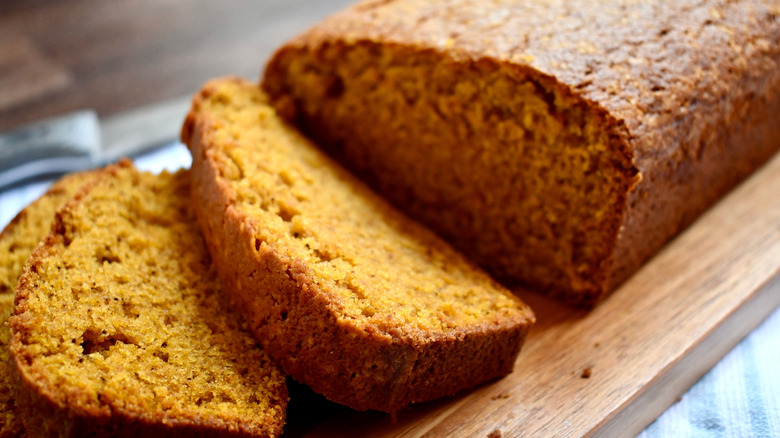
When that freshly-baked loaf comes out of the oven with a perfectly domed top and the warm smell of spices wafts through the kitchen, it may be tempting to cut into it straight away and taste your handiwork, but our experts highly recommend allowing the loaf to sit and cool before you dive in. Not only will you avoid burning yourself, but you'll also keep your loaf intact by letting it rest.
Odette D'Aniello explains that if you cut it too early, you'll release the steam from the center of the loaf, which may, in turn, compress the crumb. This can leave your pumpkin bread with a gummy mess of a texture after all your hard work, so just allow it to cool completely first. Another tip from Jessica Randhawa for maintaining the moisture is to tightly wrap it in airtight plastic once it has cooled, just like the bakeries do.