

13 Classic Foods That Were Invented In The South
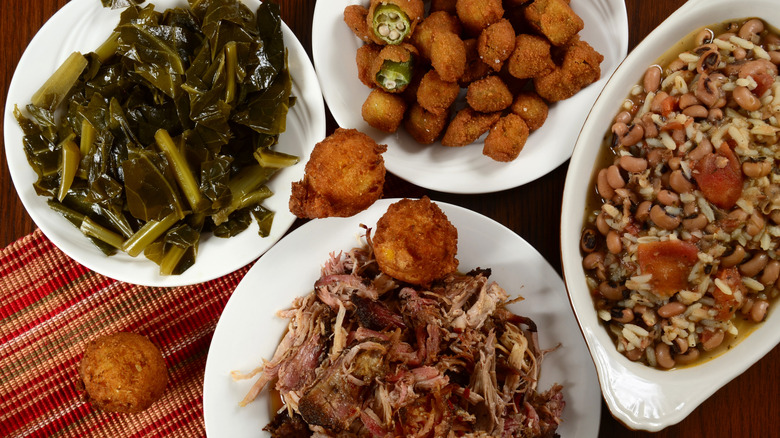
When you think of Southern food, what comes to mind? Hearty platters of fried chicken, sides like mac and cheese, and big jars filled with banana pudding are a few of the dishes we often presume to be Southern, but you may be surprised to find that these dishes were only popularized in the American South, rather than being invented there.
To find out which well-known dishes were truly created in the South, we consulted the experts: Lawrence Weeks, the owner and chef of Murray's Creole Pub in Louisville, Kentucky; Paul Whitten, a historian and founder and CEO of Nashville Adventures; Ebony Robinson, a Southern recipe developer, food blogger, and founder of Elicit Folio; and finally, Andy McLeod, the executive chef of Fleet Landing in Charleston, South Carolina.
While the food is undeniably irresistible, the stories of the cultures, people, and circumstances that shaped these recipes are just as important to consume. Robinson put it perfectly when she said, "Southern food is much more than comfort food, it's living history." Each of these dishes has a story behind it, most of which are neither simple nor comfortable to hear. They are stories of trauma, struggle, and greed, but also of resilience and ingenuity. In this modern age where chefs achieve fame and notoriety from their food, it's only right to give credit where it's long overdue and learn the tectonic stories behind these classic Southern foods.
1. Shrimp and grits
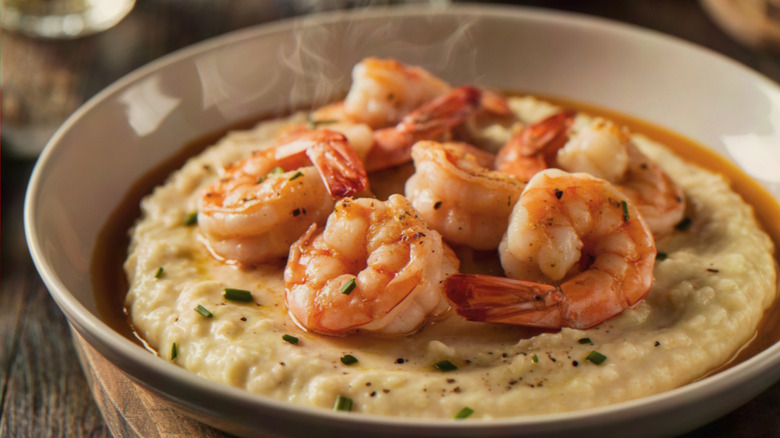
You wouldn't be wrong in thinking shrimp and grits is as Southern as it gets in terms of meals. A testament to both the melting pot of cultures and ingredients native to the land, shrimp and grits is a recipe that will live on forever as a Southern classic.
While we often think of Southern foods as having begun with the arrival of European immigrants as well as enslaved Africans to ports in America, grits is really a product of Indigenous corn preservation and milling techniques that date all the way back to 8700 B.C. in Central America. Ebony Robinson says that grits "became an economical way for families to enjoy a dish that would keep them full for a long time. At the same time, the coastal waters of South Carolina and Georgia provided abundant shrimp ... Together they became one of the most defining dishes of the Lowcountry." And don't be confused; there are distinct differences between corn mush, polenta, and grits.
At its core, shrimp and grits is really just corn and shrimp, but it's individualized in many different ways with additions like Creole tomato-based sauces, cheese, cream, bacon, or andouille sausage for richness. It's a dish that's been nourishing people of humble backgrounds for a breathtakingly long time and now can even be found on the menus of fine dining restaurants.
2. Red beans and rice
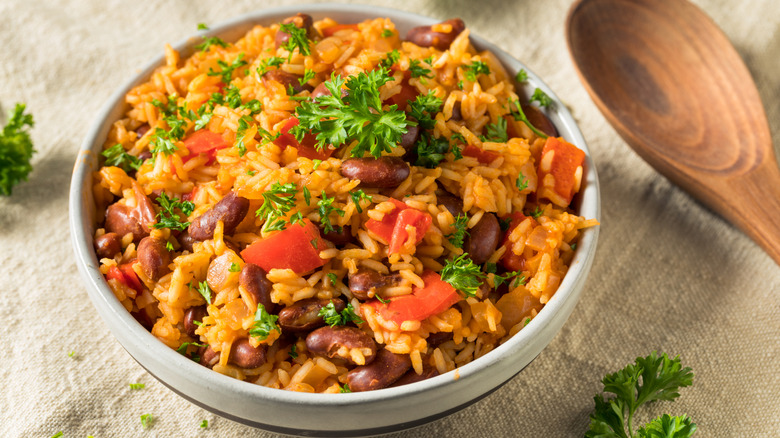
Rice and beans is one of those dishes that carries its own special significance in many different cultures. It's nourishing, the ingredients are plentiful, and it's a blank canvas for creative seasoning. Chef Lawrence Weeks says, "A big pot of beans with salt pork or smoked sausage can feed the masses as well as nourish a small household without a big cost association."
While the dish may sound simple enough, it takes a lot of other ingredients besides red beans and rice to give it its signature Louisiana-style bold flavor. The holy trinity (onions, bell peppers, and celery), garlic, Cajun or Creole seasoning, a medley of spices and herbs, and some sort of cured pork are musts in most recipes.
Just like the flavor, the history of this dish is significant. Rice was a major cash crop of the Lowcountry and brought in a lot of money in exports — but cultivating it in a terrain unfamiliar to many Europeans proposed a host of problems. Weeks says, "For a region that is marsh, bayou, wetlands, and very hot, there were only specific people in the world who knew how to grow crops under those conditions." These people, of course, were not the ones keeping the profits of the crops they worked so hard to cultivate. Paul Whitten says, "Planters bought enslaved people specifically from the Rice Coast of West Africa, Senegambia, and Sierra Leone for their expertise."
3. Cornbread
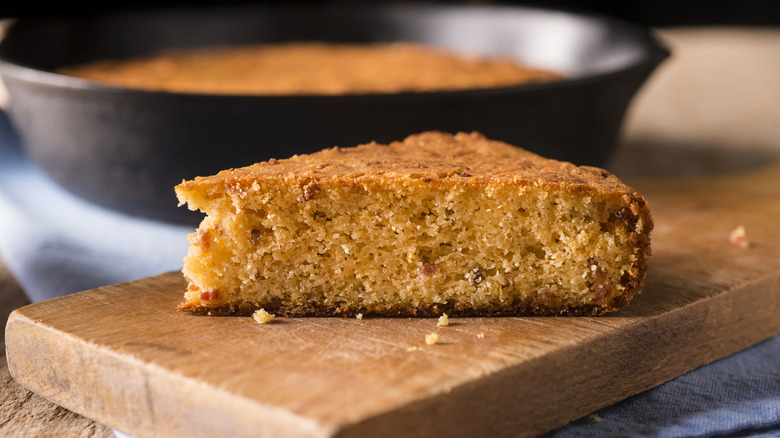
Long before wheat was brought to North America, corn was the starch of choice. Native to Southern Mexico, it has played a critical role in the survival and sustenance of countless generations of people. In terms of Southern food, there are many dishes that corn is central to, but perhaps none is more iconic than cornbread.
Just like wheat bread, cornbread takes on many different forms: There's the classic cast-iron skillet cornbread, hot water cornbread, hoecakes, and corn pone — even hush puppies are made with a cornmeal-based dough. Ebony Robinson says, "Many Southern classics were born from necessity. Cornbread became a staple, especially in African American households, because corn grew well throughout the South and was inexpensive to produce."
Like every Southern dish, cornbread would not exist without the co-mingling of cultures. Weeks adds, "[Skillet cornbread] is the intersection of Indigenous American cooking mixed with West African corn mush, and all of its versions show glimpses of tradition." While affordable and easy to make, these recipes are more than just sustenance. For centuries, their smells and flavors have brought human beings together around stoves and dinner tables to learn and share. Weeks says, "I equate [hot water cornbread] to home, and my mother carries on the tradition, teaching all of her friends and family who want to learn."
4. She-crab soup
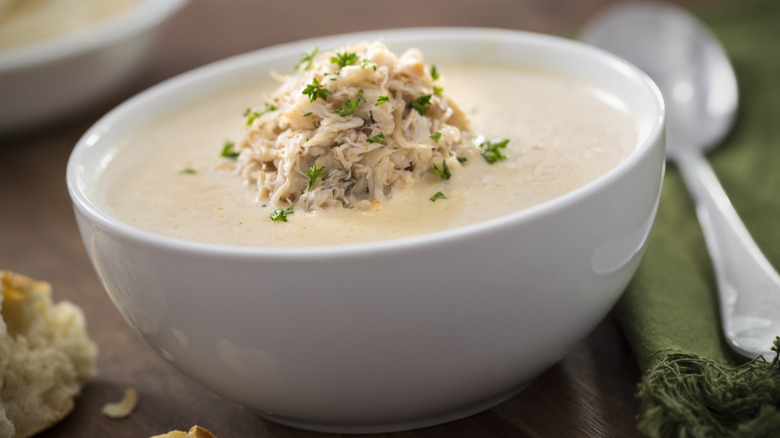
She-crab soup is a distinctly Charleston, South Carolina, favorite, and for chef Andy McLeod it's a daily staple. He says that the soup is "built around something that was readily available to people living on the coast. ... crab meat and crab roe, which gives it a depth and richness that you don't get from crab meat alone."
Besides the crab roe making it unique, the soup can be likened to a silky crab bisque; it's thickened with a roux (the base for many creamy, delicious things), sweetened with dry sherry, and seasoned with lemon juice and a lovely balance of spices and herbs. Whitten wants to make sure the credit for this legendary dish is given to chef who made it — William Deas, who was the butler and cook for the 50th mayor of Charleston. "The cooking came from a Black chef whose name most people ordering the soup have never heard. That is the pattern in Southern food about every single time."
The unique name of this dish, she-crab, refers very specifically to the female crabs and their eggs (or roe) that are used to prepare it. But this has created a conservation problem in Charleston, where eating the eggs means less adult crabs down the line. Whitten adds, "Most of what gets sold as she-crab soup today has no roe in it. ... If it comes out pale, you are eating crab soup."
5. Sweet tea

The vision of sipping sweet tea on a sunny porch is quintessentially Southern. The drink may have been introduced to the rest of the nation at the St. Louis World Fair in 1904, but the tea it's made with was first planted in South Carolina and Georgia, and the sugar to sweeten it came from Louisiana.
It's a drink that was common in the South long before every fast food chain added it to the menu — but it wasn't for just anybody. Whitten says, "Imported tea, refined sugar, and ice were all expensive ... Sweet tea was a flex. It was what you served company to show you could afford it." It wasn't until the early 20th century that refrigeration became more common and the average person could enjoy sweet tea as an everyday comfort.
The drink may be simple, but as with many beloved recipes, everyone wants theirs prepared just so. McLeod says, "Everybody has an opinion about how sweet it should be, how strong it should be, and whether lemon belongs in it." But for him, it's really about how tied the drink is to daily life in the South. "To me, sweet tea is less about the recipe and more about the ritual. My grandmother always serves hers in a Styrofoam cup.
6. Brunswick stew
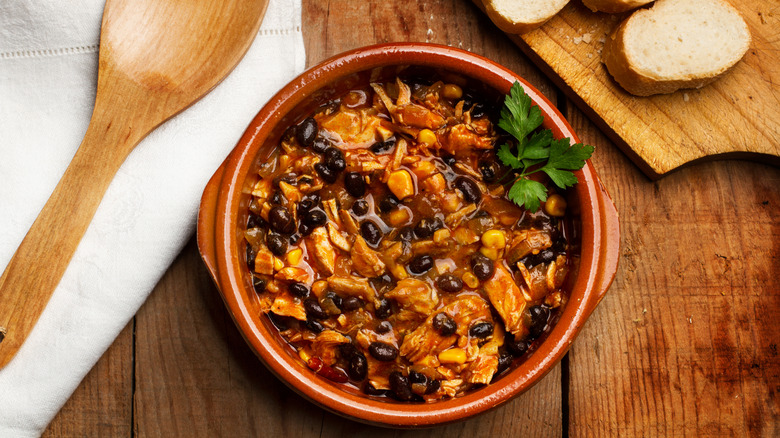
Brunswick stew isn't a dish you find too often on menus in the North. If your parents fed you this stew, you probably grew up in the South. Featuring a tomato base, lima beans, loads of vegetables, potatoes (an essential ingredient for stew), and your choice of shredded meat, this dish has all the ingredients true to a traditional stew but with a bit of Southern flare.
Pulled pork or shredded chicken may be more preferable protein choices now, but this stew was often made with small game meat like squirrels or rabbits back in the day. Weeks says, "Brunswick stew probably came from campground eating. Whatever you caught or hunted got thrown in a stew and simmered until tender."
This theory is further fortified by the stews' legend of origin — that it was created by a hunting camp cook in Brunswick County, Virginia, with fresh-caught squirrels. Whitten says, "The man actually standing over the pot was Jimmy Matthews, an enslaved cook working for Dr. Creed Haskins."
7. Hoppin' John
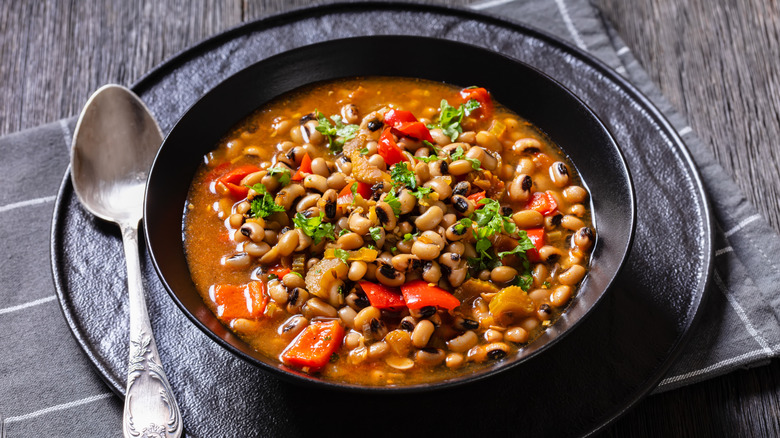
The origins of the name Hoppin' John are rooted in legend, but the meal behind it is steeped in tradition. This dish may appear simple to the eye but tastes far more complex than it looks. Smoked meat, simmered vegetables, and spices are the base for black-eyed peas and rice. Robinson says, "Hoppin' John is one of the most traditional Southern dishes, especially on New Year's Day to bring good fortune for the year ahead."
Black-eyed peas were domesticated in West Africa, and as European settlers already relied on the expertise of the enslaved people brought over from this region to grow rice, they became another staple Carolina crop. McLeod says, "Hoppin' John is one of the dishes that really shows how much African and West African influence is woven into Lowcountry cooking."
While the name black-eyed peas, and the fact that the dish is also referred to as Carolina peas and rice may confuse you, black-eyed peas are, in fact, a bean. A great source of protein, fiber, and polyphenols, there's no evidence to back up the claim that they bring good luck when eaten on New Year's Day, but they certainly do bring good nutrition in a tasty package.
8. Gumbo
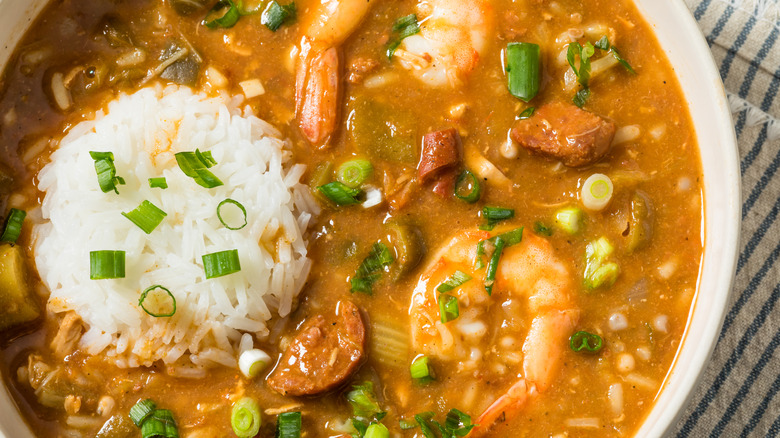
You'll find gumbo on just about every restaurant's menu in Louisiana. It's thick with spices, has an enticingly meaty sauce from the use of concentrated broth, and is loaded with hearty varieties of vegetables and proteins.
The dish as we know it is a result of the melting pot that is Louisiana, but at its core it is distinctly West African. While okra is not used in every version of gumbo now, the name suggests that this plant (which is native to Africa) was the most important ingredient to the stew. Weeks says, "Gumbo or gombo translates to okra in West African countries. Okra stew is a dish made in many [of these] countries, and the version we know today includes a roux from French influence and often filé powder, which comes from the local tribes of South Louisiana."
Three different cultures converge to make this dish, which is perhaps one reason why there is so much variation to it. Creole seafood gumbo recipes are loaded with shellfish, fish, and okra, while others lean into smoked sausages and chicken. The aforementioned filé powder, which is made of dried and ground sassafras leaves, is considered an essential ingredient by some to achieve the proper flavor profile, but many recipes still leave it out. As for Weeks, he likes to appreciate the variety, and says, "In my opinion, you can't go wrong with any style."
9. Southern fried fish
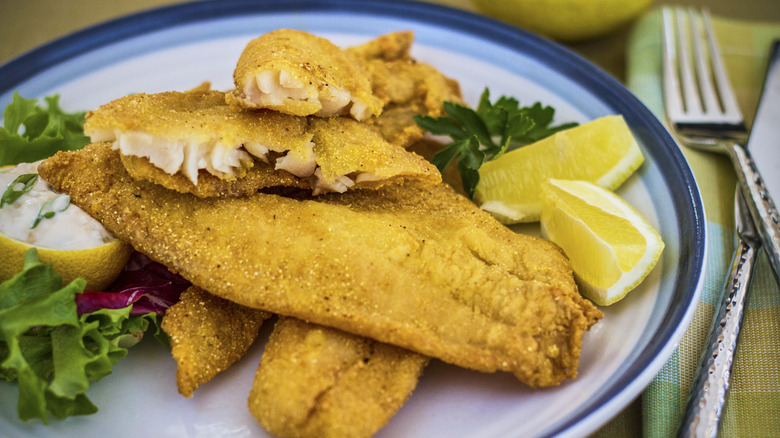
Many different cultures have some version of fried fish, but the Southern version is truly unique. It's not beer-battered like British fish and chips, but simply dry-dredged in cornmeal. Robinson says of the dish, "Fresh fish from local rivers, a simple cornmeal coating, and a cast-iron skillet are all it takes to create a meal that can be enjoyed by all." Historically, given that cornmeal was cheap and abundant, it was often given to enslaved people as a daily food ration. The humble ingredient has since transformed fish fries into a ritual that's beloved around the entirety of the South and beyond.
The recipe is unique, but the tradition surrounding the dish is even more significant. For Robinson, the fish fry is exemplative of the history of Southern food. "Fried fish tells the story of the South because it isn't just about the recipe. It's about gathering around the table, making the most of local ingredients, and passing traditions from one generation to the next."
10. Collard greens
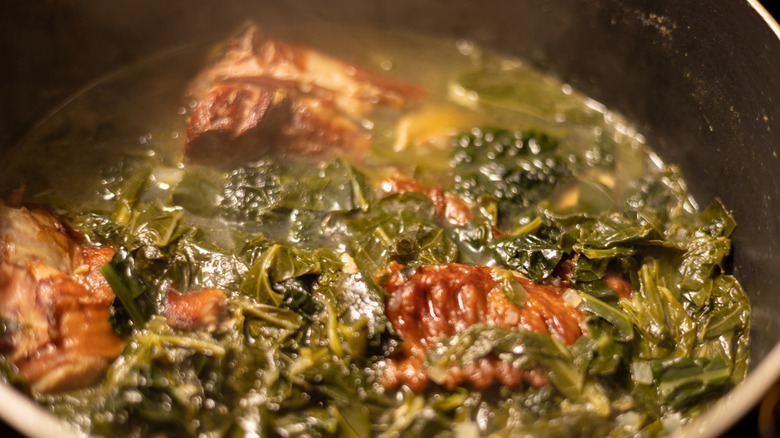
Collard greens are the side that started as Southern but are just too good for the rest of the country to ignore. They're an essential addition to any Southern platter and make eating greens feel like a luxurious experience. Robinson says, "Unlike most vegetable dishes, these greens take at least three hours to cook on the stovetop, starting with a smoked piece of meat to build the broth."
The history of collard greens is a familiar one. The items unwanted by enslavers were passed along as food rations, in this case, ham hocks (a joint in the pig's lower leg that is more meat than bone) and the green leafy tops of vegetables like turnips. These items were then ingeniously used to create something delicious and nutritious: a slow-cooked pot of greens that, once all the solids had been eaten, also yielded the flavorful broth left behind called potlikker.
The tradition of cooking greens as a side dish is prevalent all across Africa – it's using the smoked meat in the braise that's unique to the American South. Robinson adds, "There are only seven ingredients to make the most amazing pot of collard greens, but it's the time and Southern technique of layering flavors that make this dish shine."
11. Chess pie
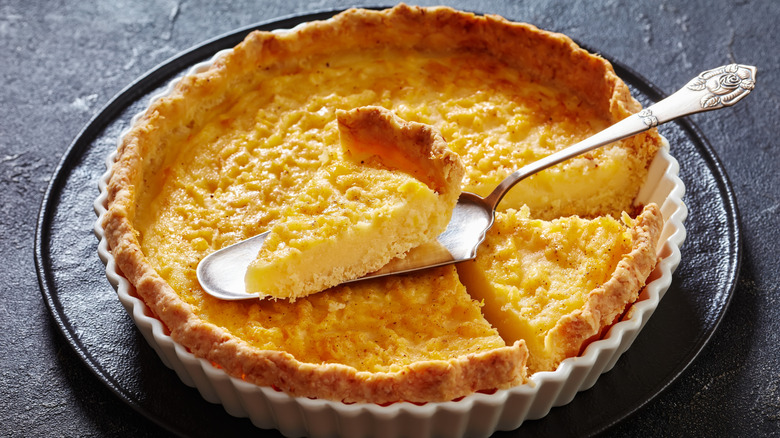
While there are countless desserts in the world that flaunt abundance, Chess pie is the dessert to make when you only have a few pantry items to use. Whitten says, "Chess pie is the most Southern pie there is, because it is the pie you make when there is nothing in the house."
So what is a Chess pie, and what does it taste like? The pie (which is also called buttermilk pie) is made with a custard of eggs, sugar, butter, buttermilk, cornmeal, and sometimes, a splash of vinegar. This custard is baked into a pie crust and left to cool until it's set. Whitten adds, "The cornmeal soaks up moisture and gives it that grainy set on top. The vinegar keeps all that sugar from being unbearable." Its ingredients are simple, and given that it's made with common household items, the recipes tend to fluctuate. McLeod notes, "... everyone has their own version and swears theirs is the right one."
The name, Chess pie, is the most common name for this buttermilk-based dessert that has many different variations. "Chess pie has cousins all over the South under other names," says Whitten. "Vinegar pie, transparent pie, buttermilk pie, Jeff Davis pie. [It's the] same idea every time. Somebody wanted dessert and had almost nothing to make it with."
12. Biscuits and gravy
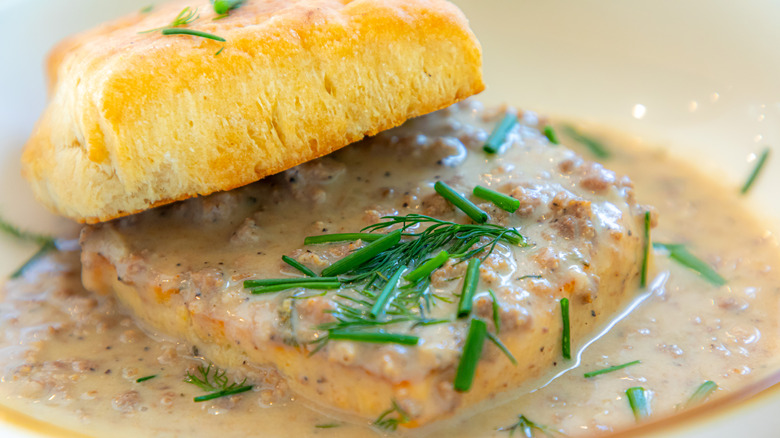
Southern food, in the minds of many Americans, makes one think of meals that will have you tipping back in your chair and loosening your belt by one notch. It makes sense — these dishes were designed to fuel long, grueling days of work with enough calories to match, and biscuits and gravy did just that.
While the biscuits you're chowing down on at your favorite diner are (hopefully) flaky and layered with butter, this is not the same biscuit Southerners were choking down back in the day. McLeod says, "Biscuits and gravy really sum up what Southern food is all about — cheap and made from things readily available to most," which is why the biscuits in the 1800s were made from just flour and water. The dough had to be beaten and folded for long periods of time, work that was left to enslaved cooks.
The water-and-flour biscuit was much more hard and crisp than the soft, fluffy versions we're used to now, so having a sauce to moisten them was ideal. Plus, gravies made from the fond (residue leftover in pans used to cook meat) were relatively simple and affordable to prepare.
13. Peach cobbler
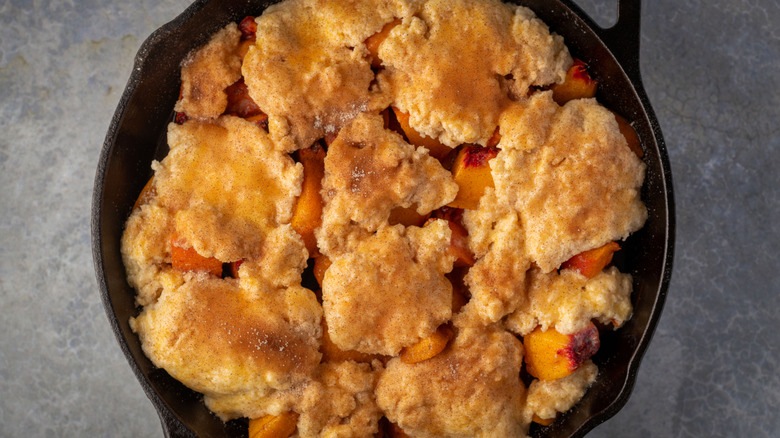
Yet another story of turning simple ingredients into something spectacular, peach cobbler is the knock-off pie that became its own thing. European settlers brought recipes for fruit pies, but ovens were less accessible in early America, and much of the baking had to be done over an open hearth. Deep pots were filled with sliced peaches and baking spices, pieces of biscuit dough were placed over top, and voilà — a new Southern classic was born.
Peach cobbler is a testament to the resourcefulness of chefs at the time, and shows how dishes are often born out of the need to adapt. McLeod says, "When you have more peaches than you can eat fresh, you find ways to turn them into something that can feed a crowd."
The history of the dish is, of course, contested, as the first recipe was published in a cookbook titled "The Kentucky Housewife" in 1839 by Lettice Bryant. Whitten weighs in on this, saying, "The people in the big house ate whatever that [enslaved] cook decided to make, and then described it as their own family tradition. Those recipes moved by memory and by hand, not by paper, which is exactly why the paper trail credits somebody else."