

Hydroponic Lettuce Vs Regular Lettuce: What's The Difference?
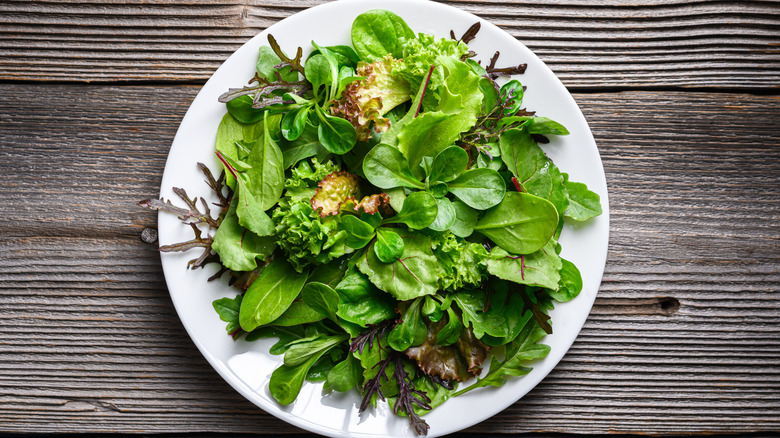
Lettuce is perhaps one of the most versatile vegetables out there. Many different types of lettuce fulfill supporting yet crucial culinary roles, from salad bases to sandwich toppings and so much more. In the 21st century, we not only have to contend with lettuce varieties, but also different growing environments. Modern technology enables the development of hydroponic lettuce, which is a wholly different experience than field-grown because it is grown in water.
Field lettuce and hydroponic lettuce both need water to grow, but despite the latter's name, hydroponic lettuce actually uses far less of this precious resource than its field-planted companion. Hydroponic lettuce enjoys a series of other benefits thanks to a far more controlled growing environment. Its ability to be grown indoors gives hydroponic lettuce an edge in food safety, environmental impact, and, arguably, flavor.
The many perks of hydroponic lettuce can leave a curious consumer wondering why anyone sticks with the old, dirt-grown stuff — but thousands of years of agricultural inertia is not the only reason field lettuce is a classic. Flavor is subjective, and field lettuce has an earthy quality that hydroponic plants just can't emulate. And, for the many cost-conscious consumers out there, field lettuce tends to be more affordable than hydroponic varieties.
Hydroponic lettuce can adapt to our modern world
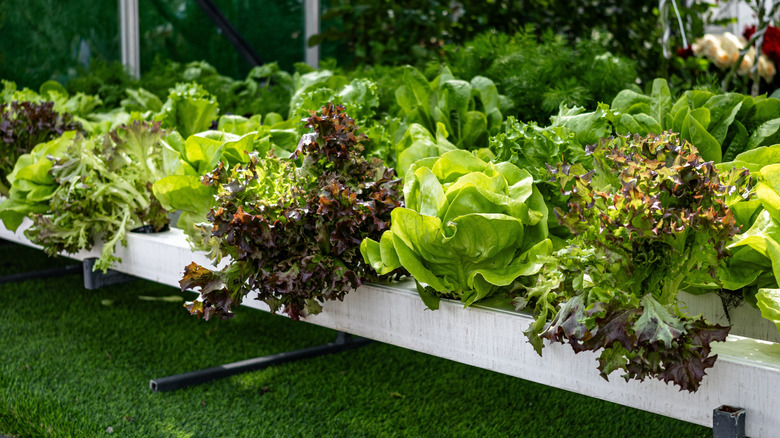
If you've ever eaten hydroponic lettuce, it may have seemed like the ideal leafy green. It tastes light and crisp, firm yet appropriately watery with just a hint of sweetness. This cleanliness of flavor is made possible by its water-based growth, which omits the earthiness of growing in soil. Commercially speaking, butterhead varieties such as Boston and Bibb are among the most common hydroponic lettuces available.
The divergence in flavor can be attributed to the growing environments of hydroponic and field lettuce being different worlds. Hydroponic lettuce is grown indoors in climate-controlled environments that resemble a cross between a farm and a science lab. The plants feed on enriched water that completely omits the need for soil and traditional fertilizers. This also reasonably eliminates the possibility of fecal contamination, meaning hydroponically-grown lettuce is not one of the foods to avoid during the cyclosporiasis outbreak that shook the lettuce industry in the summer of 2026.
Flavor and food safety aren't the only things to take into account. Hydroponic lettuce is typically more expensive than field lettuce at the grocery store, but hydroponics make indoor vegetable gardens easy, so why not grow your own? Once you're past the startup costs, it's more affordable than any store-bought option.
Field-grown lettuce is rooted in agricultural tradition
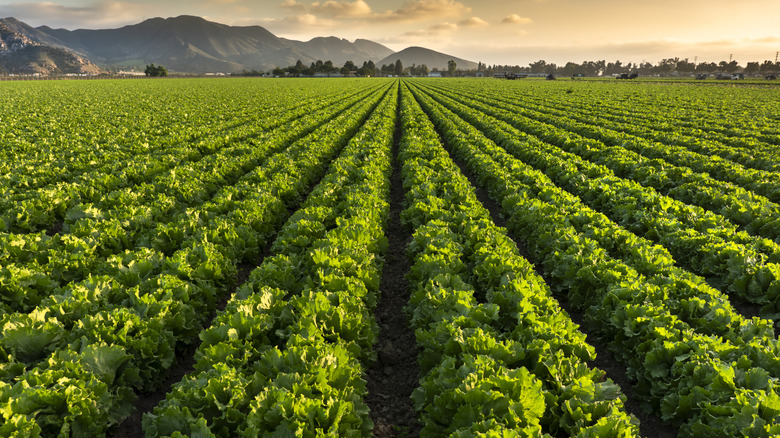
Lettuce came to humanity from the fields, and it remains the most common way this vegetable is grown. It wasn't always so naturally edible, though, as the long and winding origin of wedge salad shows. This leafy green's thorny predecessor didn't resemble anything in the present day until ancient Egyptians cultivated a variety similar to romaine lettuce. While it's unknown whether or not they actually ate it, the Greeks and Romans who adopted the plant did.
Field-grown lettuce retains the slightly bitter earthiness that many expect, and may even be required to make the flavors of some salads work. Grown and processed properly, it can be crisp and light, though it's unlikely to be as delightfully crunchy as hydroponic leaves.
The longer supply chain of field lettuce has some drawbacks, including more opportunities for contamination and, because of the longer time from harvest, a shorter shelf life. That said, growing lettuce more-or-less the same way it's been done for thousands of years is also less expensive for producers. Even as hydroponic technology becomes more common, the classically grown version remains cheaper, and thus the preferred choice for many businesses and consumers.