

14 French Desserts Everyone Should Try At Least Once
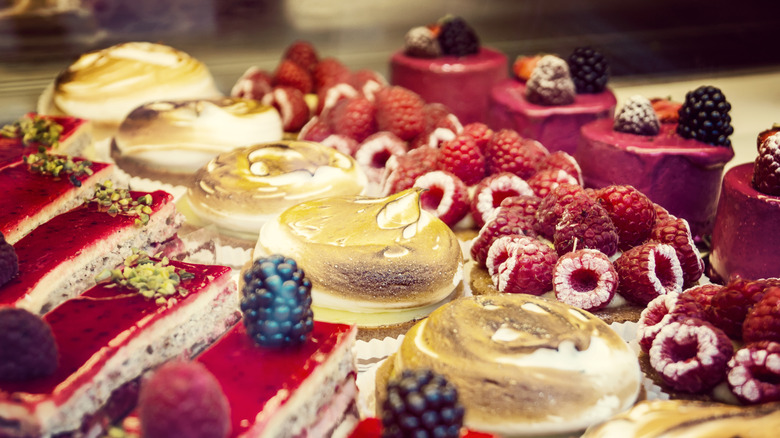
French food is so revered that many of its dishes need no introduction. From the countless French pastries that everyone should try to sauces, soups, and entrées served in restaurants around the world, it's a cuisine that chefs strive to learn and connoisseurs devour. But while the pastries are easy to find (most bakeries these days will have some form of a croissant) the actual desserts can be more elusive.
We've interviewed three pastry chefs to discover their favorite French desserts, the ones they sweated over in school, the ones they always order when dining out, and the ones they think everyone should try: Eleazar Villanueva, executive chef of Joël Robuchon at MGM Grand Resort & Casino in Las Vegas; Cathy Asapahu, co-owner of Ayara Thai and Pinch and Punch; and Caroline Corrente, classically trained pastry chef and owner of Haymaker Bun Co. in Vermont.
These talented chefs have spent years perfecting the art of French pastry and dessert, and are thrilled to invite you into their world. Corrente says, "What makes French pastry so extraordinary is the respect for ingredients, culture, and tradition ... My hope is that this tradition continues to transcend trends, budget pressures, and the ever-changing food landscape." Some of these desserts are uncomplicated and easy to create at home, while others are incredibly elaborate and are best sought out in the highest-level restaurants. One thing's for sure: All of them are worth trying.
1. Gâteau Basque
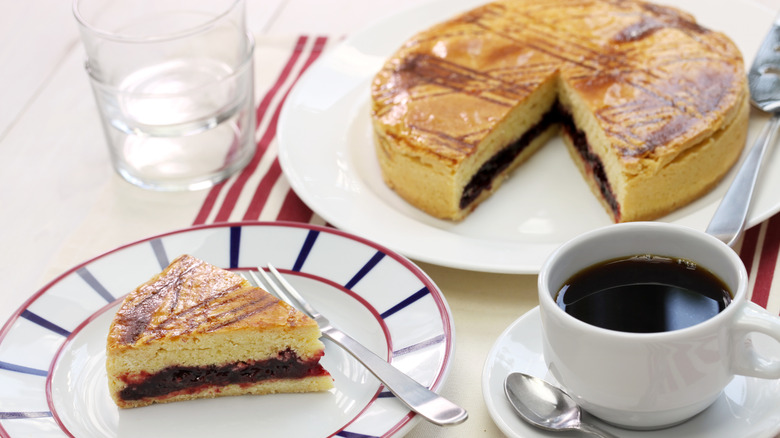
The Basque region sits on the border of Spain and France. It has a distinct culture compared to the two countries, which is evidenced by some of the region's signature dishes, like burnt-topped Basque cheesecake, but the three Basque provinces in southwest France still contribute to the list of notable French desserts, including with the famed gâteau Basque.
This gâteau (which means cake in French) consists of a cherry jam flavored with rum and brandy and spread onto a golden-brown cake with an eggy pastry cream. The dough (which is much thinner than what an American might expect from a cake) is flavored with vanilla, chopped almonds, or lemon zest, depending on the chef.
For chef Caroline Corrente, gâteau Basque is a must-try. "It's my favorite French dessert. The cherry and pastry cream perfectly balance the rich pastry crust. You can taste each distinct flavor, yet they meld together so beautifully," she says.
2. Vacherin
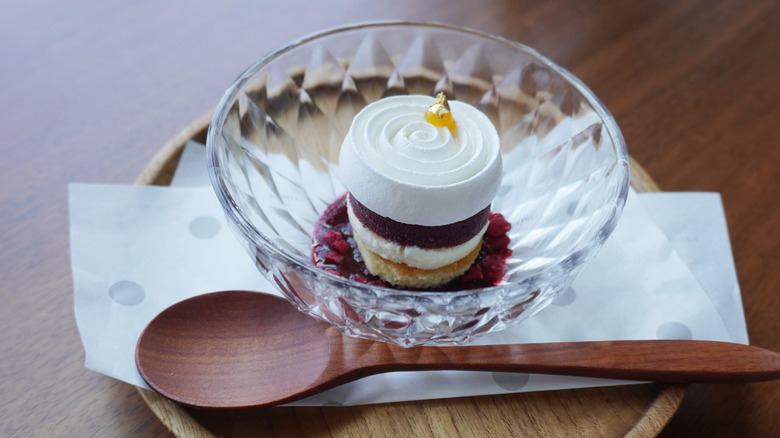
If you're looking for a dessert that's naturally gluten-free yet still has the dramatic presentation of any other cake, the vacherin is a perfect choice. Similar to a Russian pavlova, the vintage dessert named after a ballerina, the vacherin is typically made as a full-sized cake with layers of baked meringue, ice cream, whipped cream, and macerated or fresh fruits. Once you slice into this elegant creation, you'll find the layers really shine.
This dish has roots in Switzerland, where it was made with almond paste rather than meringue, but French chefs took a fancy to it in the late 19th century and began to make their own French versions. Nowadays, the vacherin is being revisited and reinvented by pastry chefs in esteemed establishments, and chef Eleazar Villanueva thinks that this French dessert is one that will live on for years to come. "[It's] a stunning dessert that has the timeless quality needed to endure for generations." Just like the American baked Alaska, the vacherin is easy to make at home with its simple ingredients, but can still astound when crafted by a skilled chef.
3. Tarte tatin
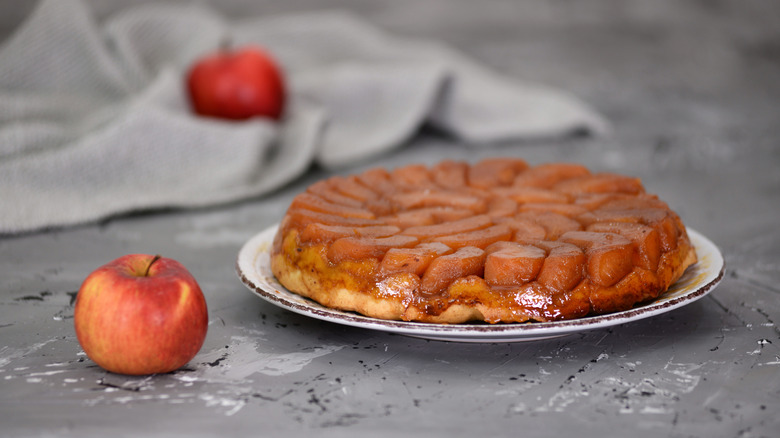
The tarte tatin is made with essentially the same ingredients as an American apple pie, yet the final presentation is much more stunning. For chef Cathy Asapahu, this is an easy choice for a French dessert that everyone should try. "It's a classic, always a crowd-pleaser, and so impressive," she says.
This is a fantastic recipe to have in your arsenal for family gatherings, holidays, and get-togethers. The upside-down presentation of the fruit makes it visually appealing, and it's no more complicated than a fruit pie. Eleazar Villanueva recommends that novice pastry chefs try this French recipe at home. "I highly recommend starting with a tarte tatin. [It's] incredibly rewarding and [allows] you to practice foundational pastry skills like dough-making and fruit preparation."
The apples are macerated in sugar and lemon juice before being cooked into homemade caramel, covered with pastry dough, and baked. Once the pastry is cooked to golden-brown perfection, the whole pan is flipped upside down to reveal the gorgeous pattern of caramel-coated fruit. Caroline Corrente says, "The apples are the star, and the crust is perfectly flaky without overshadowing the fruit."
4. Tarte Tropézienne
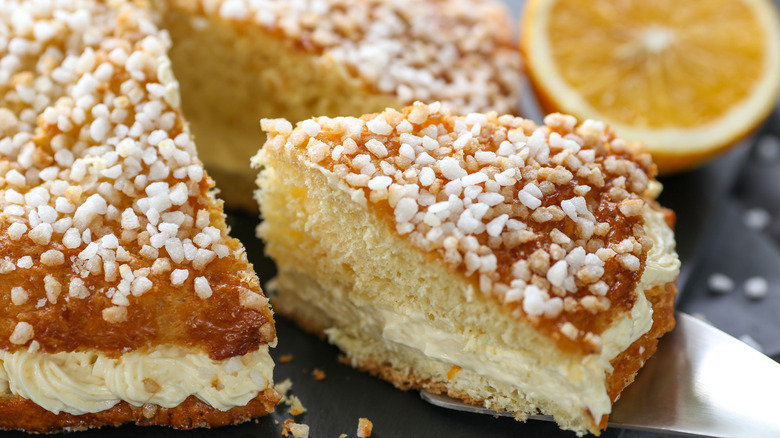
This tart may not look quite like the fruit-studded dishes one may typically picture when thinking of a tart, but its flavor is sure to make your mouth water. Rather than a base of pastry dough, this dish consists of a round loaf of rich, buttery, and eggy brioche that's sliced in half crosswise and filled with a gloriously fluffy combination of pastry and buttercream. For a dramatic finish, the top is studded with round balls of pearl sugar.
While indulgent in description, it's the history of this dessert that really makes it special for Cathy Asapahu. "The brioche-based dessert was actually created by a Polish immigrant who moved to Saint Tropez after World War II and was made popular after Brigitte Bardot visited his shop while filming a movie there. Its story encapsulates European history, the melting pot that is France, and a sprinkle of glamor — how very French, [no]?"
5. Soufflé
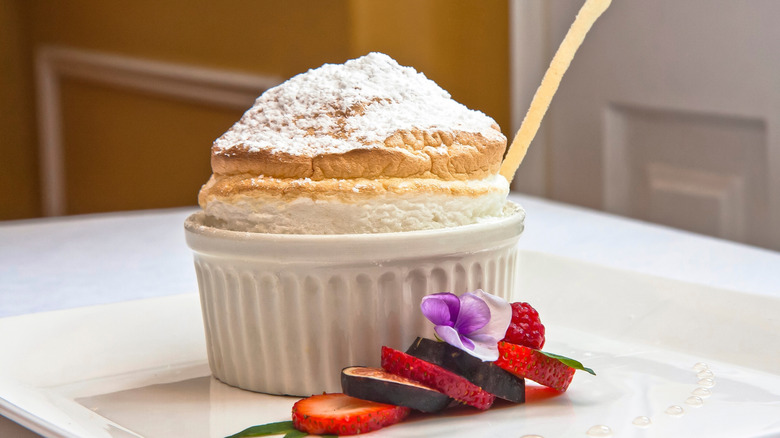
There aren't many desserts out there with the same reputation as a soufflé. The soufflé, which is known for being finicky and daunting yet elegant and exquisite when executed properly, is made by whipping egg whites to the perfect soft peaks and carefully folding in flavorings like chocolate or cheese sauce. It's a hands-down classic that everyone needs to try, and maybe more than once for this one.
It may comfort you to know that even pastry chefs in esteemed restaurants are equally as nervous about putting soufflés on their restaurant menu as you might be when making them at home. The concoction relies on the perfect balance of air whipped into egg whites, temperature of the oven, and many other factors to ensure that each small dish achieves the perfect rise and fragile crust at the top. If one thing goes wrong, diners will be left waiting long periods of time for a remake. "It forces you to double-check everything — from the freshness of your eggs to the ambient temperature and humidity in the kitchen," says Eleazar Villanueva.
For Villanueva, the soufflé is the French dessert that taught him the most about pastry when he was just beginning to learn. "Something so simple with so few ingredients has an incredible number of variables that can affect the outcome. It demands absolute patience and teaches you the vital importance of mise en place."
6. Gâteau au yaourt
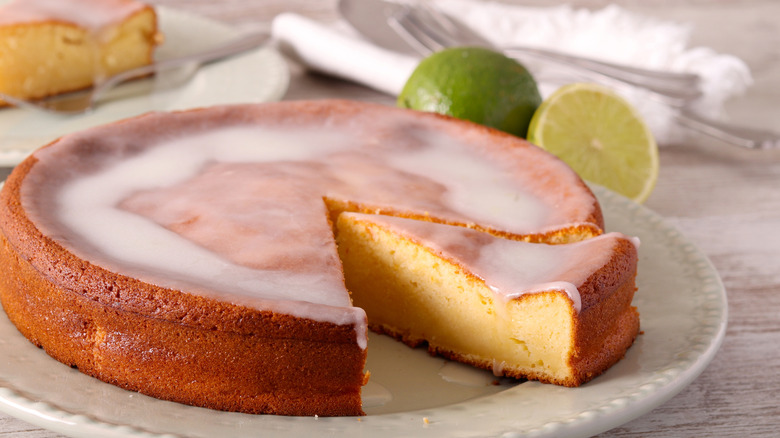
When it comes to making French desserts at home, Caroline Corrente has some words of wisdom: "I think starting simple is the best approach so you don't feel overwhelmed or defeated." The world of French pastry is complex and takes years to master. For more complicated recipes (like croissants), having access to professional-level equipment is oftentimes the key to success. But that doesn't mean you shouldn't try, and gâteau au yaourt (or yogurt cake) may be the perfect starting place for young ones (or adults who just want an easy treat).
Corrente says, "It's the first cake many French children learn to make because you use the yogurt container to measure all of the ingredients. It's such a fun, interactive way to introduce kids to baking." Gâteau au yaourt, which is usually baked in a loaf or round cake pan, is a moist cake made with flour, yogurt, eggs, sugar and oil and brightened with citrus zest and vanilla.
7. Île Flottante
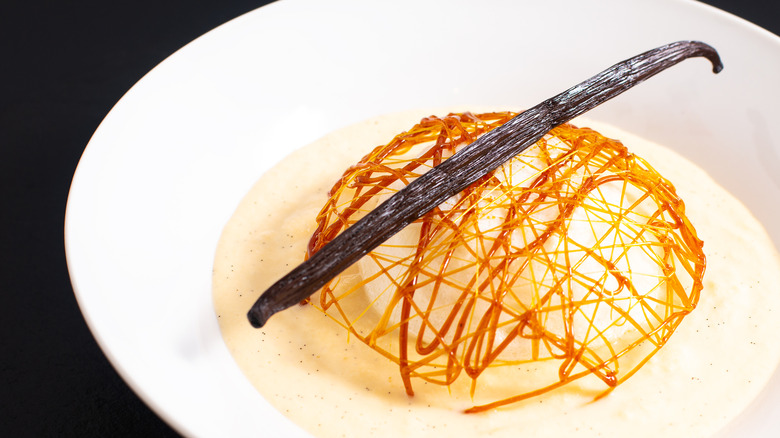
For Cathy Asapahu, there is one French dessert that really stands out. Île flottante may not be very common or well-known, but for her, it's an old-school classic that deserves more recognition, and a French dessert that she believes everyone needs to try. "It is such a wild and uniquely French dessert. If I see it on a menu, I have to order it."
The name of the dish translates to "floating island," and when you see the presentation, you'll understand why. A fluffy cube, circle, or dollop of poached French meringue rests atop a sea of crème anglaise, a milky, rich, pourable custard. The dish is traditionally garnished with a drizzle of caramel sauce, but as with any dessert, creative freedom is encouraged, and many modern variations include rose water, fruit, or nut flavorings instead. Asapahu says, "It's delicate, light, very retro, and hard to find!" If you come across this one on a menu, it's one you'll have to try.
8. Chocolate bonbons
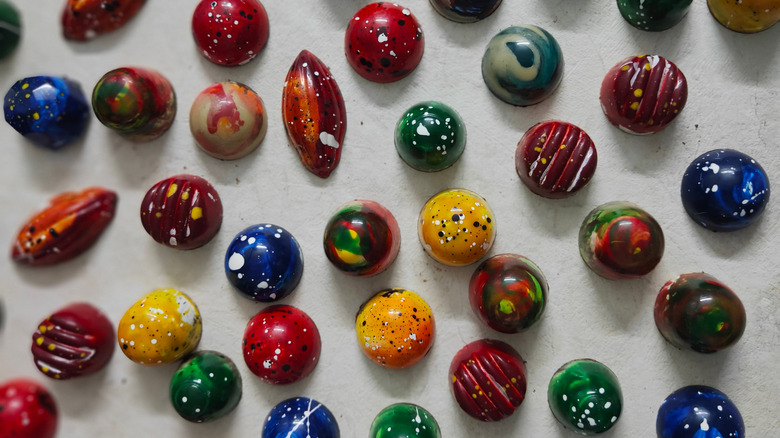
You may not need a fork and knife for this dessert, but sometimes the best things come in the smallest sizes. This fan-favorite finger food is one that requires a lot of technical precision to execute. "[Chocolate bonbons] are so visually impressive, can be the medium for so many flavor combinations and textures, and they make great gifts," says Cathy Asapahu. She makes her own Thai-inspired chocolate bonbons at her restaurant every year.
Half of the fun with a bonbon (outside of eating them) is the creativity of the design. While generally the same shape, they come in many different bright colors, designs, and flavors. Historically, chocolate bonbons started as a special candy that royalty enjoyed, but over time, as the ingredients became more accessible, people of all classes began exchanging them for holidays and special occasions. Now, you can enjoy chocolate bonbons as an end-of-meal treat in some restaurants or in chocolate shops around the world.
9. La Gâteau Saint-Honoré
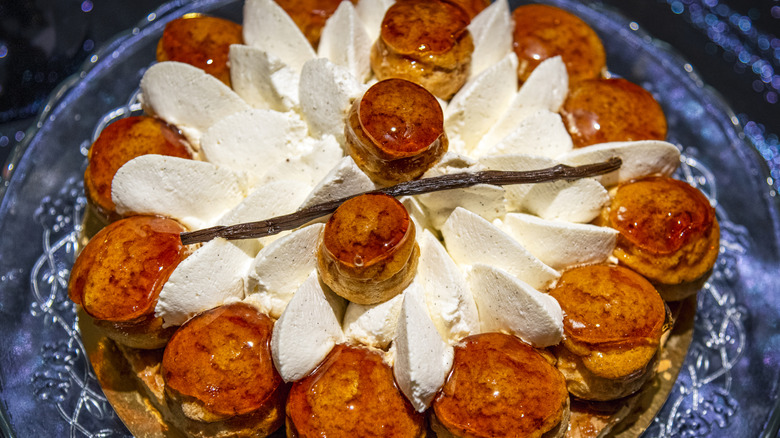
This cake is so spectacular that it's named after Saint Honoré, the patron saint of bakers and pastry chefs. With a namesake like that, it shouldn't come as a surprise that this French dessert is both delicious and quite difficult to make. Eleazar Villanueva put it on his list of French desserts you may want to try in a restaurant before attempting to create one at home. "The margin for error is razor-thin: Le Gâteau Saint-Honoré [is] a complex showstopper featuring a puff pastry base, a ring of caramelized choux puffs, and delicate chiboust or crème légère.
The dough, pâte à choux, can be complex on its own as it requires cooking the dough in a saucepan before beating in egg yolks and piping out puffs to bake in the oven. Then you have the crème chiboust, which gets its silky, airy texture from a mixture of pastry cream and Italian meringue (one of the more difficult meringues to master). It's also sometimes stabilized with gelatin. As if this wasn't tricky enough, the choux buns are either dipped in caramel or the whole cake is drizzled with gorgeous, spiderweb-thin strands of the sauce, which harden into delicate pieces. Showstopper indeed.
10. Canelés
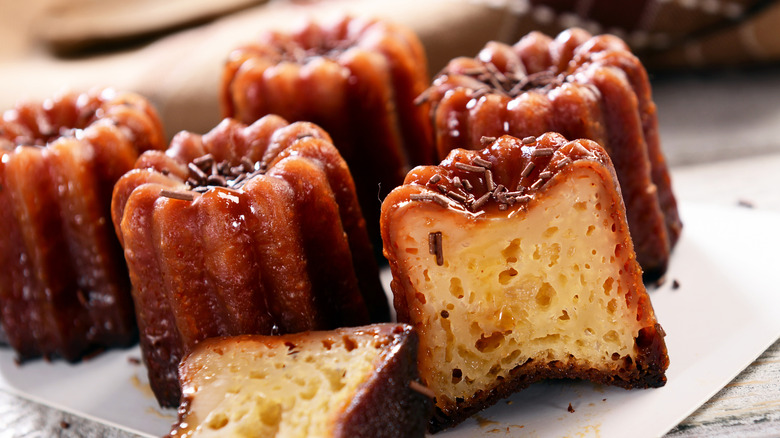
A canelé is almost poetically delicious. They're small, unfrosted, and unadorned, yet each bite will invoke magical levels of flavor and delight. Caroline Corrente says it's one of her favorite finger-food French desserts. "A perfect canelé is a thing of wonder. I love desserts where the sugar is deeply caramelized on the outside while the interior stays light, tender, and almost custardy."
While small and innocent in appearance, canelés do require some patience and precise technique. The rum-laden batter must be made just right and stored in the fridge for two days prior to baking to ensure your canelés come out the perfect texture. The small copper molds they bake in must be evenly coated with the perfect amount of melted beeswax and clarified butter to achieve that glorious crusty exterior. The result, however, is well worth the effort. Eleazar Villanueva describes the result as featuring "a dark, thick caramelized crust on the outside that contrasts wonderfully with a rich, tender, custard-like center."
Canelés may just be the best pastry you've never had, as they're not as common on bakery menus. But knowing the amount of skill and special equipment (those copper molds are not cheap) that goes into making this masterpiece, it may just be worth the search to find a good one.
11. Galette de rois
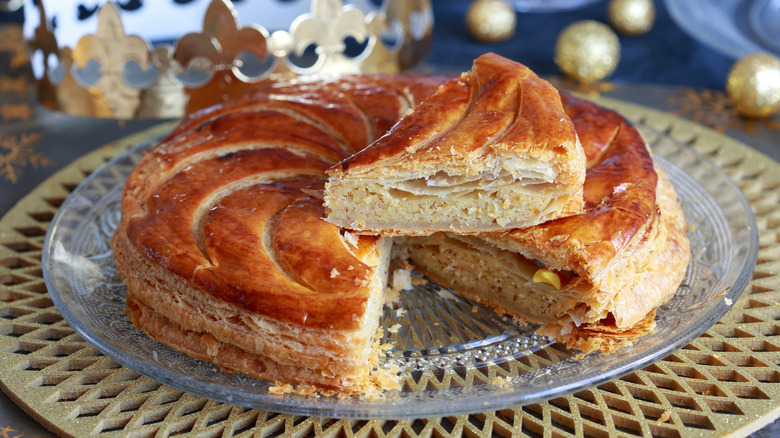
Galette de rois, or king cake, may not be a dessert you find on restaurant menus very often, as it's traditionally made to celebrate Epiphany on the Twelfth Night after Christmas. Eleazar Villanueva says, "It features layers of flaky, golden puff pastry that keep the almond frangipane filling incredibly moist. Traditionally, a small charm (la fève) is baked inside; the fortunate guest who finds it in their slice gets to wear a crown for the day."
The fact that it's only served on special occasions makes this dessert even more craveable (if the crispy dough and nutty filling weren't enough) but thankfully, it isn't overly difficult to make at home. Puff pastry can be purchased in the freezer section of many grocery stores, and frangipane, which is a more creamy filling than its almond-cousin marzipan, doesn't require a great deal of special equipment or refined technique to prepare.
12. Opera cake
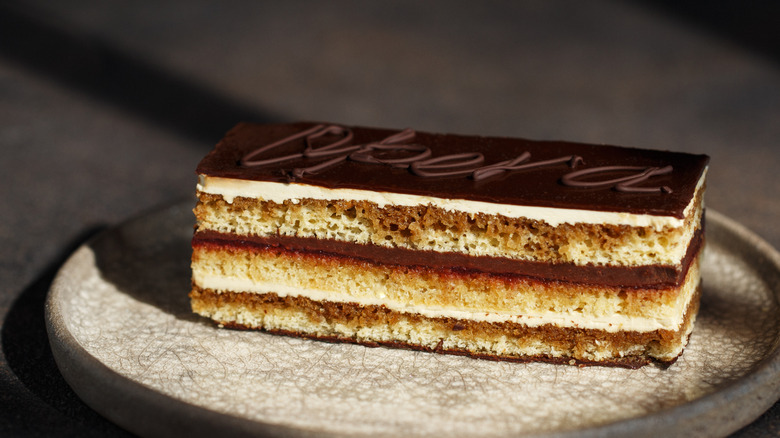
It's more than likely that you've heard of opera cake before, probably featured as an intimidating challenge on your favorite competition-baking show or maybe served in a French pâtisserie. This elaborate cake was allegedly first crafted in 1955 by French pastry chef Cyriaque Gavillon, and quickly became legendary for how well the flavors of all the different layers shine in unison. The cake is said to be named after its resemblance to the tiers of the Paris Opera House and is composed of three layers of almond sponge cake soaked in espresso syrup, separated by an even spread of coffee-flavored French buttercream frosting and alternating layers of chocolate ganache.
The flavor combination — chocolate, almond, and coffee — is a match made in heaven, and this dessert is one that delivers both on taste and appearance. Caroline Corrente says, "Opera cake is such a showstopper. I'll almost always choose taste over appearance, but opera cake is a rare dessert that's a 10 out of 10 on both."
13. Macarons
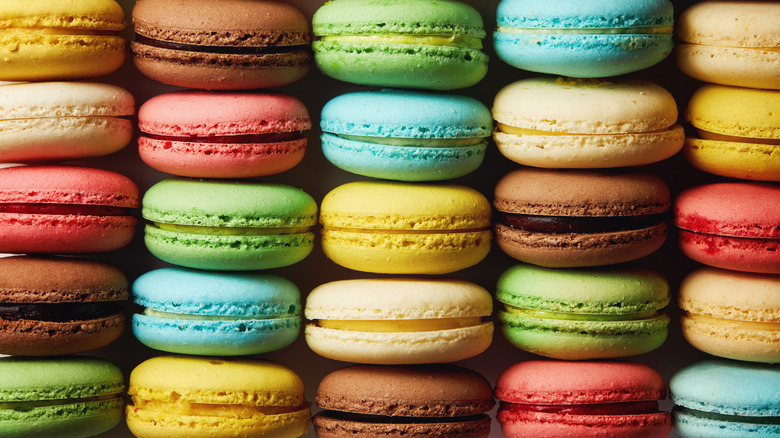
Macarons are not your average cookie. They're known for many things — like being colorful, bright, and quite expensive — and are also quite legendary for being difficult to make. Caroline Corrente says, "[Macarons have] become such an iconic symbol of French pastry and showcases the precision, technique, and elegance that define the craft.
While the ingredients vary greatly from, say, a chocolate chip cookie, both the benefit and difficulty of macarons lie in the flour they use as a base. "Because they are traditionally crafted using almond flour, egg whites, and sugar, [macarons] are naturally gluten-free and can easily be filled with dairy-free ganaches, jams, or curds," says Eleazar Villanueva.
For the French pastry-lover who longs to try many of these desserts but can't because of food allergies, macarons present a way to enjoy the skill and technique of French pastry without gluten or dairy. Finding a dairy-free option in a pastry shop may be more difficult, so if you try your hand at making these eye-catching cookies at home just be sure to avoid the most common mistakes when making macarons.
14. Religieuse
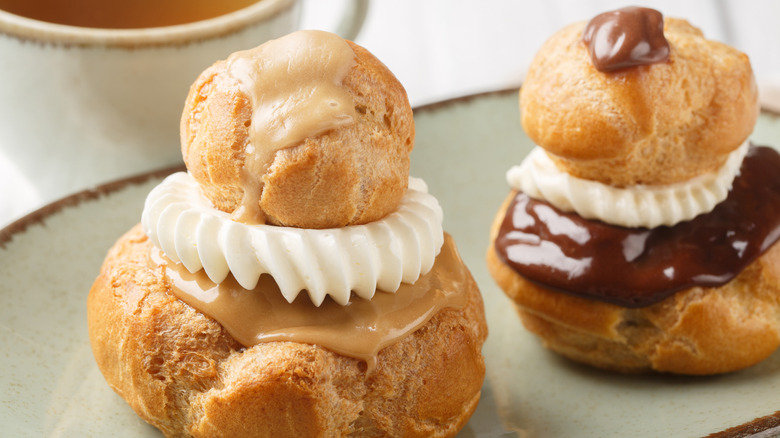
Though this dessert is smaller in stature, it is big in the world of French pastry. For Eleazar Villanueva, it is both one of the top French desserts he thinks everyone should try and one of his favorite finger-food treats. "This classic dessert consists of two light choux pastry cases, one larger and one smaller, each filled with a smooth, velvety custard (traditionally chocolate or coffee). The smaller pastry is stacked gracefully on top of the larger one, and they are joined together by a delicate piping of buttercream, creating a beautiful silhouette and a perfectly balanced, wholesome bite."
The name "religieuse" translates to "nun," or "woman belonging to a religious order," and perhaps the dessert was named this way because of its resemblance to a nun's black-and-white habit. The two puffs of pâte à choux may remind one of building a snowman and dressing it up, but for Villanueva, they take on an even greater meaning. "Choux pastry has defined the evolution of French patisserie ... It perfectly captures how a single, versatile dough can be transformed into endless expressions of culinary art."