

It's Clear Which Refrigerator Brands You Should Avoid, According To Customers
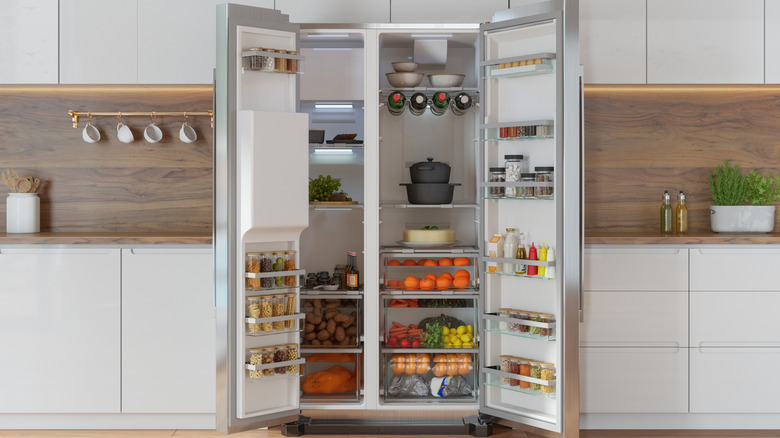
A refrigerator is an essential modern appliance, keeping your favorite foods cold and preserved. Many households don't stop at one; according to a Fridge.com data analysis, 37.4% of U.S. households have at least two working refrigerators, with an average of 1.47 per home. In 2026, the global refrigerator market is estimated at $82.33 billion, per Fortune Business Insights, meaning there's a lot of iceboxes storing everything from veggies to leftovers.
To that end, there are a lot of refrigerator brands out there. Like with any important purchase, from a car to a mattress, you should be smart about which fridge brand you invest in. The average refrigerator lasts 10-15 years depending on the design, and you'll probably want something with excellent build quality to avoid regular replacement costs. Just as importantly, it needs to be a well-functioning fridge that has useful features, is reliable, lets you stay organized, and performs the all-important task of cooling its contents.
Some refrigerator brands have by and large earned the market's respect, with names like Bosch, Westinghouse, GE, Whirlpool, and Sub-Zero garnering praise from experts and consumers alike. But some brands, even if they're liked by experts, are reviled by the people who've been stuck using them day in and day out. To help you make the best choice when you're browsing deals on kitchen appliances, here are eight refrigerator brands with a near-universal consensus from customers to steer clear.
Samsung
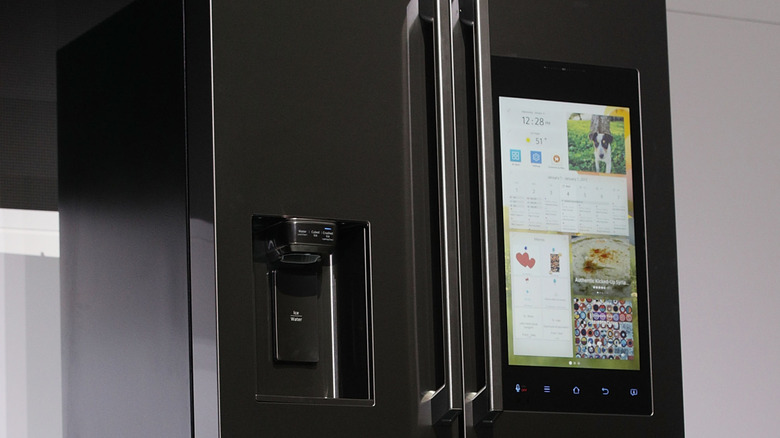
This South Korea-based conglomerate is best known for consumer electronics, with Samsung smartphones, tablets, and computer monitors generally well-regarded and loved across the industry. However, it also has a digital appliance lineup that includes refrigerators, with a full complement of designs that includes classic French door fridges, side-by-sides, top freezers, and flex refrigerators. Based on customer feedback of these fridges, though, Samsung might be better off sticking to its electronics wheelhouse.
On the widely used review platform Consumer Affairs, Samsung refrigerators currently have a whopping 1.2 out of five stars based on over 4,400 reviews — a significant sample size. The most common complaints include lousy ice makers, a short lifespan, bad customer service, and inconsistent temperatures that have been known to cause food spoilage and subsequent food poisoning. Horror stories abound of Samsung iceboxes developing problems within months or even weeks of purchase — which doesn't pair well with a disappointingly short 15-day return policy.
The terrible reputation has gone beyond customer reviews. Samsung was the brand most frequently reported to the U.S. Consumer Product Safety Commission between 2019 and 2021 due to its fridges, with the organization finally launching an investigation in late 2022. A USA Today investigation found that, for multiple years running, there were more complaints about Samsung refrigerators than every other brand combined. There are even multiple Facebook groups dedicated to Samsung refrigerator flaws and pushing for mass recalls. Add it all up, and it's no wonder Reddit deems Samsung the least-reliable refrigerator brand; one Redditor even disparagingly renamed the brand "Samsuck."
LG
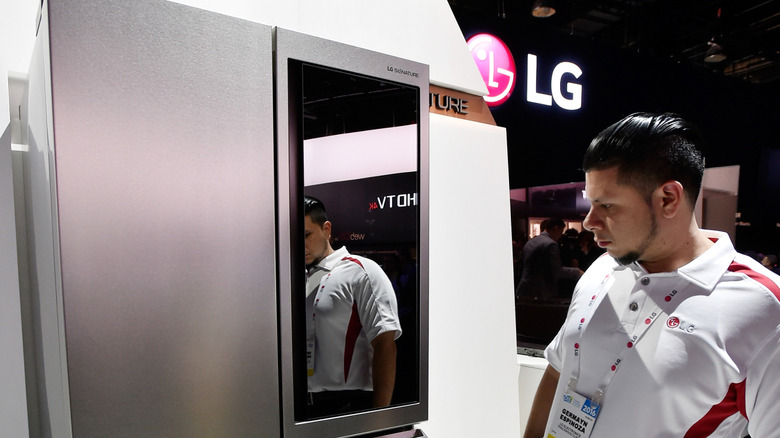
Like Samsung, LG Electronics is a South Korean multinational company that has its hands in many different pies. Along with the TVs, monitors, phones, sound systems, and even robotics that LG is known for, it's also a full-scale appliance designer and manufacturer, which includes refrigerators ranging from mini fridges to kimchi fridges and specialty designs. In this case, while experts generally approve of the brand, praising its innovation and high-tech refrigerator features, customers don't share the same opinion.
The biggest issue is the most important component; every refrigerator has a compressor, a motorized pump that circulates and compresses the necessary gas to absorb heat and thus cool the interior. In a Consumer Reports survey, LG refrigerators were cited as one of the most likely to experience issues with the compressor. Almost no design was immune, with problems reported in side-by-sides, French doors, built-ins, and bottom-freezer models. It's so bad that LG has faced multiple class-action lawsuits alleging it knowingly sold fridges with defective compressors.
In addition, there was a separate class action filed in 2023 claiming LG's Craft Ice Maker series of fridges was flawed. RTINGS.com also found that LG had one of the smallest authorized service networks of six major brands with coverage in only 75% of locations (the only one smaller was — shocker — Samsung). Because of this and other issues, the Better Business Bureau refuses to accredit LG Electronics, and a Reddit reviewer declared fridge shoppers should, "Run away from LG like it was a toxic waste dump trying to hug you."
Kenmore
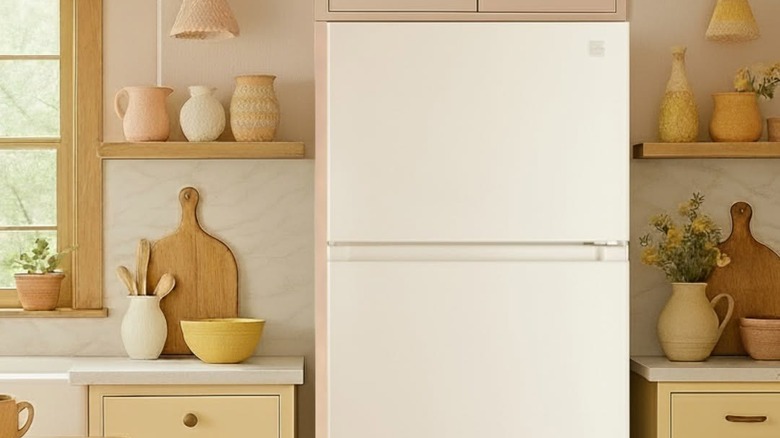
Kenmore has been one of the best-known home appliance brands for over 100 years, highly regarded for its cookware, stove ranges, air conditioners, grills, and more. It rose to prominence as the Sears house brand, but after the department store filed for Chapter 11 bankruptcy, the Kenmore name was acquired in 2019 by Transform Holdco LLC. This kept its extensive lineup of refrigerators alive — and the question customers have is whether that's a good thing.
The main problem here is that, like other private-label brands, Kenmore doesn't actually build the refrigerators that bear its name. Kenmore designs the fridges, but then licenses other companies such as Whirlpool, LG, GE, and Frigidaire to manufacture them. As such, each Kenmore refrigerator is prone to the whims and faults of whoever is making it. For example, many Kenmore side-by-side and French door refrigerators are manufactured by LG. Not surprisingly, those iceboxes have the exact same problems with faulty compressors.
The inconsistent quality that results from this design-and-license model makes it difficult for customers to trust Kenmore. Unless you do the research to know who made a Kenmore fridge based on the part number, customers simply don't know what they're getting. It could be a high-quality, Whirlpool-manufactured refrigerator that lasts for decades — or it could be a fridge that randomly shuts off and regularly has coil ice-over and thermostat burn-out. This uncertainty makes Kenmore a stay-away for the average fridge buyer.
Frigidaire
Another refrigerator brand with a long history, Frigidaire was a pioneer in the industry. It invented the self-contained electric fridge in 1918 that marked the beginning of modern home refrigeration, and it was also responsible for the first home freezer. At one point, "Frigidaire" was a generic term for a fridge, much like how the brand name Kleenex is applied to all tissues. Long a part of General Motors, Frigidaire is now owned by Electrolux (more on them later). But after more than a century of dominance, the mighty hath fallen among customers.
Remember when we discussed Samsung's horrible rating on Consumer Affairs? Well, Frigidaire is even worse, earning a paltry 1.1 out of five stars based on over 2,000 reviews. Although Frigidaire receives high marks for large storage capacity and solid extended protection plans, there are many drawbacks. Consumers are critical of the difficulty getting replacement parts if something fails and the high repair costs after the service plan expires. Bad customer service also comes under fire, as does the standard one-year warranty, which one review on the Consumer Affairs website referred to as, "a slap in the face for the price of the appliance."
Frigidaire reviews on TrustPilot carry equal vitriol. Overall quality is a frequent point of attack, with numerous failures reported soon after delivery or just after the warranty expired. Some customers said their fridges had issues from the moment they arrived, such as missing interior lights or ice dispensers not working. It feels like the modern-day Frigidaire is coasting on its century-plus of name recognition rather than remaining a high-quality option.
Dacor
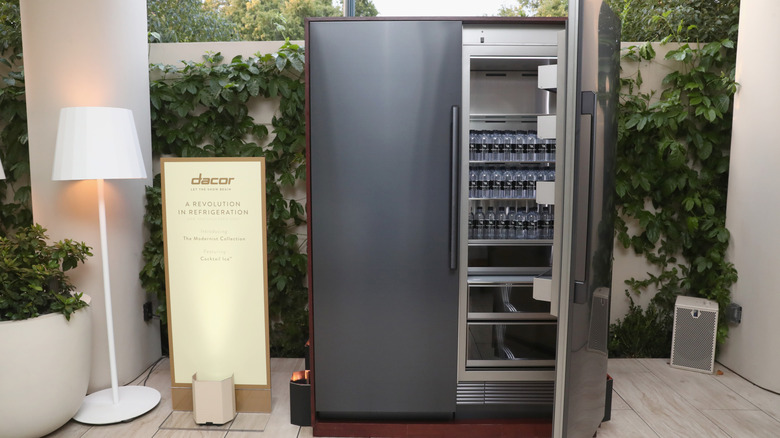
We've already talked at length about the problems with Samsung refrigerators. But as it turns out, Samsung is foisting lousy refrigerators onto the market under another name, too. Dacor began as a family-owned, California-based luxury refrigerator and appliance brand in 1965, and for a time, it was respected. Products such as continuous-grate cooktops, self-cleaning built-in wall ovens, and sealed-burner ranges gave Dacor a reputation as an innovator.
But Samsung Electronics America bought Dacor in 2016, and it's been a long ride downhill since then. Although Consumer Affairs doesn't have a separate page for Dacor refrigerators, the brand collectively has a one-star rating out of about 600 reviews. It's literally not possible to score any lower! The fridges themselves garner plenty of hate, with common problems ranging from excessive icing to regular breakdowns. In one Consumer Affairs review, a customer went so far as to say, "If we could go back in time, we would choose a different brand without hesitation."
Dacor's customer service is also called into question by customers. The brand's official fridge sealed system warranty lasts up to ten years, but multiple owners report that the company will do everything it can to avoid honoring that guarantee. Another customer claims that Dacor offered them a list of six repair companies, and all six declined the job because Dacor is such a nightmare to work with. On Reddit, assessments from people who have bought Dacor fridges include, "Major disappointment!", "Huge mistake," "Absolutely avoid," and "They are owned by Samsung. That is all I will say."
Insignia
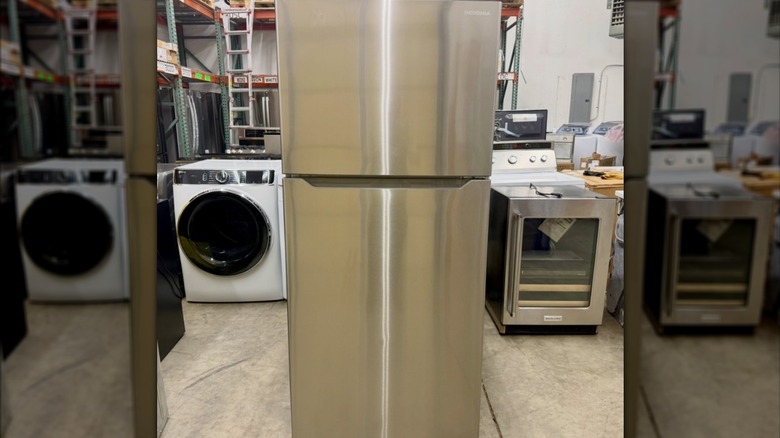
Many private-label brands aren't big enough to even rate among national name-brand peers, but as Kenmore proved an exception, so does Insignia. As an official house brand of Best Buy since 2003, Insignia Systems was long considered a solid budget electronics brand for TVs, computers, home theater accessories, and more. In the mid-2010s, Best Buy began using the label for appliances as well, including refrigerators and freezers, trumpeting them as affordable and energy-efficient cooling options.
Unfortunately, much like its electronics sector, Insignia refrigerators are a case of getting what you pay for. Many customers on Reddit have reported their Insignia fridges dying out after two to three years, and they talk about reaching the four-year mark like a giant milestone when that's a fraction of the average refrigerator lifespan. In the long run, constantly fixing and replacing your cheap refrigerator will likely cost more than buying a really good model. They may not even arrive in great shape, as some buyers claim their Insignia fridge already had dents or was difficult to set up.
Professional reviewers aren't sold, either. In analyzing one Insignia model, Consumer Reports noted the "middling" performance and how noisy the fridge was. Also, unlike Kenmore, it is less clear which manufacturers are contracted to make Insignia refrigerators. Various reports have mentioned Madea, Haier, LG, and even Bosch, but nothing is confirmed. Unless you're looking for a cheap fridge to put in your college dorm room, the combination of lower-quality parts, inconsistency, and uncertainty make Insignia a hard pass.
Electrolux
Like Dacor and Samsung, the present-day deficiencies of Frigidaire could have something to do with who's in charge. Electrolux, Frigidaire's parent company since 1986, has also taken a great tumble in the eyes of consumers over the decades. This Swedish company was founded in 1919 and became best known for its portable vacuum cleaners, but eventually expaned into a full-blown home appliance manufacturer. It continues to make a separate line of refrigerators alongside the Frigidaire brand, positioning Electrolux fridges as premium quality with simple Scandinavian style.
But premium it is not, according to customers. If you're old enough to remember the 1970s vacuum advertising campaign, "Nothing sucks like Electrolux," it can now be applied to the company's refrigerators in a less-flattering way. There have been over 4,200 Electrolux complaints to the Better Business Bureau in the last three years, with service and repair the highlight among refrigerator-specific criticisms. Reviewers on both the BBB website and TrustPilot claim that Electrolux refused to honor its fixed-price repair agreement for flimsy reasons.
The company has also received the dreaded one-star overall rating on Consumer Affairs, with part malfunctions and high repair costs joining wretched customer service as reasons to avoid its fridges. Notably, Electrolux and Frigidaire were forced to recall over 370,000 refrigerators in June 2022 because the ice maker level arms were breaking into small pieces and ending up in the ice bucket. A choking hazard isn't something you should have to worry about when buying a supposedly high-end refrigerator.
KitchenAid
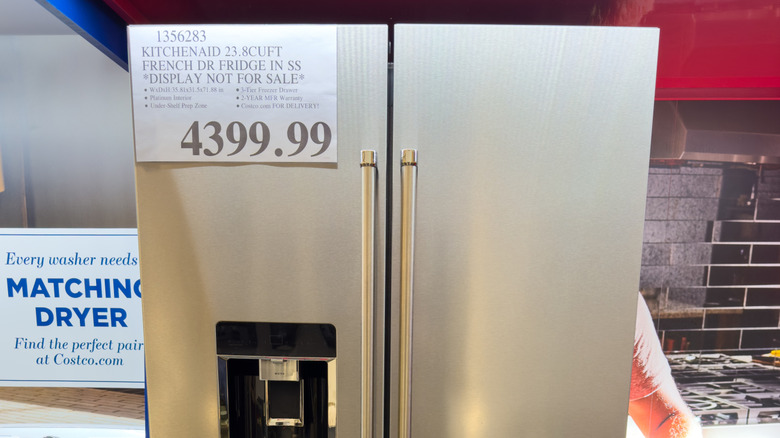
Many people know the name KitchenAid, but not necessarily for refrigerators — and maybe that's just as well. Kitchenaid's stand mixer, its flagship product all the way back in 1919, remains its most iconic appliance to this day. For a long time, stand mixers and dishwashers were all KitchenAid sold. But Whirlpool, which is highly regarded as a refrigerator manufacturer, acquired KitchenAid in 1986 and added fridges to its new brand's lineup, which ultimately spawned a full series of home appliances and accessories.
Scan the reviews and you'll find a lot of customers that wish KitchenAid stuck to what it was known for. On both TrustPilot and Consumer Affairs, KitchenAid refrigerators carry a dismal 1.3-star rating. There are some positives, including the many styles and budgetary considerations. However, reviewers note that KitchenAid refrigerators often cost more than comparable models from other premium brands. They also lack some of the high-tech features that are now commonplace, and issues such as loud noises and recurring part failures are widely reported.
Like many of the other brands we've gone over, KitchenAid customer service is vilified. One customer claimed the company reneged on a discount for an extended warranty, and others observed they expected much better support and durability from a premium-positioned brand. Speaking of which, the one-year limited warranty coverage on many of the components is well below industry standards. The prevailing sentiment can be summed up in one Facebook comment: "Do yourself a favor: if you're shopping for appliances, skip KitchenAid. They are NOT worth it."