

Stop Planting Tomatoes In The Same Spot Every Year. Here's Why
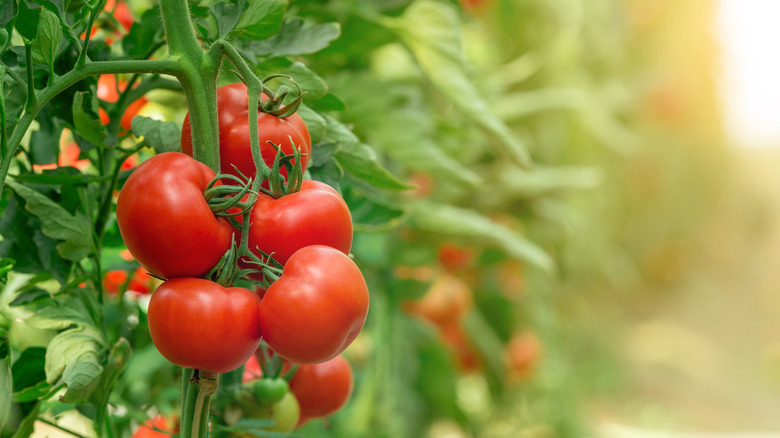
The cost of tomatoes is soaring due to political issues, tariffs, and inclement weather, so growing your own crop is a cost-effective move for green-fingered gardeners. Aside from saving you money, the flavor of homegrown tomatoes is much better, too — you have full control over the growing environment and watering schedule of your harvest, which favorably affect their taste. Plus, you can pick them at the perfect sweet spot, just moments before adding them to your favorite tasty tomato recipes. Another way to maximize the flavor and quality of your tomatoes is to stop planting them in the same spot every year.
As any kitchen gardener will attest, it's hard to kick the bug for growing your own fruits and veggies once you've experienced the pleasure of cultivating a homegrown glut of tomatoes. While repeating the same steps each year sounds like a sensible move, planting your tomatoes in the same location over and over again can be detrimental over the long term. Why? It depletes the soil of key nutrients and encourages blight, fungus, and pests.
Planting a different crop that requires different nutrients in their place allows the soil to recuperate, preserving its health. For instance, planting beans in place of the tomatoes improves the nitrogen content of the soil, which is an essential nutrient that tomato plants need to thrive. Known as crop rotation, this move gives the soil a breather and can be carried out over the course of several growing years until you start back at the beginning again.
Crop rotation is an organic and sustainable practice
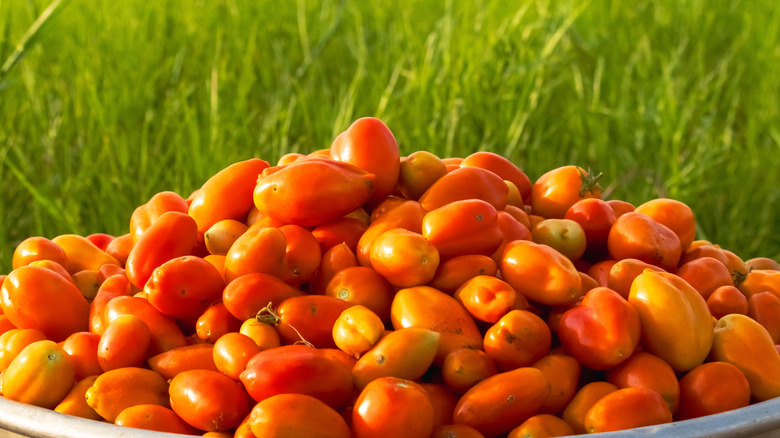
Tomato plants are susceptible to contracting soil-borne diseases, including fusarium wilt, root-knot, and bacterial wilt. In commercial tomato production, agrochemicals, such as insecticides, herbicides, and fungicides, can help to prevent diseases and pests from taking hold and affecting the quality of the harvest. However, in a small backyard vegetable garden, crop rotation is a natural and organic way to achieve the same effect, which doesn't require the use of chemicals. Planting along a fence produces the juiciest cherry tomatoes because it provides the fruit with a fixed structure to weave in and out of while boosting sun exposure.
The following year, plant your tomatoes away from that same fence to crop rotate — you could install a metal trellis beside them to provide a structure for them to grow up against, or use a tomato cage to encourage upward growth. Alternatively, protect larger tomatoes in your garden by supporting them with a stake driven into the ground. The beauty of this technique is that you won't need a nearby fence and can plant your tomatoes anywhere in your garden. This allows for a wider area for rotating your crops, giving the soil the best chance at replenishing lost nutrients.