

5 Of The Fastest-Growing Vegetables To Plant In Your Garden
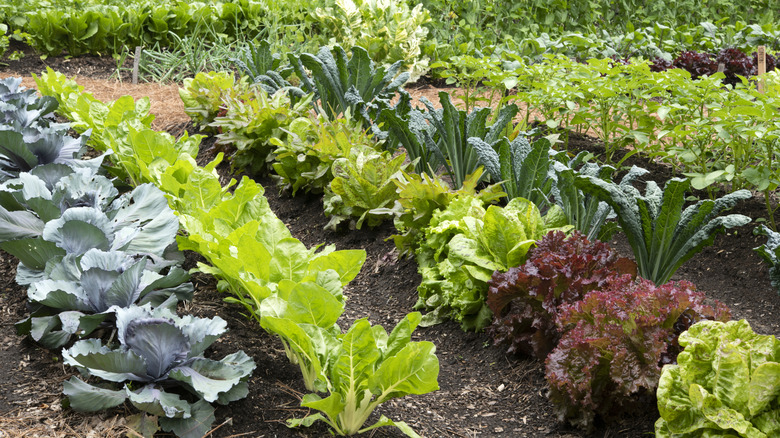
Starting your own garden is an immensely satisfying venture. Whether it's something that's considered easy or not is subjective, but there is planning involved regardless, and it's smart to educate yourself on the type of soil you have, the plants you want to grow, potential pests, and much more. In the end, to see your hard work pay off in the form of that first green sprout poking out of the garden bed is a wonderful feeling. Of course, how long that takes depends on what you've planted. If you want quick gratification, some of the best veggies to plant are radishes, arugula, summer squash, beets, and microgreens.
These vegetables all share relatively short days-to-maturity times, or the time span between when a seed sprouts and when its resulting vegetable is ready for harvesting. All gardeners must exhibit some kind of patience (it's not like any of these will sprout overnight), but you'll likely be incorporating these veggies into your recipes much quicker than, say, corn or potatoes, which grow considerably slower. All kinds of things will affect the way your crops grow, from the soil condition to proper watering, to enough sunshine, and keeping pests at bay, but if you can keep a balance with these things, you should be happily picking these five great veggies in no time at all.
Radishes
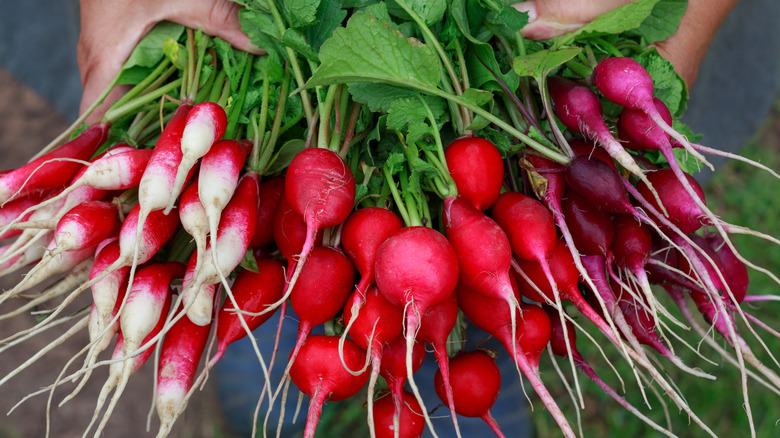
Radishes are so easy and so fun to grow because you may be able to harvest them in as little as a few weeks. Simply plant the seeds in your soil about a quarter inch deep, keep them watered and in a sunny spot, and wait for the magic to happen. Because they grow so fast, you can continuously plant seeds throughout your growing season so you'll always have a supply of the crunchy root vegetables on hand. This is a great veggie to get kids involved in, too, since they are notoriously impatient and will likely be thrilled by their handiwork.
The French Breakfast variety is longer than conventional, round radishes and has a cheerful dark pink and white color. They have a milder flavor and taste great eaten raw, right out of the garden. Plus, if you eat radishes daily, you get a powerhouse of nutrients in your diet. For a real treat, try eating radishes the French way, that is, serving them with butter and salt. It just works. And, whatever you do, don't throw away those greens on the top of your radishes. Wash any dirt off, dry them, and add them to your salads for a delicious treat.
Arugula
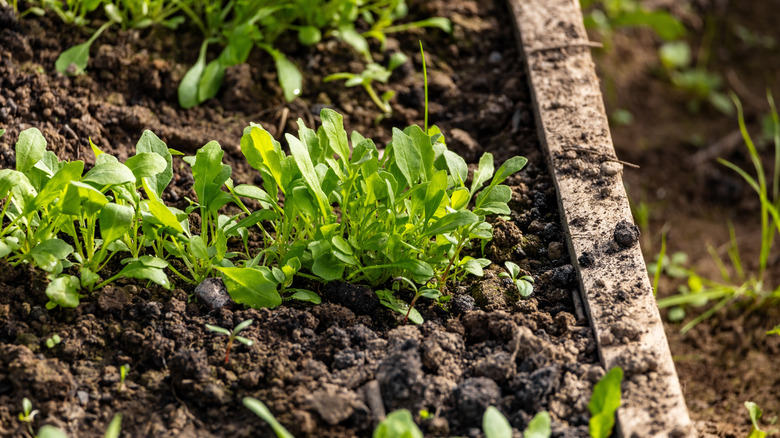
Arugula is one of the most exciting greens you can grow, not only because it grows quickly, but because it offers an intense peppery flavor that tastes great in a variety of dishes. When growing from seed, you can expect to harvest homegrown arugula anywhere from three to seven weeks after sprouting. Keep the soil consistently moist and plant in a sunny area. Some pests and critters love to gobble up arugula as much as we do, so companion planting is a good idea; this is when you plant other plants or flowers nearby that act as natural deterrents to pests. Chives, dill, and oregano are good choices, plus they are all edible.
You can make an entire salad out of arugula greens; it's amazing with sweet cherry tomatoes, shavings of Parmigiano Reggiano cheese, toasted walnuts, and balsamic vinaigrette. You can also mix it with other salad greens to get a variety of flavors and textures. Arugula is just as good when used as a garnish. It's the perfect addition to homemade soups, and it's great on caprese or stone fruit salads. Replace basil with the green to make arugula pesto, place it on sandwiches and pizza, and toss it into your hot pasta dishes, where it will wilt but taste delicious.
Summer squash
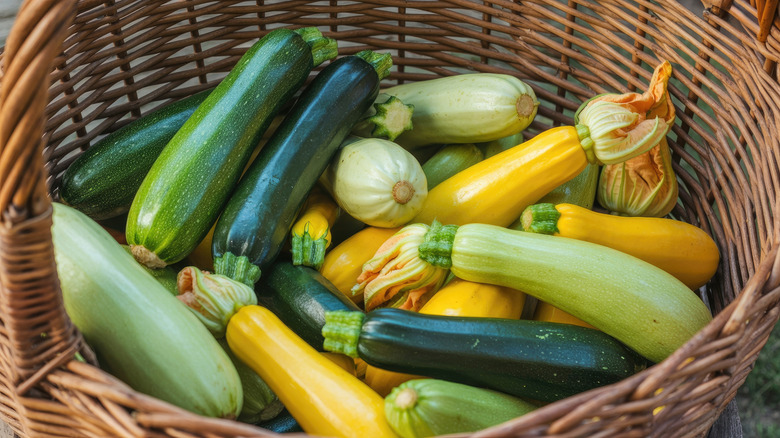
Summer squash, like zucchini and yellow squash, are known for being high-yielding plants. When successful, each plant grows a lot of veggies, and very quickly. Summer squash can be ready to harvest anywhere from 40 to 65 days, with standard zucchini ready in about 50 days. If you want smaller squash, simply harvest your crop when it's small. If you don't, they grow at an impressive pace. An important thing to remember is that squash plants can get quite big, so you'll want to space them anywhere from 1 and a half to 2 feet apart.
Summer squash can be used in so many ways. Besides sautéing it or adding it to stir fries, you can bread or batter and deep fry it, roast it, split a squash in half and stuff it with cheese, breadcrumbs, and sausage, or grill it. With zucchini, you can also harvest the bright yellow blossoms that grow from the top of the veggie. These can be turned into a classic Italian treat by stuffing the inside with herb-flavored ricotta cheese, battering them, and frying them.
Beets
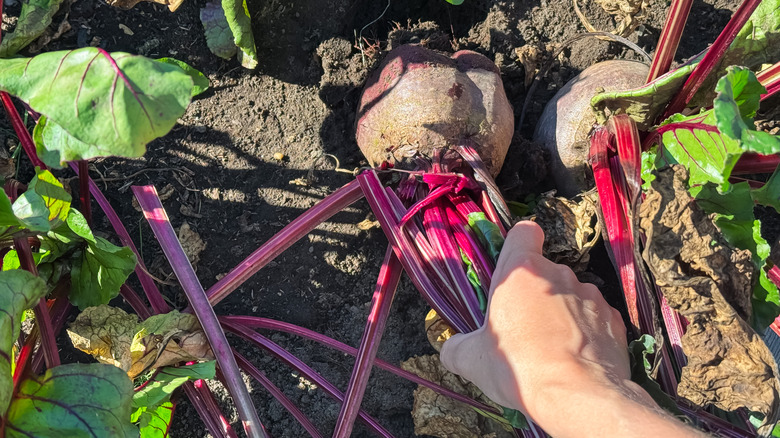
Sweet, earthy beets are a great addition to the garden because you can enjoy both the root vegetable and the large greens they produce. With harvest time happening just 50-60 days after seed germination, this is also one vegetable you don't have to wait long for. There are several beautiful colors of beets to choose from, from classic deep crimson to vibrant golden to striped chioggia, which look like candy canes when you slice them.
You can boil and steam beets, but many people prefer to roast them. With the latter, you're maintaining all of the beet flavor without losing any of it in water. Pickling beets is also popular, but you can shred them raw as well and put them into salads. Beets taste great with tangy cheeses like goat, feta, and blue cheese; they pair beautifully with bright citrus fruits; and are excellent with toasted, crunchy nuts. An acidic vinaigrette drizzled over beets is another winning combination.
Microgreens
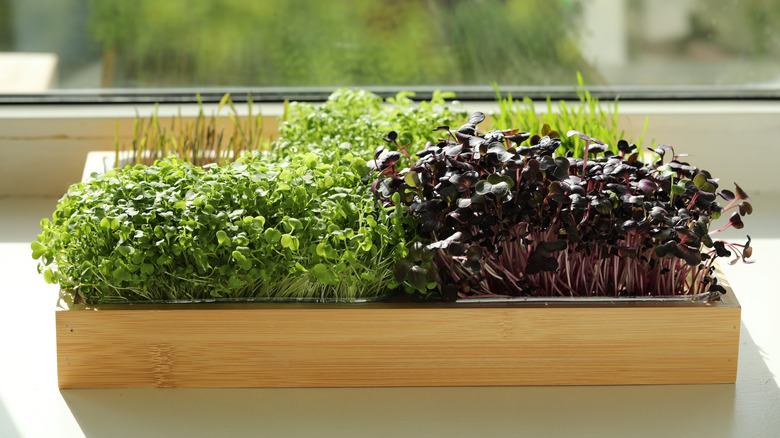
If you want to see edible results in days rather than weeks, then microgreens are what you should be growing. Perhaps the best part is that these babies can be grown all year long, so long as you grow them indoors. They are basically what they sound like: small seedlings. For instance, you can grow micro radish, pea, broccoli, mustard, Swiss chard, kale, spinach, and lettuce greens, plus more. Plant your seeds on the surface of the soil in a pot or small tray, then cover with a thin layer of more soil. Keep the dirt moist, and you could be harvesting in just seven to fourteen days. Simply cut the greens right above the soil line.
Microgreens are super-tender and have many uses. Put them on eggs, appetizers, soups, pile them on sandwiches or pizza, or garnish your grain bowls. You can also take a handful of them and blend them into smoothies and juices for a nutritional boost.