

The Old-School Pasta Dish That Makes Green Vegetables The Star
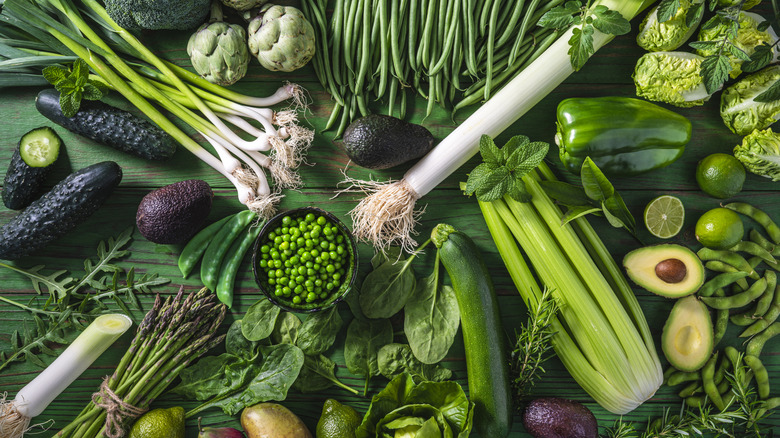
Whether it's classic cars, vintage clothing, or music from the '90s, some things never go out of style. This applies to recipes too. While retro dishes sometimes fade away, certain meals have stood the test of time. One old-school favorite that still shines bright is pasta primavera, a veggie-forward dish that combines fresh seasonal green vegetables with a rich cream sauce, plenty of cheese, and tender pasta for a meal that is as satisfying as it is timeless.
Pasta primavera is an Italian-inspired American dish with an interesting history. In the 1970s, co-owner of New York restaurant, Le Cirque, Sirio Maccioni decided to try serving a meal his wife had put together at home from ingredients she had on hand. Although his partner was not a fan, Maccioni began preparing the dish and serving it to guests as an off-menu item. The new meal was a hit, and pasta primavera was born. As its popularity spread, so did variations of the recipe.
Which veggies belong in pasta primavera?
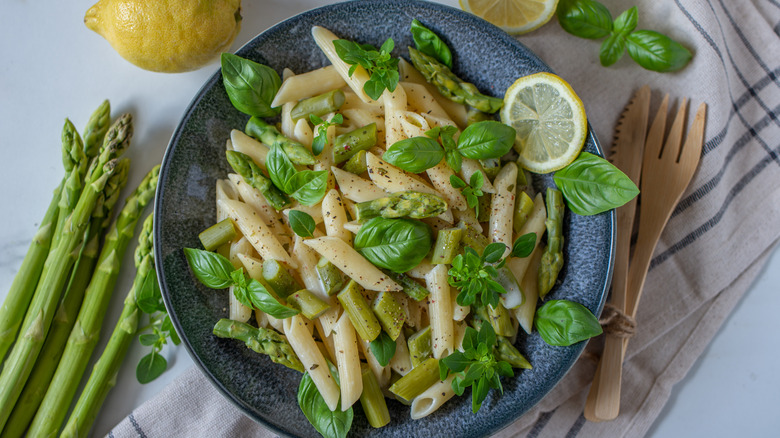
"Primavera" is Italian for "spring," and pasta primavera is indeed famous for the green spring vegetables that are often included in this recipe. Asparagus, spring onions, peas, and fava beans are popular choices that are in season during the springtime, although home cooks don't need to feel limited to those ingredients. This pasta meal comes together when made with whatever fresh, in-season produce is available, regardless of the time of year. Pasta primavera will taste its best when you avoid the big mistake of not blanching the vegetables separately. Blanching the vegetables ensures they are crisp and retain their natural flavor.
Classic pasta primavera calls for a rich sauce made with butter, cream, and a hard cheese such as Parmigiano Reggiano or Pecorino Romano. The veggies and sauce can be tossed with any type of noodle. While many of the recipes call for ribbon-shaped noodles, like pappardelle or tagliatelle, many chefs prefer to use variations with a larger surface area or more texture, such as penne, so the sauce and veggies will cling to the noodles better. However, the beauty of pasta primavera is that it originated as a way to use up ingredients that were already on hand; almost any pasta shape will do the job.