

8 Of The Fastest Growing Vegetables For Your Garden (And When To Plant Them)
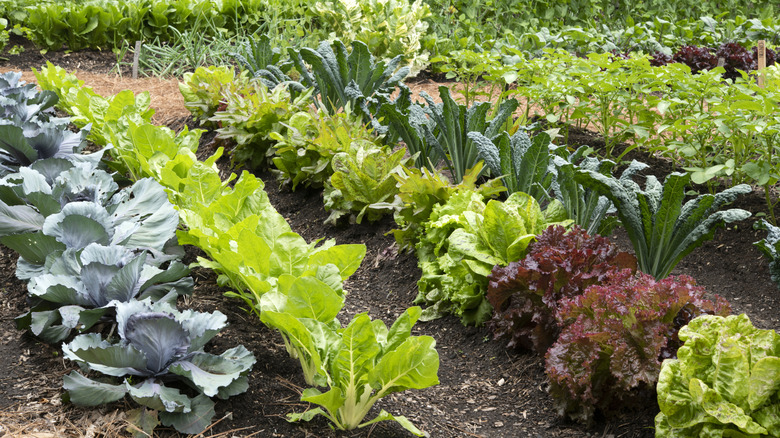
Most of us know a gifted gardener with a seemingly magical touch. Their talents are obvious before you even see them: every plant on their property is thriving. And if they grow vegetables, you're especially lucky — they're almost certain to force a bag of home-grown heirloom tomatoes or squash upon you when you visit, since there's no possible way they can eat it all.
And once you taste their home-grown veggies, you understand what the fuss is all about — they offer freshness and unique flavors that generic supermarket produce can't match. Seeing your friend's garden — and how easily they can grab dinner ingredients from the backyard — may make you want to try growing veggies yourself. But perhaps you have neither the knowledge nor the patience of your gardening guru friend. You just want easy-to-grow veggies that will offer a fast payoff for minimal effort.
Fortunately, a lot of popular veggies are surprisingly fast-growing and can go from seed to harvest in just a month or two. Here to share their favorite fast-growing veggies — and expert tips on when to plant them and how to ensure their healthy growth — are Cody DeLuisio, manager at Stella Manor; gardening author and speaker Charlie Nardozzi; Farmer Lee Jones, co-owner of The Chef's Garden; and Glen Chandler, founder of Evergreenseeds.com.
1. Radishes
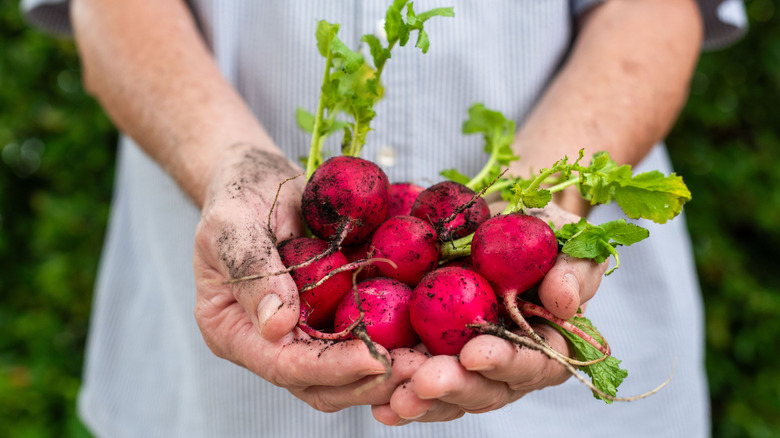
Some of the fastest-growing vegetables hide in plain sight. While we tend to think of root vegetables as slow growers that reward patience, some radish varieties can go from seed to table in a little over three weeks. "Radishes like Cherry Belle and Saxa 2 can hit 22-25 days in ideal conditions," Glenn Chandler said. And if you enjoy the peppery little orbs from the store, you'll get a bonus with home-grown radishes – the greens are not only edible, but have the same bright, spicy bite as the roots.
As with all veggies, the best time to plant radishes will depend on where you live. In the U.S., serious gardeners rely on the USDA plant hardiness zone map, which divides the U.S. into numbered zones by the average minimum winter temperature. So radishes can be either a summer or winter crop, depending on your locale. "In zones 8-10 you plant them in fall or early spring for the fastest results. In zones 3-5, those same crops thrive all summer," Chandler said.
2. Microgreens
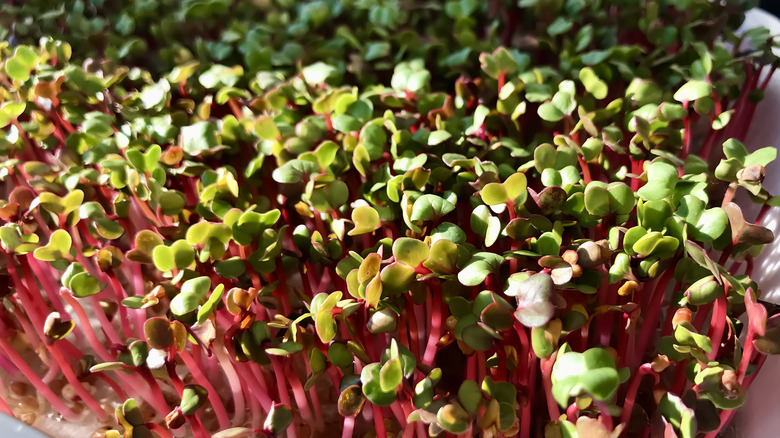
For novices, vegetable gardening can feel like a time-sucking crap shoot. You may invest months of time and work into a crop only to have it fail inexplicably. Or you might discover that bugs and caterpillars have eaten your veggies before you could harvest them. If experiences like this have scared you away from gardening, our experts recommend an easy confidence builder: microgreens. Yes, those underrated greens garnishing your favorite fancy-restaurant meal are not only pretty and flavorful, but quick and simple to grow.
The word microgreens may sound pointlessly generic, but there's a good reason for that: The sprouts of a wide variety of veggies can make fantastic additions to a salad plate. "If you want something truly speedy, try microgreens. We grow a wide variety on the farm: beet, cabbage, celery, sunflower and more," Farmer Lee Jones said. "These baby veggies and herbs pack a punch of flavor. Since they're in the seedling stage, they can be harvested within days."
Even better, because microgreens require little space to grow, you can even grow them indoors in pots or trays – meaning you can enjoy fresh greens year-round.
3. Bush beans
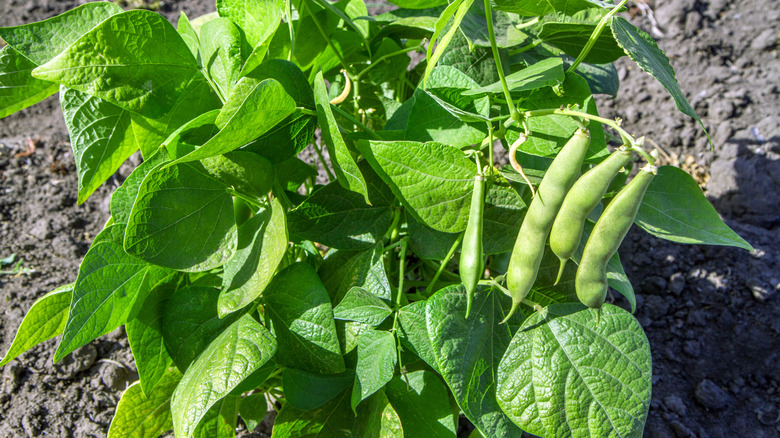
Bush beans aren't overnight wonders — you'll need about 50 to 60 days from seed to harvest — but they're easy to grow in warm climates and reliable producers. "By the end of the season you'll have more than you know what to do with," Cody DeLuisio said. For fast-growing beans, DeLuisio recommends the Provider varietal. "Provider comes in fast at around 50 days; they have been picked by many market growers for a long time for good reasons; not only do they tolerate a cooler earlier season but they are quick."
For success with bush beans, DeLuisio recommends planting them in full sun and watering them consistently. They're a warm-weather crop, so be sure your soil is consistently above 60 degrees before planting them — in most of North America, this means the spring or summer months. Another plus to growing beans is that they can help other veggies grow better, too – beans sequester nitrogen in the soil, so they essentially provide fertilizer to nearby plants. Native Americans planted beans and squash together, since the beans enrich the soil for the squash, and the squash's broad leaves help keep nearby soil moist and free from weeds, thus protecting the beans. Similarly, DeLuisio recommends zucchini as a good companion crop for bush beans.
4. Summer squash
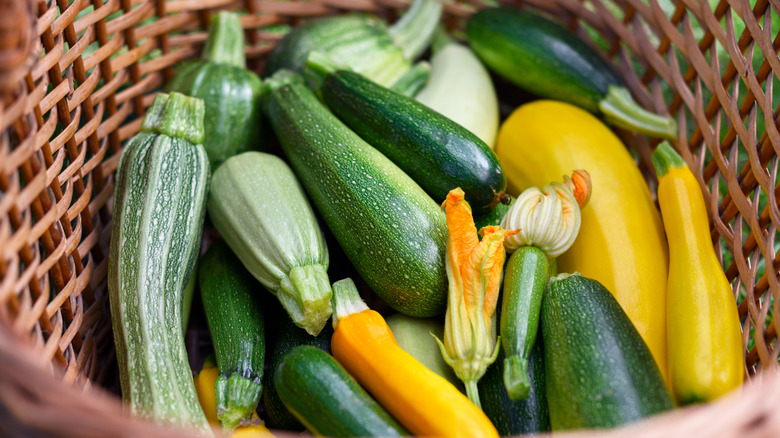
Summer squash, such as zucchini, have become a home gardening cliché. We've all heard the jokes about gardeners desperately trying to get rid of their prolific zucchini crops as the season progresses. But the jokes make a worthy point. Summer squash thrives in the right conditions and can provide you with a more than bountiful harvest. And don't worry about getting bored with summer squash; it's far more versatile in the kitchen than you might think — if you haven't had zucchini relish or zucchini chips, this may be your summer to try them.
As its name implies, summer squash is a warm-weather crop that requires full sunlight. So in most of North America, this means they're happiest when planted in the spring or early summer. For fast growth, Glen Chandler recommends the Patio Star and Bush Baby varieties. He notes that summer squash grows best in "rich, well-draining soil with high organic matter," and recommends deep, infrequent watering to encourage deep root development. Mulching can help keep the soil around the plants moist, and nasturtiums planted nearby can repel squash beetles.
5. Bok choy
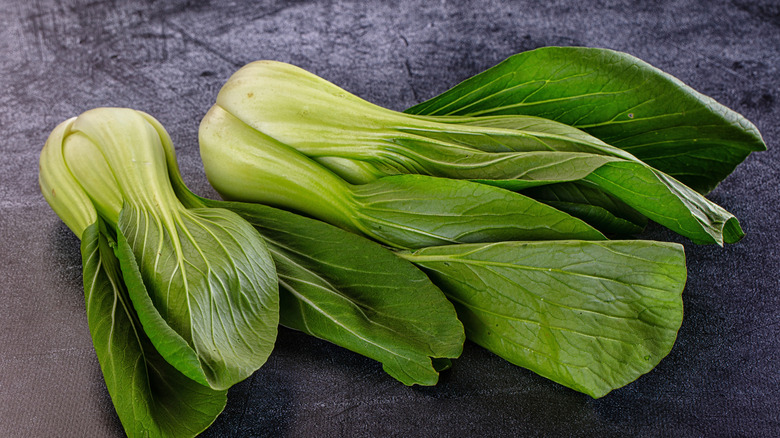
For a fast-growing cool-weather crop, consider an option many gardeners overlook: bok choy. This wonton soup ingredient, with its dark green leaves and bright white stems, cooks up quickly and adds a juicy, mildly bitter crunch to stir-fries, soups, and stews. It's also satisfyingly speedy to grow. "The vegetables people underestimate are bok choy and salad greens. You can go from seed to harvest in 30 to 45 days," Cody DeLuisio said. "Most gardeners don't believe it until they see it, once you discover it you won't go back."
In most of the country, bok choy is best planted in the fall or spring, but in hotter climates, it grows well as a winter crop. It grows best in rich, moist soil, and partial shade can extend its growing time and delay bolting in warm weather. If temperatures approach 85 degrees Fahrenheit while you're growing bok choy, keep it covered with a shade cloth — or just harvest your baby bok choy and enjoy it.
6. Swiss chard
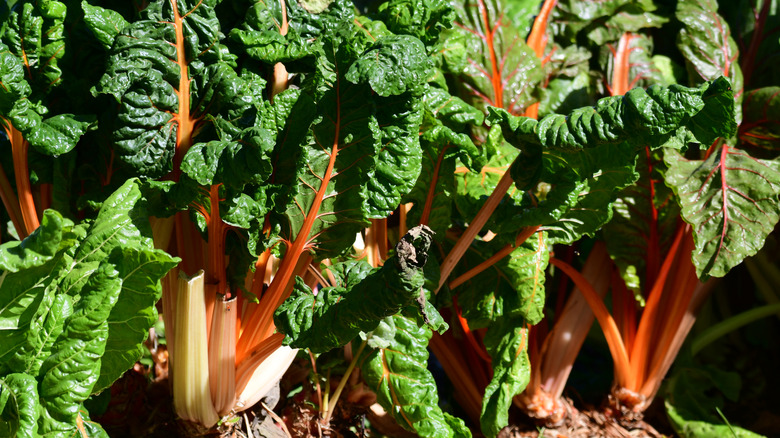
Newbie gardeners tend to turn to familiar favorites for their vegetable gardens, such as lettuce, zucchini, and herbs. These can be great choices, but lesser-known crops can be even faster and easier to grow. Glen Chandler heartily recommends Swiss chard for beginning gardeners. "Every beginner I talk to wants lettuce, and lettuce is fine — but chard is faster to establish, heat-tolerant in a way lettuce isn't, beautiful in the garden, and productive for months rather than weeks," he said.
One reason Chandler likes Swiss chard is that it allows continual harvesting. "Swiss chard is the most underrated cut-and-come-again crop in this category," he said. "Harvest the outer leaves and it regrows in 7-10 days for months. In mild climates it goes nearly year-round." It doesn't love extreme weather, however – it can become bitter in hot summers, and cannot survive temperatures below 20 degrees Fahrenheit, so time your planting accordingly.
In addition, Chandler said, some varieties are strikingly pretty — a casual observer may take chard for an ornamental plant rather than a future meal. "The rainbow varieties look like you planned something intentional even when you didn't," he said. "I plant it in every bed I can. Beginners discover it and wonder why nobody told them sooner."
7. Arugula
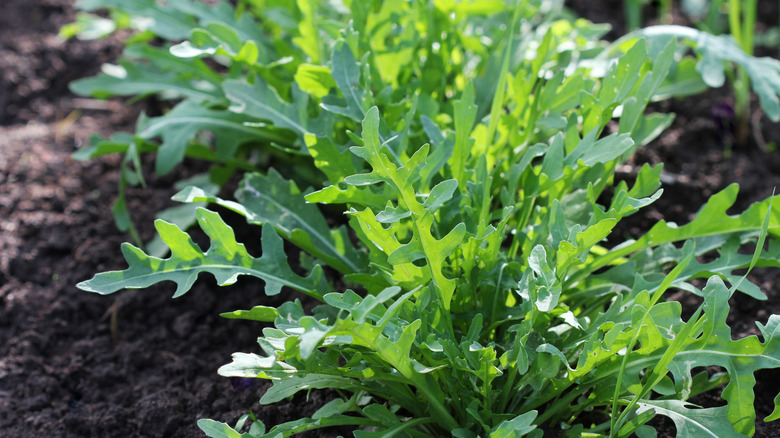
If you love arugula but not the hefty price tag that comes with it, here's good news: it's surprisingly easy to grow yourself, so much so that Charlie Nardozzi considers it a go-to choice for novice gardeners looking for a fast payback for their efforts. "Arugula is fast and tasty and many people spend way too much money buying this green in grocery stores [rather] than growing it themselves," he said.
And if you do grow it, you won't have long to wait before you can put it on your table. "Arugula can be cut at 21-25 days if you're harvesting young rather than waiting for full heads," Glen Chandler said. It's also a great cut-and-regrow crop, allowing you to enjoy multiple harvests over the course of a single season — and this allows you to treat yourself and your friends to restaurant-level salads on the regular during the season.
"Arugula regrows the fastest of anything I grow — 7-10 days between cuts if conditions are right. It's almost embarrassingly productive in cool weather," Chandler said. Arugula enjoys mild weather but can tolerate soil as cold as 40 degrees Fahrenheit – so you can plant it in early spring for summer salads or late summer or early fall for a winter crop.
8. Hakurei turnips
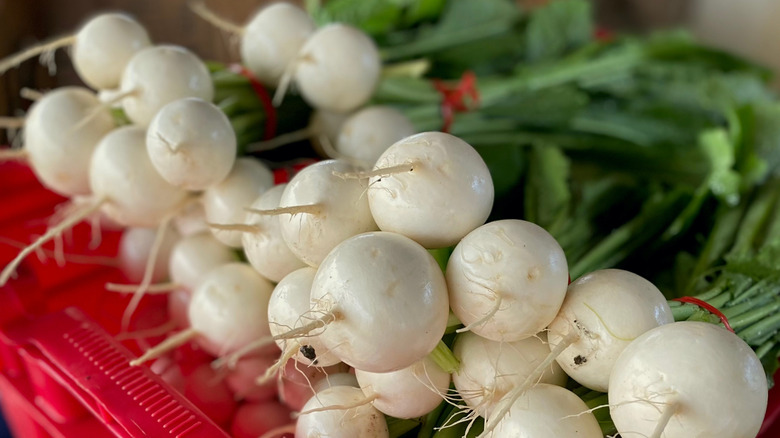
Turnips are probably the last vegetable one would think of as fast growers. And certainly, the big purple storage turnips and their even bigger rutabaga cousins do require time to reach their full size. But these aren't the only types of turnips out there, and Cody DeLuisio considers Hakurei turnips among his favorite crops. "Hakurei turnips are a Japanese salad turnip that will change your mind on turnips," he said. "Hakurei is sweet, crisp, almost like a mild radish."
This is good news if you're not a fan of the punchy bite of regular turnips. Even better, they're surprisingly fast to grow. According to DeLuisio, they can mature in as little as 38 days. They're much smaller than purple turnips– they're golf-ball-sized, so just a bit bigger than radishes. And like radishes, they're a cool-weather crop, but wait until the risk of frost is over before planting them. They germinate best in soil temperatures between 65 and 80 degrees Fahrenheit, which in most areas means fall or spring planting is best. As DeLuisio notes, their greens are also edible, so you get to enjoy two crops for the price of one. "I put them in every spring and fall planting!" DeLuisio said.
9. Bonus tips for success
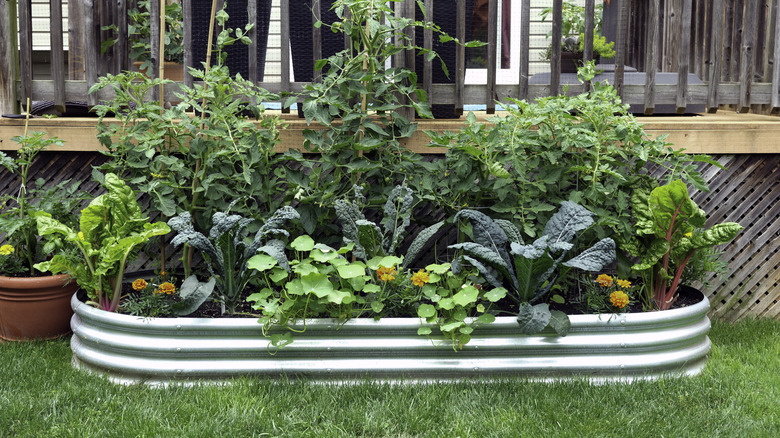
Our experts also offered general tips to ensure your vegetable garden stays healthy and productive. First, Charlie Nardozzi advises, be sure to plant at the right time for your region and your climate. "You should check with your local garden center or Extension service to find the best planting dates for various vegetables in your area," he said. To ensure a steady supply of greens throughout the growing season, rather than a single, awkwardly large harvest at the end, Cody DeLuisio recommends succession planting. "Sow a new row every two to three weeks," he said. "You get a steady harvest instead of an overwhelming pile all at once."
To keep plants and soil healthy, DeLuisio recommends organic fertilizer, especially chicken or turkey manure — it makes a noticeable difference. "First time I tried it, I did one row out of twenty-two," he said. "About fifty pounds on a three-hundred-foot row. I honestly thought I underapplied it. That row outperformed the other twenty-one for the entire season. Greener, taller, healthier."
Also, Nardozzi advises gardeners to take care to water appropriately. Water young, tender plants gently, then water deeply and consistently when the plants mature. And finally, don't hesitate to thin seedlings. "I understand the instinct — you grew those seedlings, it feels wrong to pull them," Glen Chandler said. "But crowded seedlings compete for light, water, and nutrients, and none of them win."