

7 Best Companion Plants To Grow With Potatoes
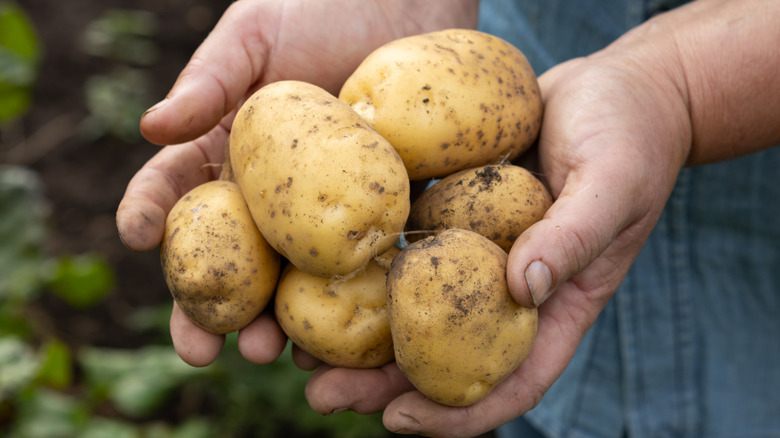
Potatoes may be a kitchen staple for many of us, but for home gardeners, they can be a bit of a mystery. As with all root vegetables, it's impossible to tell if your crop succeeded until it's time for harvest — at which point you may discover you've wasted months of work for nothing. But expert gardeners have proven strategies for increasing their odds of success, and one of them is companion plants, which are plants of a different species grown near potatoes to protect them.
The type of protection companion plants offer varies by species, and not all types will be right for all gardens. To explain how companion plants work and help you find the best choices for your potato crop, we've assembled a team of experts: Elizabeth Waddington, head gardener at the gardening supply company First Tunnels, Lucie Bradley, gardening and greenhouse expert at Easy Garden Irrigation, Adam Weiss, master gardener and founder of Pike Lane Gardens, a provider of organic food gardening and wellness programs for businesses, and Lindsey Chastain, founder of the outdoors and gardening boutique Waddle and Cluck.
Beans
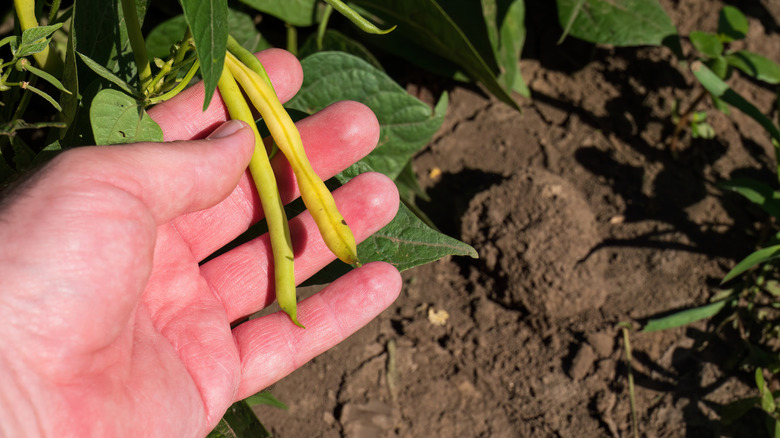
One of the challenges to growing potatoes is ensuring they get enough nutrients to thrive. "Potatoes are greedy with eating up the nutrients in soil," Lindsey Chastain said. For this reason, many of our experts recommend beans as good companion plants, since they pull nitrogen from the air and store it in the soil, helping both themselves and nearby potatoes to thrive. "Nitrogen is what helps the growth of the greenery [and the] development of the plant," Adam Weiss explained.
For potato companion plants, Weiss recommends bush beans, such as haricot verts, rather than climbing beans, as companions for potatoes. Once you've planted your potato starts and built up the hills of soil over them in which the tubers will eventually grow, plant the bean seeds about 1 inch deep and 8 inches apart between the hills. In about 55 days, Weiss said, you'll have a harvest of fresh green beans to make into tasty salads while you wait for your potatoes to mature.
Cilantro
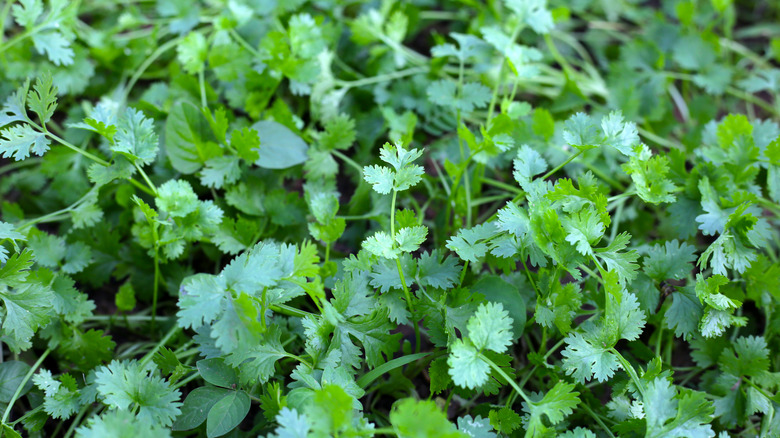
Can't stand cilantro, no matter how many times you've tasted it while trying to keep an open mind? You're not alone. "Aphids, flies, spider mites and even potato beetles are repelled by it, helping to protect your potato crops from infestation," Lucie Bradley explained. In short, cilantro, like several other companion plants, protects potatoes by creating an unpleasant environment for potato-loving pests.
However, not all insects hate cilantro, and this is a good thing. Bradley added that cilantro's flowers attract beneficial pest-eating insects such as ladybirds, lacewings, hoverflies, and parasitoid wasps, thus offering a second layer of protection for your potatoes. And because it has shallow roots, cilantro can thrive without competing with your potatoes for nutrients. An even better bonus (unless you're among those who refuse to eat the controversial herb) is that you'll have plenty of fresh cilantro for your kitchen. For a novel way to use it, try these easy but fancy-looking chicken and cilantro dumplings.
Basil
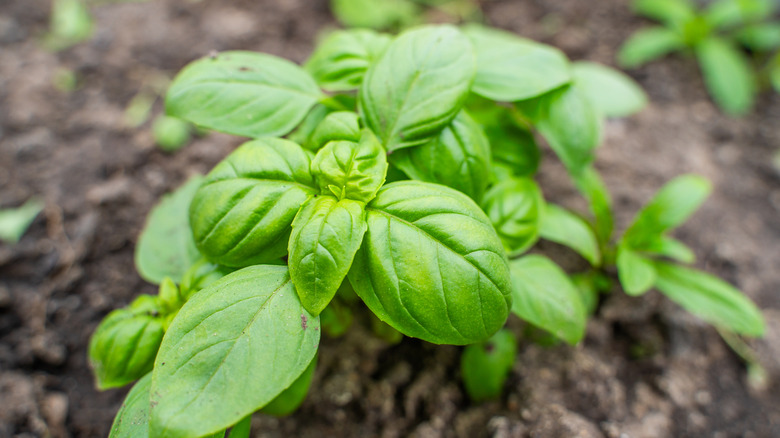
Basil is not only an essential ingredient for Italian and Southeast Asian dishes, but it's also a great companion plant for potatoes. Like cilantro, it offers multiple levels of protection for potatoes. Its distinctive aroma repels potato-eating pests, including thrips and Colorado potato beetles, and its flowers — should you allow your basil to bolt — attract insects that prey on aphids and other threats to your potato plants.
But basil's benefits don't end there. It's an easy plant to grow in warm climates (it thrives in temperatures between 70 and 85 degrees), and because it doesn't require too many nutrients itself, it can grow happily alongside nutrient-hungry potatoes. On top of that, Lucie Bradley notes that basil's roots release volatile essential oils into the soil, which the potatoes absorb as they grow — and some gardeners swear this improves their flavor. Whether or not your potatoes end up with a hint of basil flavor, the two plants also complement each other in the kitchen. For instance, try Ina Garten's potato basil purée for a colorful, summery take on mashed potatoes.
Nasturtiums
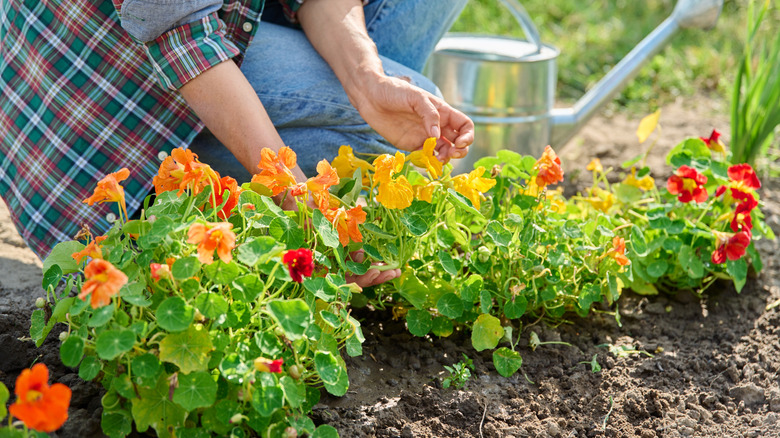
Some gardeners love nasturtiums for their pretty blooms. But experienced vegetable gardeners appreciate how they will literally lay their lives on the line to protect potato plants. "Nasturtiums planted amongst your potato plants will lure aphids, whiteflies, leafhoppers and Colorado potato beetles to feed on them, rather than damaging your potato plants," Lucie Bradley explained. Like many other companion plants, she added, they also attract insects that protect your potatoes by eating pests.
They also make convenient companion plants because they like the same growing conditions as potatoes, and thrive on the same balance of moisture and nutrients. This, however, means you need to plant them with care so they don't compete for resources with your potatoes. Instead of interspersing them between the potato plants, plant them as a decorative border on the edges of your potato patch. Or if you want protection inside your potato patch, use potted nasturtiums.
Marigolds
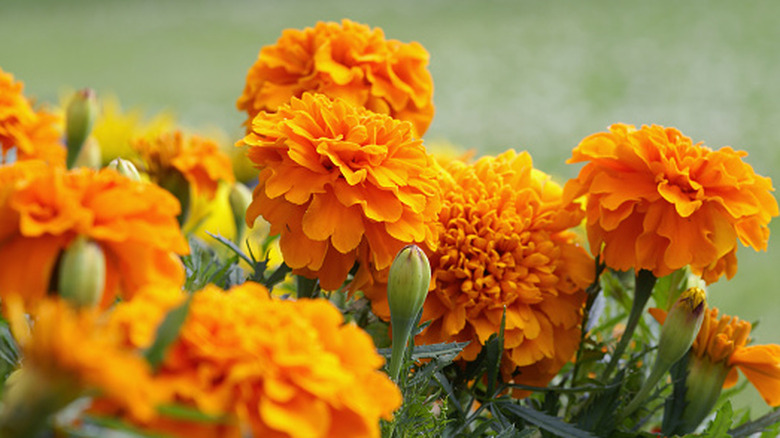
The bright orange blooms of marigolds make them popular ornamental plants, but Lindsey Chastain notes that marigolds can also protect your potato plants. Their scent repels beetles, which love to nibble on young potatoes, and their roots protect potato plants from below. As Lucie Bradley notes, not only do marigold roots produce substances that repel nematodes (underground pests that can be tricky to find and remove), their structure helps aerate compact soil, creating more productive growing conditions for potatoes. And this underground protection outlasts the marigolds themselves — some gardeners plant marigolds between potato crops to ensure the soil is free of nematodes before the potatoes are even planted.
Marigolds are a popular companion plant for a variety of crops for another reason: they're fast and easy to grow, provided you plant them after the last frost has passed. They don't need a lot of nutrients, so they won't compete with nutrient-hungry potato plants. This means you have a lot of flexibility in how and where you plant them. Use them to form a decorative border around your potatoes, intersperse them with your potato plants, or use them as a rotation crop. Your potatoes will benefit from any of these tactics.
Kale and its relatives
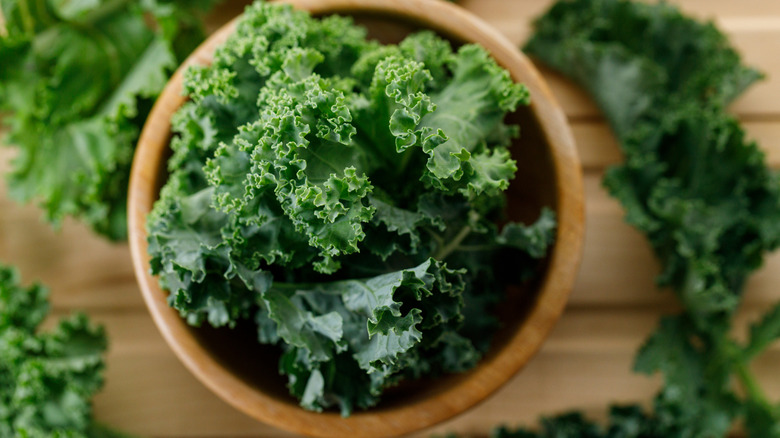
Another group of potato-friendly plants that Adam Weiss recommends are brassicas — the wildly diverse descendants of wild cabbage, which include kale, cabbage, collard greens, and broccoli, among many others. They're not only hardy and easy to grow, but they also naturally repel potato beetles. Because they don't require many nutrients to thrive, they can grow close to potato plants without competing with them.
In addition, the leafy foliage of kale can offer physical protection to young plants. "Lettuce, chard, spinach, pak choi and other leafy greens act as living mulch, shading soil and reducing weeds around potato plants as they just emerge," Elizabeth Waddington said. "Sowing these between potatoes is a good way to make use of early-season light before potatoes fully grow." Like other companion plants, kale and other leafy greens should be planted between the hills for your potatoes, not directly on them. Be aware, though, that kale and most other brassicas grow better (and taste better) in colder climates, so if spring and summer are hot in your area, other companion plants might be better choices.
Onions and their relatives
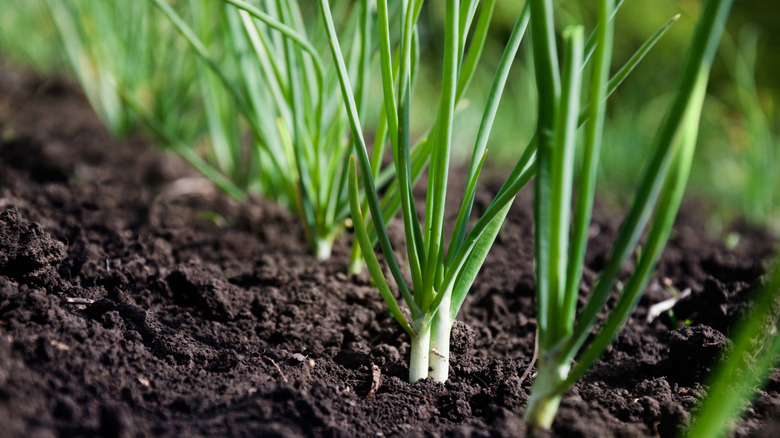
Potatoes and onions are a classic and delicious kitchen combo, but they also work well together in the garden. "Onions, spring onions, garlic and other members of this family have a pungent smell that can confuse, repel, or distract certain pest species," Elizabeth Waddington explained. Their roots also produce sulfurous compounds that suppress nearby pathogens, thus protecting nearby potatoes. In addition, some gardeners report that onions as companion plants make potatoes tastier — though not onion-flavored.
If you do plan to grow onions or their relatives as companion plants for your potatoes, choose carefully. While all members of the family can repel pests, root vegetables such as onions and garlic can potentially compete with potato plants for nutrients and space and thus hinder potato production. "Ignoring root competition is another key mistake," Elizabeth Waddington said. "Potatoes are relatively heavy feeders with a spreading root system, so planting them alongside other hungry or deep-rooted crops can lead to competition for nutrients and water."
Expert tips for success
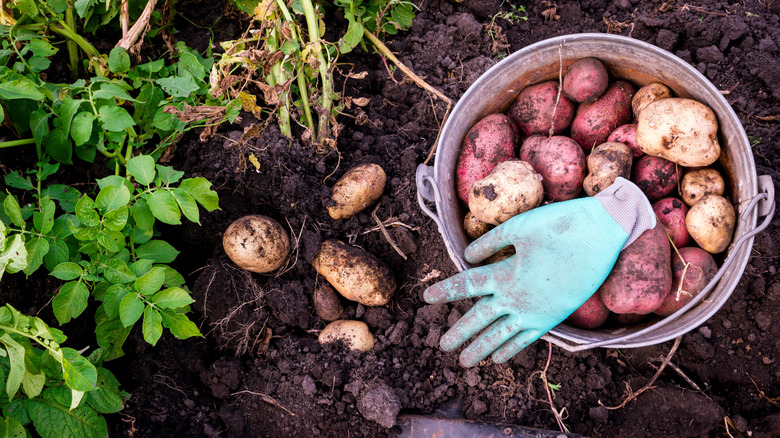
Our experts also shared some helpful dos and don'ts for potato companion plants. First, Adam Weiss advises, don't plant members of the nightshade family, such as tomatoes, eggplant, or peppers, near potatoes. They're vulnerable to the same diseases as potatoes, so they can put both crops at risk.
Second, avoid the temptation to crowd your garden with companion plants. "People think, 'oh, the more plants I put in, the more vegetables I'm going to have,'" Adam Weiss said. "And the reality is that these companion plants need space, they need air flow, and they need heat, and they need water." Plants that are too close, he continued, can potentially spread diseases to each other — another reason you want to avoid overcrowding.
Finally, choose companion plants that are right for your local climate and soil conditions. While all the plants discussed above are good helpers for potatoes, not all of them will work everywhere. "Gardeners also tend to choose companion plants based on general advice rather than local conditions," Elizabeth Waddington warned. "What works in a dry, warm climate may not work in a cool, humid one. Failing to adapt plant choices and spacing to your specific environment can increase disease risk and reduce overall productivity."