

Beyond Salt & Pepper: Use These 10 Delicious Seasonings For Roasted Veggies
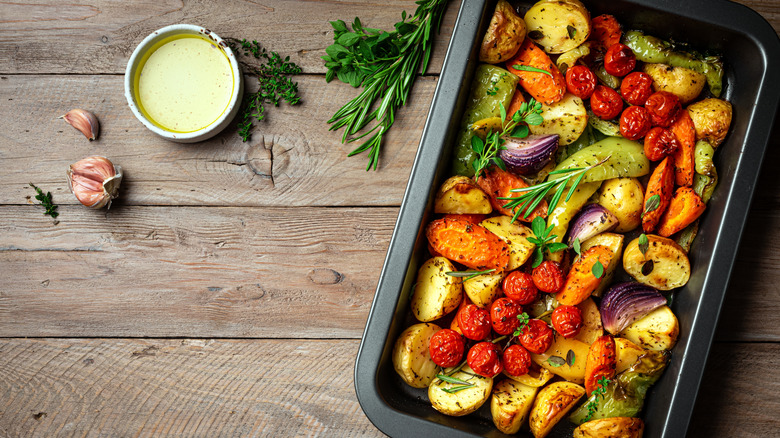
There's no doubt that simple classic roasted vegetables are the perfect side dish. They're key for a balanced meal, and if made well, they taste amazing. However, not everyone knows how to make them properly or season them well. This is especially true when it comes to home cooks who aren't keen on experimenting as they usually never season the dish with anything other than salt and pepper, which can be a recipe for bland and boring. As much as I agree that salt and pepper are great seasonings for roasted vegetables, they aren't the only ones you should be using.
I've been cooking vegetarian meals for almost two decades, and roasted veggies have been one of my favorite dishes to cook. I've always loved experimenting and trying new seasonings or spice blends to understand what makes roasted veggies taste exceptional. On top of that, I was lucky enough to learn a lot more about the textures of vegetables — and what seasonings help enhance their natural flavors — while pursuing my Bachelor's degree in Hospitality and Hotel Administration.
Given all the experience I have, I'm here to change the perception that salt and pepper are the best (and only) seasonings for roasted veggies. I've put together a list of some of my favorite seasonings that will make your roasted vegetables taste so delicious that you might never look back. Now without further ado, let's see what's beyond salt and pepper for seasoning roasted veggies.
1. Celery salt
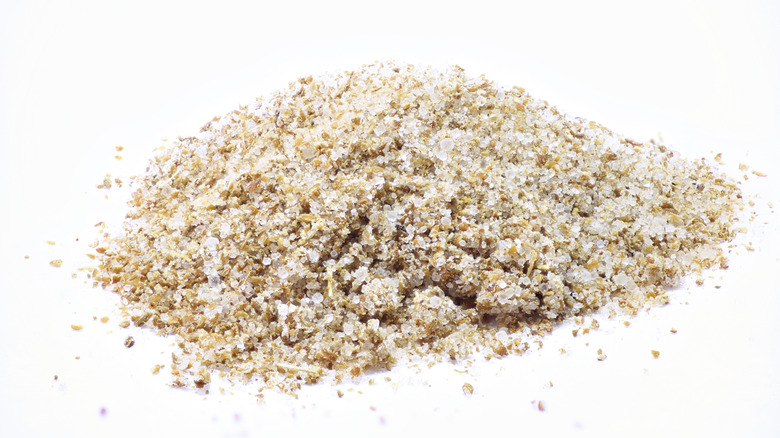
Let's start with a seasoning that most of you would've heard of, or even used at least once — celery salt. This seasoning makes various dishes taste great and is a pantry staple, making it a natural choice to season roasted veggies. That said, if you aren't aware of it and are wondering what celery salt is and what it's used for, let me explain. Celery salt, as the name aptly suggests, is nothing but ground celery seeds mixed with salt. It has an earthy and bitter flavor that can add depth to any dish, which is why it's often added to a range of them and can also be used to season roasted veggies. It's especially a good option for sweeter root vegetables like carrots, beets, radishes, and sweet potatoes as its flavor can balance out their natural sweetness.
As celery salt already contains salt, there's no need to season roasted veggies with table salt. But, if you'd like to enhance the earthy flavor, I'd suggest seasoning your veggies with herbs like oregano, thyme, and rosemary along with the celery salt. Also, don't use too much of this seasoning as that can make the veggies taste overly salty and bitter. About half a teaspoon is enough for 1 pound of vegetables. Toss the veggies in oil, sprinkle on celery salt (along with other herbs if you're using any) and mix well, then roast the veggies as you usually would.
2. Cajun seasoning
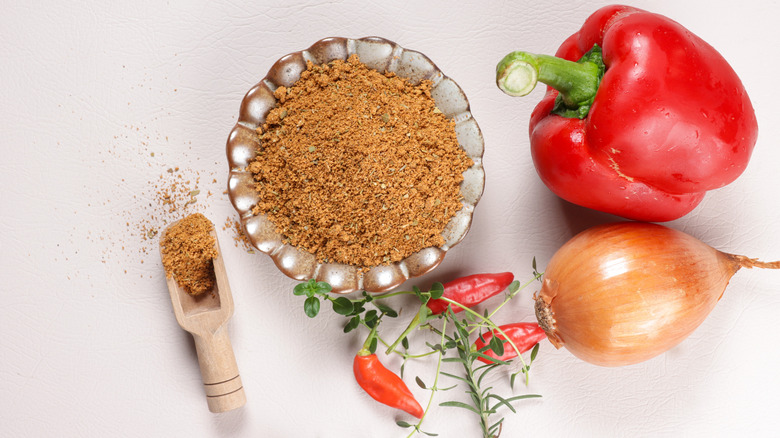
Cajun seasoning is the perfect option for those of you who aren't afraid of a little heat. This blend is made with a bunch of seasonings that go well together, like garlic powder, onion powder, black pepper powder, oregano, and cayenne pepper. While these are the usual seasonings used to make a Cajun spice blend, some variations may also contain dried thyme and basil and some might have regular or smoked paprika, along with cayenne pepper. Either way, this seasoning tastes quite nuanced and has a nice fiery kick that makes it great for roasted veggies as they taste slightly sweet once cooked, and Cajun seasoning balances that out.
The only thing you need to keep in mind is to use it sparingly, as its flavor can become a bit overpowering if you use too much. So, it's ideal to start with ¼ teaspoon for 1 pound of veggies. You'll need to toss the veggies in oil and Cajun seasoning, let them roast completely, and after that, if you feel they taste too mellow, you can sprinkle more of the seasoning on them. I'd recommend not sprinkling any salt on the veggies while tossing them in Cajun seasoning, as most blends available in the market already contain salt. So, read the contents of the Cajun blend you have first, and season your veggies with salt only if it doesn't contain any.
3. Sumac powder
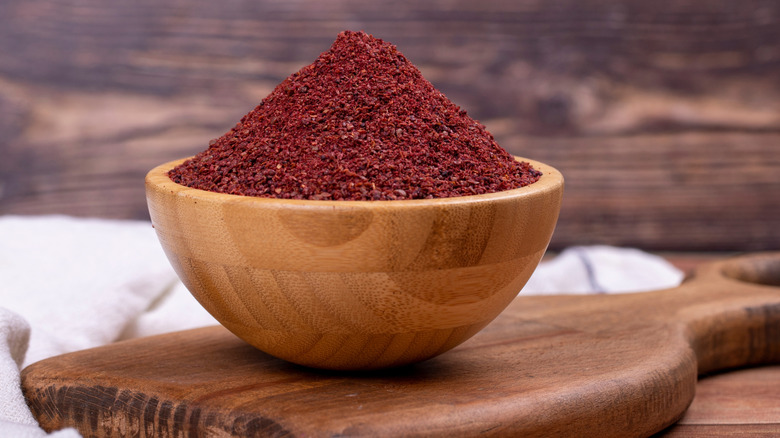
This is another seasoning that can make a variety of roasted veggies taste fantastic and also different than what you may have tried so far. That being said, some of you might not be familiar with sumac powder and its flavor, as it's more of a regional seasoning than a globally common one. So here's a bit about it: Sumac powder has a tart and citrusy flavor and is a staple in Middle Eastern and Mediterranean cuisines.
It's a great fit for roasted veggies because its sharp and tangy flavor can brighten them up and also tone down their sweetness. Plus, sumac powder can give your veggies a kick of acidity without turning them soggy, which can happen if you use other similar options like lemon juice or vinegar. So, if you like your food with a little acidic kick in general, you shouldn't miss out on seasoning your roasted veggies with sumac powder.
This seasoning should also be used sparingly, as too much could make your roasted veggies taste overly tart. I'd recommend using ¼ teaspoon for 1 pound of veggies. You could sprinkle sumac powder on the vegetables before roasting them so that the flavor seeps into them, or for a fresher flavor, you can instead season them once they are fully roasted. Don't forget to sprinkle salt on the veggies to enhance the flavor of sumac powder further.
4. Smoked paprika
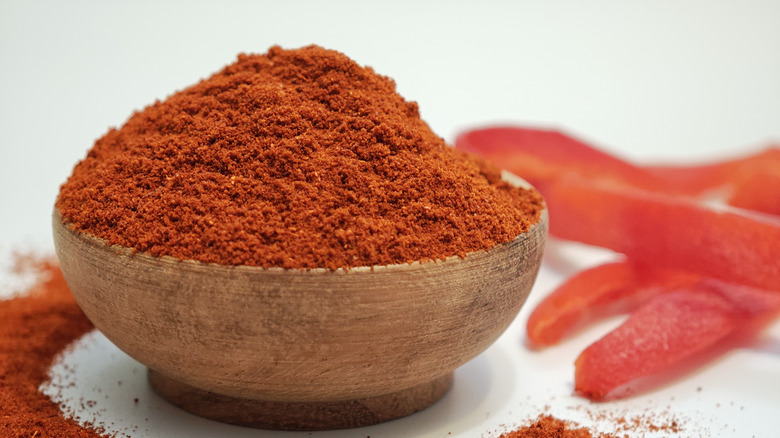
If you'd like your roasted veggies to have a smoky finish, almost like they have been barbecued, seasoning them with smoked paprika is the way to go. This spice has the perfect balance of heat and smokiness, and on top of that it isn't as hot as cayenne pepper, so that makes it a good option for those of you with a lower heat tolerance. Plus, it will give roasted vegetables depth without being overpowering.
You'll just need to toss the veggies with smoked paprika and oil to begin with. Since smoked paprika isn't too sharp, you can actually use a whole teaspoon for 1 pound of vegetables. Here, you can also use other seasonings like garlic and onion powder along with smoked paprika for a sharper and more pronounced finish. Also add some salt to the mix, as unlike various spice blends, smoked paprika doesn't contain any. After that, roast the veggies as usual.
I'd also suggest tasting the veggies once they're cooked and then sprinkling more smoked paprika if you'd like, along with a hit of lemon juice, as some acidity pairs pretty well with the base flavor of this seasoning. If the idea of squeezing lemon juice on your roasted vegetables gets you worried that they'll turn soggy eventually, here's a trick: Toss them in a little cornstarch before roasting, as that's a single ingredient that will give you the crispiest roasted veggies.
5. Mustard powder
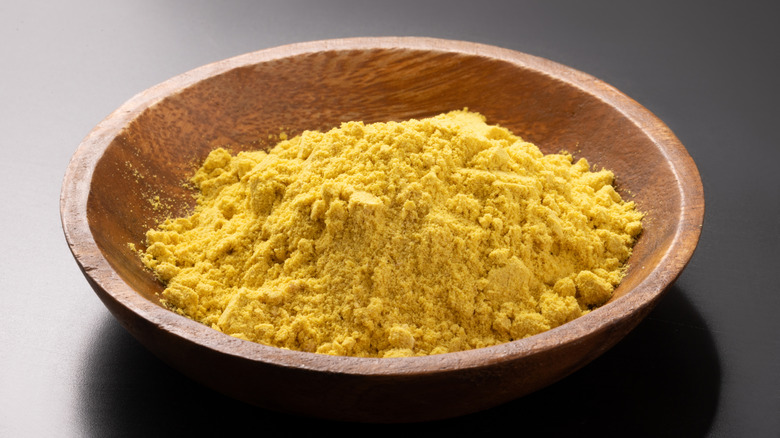
Mustard powder is highly overlooked, mainly because many people find its flavor too sharp. While that is true, it's also true that its sharp and pungent flavor is exactly what makes it a great seasoning for roasted vegetables. But wait, I'm getting ahead of myself, because, since this spice is very underrated and not used that often, it's likely that some of you might be wondering what mustard powder is and how you can cook with it. Well, it's a spice made by grinding up yellow mustard seeds, so you could think of it as a powdered base that's used to make the condiment. As far as cooking with it goes, it can be used just like any other seasoning. The only thing to keep in mind with mustard powder to season roasted veggies is that a little goes a long way, because otherwise it can taste slightly overpowering.
When you use this seasoning sparingly, it can balance the sweetness of roasted veggies nicely. That's one of the reasons why it works particularly well for roasted harvest vegetables, as this mix contains parsnips, carrots, potatoes, and butternut squash, all of which are on the sweeter side.
To use mustard powder for roasted veggies, you'll have to follow the usual method of tossing vegetables of your choice in oil, salt, and this seasoning. Only use ½ teaspoon of mustard powder for 1 pound of veggies for the perfect flavor.
6. Five spice powder
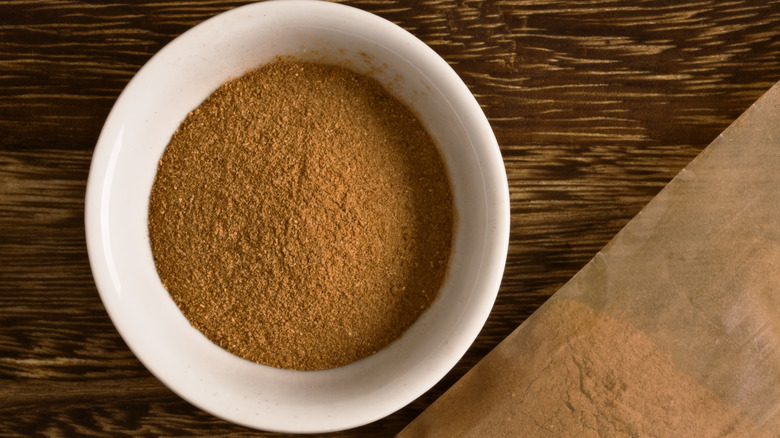
If you're a big fan of Chinese food, you've probably at least heard of five spice powder even if you haven't used it. Let me tell you this: It's a great seasoning for roasted vegetables as its nuanced and deep notes can complement and enhance their base flavor nicely.
This seasoning consists of five spices as the name suggests, which are star anise, cinnamon, cloves, fennel, and ground Sichuan peppercorns. All these spices have a unique flavor — cinnamon and cloves are slightly sweet and somewhat woody, star anise is a bit pungent, fennel seeds are earthy, and Sichuan peppercorns are hot. These flavors, though pretty different from one another, complement each other well — and as noted, they also go with the sweetness of roasted veggies. So, just by using a dash of five spice powder you'll essentially give your veggies so many lovely flavor notes.
You should keep in mind here that this spice blend tastes very strong, so it's best to use just ¼ teaspoon for 1 pound of veggies, especially if you've never tried it before. If you feel more confident, you can use ½ teaspoon instead. There's always the option to sprinkle extra seasoning on the veggies once they are roasted if they taste too mellow. And remember to sprinkle salt on the vegetables when using this seasoning.
7. Lemon pepper seasoning
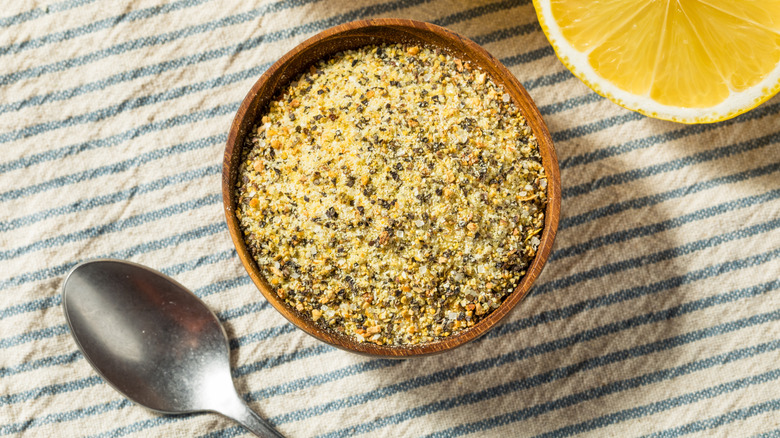
There are people who think heat and acidity never work together, and then there are folks who believe these two flavors are a match made in heaven. If you belong in the latter category, you'll love roasted veggies topped with lemon pepper seasoning. This seasoning is a great option as neither of the flavors overpowers the other, and so, it will make your veggies taste pretty balanced and nuanced at the same time. Additionally, like many other options mentioned here, this seasoning is also great for root vegetables, as it can mellow out their sweetness. That said, it's great for other veggies like broccoli, asparagus, Brussels sprouts, zucchini, and cauliflower.
Unlike many other seasonings, I won't recommend using this one sparingly. Its tart flavor isn't too pungent, and so, a little extra won't hurt anyone. Still, it's best to start with 1 teaspoon for 1 pound of vegetables so you don't go too overboard in case you haven't tasted this seasoning before. Toss the veggies in oil and lemon pepper seasoning, then go about roasting them. If you like the flavor, you can always sprinkle a little more once the veggies are roasted. Also, take a look at the contents of the lemon pepper seasoning you're using before sprinkling salt on your vegetables, as quite a few brands add salt to their blend — and so, sprinkling extra salt might mess up the flavor.
8. Curry powder
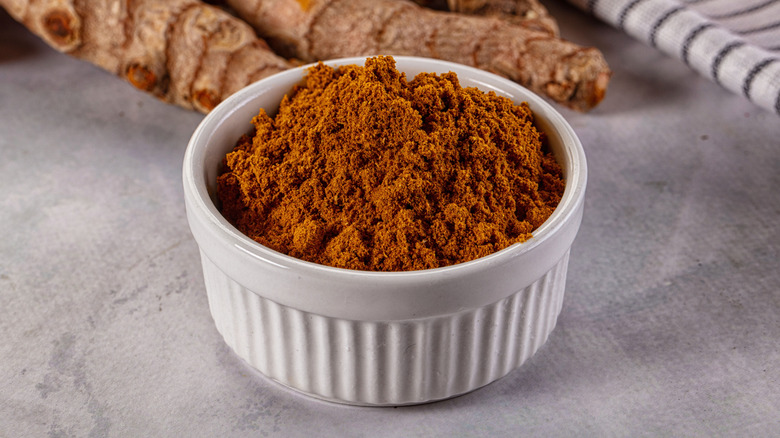
A misconception about curry powder is that it's used to season just curries. However, curry powder is an excellent seasoning for roasted vegetables. It has a deep and complex flavor since it's made with a variety of spices that complement each other well. And so, it can give your roasted veggies a layered flavor that's unlike any other. You'll end up with veggies that have a kick of heat, some sweetness, and also a bit of pungency.
This seasoning blend is great for just about any vegetable, which is another plus. You don't need to use curry powder sparingly either, as it isn't too sharp or overpowering. About 1-½ teaspoons for 1 pound of mixed vegetables works well, but cut it down to 1 teaspoon if the curry powder you have tastes too strong.
The method to prepare your roasted veggies while using curry powder as a seasoning remains as usual, which is tossing them in oil and the seasoning, then roasting them. Don't forget to season the vegetables with salt as well, because most curry powder blends don't contain any. The last thing I'd recommend when using this spice blend is to only season your veggies with it before roasting and ideally not sprinkling any of it on them after they're ready, as it tastes a lot better when cooked with the vegetables.
9. Black garlic powder
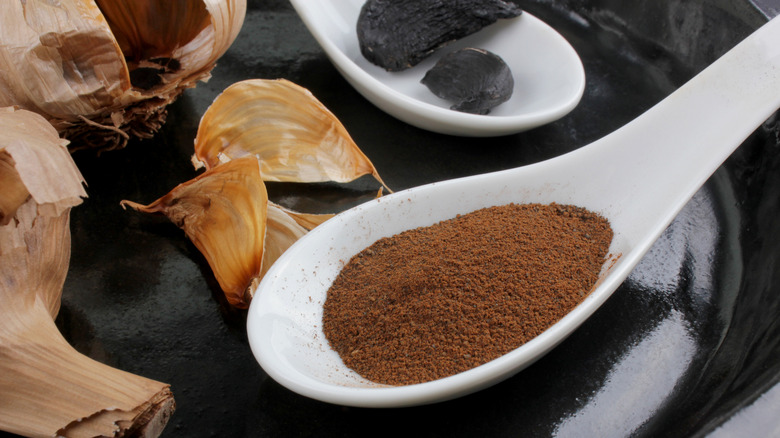
You've likely used garlic powder to season roasted veggies. But ever tried black garlic powder? Yes, that's actually a thing, and if you haven't tried it, now is your chance. It has a balanced sweet, savory, and umami flavor profile, which is why it can amp up your roasted veggies. Plus, unlike regular garlic powder, it doesn't have a sharp or pungent flavor, so that isn't something you'll need to worry about when using black garlic powder.
Unlike many other entries on this list, this seasoning is better suited for veggies that aren't inherently sweet, like mushrooms, asparagus, Brussels sprouts, broccoli, and cauliflower. While you can use black garlic powder to season sweet root vegetables too, it's worth keeping in mind that the seasoning also has some sweet flavor notes, so you'll have to use it sparingly. If you're using it to season root veggies, use ½ teaspoon for 1 pound, and for all other veggies, I'd recommend 1 teaspoon for 1 pound. You can also mix paprika or cayenne pepper with the black garlic powder, especially if you'd like some heat, along with herbs like thyme and rosemary for an earthy flavor. However, none of this is necessary, as black garlic powder's complex flavor does wonders for roasted veggies on its own. Also, add salt while tossing the veggies in oil and the seasoning, and then roast them. Delicious!
10. Nutritional yeast
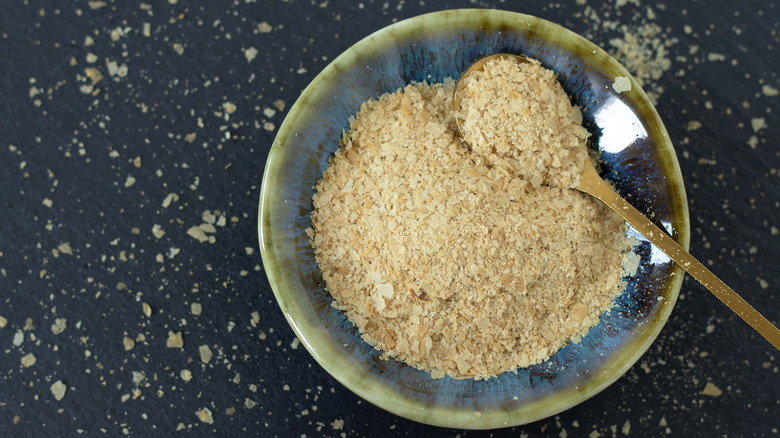
If you've never used nutritional yeast, this entry may seem odd. But there's a reason why vegans and folks with lactose intolerance love it — because nutritional yeast has an amazing cheesy and umami flavor. That said, this seasoning isn't used to season roasted veggies as much as it should be despite how versatile it is ... even by people who are its biggest fans. Even though there are many ways you may not have thought to use nutritional yeast, using it as a seasoning for roasted veggies shouldn't remain one of them.
Besides giving your roasted veggies a lovely cheesy flavor, this seasoning will also balance out the sweetness with its rich savory notes. To season your veggies with nutritional yeast, you'll have to follow the usual method of tossing them in oil and then sprinkling the seasoning on them along with salt. Here, you can use 1 teaspoon for 1 pound of vegetables. Also be sure to read the contents of the nutritional yeast you're using, as it could already contain salt — if that's the case, avoid extra salt on the veggies.
Roast the veggies as usual and once they're ready, taste them and sprinkle more nutritional yeast if you'd like a sharper and more pronounced umami flavor. When it comes to which vegetables you could use this seasoning for, the sky's the limit as it works nicely for just about everything.