
Why Seeing This Menu Item At A Chinese Restaurant Could Be A Red Flag
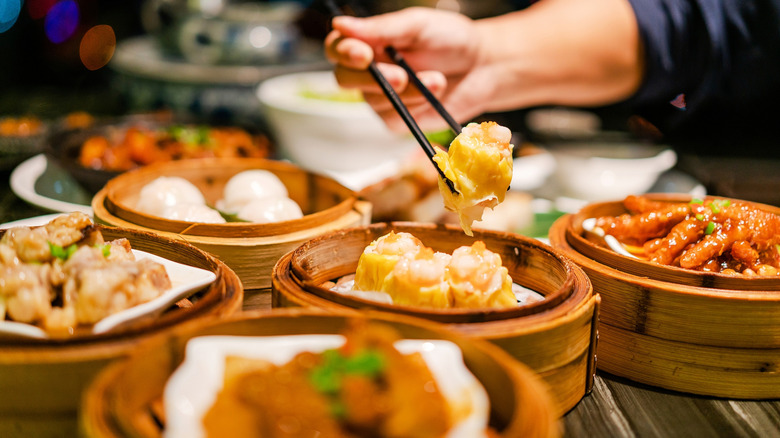
Dim sum is a traditional Cantonese dining experience featuring a wide variety of small, bite-sized dishes. The chef's focus here is on delicate flavors and textures, with some of the best options being classics like shrimp or pork dumplings, barbecue pork buns, rice noodle rolls, and custard pastries called egg tarts. Historically, this brunch-time feast was served from rolling carts in bamboo steamer baskets, and it's always accompanied by tea to aid digestion. It originated in teahouses along the Silk Road, and Chinese immigrants brought the beloved culinary staple to the West.
But these craveable bites are far more than merely a collection of appetizer-sized tasting plates. It's an international adventure for your tastebuds and dim sum has become quite the popular cultural experience in the U.S. This tradition means "touch the heart," and because it's normally eaten as a communal, shared meal, that phrase certainly embodies this meal's spirit of friendship and family. As far as red flags at Chinese Restaurants go, the fact that your neighborhood haunt is serving dim sum isn't necessarily a concern by itself. After all, this collection of delicious menu items is something you should try if you haven't already. But you probably should reconsider ordering this dish at dinner time. Let's dive into the juicy details and talk about why.
Why dim sum is a red flag menu item at dinner time
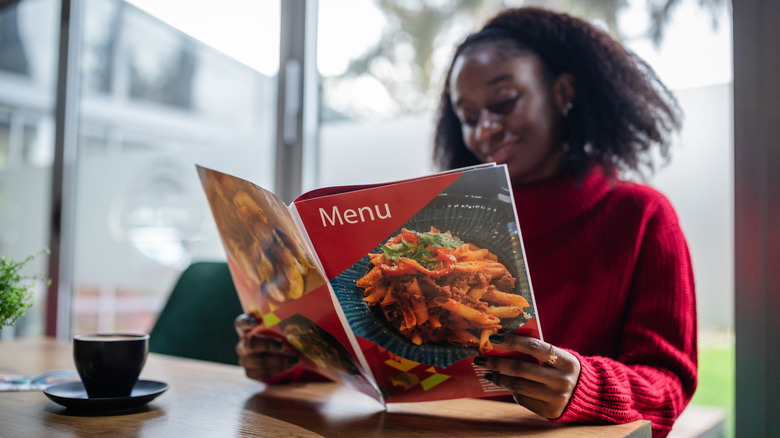
Eating your way through dim sum is a special event that could span hours in traditional Chinese households. It's the ideal time to catch up on gossip and bond over these small, heartfelt food tokens. But with a menu item like this, timing is everything. Chowing down on dim sum after midday is a common mistake customers make at Chinese restaurants. While these items seem like lunch or dinner fare, serving this dish at dinnertime is a red flag, as it's traditionally eaten much earlier in the day. When it's offered to patrons after 4 p.m., the practice may indicate that the establishment is serving your party reheated leftovers.
You should also be a bit wary if the dim sum cart includes a cultural mashup of ingredients, like fried cheese sticks or black beans and avocado. Even though these goodies are tasty, they don't belong on a classic dim sum menu. The lack of a proper pot of tea is another red flag to take note of. If your server isn't pouring continuous cups of hot pu-erh or jasmine, that's another warning sign to consider.
Is it fresh or frozen? Look out for this red flag
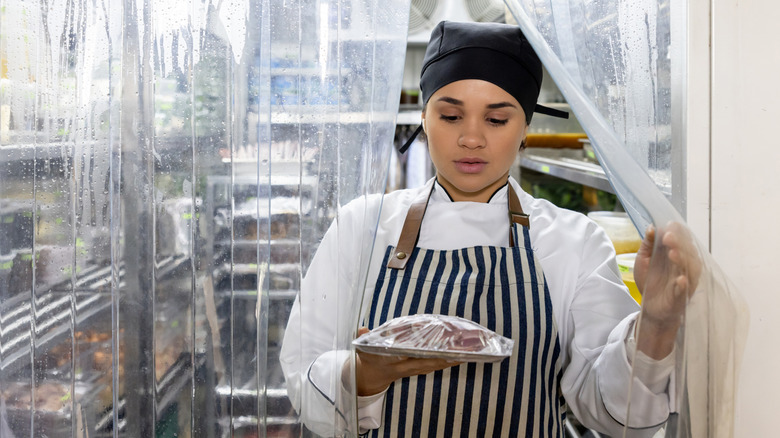
Dim sum should be served freshly steamed, with a focus on quality, not simply convenience or efficiency. If the dumplings don't come out of the kitchen in bamboo baskets dewy and piping hot, or they're lounging under a heat lamp, this could be a sign of poor-quality offerings. You'll also want to pay attention to the dishes' texture. A shrimp dumpling with tough or rubbery skin, or one that breaks easily, is probably a frozen, mass-produced product rather than freshly handmade in the restaurant's kitchen.
Check the menu too. If it includes a vast number of "catch-all" or hundreds of items, on top of dim sum, it could mean that the chefs rely on pre-made frozen items to save time and money. We get that making traditional dim sum is labor-intensive and requires a skilled kitchen crew. However, scratch-made dishes taste better than frozen, pre-made alternatives, and hand-crafting the components, like doughs and fillings, allows for precise, delicate preparation that is so crucial for moist and delicious dumpling wrappers.