

How To Choose The Perfect Vodka For Your Cocktail And Sipping Needs
You know what I think we need to talk about more? Vodka. The simplest and most understated of all the liquors, vodka's flavor is so subtle and neutral that it's often hard to discuss at all — and because it's so clean and crisp, a lot of us just grab whichever bottle we can find and pour it into our drink without a second thought. However, as a bartender with over a decade of experience and who's spent a lot of time tasting (and pouring) different types of vodka, I know that there's far more nuance to this drink than we think. The truth is that vodka's flavor and mouthfeel can vary significantly from bottle to bottle, and while you can rely on expert recommendations for vodka brands, you need to know what's right for your chosen use.
So, people, it's time to break it down. Whether you're mixing your vodka into a cocktail, drinking it neat or on the rocks, or pouring it into a vodka sauce, there's a lot to think about, and an ideal version of the liquor for each of these uses. By getting wise to how to pick out your vodka, you can make sure that you're making the right choice every time, and not ending up with a drink that's almost, but not quite right. Pull up a chair; we're diving in.
No matter what you're using your vodka for, check where it was made
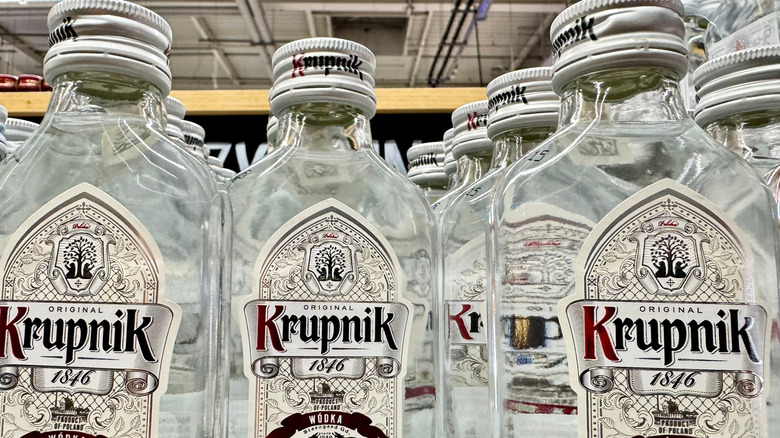
When it comes to liquor, provenance is everything — and whether you're sipping, mixing, or cooking with vodka, knowing where it comes from is incredibly important. Your vodka's country of origin will give you your first clue about its taste, as certain regions tend to use specific base ingredients. American-made vodkas are often made with corn, giving them a slightly sweeter taste, while European vodkas are predominantly wheat-based, providing a clean, light finish. Both are great for mixing or cooking with. Polish vodkas, meanwhile, can frequently be potato-based, with the potatoes giving them a richer note and making them a good choice for drinking neat.
You'll still need to check what your vodka's made with, but figuring out where it comes from is a good start. Additionally, establishing your vodka's country of origin will provide potential clues about manufacturing processes and the general heritage of your drink. Opting for a product from a country with no real established vodka industry, like the UK and its infamously poor Glen's Vodka, may leave you with a substandard beverage. Conversely, vodkas from Poland, Sweden, or Russia will likely be made with the backing of a rich production history, and can therefore be more consistent. Always check the reviews of whatever brand you're going for, though.
If you want a super-smooth vodka, opt for a filtered version

There's a little bit of debate about whether filtering vodka is actually needed — in theory, proper distillation should remove any impurities — but in my experience, filtered vodkas can taste a lot smoother and cleaner. When vodka is filtered, it passes through one final step before it reaches the bottle, and these days manufacturers use sophisticated charcoal, sand, or even diamond filters that help to trap any tiny particles that may have lingered after the distillation process. These particles and contaminants can leave the vodka with a slightly inferior flavor.
That being said, I'm not claiming here that you have to pick filtered vodka if you want the best result. There are plenty of vodkas out there that go through a rigorous enough distillation process to ensure that there are no impurities at all, and which have a crisp, easy taste. However, if you want to be safe rather than sorry, and you know you're picky about taste, then going for a filtered option will likely give you a beautifully drinkable beverage.
If you want a higher-end vodka, avoid brands with plastic bottles
The bottle your vodka comes in can tell you a lot about it. There's nothing inherently wrong with vodkas that come in plastic bottles, and plenty of mid-range brands opt for them in place of (or in addition to) glass vessels. I can understand why. Plastic is lightweight, easy to produce, and durable, and while there can be an assumption that it alters the flavor of the drink, you'd have to have a seriously trained palate to tell the difference between a vodka in plastic and one that's in glass.
However, with all that said, it's also true that higher-end vodkas generally steer clear of plastic bottles, as they can carry a perception that they're somehow lower-quality. Because of this, if you opt for a plastic-bottled vodka, either to drink neat or to mix with lighter mixers, then you may well not be picking the best or fanciest choice. You'll still likely be making a decent choice (unless you go for a real bargain-basement option — in which case, good luck!), but you're not gonna be getting premium liquor.
No matter your need, check your vodka's appearance

One thing that a lot of people forget about when it comes to vodka is how it looks. If it's unflavored, vodka's supposed to be completely clear, but all too often we don't scrutinize the actual liquor closely enough, and instead just pick up our chosen bottle and throw it into our basket. Well, next time you're buying vodka, stop and really look at it first. If there's any fogginess, haziness, discoloration, or any sediment in the bottle, then it's a sign of imperfection or degradation, which may well affect its flavor, and potentially even its safety. Vodka doesn't go bad, but if there's anything in there but the liquor itself, it's a bad sign.
If you've already bought a bottle that has any of these signs, then you should dispose of it and buy a new one. Furthermore, it's always a good idea to lightly shake the bottle of vodka before you buy it. Sedimentation or discoloration can sometimes be hidden behind the label or at the bottom of the bottle, and moving it around a little will reveal it.
If you're drinking vodka neat, potato-based is the way forward
Okay, let's talk about flavor. Wheat-based, corn-based, and potato-based vodkas will all fall into a similar camp flavor-wise, and they all have that clean, boozy taste that we know this liquor for. However, potato-based vodka is just a bit different. Potato vodkas tend to have a creamier mouthfeel and flavor, and while the difference between them and other varieties is subtle when it's in mixed drinks, when drunk on its own, these qualities really stand out.
As such, if you're drinking vodka neat or on the rocks, a potato-based vodka is the way to go. It provides a slightly more satisfying experience and can help the vodka taste less sharp. If you don't have any potato-based vodka on hand, you can, of course, opt for a corn or wheat vodka — but once you've tried the difference, you'll never go back.
Potato vodkas are also a great option for heavier cocktails like White Russians, where the creaminess of the liquor is matched by the creaminess of the ingredients. As for which potato vodka to go for, Chopin is an excellent choice, thanks to its smoothness and its ever-so-slight nuttiness. Woody Creek Potato Vodka is also a fantastic option: This craft liquor is made with Colorado-grown potatoes, and it has a delightfully rich, almost buttery finish.
For lighter cocktails, grain and corn vodkas are my top pick
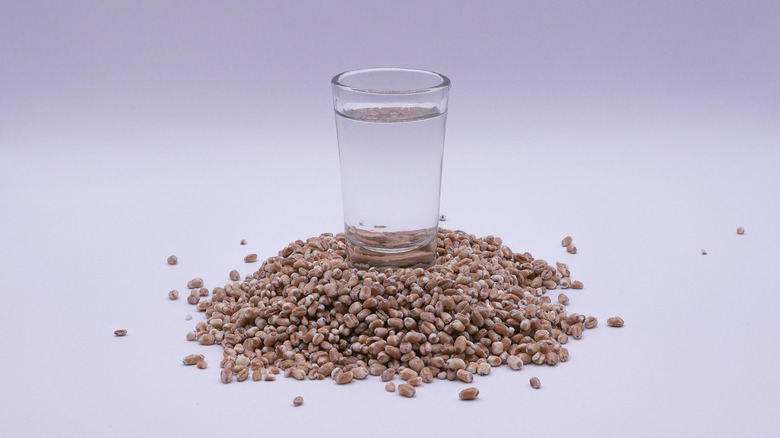
In cocktails and mixed drinks, vodka should have a presence without being too intrusive. While potato-based vodkas can work in cocktails just fine, it's normally the case that wheat and corn vodkas will have the edge. These vodkas tend to be cleaner and lighter, with a bright finish and almost a zestiness that can really bring mixed drinks to life. Corn vodkas, like Tito's, also have a gentle sweetness to them, which won't make your drink sugary by any means, but which will intensify any sweeter notes in your beverage.
As such, these tend to be my go-tos for cocktails — although you might want to think about the specific cocktails you use them in. Corn vodkas, for example, are great in a vodka soda, where the combination sometimes needs a little something to make it a touch more exciting. They also work well in a cosmopolitan, where they give the drink that extra splash of sweetness. Grain vodkas, on the other hand, are great for cocktails like dirty martinis or a Bloody Mary, where you're working with saltier, almost savory flavors. That being said, some bartenders prefer to use a potato vodka for dirty martinis, as they give the simple drink a little more body. Ultimately, it's best to experiment with which vodka works best for your palate.
Don't spend too much money if you're cooking with vodka
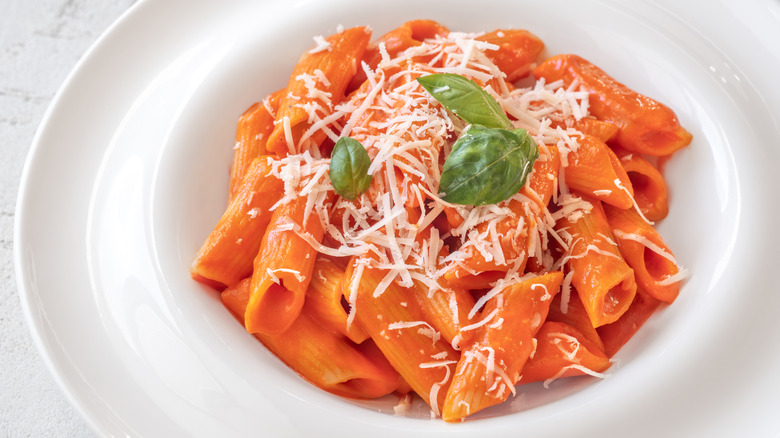
Vodka can go in a lot of foods. Yes, it's most famous for elevating your pasta sauce to the next level, but it can also be a valuable ingredient in anything from a marinade to a perfectly flaky pie crust. However, if you know that the vodka bottle you're about to buy is going to mainly be used as a component of your dishes, you shouldn't be tempted to go top-shelf. Generally speaking, vodka's nuance will be swallowed up by the stronger ingredients in your food.
Pasta Corner owner and chef Vincent Benoliel agrees. "I've tested a lot of different vodkas and found that the end result is basically the same across the board," he said in an interview with Tasting Table. "Using a more expensive vodka doesn't really taste different than when cooking with a less expensive brand." In food, vodka is generally used as an enhancing component, as opposed to a flavor in itself, and so what you're looking for is a reputable product with a standard 40% ABV. That said, it's still worth looking at your chosen vodka carefully, to see if it has any additional ingredients that could indicate poorer quality (and which may end up flavoring your food in ways you don't want).
If you're infusing vodka, wheat is generally best, except for certain flavors

Infusing your own vodka is a lot of fun. Throughout my career, I've worked in places that have infused vodka with everything from vanilla to chilies to bacon, and while the results haven't always been my preference, they sure are fun. Plus, it's easy to do: You can make loads of different vodka infusions at home, and all you need is a good bottle of liquor and your chosen ingredients.
However, looking at the base ingredient in your vodka is more important than you might think. For most infusions, you want a clean, easygoing, versatile vodka that won't impose itself too much on the flavors you're going for. For that reason, wheat-based vodkas are usually the best choice, as they have a neutral, unobtrusive flavor that will allow whatever you're using to shine through.
While grain-based vodka is a safe choice, you can also adapt your vodka choice if you're infusing it with certain flavor notes. Infused vodkas that lean into more buttery tastes — like those imbued with vanilla or toffee — may work better with a potato-based vodka and the creaminess it brings to the table. When you're just starting, though, I'd recommend sticking with grains until you get more accustomed to the nuances in the liquor.
The ABV of your vodka will determine how you use it — and how much you use
It's no great secret that vodka's strong. Like other liquors, it tends to hover around the 40% ABV mark, enough to burn your throat and make the morning after pretty groggy. However, some of them are way stronger than that, and several products can contain 50% ABV (or even higher). At higher ABV levels, you need to be careful with how you're using your vodka. Higher-ABV vodkas are less suited to drinking neat or on the rocks, as the burn from the alcohol is too intense, and you likely won't taste any of the nuance in the liquor. In all likelihood, your drink will be a little uncomfortable to consume.
Therefore, if you're drinking your vodka without any mixer, it's best to stick to a standard, 40% ABV product. Additionally, if you're using a higher-ABV vodka, you'll likely need to use slightly less in cocktails and mixed drinks. Using the same amount will knock the balance of your ingredients off-kilter and make everything taste more alcoholic. Sure, that may be what you want, but in most situations, it won't make for the most pleasant drink.
For pre-flavored vodkas for mixed drinks, focus on quality and ingredients

Flavored vodka can be a mixed bag. When it's good, it can be sensational, full of nuance and complexity, and with an awareness of how the flavors work with the inherent notes in vodka. When it's lower-quality, though, it can be full of additional ingredients and overly sugary, with the manufacturers basically working to hide the taste of vodka instead of honoring it.
Despite a lot of people knowing this instinctively, it can be easy to treat flavored vodka as a bit of a lesser product, and to just go with the cheapest option. In fact, it's best to do the opposite. A flavored vodka is only as good as its base, and if you go for a lower-quality option, you'll end up with a lower-quality drink — so make sure your vodka's made by a reputable brand with a proven track record of producing great beverages. Additionally, if your vodka's nutritional information is available, check its ingredients for any preservatives, additives, or excessive amounts of sugar. Personally speaking, I like to go for flavored vodkas that have less sugar, and spruce them up if needed with a simple syrup.
Static Media owns and operates Daily Meal and Tasting Table.