

7 Vegetables You Should Buy Frozen, Not Fresh
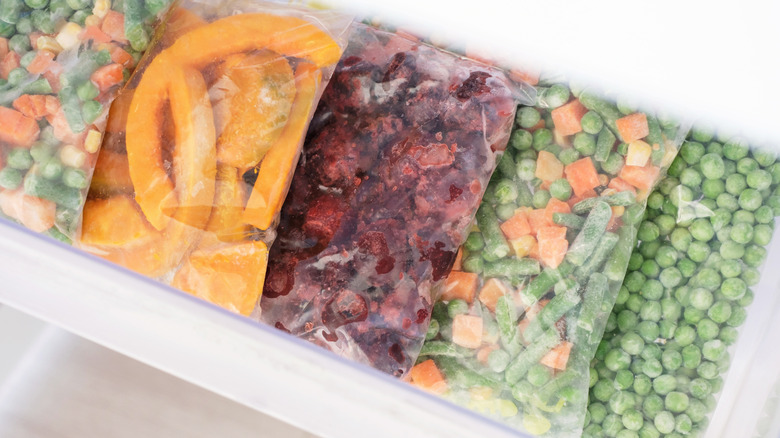
Nothing compares to the look and flavor of freshly picked vegetables, if you're lucky enough to have access to them. But, unless you have a regular farmers' market nearby or are a skilled gardener yourself, the best you can hope for are supermarket veggies that were picked underripe and are likely several days old. While these can be tasty, they can also be disappointing, especially if they're out of season. Even worse, many are highly perishable. Most of us have had that disappointing moment when we realize the veggies we've been storing all week have gone bad and need to be tossed.
For this reason, frozen veggies are often a better choice. Nutritionists, such as our expert, Rachel Gargano, MS, RD, CSSD, CBS, Chief Registered Dietitian at Live it Up, are big fans. "Frozen vegetables are a great option because, in most cases, the freezing process allows them to maintain their nutritional value for longer than fresh," Gargano said. "Not only that, but frozen veggies are both less expensive and have a longer shelf life." Additionally, because they're frozen right after harvest, they often taste better than fresh veggies that have been sitting around a while.
Corn
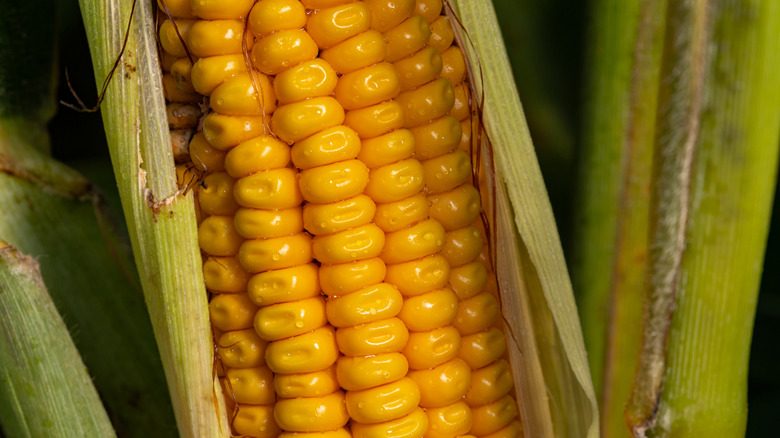
Most of us associate corn on the cob with the height of summer, and foodies hear tales of corn lovers who wouldn't think of harvesting ripe ears from their gardens without a pot of boiling water ready to receive them and a stick of butter already on the table. This isn't a realistic expectation for most of us, and, in the winter, it's simply not going to happen.
This is when frozen corn is indispensable. It not only holds most of its nutrients and summery flavor when frozen, according to Rachel Gargano, it also holds its texture and bite in wintery dishes such as soups and stews. And, while it may be the only thing available to you in the winter, frozen corn can even be a superior option in the summer. Because it's processed the day it's harvested, frozen corn is sweeter than the fresh variety that may have been sitting around a few days. This makes it a good choice when making dishes such as corn pudding or muffins, when you want that sweetness to really shine.
Peas
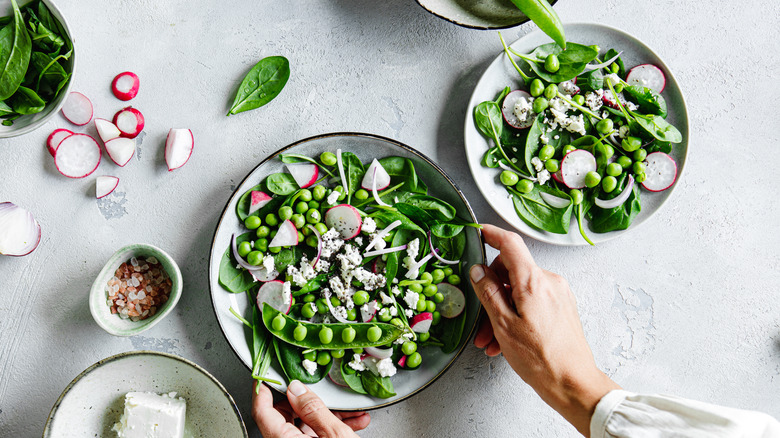
Fresh peas aren't always easy to find, even when they're in season, and when we do find them, their quality can be a bit of a crap shoot. Sometimes they're sweet, tender, and fragrant, but others they're an overpriced disappointment. If you want consistency, frozen peas are your friend. They not only allow you to enjoy a taste of summer year-round, their longer shelf-life means you don't have to feel pressured to eat them as soon as you get them.
If you're a kitchen perfectionist who considers frozen veggies a form of cheating, we want to give you permission to make frozen peas part of your routine. If it makes you feel any better, no less a culinary luminary than Bobby Flay prefers frozen peas to fresh ones in his kitchen. To ensure your frozen peas are at their best when you cook them, Rachel Gargano advises consumers to store them with care. "Make sure you keep frozen veggies deep in the freezer where they won't warm up too much when the door is opened," she said. "If they are exposed to warm air too often, they may lose nutrients quicker."
Edamame
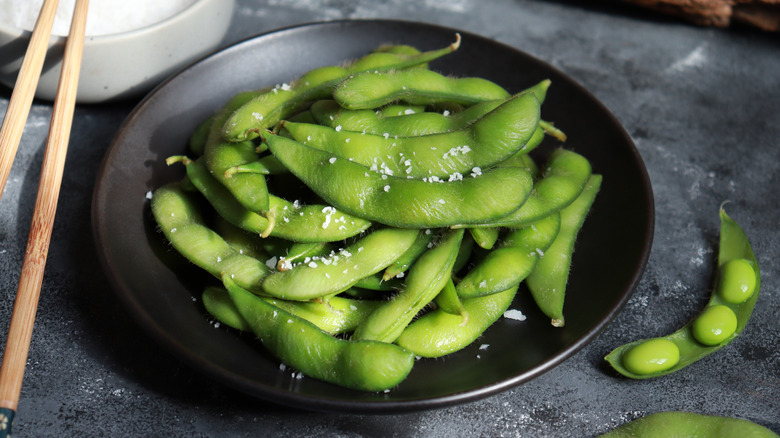
Edamame — green soybeans in their pods — are among the rare foods that are both exceptionally crave-able and good for your health. If you've ever had them in a Japanese restaurant, you know how hard it is to stop squeezing open those fuzzy green pods and popping those buttery little beans into your mouth.
These are also a snack you can feel good about indulging in. According to Medical News Today, a cup of hulled edamame contains 18 percent of your daily allowance of iron, 400% of your daily folate requirement, and is a good source of protein and antioxidants. And, all these nutrients are preserved by the freezing process. "Corn, peas, butternut squash, green beans, broccoli, and edamame are great choices when it comes to nutrient retention," Rachel Gargano said. You're also more likely to find them frozen than fresh, so it's easy to keep them around for whenever the craving hits.
These frozen pods can be steamed or boiled, but for extra texture and flavor, try air-frying edamame to give them a deeper flavor and a crisp texture. Like other legumes, edamame make a great base for a meatless burger.
Kale
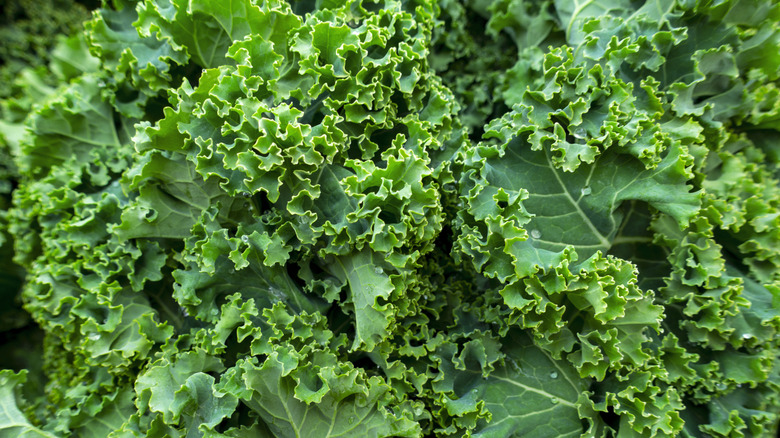
Not all leafy greens take well to freezing. As Rachel Gargano notes, "freezing damages the cell walls of delicate greens such as lettuce, rendering them soggy and limp when thawed." Heartier greens such as kale fare better, but Gargano still sticks with fresh for salads and other texture-forward preparations, especially when fresh greens are in season.
But, for many preparations, frozen kale is a more practical choice that yields great results. Like other frozen vegetables, it has all the nutritional value of fresh, and for kale, this means you get a lot of nutritional bang for the buck. It's a good source of vitamins A, K, and C, as well as potassium, beta carotene, and calcium. It's also versatile and convenient. Gargano states "Frozen ... kale can be blended into dips, casseroles, and even smoothies fairly seamlessly." It can also work well for kale chips if you want a bit of crunch. Lastly, it works anywhere you'd use cooked, fresh kale, such as in pasta sauces and soups.
Broccoli
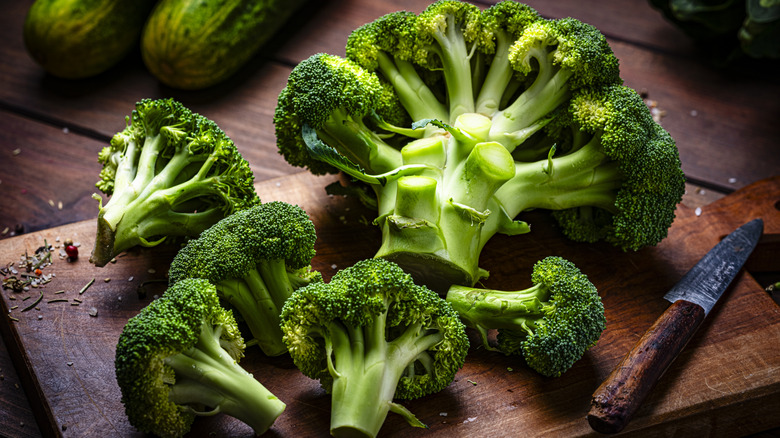
If there's one preparation most cooks associate with fresh vegetables, it's stir-fries. Because most feature tender-crisp veggies cooked just long enough to heighten their flavor, but not long enough to lose their shape or color, many cooks believe only the freshest vegetables will do. And, while good-quality fresh vegetables will yield excellent results, some frozen veggies make more-than-acceptable standbys in a pinch — and if it isn't the peak season for fresh, frozen may well be the better-tasting option.
Among the best frozen veggies for stir-frying is broccoli. With its sturdy texture and vibrant color, it stands up to the heat of a wok or sauté pan, so give it a try the next time you feel like a bowl of takeout-style beef and broccoli. But, if you've had bad luck in the past using frozen veggies in stir-fries, Rachel Gargano shares a tip: "One trick to help keep vegetables from becoming soggy is to cook them at high heat straight from frozen – do not defrost first!"
Carrots
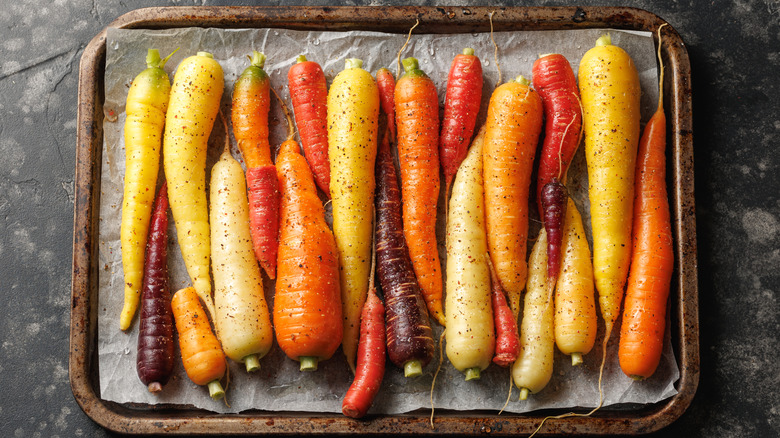
Carrots are among the most durable fresh vegetables, and cooks appreciate their ability to wait patiently in the crisper drawer without spoiling. But, if you're busy and pressed for time, frozen carrots will free you from the fiddly work of cutting and peeling. And, like most frozen veggies, their full nutritional value is locked in, so they may offer more nutrients than fresh veggies that have been sitting around for awhile.
Frozen carrots are more versatile than you think. Shredded, frozen carrots are great for use in cakes, quick breads, and muffins. Frozen carrots are also easy to blend into soups and smoothies. Of course, if you prefer crunchy raw carrot preparations such as carrot sticks and shredded carrot salads, Rachel Gargano advises that fresh is best. "For me, I enjoy using fresh vegetables when they're in season. I love my veggies to have that nice crunch and chew them!" she said. But frozen carrots can still preserve a bit of their original toothsome texture in cooked dishes. For instance, if you love your carrots roasted, you can roast frozen ones, just be sure to take them straight from the freezer to the oven without thawing.
Green beans
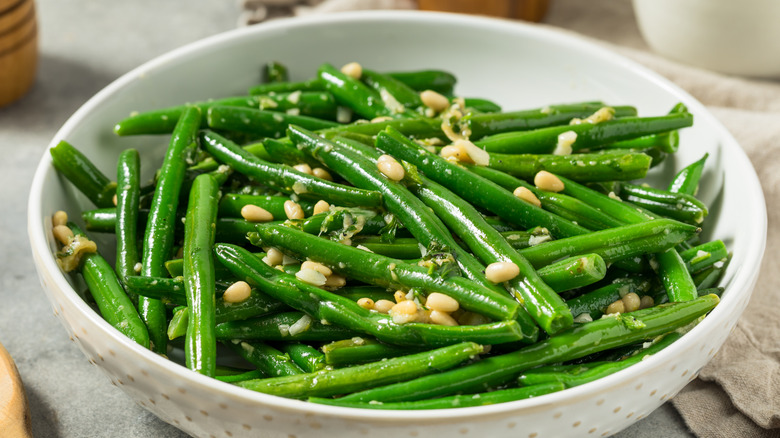
Green beans in all their forms are so readily available in supermarkets that most of us think of them as a year-round product. But, in reality, they're naturally a summer vegetable, and that's the best season to enjoy them fresh. For the most reliable quality in the winter, turn to frozen. They are just as versatile as fresh, and make great additions to soups, stews, casseroles, and tasty side dishes, like a classic green beans almondine, on their own. You can even dust them with cheese and flavorings and air-fry them for a crispy treat.
While you may find frozen green beans (and other vegetables) pre-seasoned or cooked in sauce, Rachel Gargano advises consumers to steer clear. "When choosing frozen vegetables, I always recommend avoiding any with added sauces, cheese, salt, or sugar. Just plain ol' vegetables! This way you can season them yourself and help reduce any 'extras' your body may not need."