

Prebiotic Vs Probiotic Soda: What's The Difference?
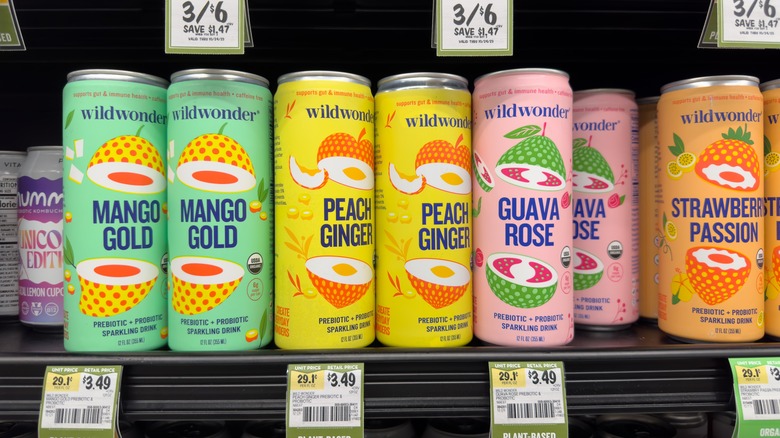
Prebiotic soda is all the rage right now. As people drink less alcohol and become more health-conscious, some are turning to beverages like Olipop, Poppi, and dupes like the version found at Aldi. Sales are booming, even though many of the health claims are overstated. Still, it usually has less sugar and fewer calories than soda, so it is often a better choice.
Probiotic sodas are equally popular. Traditional fermented beverages like kombucha, tepache, or kefir have given way to more soda-like drinks coming from companies such as Culture Pop and Cove. The original, traditional probiotic beverages are all possible to make at home, given enough time. Kombucha, with its distinctive, vinegary tang, can be an acquired taste. These new probiotic sodas aim to bring the benefits of these cultured drinks with a sweeter taste.
Some, like Wildwonder, have both prebiotics and probiotics. So what is the difference between prebiotic and probiotic soda? Is one better than the other? Will they both heal your gut, like some people may claim? (Probably not). Below we pour out the details on the two different drinks that are equal in their popularity.
Prebiotic sodas
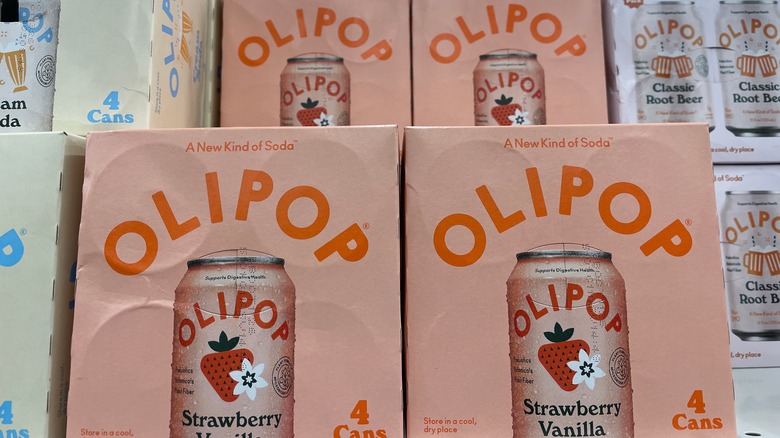
If you don't know what prebiotic means, you aren't alone. The easy way to think about it is it's what the good bacteria in your gut eat. We humans, can't digest it, which ensures it reaches the colon. A lot of people think of it as the same thing as fiber; it's actually a subset of fiber. Prebiotics are fibers that our microbiome can feed on, which isn't true for all dietary fibers.
The issue with many prebiotic sodas is that the amount of these beneficial fibers in a serving is often modest. The recommended daily intake of fiber is 25 to 38 grams per day, while the majority of these drinks contain 2 to 9 grams. Poppi, the Shark Tank-famous soda, which typically has around 3 grams of fiber per can, reportedly settled a lawsuit over the health claims out of court. The suit claimed that the amount of Poppi one needed to drink to receive the benefits of the fiber was counteracted by the amount of sugar one would consume. Olipop has some flavors that hit 9 grams of fiber, which is a significant amount.
The worry from some scientists, however, is that the purified inulin used in many of these is too simple and ferments before it reaches the lower intestine, where many of the bacteria, which also need to eat, live (via NPR). Most people who study gut health recommend eating plant-based fiber from whole foods like beans, grains, and vegetables.
Probiotic Sodas
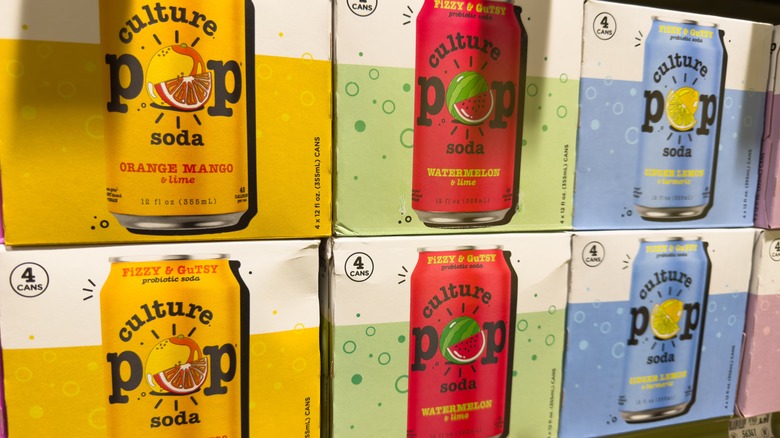
Probiotic sodas are fizzy beverages that include beneficial bacteria that help you digest. If prebiotics are the food, probiotics are what eat the food. In general, the microbes that make up the probiotics live in your intestines, where they help maintain a healthy gut and aid in digestion and nutrient absorption. Foods and beverages like kimchi and kombucha are naturally rich in probiotics.
Probiotic sodas add live cultures to a sweetened, flavored base. Unlike kefir or kombucha — where fermentation builds the culture — these are often post-brewed inoculations. Right now, the evidence is scant and mixed on whether the microbes in these sodas survive the stomach acid to make it to the digestive tract, where they could set up shop to help your body.
While the evidence of how much of an effect these sodas have on your gut is still being established, it's recommended that you purchase sodas that label the amount and type of strain they contain. The brand Culture Pop uses Bacillus subtilis DE111, which has shown some resilience in surviving the stomach to make it to the digestive tract.