

5 Things To Know Before Getting Your Groceries Delivered
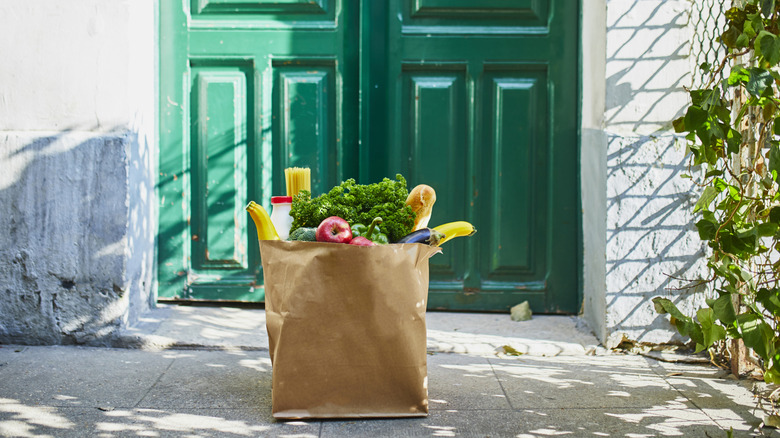
Grocery delivery is a booming business. According to Capital One, the total value of Americans' online grocery purchases in 2025 will be $327.7 billion — a nearly 30% increase from 2024. And it's expected to surpass $360 billion next year. With nearly 20% of Americans buying groceries online at least once a month, it's become a permanent part of the shopping landscape — but it's far from universal.
If you've never had groceries delivered before and are thinking of trying it, there are a few things to know beforehand to make the process as smooth and satisfying as possible. It's all about finding the best bargain on a premium service, and being considerate of your shopper and/or driver's efforts.
It's a large industry, and you may have more grocery delivery options at your fingertips than one or two big names you recognize. Each service works and costs differently, though remember you're paying for the convenience either way. And keep the convenience going with clear instructions for both shopping and delivery. You get what you want, how you want it, and they earn a good tip for doing your work. Everyone wins — ideally.
There are different options
Even if they haven't used it, most people have at least heard of Instacart. It's one of the most recognized grocery brands in the country and is available in all 50 states. But it's far from the only option on the table, especially for those in more densely populated areas. Other major players in third-party grocery delivery include Uber Eats, GoPuff, and DoorDash, but there are others.
Some grocery giants, like Costco and Walmart, may be available on third-party apps, but each also offers its own delivery service. Whole Foods also offers grocery delivery through its parent company, Amazon, which also offers Amazon Fresh in certain regions, with warehouse-based fulfillment. You could even use TaskRabbit for Trader Joe's delivery, a store that famously does not deliver.
This is just a fraction of the grocery delivery landscape, and options, just like stores, will depend on your location. But you'll likely have a considerable assortment to choose from.
It will cost more than shopping yourself
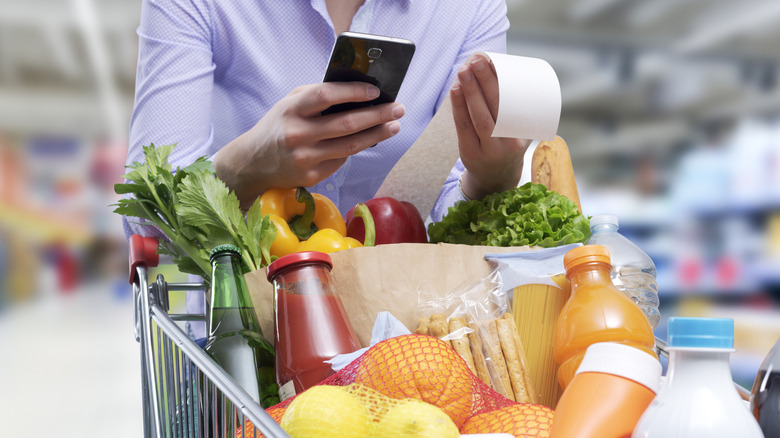
There are many reasons why groceries are often more expensive on delivery apps. Paying someone to do a job that you can't or don't want to do always comes at a premium, and this is especially true of grocery shopping. Stores might slightly raise delivery prices, especially on third-party apps, which pocket a percentage of each order total.
Delivery fees are another common cost, though these can vary widely. Limited-time promotions exist, but if you frequently use grocery delivery, a membership is key. Depending on the service, paid memberships can result in waived fees. In the case of Walmart and Whole Foods, memberships in Walmart+ or Amazon Prime, respectively, can even unlock free same-day delivery (in Amazon's case, with an order minimum).
There are a few other potential costs, such as service fees or fuel surcharges, as well as varying levels of taxes depending on where you are. Unfortunately for your bottom line, there isn't much you can do about these extra costs except pay.
Plan for replacement items
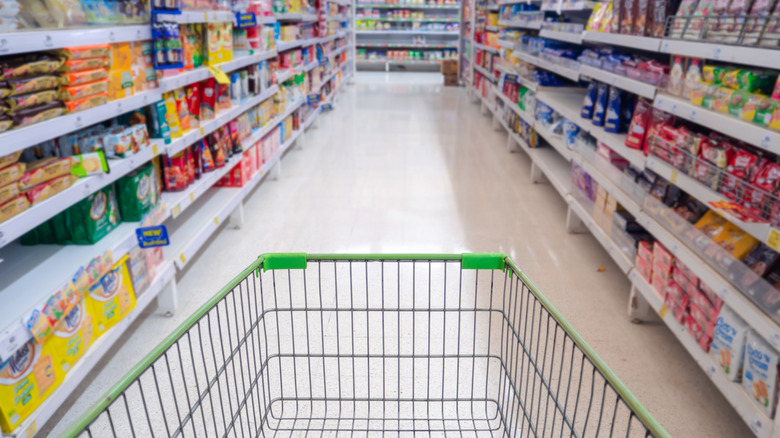
Picking replacement items is one of the tips for making a better grocery list in general, but it's especially helpful when getting groceries delivered. Whereas you can decide item replacements on the fly in person and only lose a few seconds, it takes much longer when someone else is shopping for you.
Without designated replacements, your shopper might try to make the call on their own, even though they don't know what you like or how you use the item. Or, if they engage you in conversation about the missing item, the shopper might not adequately communicate available replacements — especially if dietary restrictions are a concern.
Well-designed grocery delivery services should offer a way to designate replacement items ahead of time, so you can preemptively tell the shopper your second choices for any item. Focus on low-stock goods, though it can't hurt to have a replacement on deck for everything, especially if the app or website will remember your choices for future orders.
Set delivery instructions
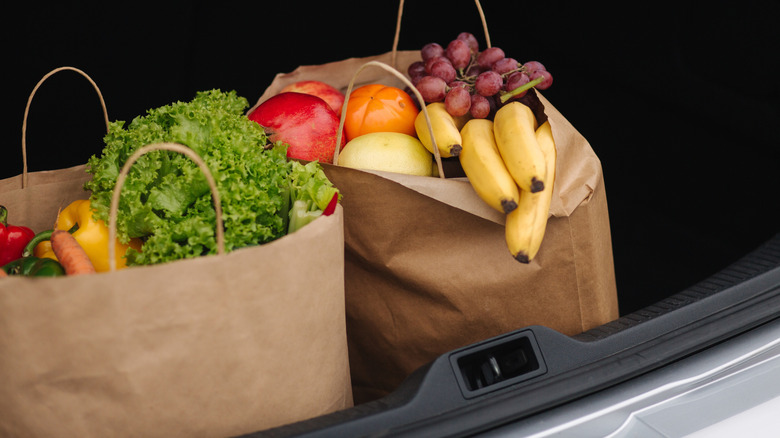
Obviously, buying groceries is only half of grocery delivery — they also have to arrive at the correct destination at the right time. And while most domiciles have a street address somewhere on the exterior, it isn't always clearly visible from the street. With the courier likely navigating both the app and traffic, they may not be able to closely scan buildings for your street number.
Make it easier for the driver by adding delivery instructions that visually describe the drop-off location. Either describe your home or apartment building by its most notable features (i.e., colorful shutters or a building name), or use a nearby landmark — for instance, if your front door is right by a fire hydrant or the largest tree on the block.
But it's not just where the drop-off is, it's how it's going to happen. Either say you'll come out to meet them, in which case it can be helpful to describe your appearance, or tell them exactly where to leave your order. If you're in an apartment building, they may be able to leave it at the front desk, but you should ask the attendant before assuming so.
Tip your driver
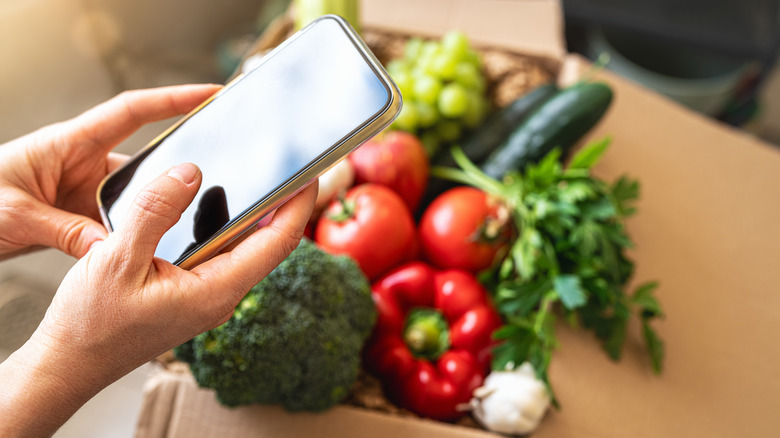
You might think that grocery delivery pays a decent wage for such demanding physical labor, coupled with customer service and driving all day, but you would be wrong. Grocery delivery is often a low-paying job, with drivers earning just a few dollars per order. That might seem okay for running some chips and paper towels down the block, but not for a week's worth of groceries driven across town.
Drivers rely on tips to make their compensation worthwhile, and in some cases, you rely on them to make your order attractive. Some services will show shoppers your pre-selected tip amounts. Orders with higher tips get picked up faster; those without a tip can linger until someone takes pity on you.
When tipping for grocery delivery, aim for 15-20% of the order total. Consider adding more for any circumstances that make the order more difficult to complete, like inclement weather, holidays, or an excessive amount of stairs. This can certainly add up for larger purchases, but it's for an underpaid worker who's doing a considerable amount of labor for you — and it still beats doing the shopping yourself.