
10 Rules For Shopping At A Bakery
Who doesn't love a bakery? The smells of freshly-baked bread and pastries, the sounds of baked goods being placed in rustling plastic bags, and the crunch as people take their first bite through a perfectly cooked crust ... These places are heaven on earth. However, for places that seem so simple, shopping in bakeries can be a little confusing. Whether you're walking into the small-batch joint on the corner, purchasing Aldi's best bakery items, or buying the Costco baked goods that are worth your money, bakeries can be surprisingly elusive places where the rules can be opaque. Get them wrong, and you may leave with none of the comfort that a bakery provides.
Well, we don't want that, do we? No, we don't — and that's why we decided to break down all of those key rules that you should know when shopping in a bakery. From establishing exactly what type of bakery you're actually in, to the key signs that will tell you when a bakery's up to scratch, following these instructions will help make your trip as successful as possible. Plus, we'll teach you some little-known rules about bakeries that can make your experience more interesting than other people's. Let's go.
Figure out what type of bakery you're in
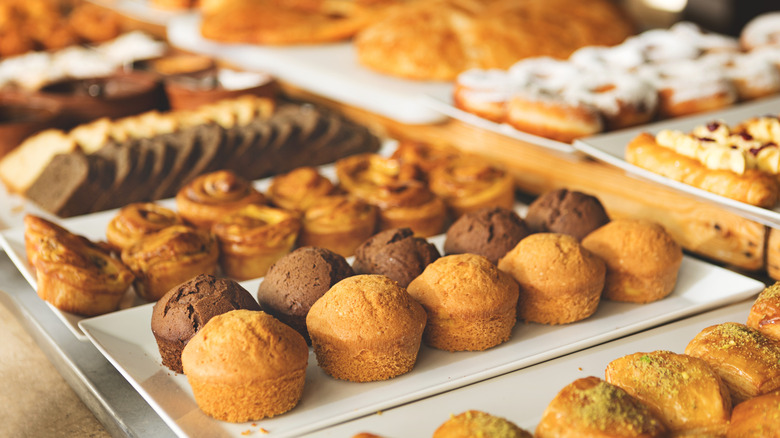
Bakeries are bakeries, right? No. It can be very tempting to treat all bakeries as exactly the same, but just as restaurants specialize in distinct types of food, different types of bakeries focus on specific items. The bakery you've just walked into might be a French-style pastry shop complete with a café, or it could be a bread bakery that focuses on loaves but doesn't serve as many sweet items as you might like. It could also be a cupcakery, or it could focus on wedding cakes or larger items that aren't meant for day-to-day consumption by individual customers.
The bakery you've walked into could also be a specialty outfit that produces baked goods for folks with specific dietary needs. In truth, a lot of bakeries will combine aspects of all of these baking styles or products — but you shouldn't assume this is the case. As a result, make sure you're figuring out what type of bakery you're walking into before you go there. By doing this, you can ensure that you're getting the food you want and not leave disappointed and embarrassed. If in doubt, call ahead and ask if they have the items that you're keen to purchase.
If you want the freshest bakery items, go early — or figure out when your bakery bakes
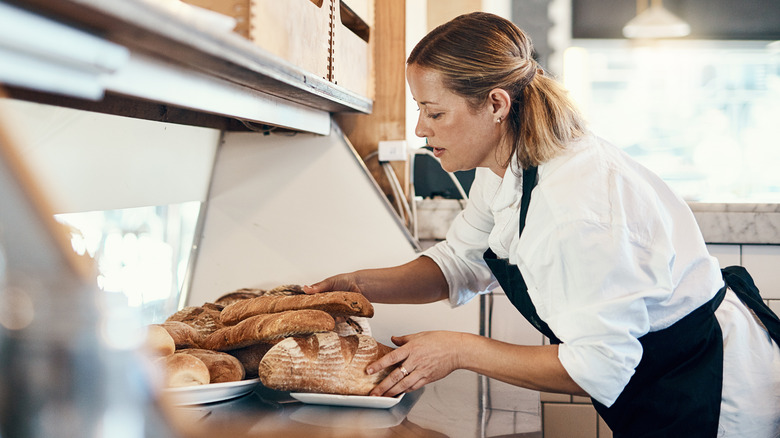
Bakers famously have to get up pretty early in the morning to get everything ready for the day ahead and to accommodate the morning rush. As you might expect, this means that bakeries are usually pretty well-stocked first thing in the morning, which is when the first batch of product goes out. If you're sick of turning up to your local bakery and finding that everything's gone, then the safest thing to do is to head there just after it opens and grab your items for the day. You'll have to set an alarm to do this, but your reward will be just-baked bread and pastries — and honestly, what's better than that?
Having said this, you don't strictly have to turn up right as the bakery opens. Virtually all supermarket bakeries and a lot of smaller outfits bake their items in batches and churn out several rounds of baked goods per day, to ensure that they're stocked up for whoever walks in. Bakeries will also generally adapt their output to when people are eating certain items, with breakfast goods available in the morning, and lunchtime options being cooked a little later. The quickest way to figure out when bakeries refresh their stock is to ask a member of staff. If you don't want to do that, though, going in the morning's a safe bet.
To buy a custom cake, place your order well in advance
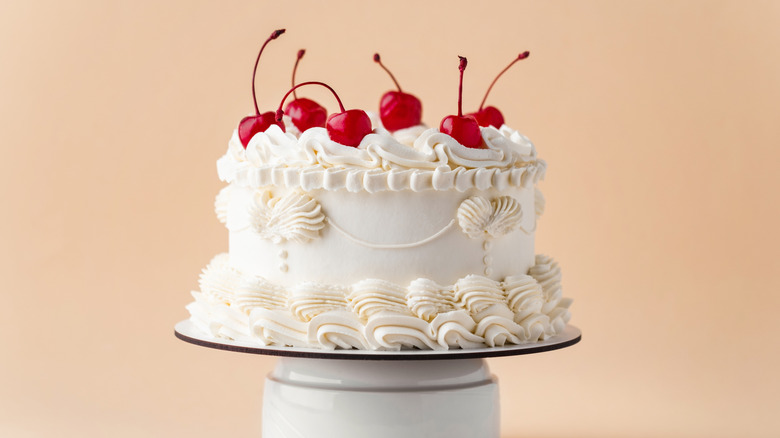
Planning a special day for someone (or for yourself) and want a special baked item to go with it? You should make sure you get your ducks in a row beforehand. A lot of bakeries are well-versed in fulfilling custom cake orders, and for many of them, it's a significant part of their business. However, they also need time to prepare and plan, and the more elaborate the baked good you want is, the further in advance you'll need to order. Some bakeries will require you to place your order up to six months in advance for wedding cakes or one-off celebrations, while birthday cakes may need ordering a couple of weeks ahead of time.
Having said this, bakeries also know that being reactive is part of the business, and they may well be able to accommodate day-of orders. Generally speaking, though, this is only if the baked goods you're asking for aren't too complicated. Even if this isn't the case, best practice is to check with your bakery ahead of time so they can prepare.
If you like pre-sliced bread, ask them to slice your loaf for you
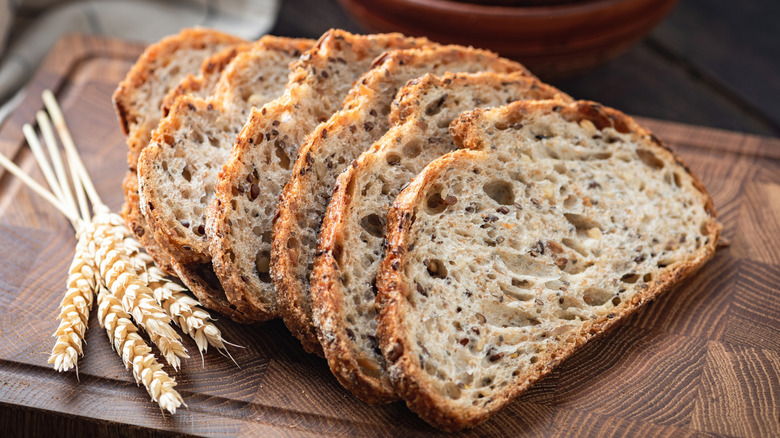
We're about to let you in on a secret. You know those glorious, freshly baked loaves of bread that your bakery stocks, which are always a little bit difficult to cut at home? Well, if you ask nicely, they may well cut them for you before you leave the store. Supermarket bakeries and local bakeries alike are usually pretty happy to slice the loaf of bread you just bought, and they may even be able to do it to your own specifications. If you like thicker slices or want slimmer ones, all you have to do is ask. It's a great way to get all the ease of a prebagged supermarket loaf, while also enjoying bread that's actually, y'know, good.
This being said, some bakeries might charge extra to slice your bread for you. It's important to remember that they don't do this out of spite. Slicing bread can take up time that's spent on other tasks, and it incurs both labor and product costs, particularly if they're then bagging it up for you. Elsewhere, bakeries may be unwilling to slice your bread at all, as they want to preserve the integrity of their product and have you enjoy it as intended. If you know you'll want your bread sliced, though, there's no harm in calling ahead and asking whether your chosen bakery offers it as a service.
When the bakery smells like cleaning supplies, you should leave

Everyone wants the bakery they're shopping in to be clean — but sometimes, things can go a bit too far. If the bakery you've just walked into smells like cleaning solutions or has the harsh scent of industrial sterilizing sprays, then it could be a sign that things aren't as they should be. The bakery could be cleaning a little too aggressively, or they could be trying to mask another, less pleasant smell. Either way, it's likely not a good sign.
So, when you walk into a bakery, take a good whiff. You should get that classic scent of yeast, sugar, and freshly baked bread. Anything else, and you might be better off going elsewhere. That being said, don't be distracted by the intoxicating aroma of croissants and baguettes. You should also assess the bakery you're in visually. Look out for any dirty surfaces, smudged panes of glass, or a buildup of crumbs or food detritus on counters or around items. If you spot any of these, it could be a sign that the bakery isn't up to scratch on its cleaning.
To stock up baked goodies, purchase them frozen
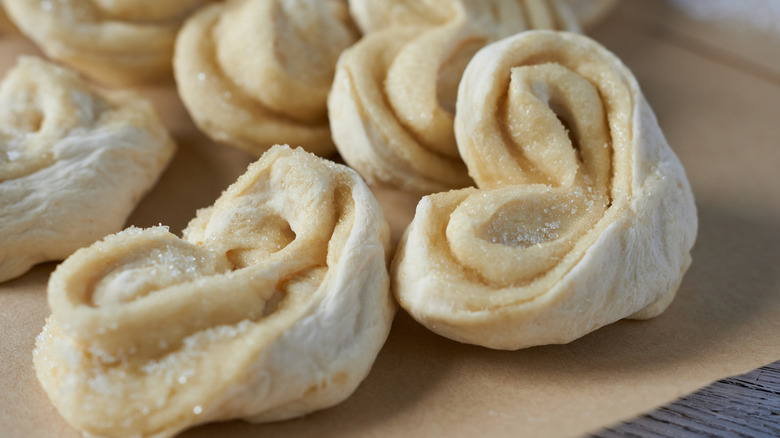
One lesser-known secret about bakeries is that you don't have to buy things fresh. Some bakeries may also sell their items frozen, so that you can enjoy them at home for months to come. This is more common at supermarket bakeries, for the simple fact that a lot of the bakers in those departments aren't actually making everything from scratch each day. Instead, they're working with parbaked items that are shipped frozen, which they then cook daily on the premises.
Buying baked items while still frozen can be a great festive hack, and can allow you to beat the crowds when shopping for Thanksgiving or Christmas. Instead of rushing to buy pies a few days in advance, grab yours a month or two out from the big day and bake them at your leisure. Crucially, some supermarket departments might not be allowed to sell you frozen versions of their items — so if the baker there says no, don't push it. This is also less likely to work at smaller independent bakeries, which usually make their items from scratch.
Make sure you ask about allergen information
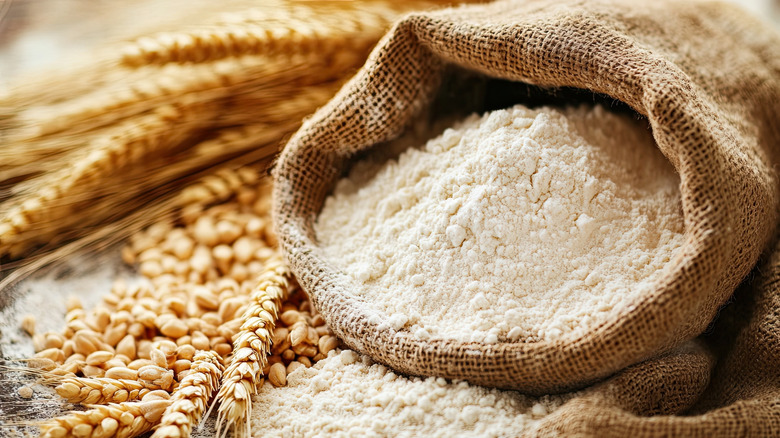
Okay, so we're probably not gonna blow anyone's mind here: Bakeries are full of potential allergens. Traditional baked goods are made from wheat, dairy, eggs, and nuts, which are all allergenic ingredients or food groups that could prompt reactions in certain individuals. However, modern bakeries may also be using more allergens than you might think in their foods, due to the development of food technologies and the desire for unique flavors. Nowadays, you may well find soy, celery, and mustard in commercially baked goods, and some may also contain sulphur dioxide.
Because of the wide range of potential allergens in bakery items, it's unwise to assume that you won't react to something just because it looks safe. Instead, you should always ask for allergen information about anything you're buying. Bakeries are incredibly aware of their responsibility to be on top of this information, and they should be able to provide it willingly. If they won't, it's a bad sign. Furthermore, you should remember that bakeries are places where cross-contamination is usually fairly likely, so if you have a profound allergy, you should keep this in mind when ordering. This applies in supermarket bakeries, too, so when you're picking up those essential Trader Joe's bakery items, keep in mind that they could have come into contact with something allergenic.
Before you buy any baked goods, make sure you take a long, hard look
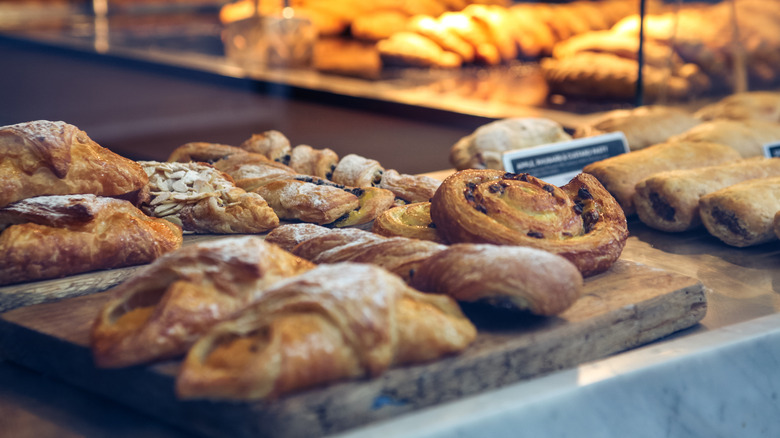
Bakeries are places where the food is proudly on display for everyone to see. This can be a good and a bad thing. It's good because you know exactly what you're going to get, you can pick your items at will, and you can, of course, have your appetite nice and worked up while you're waiting to order, while looking at all of those delicious goodies. It's bad, though, because many of us don't actually know the visual difference between a freshly-baked good and one that's past its prime or that's been badly cooked. Instead, we get swept up in the thrill of the food in front of us and can end up ordering something that's not that great.
That's why it's crucial to look really closely at what you're buying. When baked items are fresh, they look plump, glossy, and smooth. When they move past their best, though, they lose moisture and start to develop creases and wrinkles. If the baked items you're buying seem scrunched-up, avoid them. Furthermore, keep an eye on tone. Bread and pastries should have some color to them, but they shouldn't be overly dark. If they do appear charred or burnt, you can bet that they'll be overcooked on the inside.
If you want super-fresh bread without a lot of effort, buy the bakery's raw dough
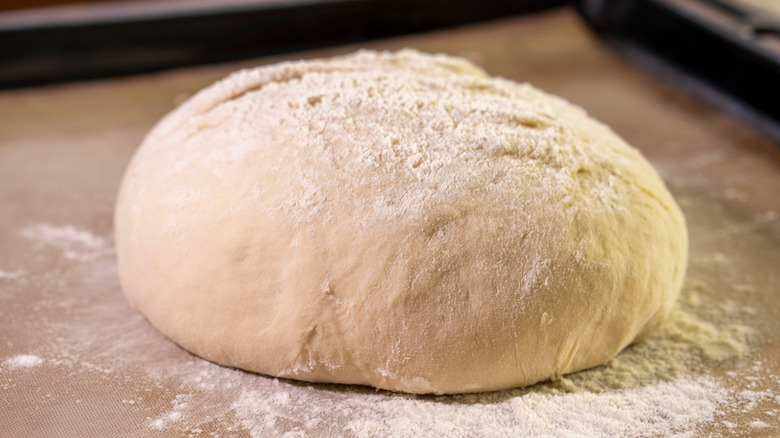
Here's a hot tip for you, guys: You don't have to buy your bread fresh from a bakery. If you ask nicely, the place you're in might just sell the raw dough to you. Supermarket bakeries may allow you to purchase individual portions or batches of dough to make all of your favorite items in the comfort of your home. By doing this, you can achieve the feeling that you made it yourself without any of the hard work, and you can freeze the dough to bake it another time.
Artisanal bakeries may also be willing to sell you their dough, particularly if they've made too much of it that day and need to shift some stock. It's not just bread dough that you can pick up at bakeries, either. You may also be able to grab pizza dough, cookie dough, or even pastry dough, depending on what the bakers have in stock and what they can sell. Having said all this, some bakeries might not want to sell you the raw goods. If that's the case, you'll just have to buy the finished product — or learn how to make your own easy bread at home.
If you want a cake decorated, you can bring your own decorations

One of the things we love the most about baking is that you can really bring your artistic flair to it — and you don't have to actually bake the item you're decorating to do that. Some grocery store bakeries may allow you to bring your own decorations to the store, so that the bakery staff can jazz up the cake you're buying to your own specifications. This is especially handy if you want to create something extra special for someone with aspects that a typical supermarket bakery might not offer, and include certain candies, toppings, flavors, or plastic decorations that stand apart from the pack.
Importantly, though, if you're doing this, don't leave it to the last minute. Bakeries will need time to execute your design, so give them a good few days to decorate the cake for you. That's if the supermarket actually offers this service: You'll need to check beforehand before assuming they do. On the flip side, you can also sometimes buy the decorations that bakeries sell and decorate your own items at home. Combine them with your own decorations, like the leftover crumbs from your cake, for something truly special.