

10 Tips For Making The Perfect Butternut Squash Soup, According To An Expert
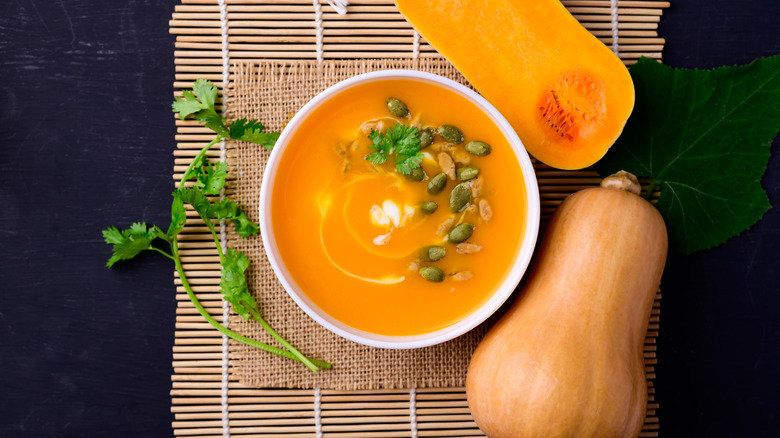
Butternut squash is a versatile seasonal favorite vegetable that can be used in numerous recipes this fall, from simple roasted squash to butternut squash lasagna. But, among all the recipes you could use it in, butternut squash soup is a classic mainstay that graces many supper tables throughout the season. While this dish is so beloved for its simplicity, there are a few things you should know if you want to get your soup just right.
During my more than 15 years spent in the food industry, I crafted many soups, and butternut squash soup was a popular menu item during the fall. When creating menus, I looked for ways to upgrade my own recipe to make it truly special — and by doing so, I discovered a few fantastic tips for making the perfect butternut squash soup. I continued to implement and refine these tips during more than 20 years of making soups at home for my family. Today, I get to share that expert advice with you.
Are you ready to create a warming, mouthwatering pot of butternut squash for your friends or family? Making use of one or more of the tips below guarantees that everyone who has a bowl will fall in love with it.
Choose the best butternut squash for your base
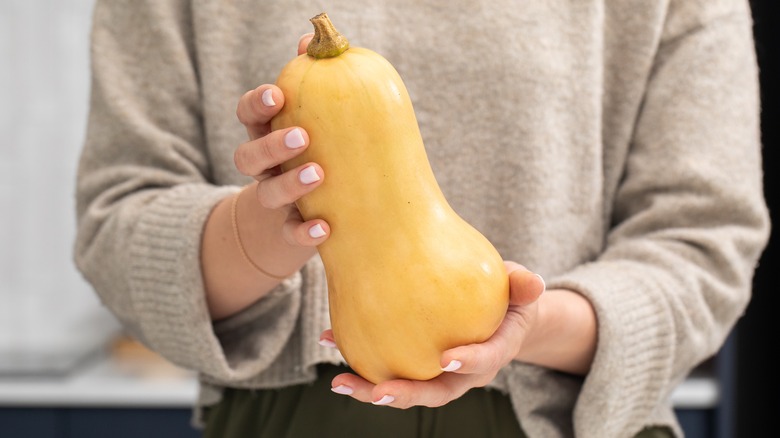
You can't overlook the importance of choosing the highest quality ingredients for this soup (and every other dish you cook, as a matter of fact). Since butternut squash is the starring ingredient in this dish, it's so important you choose the best option available to you. Although you can usually grab a great option at your local grocery store, it pays to check your local farmer's markets or roadside produce stands. These picks are often fresher than what you'll find in the supermarket.
Regardless of where you pick your butternut squash, you should know how to tell if it's ripe. Look for one with a uniform color that's deep tan and may be bordering on orange. There should be no green on the skin whatsoever, and you don't want one with any shine — matte skin is what you're looking for. When you hold the squash, it should be hard and firm and feel heavy for its size. Avoid anything that has started turning brown or has imperfections along the skin.
Craving butternut squash outside the season? Although fresh produce is always preferred, you can use frozen diced butternut squash in a pinch. Just keep in mind that the flavor profile may not be as fresh or layered.
Roast your butternut squash before pureeing
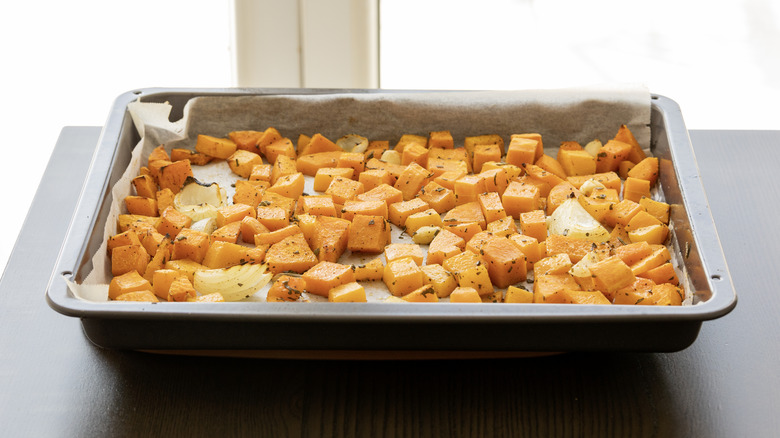
There are two basic options for softening your butternut squash to be pureed in your soup — boiling and roasting. If you want to make the perfect soup, always opt to roast your butternut squash. Roasting your squash instead of boiling it will lend a stronger flavor profile because the sugars inside have a chance to caramelize. In turn, this will lead to a more full-bodied soup taste that fully embraces the squash's natural sweetness.
Before pureeing your roasted butternut squash, allow it to cool slightly to avoid burning yourself. For this process, you can choose to use a standing blender or an immersion blender, based on what you have available to you. While the produce cools, take a moment to set your mise en place if you haven't already. Then, add your chosen liquid a little at a time when blending until you reach the right consistency. I prefer a slightly thicker consistency, but you can make the puree thinner, too, if desired.
Include apples, pears, or carrots for additional sweetness
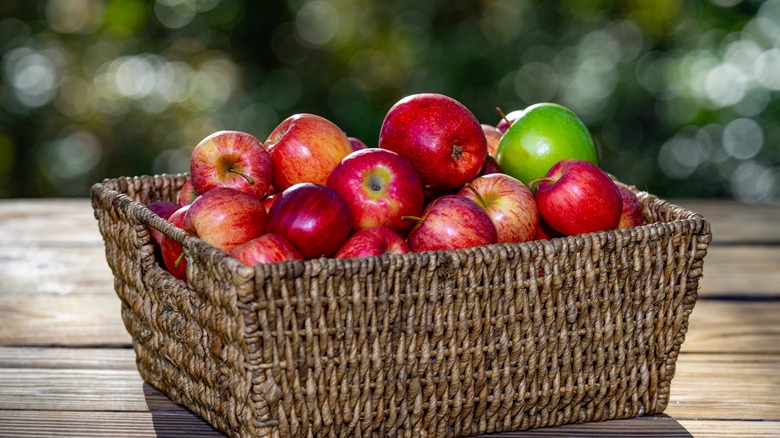
Adding a few apples to your puree can lend additional sweetness and create a more complex flavor profile in your soup — and this is the fruit that Martha Stewart adds to her butternut squash, too. Any sweet apples will work, but Fuji, Gala, and Honeycrisp are exceptionally good options because of how sweet they're known to be. However, if you want to add a small bite of tanginess to the soup, Granny Smith is a better choice.
If you're not an apple fan or don't have any on hand, you could also use pears or carrots. Both will lend a mild sweetness like apples but contribute their own unique flavor profiles to the dish. If you're creating a sweet soup, choose pears or apples. If you're making a more savory butternut squash soup, opt for carrots or apples.
You can boil these additional ingredients or roast them alongside your butternut squash. I recommend boiling carrots because of how tough they are, but roasting is preferred for pears and apples. Toss them into the blender alongside the squash before adding liquid to fully incorporate the flavors.
Leave small chunks of butternut squash for more texture
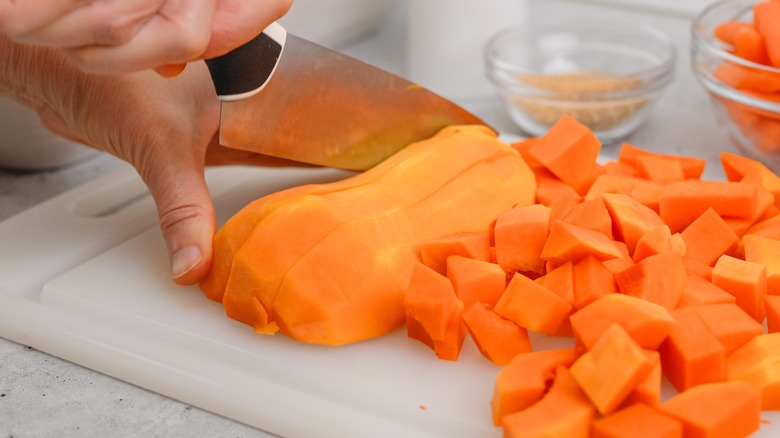
Most butternut squash soup recipes call for a smooth, uniform final result. And this can be absolutely fine if that's your preference. But sometimes you just want to create a little more textural interest and a more solid mouthfeel. Or maybe you just want to keep things fresh by switching up your standard recipe in a way that doesn't require too much additional effort. If that sounds like you, leaving small chunks of butternut squash could do the trick.
After letting your roasted butternut squash cool, cut off about a quarter and set it aside. You want to dice this quarter into mouth-sized bites while pureeing the rest of the squash like normal. Once you've blended your soup base and returned it to the stove, carefully add these diced pieces into the pot.
As you bring your soup to a boil, stir gently to avoid breaking the solid pieces apart and make sure to not overcook. Your soup should be brought down to simmer after an initial boil and only needs about 10 to 15 minutes to marry the flavors together. By following these instructions, your diced butternut squash should remain noticeably firmer than the rest of your soup, creating textural interest, aesthetic variation, and a more solid mouthfeel.
Add spaghetti squash to create textural interest

Keeping a few solid pieces of butternut squash isn't the only way to add textural interest to your soup. Another excellent idea that provides a slightly different final taste and aesthetic is the inclusion of spaghetti squash. If you're not already familiar with it, spaghetti squash is so named because its insides come apart in long strings resembling spaghetti.
Spaghetti squash works so well here for two reasons. First, it stays together pretty nicely inside the soup without breaking apart into mush. Second (and most importantly), it has a very light flavor profile that will readily absorb some of the liquid's flavor, ensuring a well-balanced final dish.
You'll add spaghetti squash to your soup the same way you'd add solid butternut squash pieces. After pureeing everything together and returning it to the stove, add in cooked spaghetti squash strings until you've achieved the desired amount of texture. Stir gently and avoid overcooking.
Including other vegetables will layer your taste profile
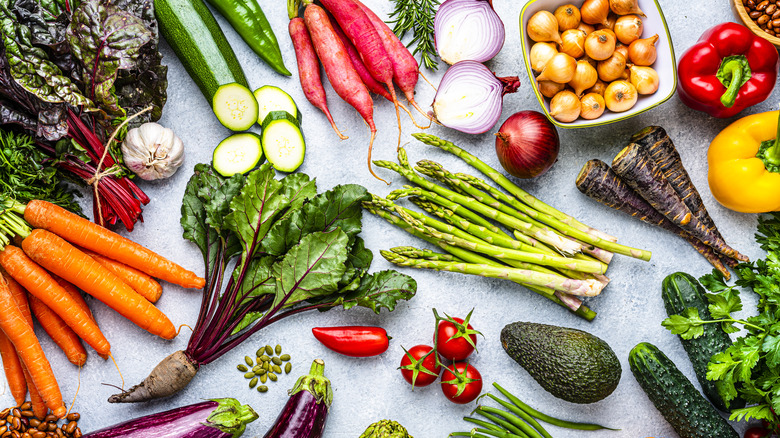
If you include only butternut squash in your soup, you'll be left with a very one-dimensional flavor profile. While this isn't bad, per say, it certainly lacks the "wow" flavor of a perfect soup. Thankfully, you can easily add layers by including other vegetables and aromatics in your soup — that's in addition to (or instead of) the apples, pears, and carrots mentioned above.
Depending on what you choose to include, you can either puree them with everything else or opt to dice them and leave them solid. A few excellent examples of other vegetables include potatoes, sweet potatoes, pumpkin, onions, celery, bell peppers, and cauliflower. You can even add greens such as spinach and kale to elevate the soup's nutrient profile.
My personal preference is a sweet-leaning butternut squash soup. For this, I like to include a few small sweet potatoes and apples when pureeing the base together. On the occasions I opt for a more savory-leaning butternut squash soup, I like to include a few potatoes and bell peppers in the puree, while leaving a handful of sauteed onions solid.
Make your soup sweet or savory with the right seasonings
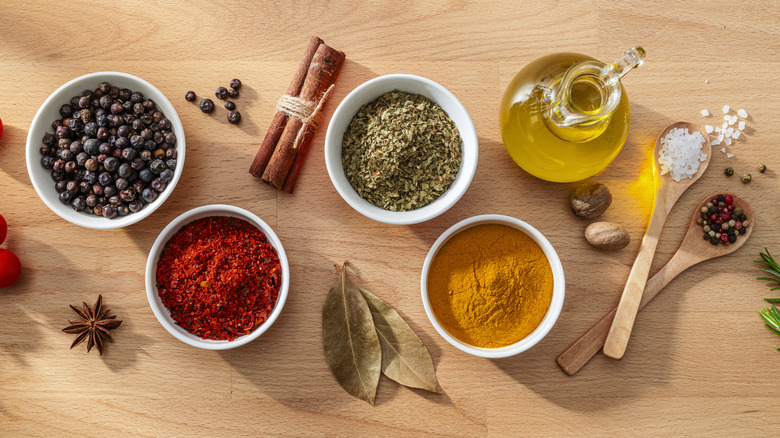
You can choose to make your butternut squash soup sweet or savory, as I briefly mentioned above. Many people have only tried this dish one way or the other, but I highly suggest trying both options as they can be equally delicious. The seasonings you choose will directly influence which flavor profile your soup leans toward and can radically alter your final result with little effort. Don't be afraid to experiment with different seasoning combinations to see which you like best.
If you want to create a savory butternut squash soup, consider starting with basic seasonings like salt and pepper. From there, you might add curry powder or garlic powder. Since this gourd has a naturally sweet-leaning profile, it nicely contrasts with spicy things like red pepper flakes.
Creating a sweet butternut squash soup means leaning into its natural flavor profile. For this, you'll want to start with one or more sweeteners, like brown sugar, maple syrup, or even a bit of honey. From there, warming spices will help you achieve the desired result — think cinnamon, cloves, and nutmeg. You could even use a pre-made pumpkin spice mix, which contains these warming spices along with a few others.
Use broth or stock instead of water
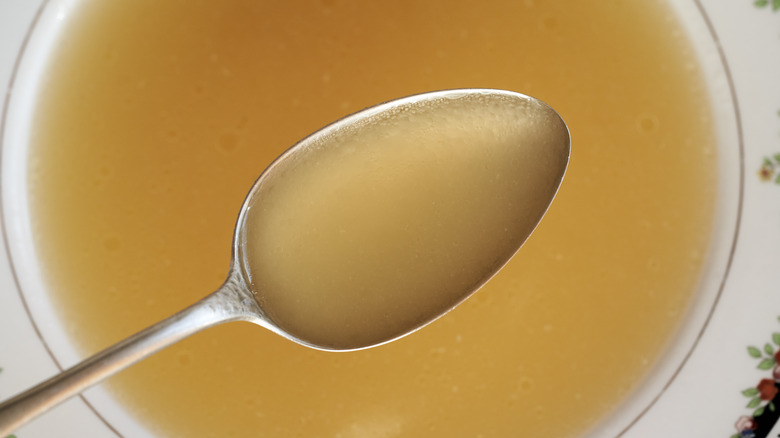
All soups need a liquid base, and the perfect butternut squash soup is no exception. Unlike thinner soups, the liquid base here will be used to puree (and potentially thin out) your butternut squash. Many recipes call for you to use water for this task, but I disagree. It's true that water is a neutral flavored liquid that allows the soup to maintain a predominately butternut squash taste. However, using broth or stock instead of water can create a flavor depth and complexity that's much more enjoyable.
There are several options you could use, depending on the result you want. Sweet soups do well with a vegetable broth or stock. You could even use unconventional substitutions like coconut water or coconut milk. If you do use these substitutions, however, make sure to tell your guests as some people may have coconut allergies and not expect this ingredient in butternut squash soup. A vegetable stock will provide a light earthy flavor profile, while coconut liquids produce a sweet, nutty taste.
The best option for a savory soup is to use chicken broth or stock, which will impart a light umami base flavor that pairs nicely with the mild sweet notes of the butternut squash. An alternative option includes adding a splash of wine (watered down with water or broth), which provides additional acidity and flavor complexity. You could also choose bone broth for a rich umami base with notes of earthiness.
Heavy cream will create a creamier, richer final result
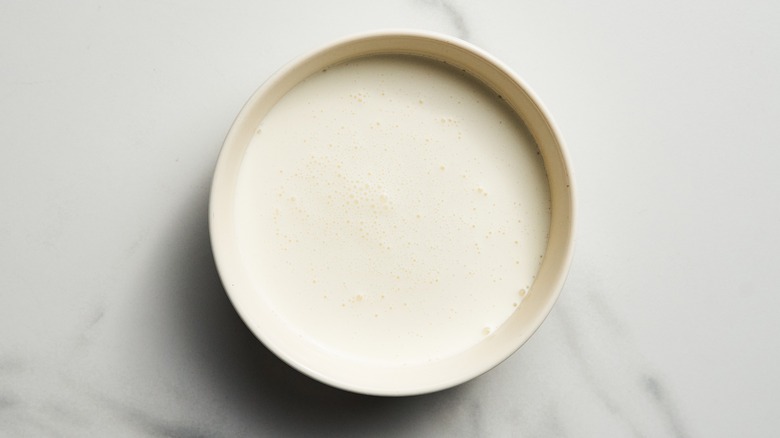
One of the easiest tips to incorporate into your butternut squash soup to quickly elevate the taste and texture is to use heavy cream. This will create a creamier, richer final result that should have a smooth texture and almost silky mouthfeel. Plus, the cream will add the necessary fats to create a more balanced dish.
Technically, you don't have to temper your heavy cream if you're careful when adding it. However, since there is a small risk of it curdling when added to the hot soup, I prefer to take the safe route with tempering. To do this, pour your heavy cream into a bowl and add a few teaspoons of the hot soup, stirring to incorporate. Repeat the process one or two more times to slowly bring up the temperature of the cream before adding it into the soup pot.
Don't have heavy cream on hand or just not a fan? You could also stir a few pats of cold butter into the soup instead to impart more richness and a silkier texture. Full fat coconut milk, sour cream, and yogurt are other options. Keep in mind that sour cream and yogurt will also need to be tempered to prevent curdling.
Garnish with a small handful of something crunchy
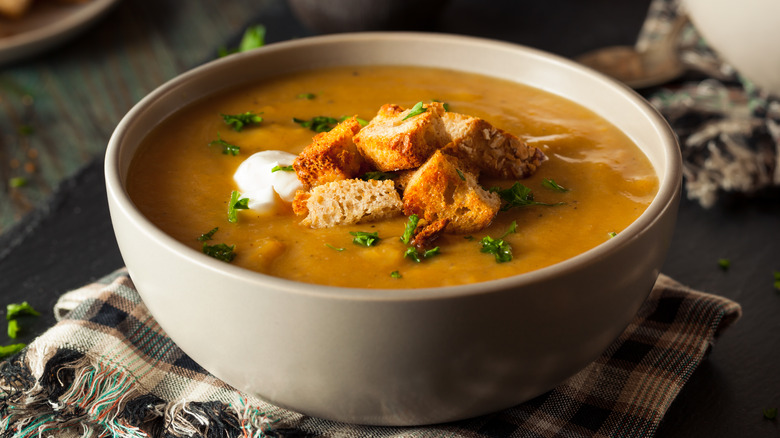
Garnishing a soup elevates the visual aesthetic, but using something crunchy can also create textural interest while contributing to the flavor profile. The best part is that this is highly customizable, so you're sure to find something you like. As with other tips here, feel free to experiment with different crunchy toppings to find the one you like best with your butternut squash recipe.
Roasted pumpkin seeds are an excellent choice that imparts a somewhat nutty flavor that pairs nicely with the sweet, earthy tones of the squash. Nuts are another excellent option that leans into this nutty flavor, with each one providing something a little different. My personal favorite nuts to use are walnuts and pecans, but you could also use pistachios or almonds.
However, my go-to crunchy topping for most butternut squash recipes is freshly made bacon crumbles. I find that they create a nice savory contrast to sweet-leaning butternut squash soups that I enjoy. They also work with savory-leaning soups, as the meaty flavor perfectly complements the existing taste profile.