

9 Whole Foods Groceries That Aren't Worth The Price
Whole Foods has built a reputation for providing quality organic produce, premium ingredients, and unique items in an upscale grocery store atmosphere. However, with the price of goods rising due to inflation and other market factors, some shoppers are more conscious about how they spend their money during a shopping trip. While many products at Whole Foods live up to expectations of the high price tag, others simply do not justify the high cost that Whole Foods demands.
To determine what items are better left unpurchased at Whole Foods, we compared the chain's prices to equivalent items at other grocery stores. We also compared the Whole Foods costs to reported national average prices for these items. All prices in this article are based on local listings in New York City. What follows are nine Whole Foods grocery products not worth the price, and better skipped on your next grocery outing.
Eggs

For many families, eggs are a year-round refrigerator mainstay. As a common ingredient or a main dish for breakfast, eggs are a versatile component of many meals. Unfortunately, the price of eggs has been particularly expensive in the past year, which sparked a national discussion about effects of inflation on this product. Earlier this year the USDA reported: "Egg prices are predicted to increase 24.8% in 2025, with a prediction interval of 19.5 to 31.4%."
At the time of writing, the national average price of eggs is $1.49 per dozen. At Whole Foods Market a dozen Large Grade A Eggs costs $8.69 — clearly much higher than the national average. Comparable products from other stores sit at lower prices; such as a dozen eggs at Trader Joe's for $6.99 and a dozen eggs at Target for $6.89. Overall, it is clear that Whole Foods Market is not the best choice for buying eggs if budget is on your mind.
Ground Beef
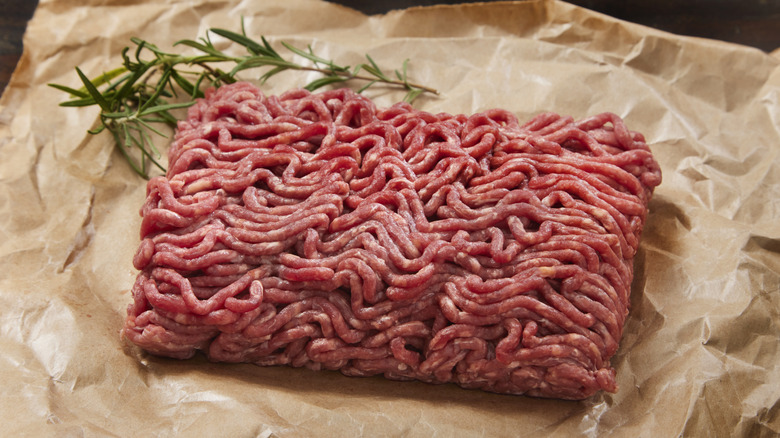
It's not just the eggs: Many other types of animal protein have been affected by recent inflation. As reported by the USDA, "Beef and veal prices are predicted to increase 11.6% in 2025, with a prediction interval of 9.5 to 13.8%." This influences a whole spread of products including ground beef, a popular choice for family recipes such as pastas, stir fries, and homemade burgers.
At Whole Foods Market, 16 ounces of ground beef costs $9.99. This number is significantly higher than the national average, which currently sits at $6.32 per pound. Ground beef can be found for lower costs at other grocery stores: Trader Joe's offers a pound of organic ground beef for $8.99, while Target charges $9.29 per pound. Considering all of these options are organic, Whole Foods Market ground beef is not the best deal on the market for price-conscious consumers.
Sugar
It might disappoint those with a sweet tooth to learn the price of sugar has risen this past year in the United States. This affects both bagged sugar and a variety of sugar-based sweets, leading to many brands and grocery stores raising prices. As stated by the USDA: "Prices for sugar and sweets are predicted to increase by 4.9% in 2025, with a prediction interval of 4.2 to 5.7%."
This inflation hits several products at Whole Foods Market, including bagged Organic Cane Sugar at $5.29 for a 2-pound bag. The cost is more expensive than purchasing a 2-pound bag of Organic Cane Sugar at Trader Joe's for $3.99, or a $4.19 2-pound bag of Organic Cane Sugar from Target. The Whole Foods version is much more expensive despite being the same product, which makes it an easy choice for items that can be skipped at the store.
Nonalcoholic Seltzers
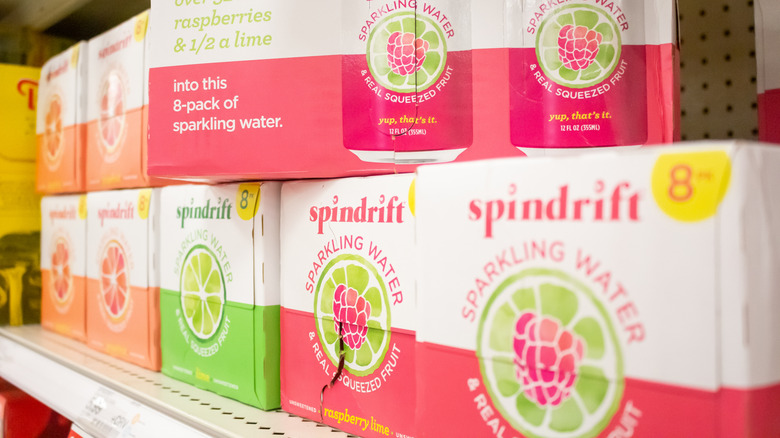
Despite growing in popularity and availability, nonalcoholic seltzers have endured another disappointing price increase in the past several years. Whole Foods Market stocks their shelves with dozens of these delicious sparkling waters; many of which boast health benefits and all-natural flavors. While these drinks may be refreshing, costs have become tremendously high as of late. As stated by the USDA, "Prices for nonalcoholic beverages are predicted to increase by 3.7% in 2025, with a prediction interval of 3.0 to 4.5%."
An eight-pack of Spindrift Raspberry Lime Sparkling Water costs $7.49 at Whole Foods. At Target, the same Spindrift costs less at $6.49. At Trader Joe's, a similar pack of Raspberry Lime Sparkling Water cans runs $3.79 for equivalently-sized drinks. With so many options for what's essentially the same product, it's clear that Whole Foods is not the best choice for price-savvy shoppers seeking a bubbly beverage.
Chicken
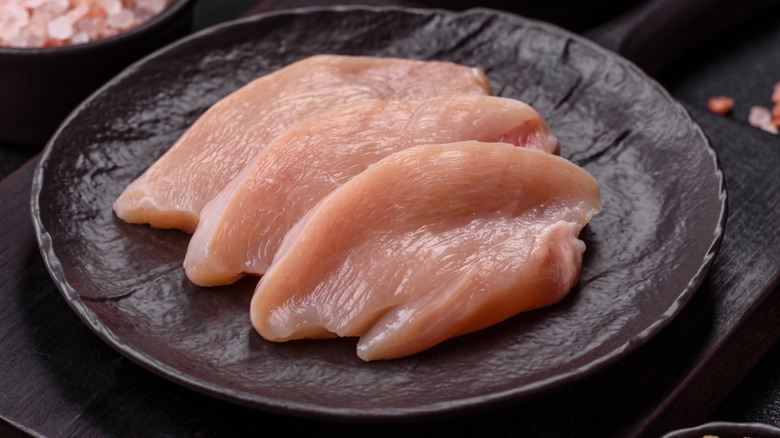
Like many other animal proteins, buying chicken at Whole Foods Market usually means you'll pay premium prices for a product that can be bought for less elsewhere. The store offers a variety of cuts, many of which are promoted as organic and cage-free. Unfortunately, these items do not come at low prices, and as the USDA states: "Poultry prices are predicted to increase 1.9% in 2025, with a prediction interval of 0.9 to 3.0%."
At Whole Foods, Organic Boneless Skinless Chicken Breast costs $8.99 per pound. This is on the higher end of the price range for this cut, and customers can instead head over to Trader Joe's and snag a pound of Organic Free Range Boneless Skinless Chicken Breast for just $7.49. While some customers may not care about the extra dollar, these small price increases add up when trying to save money on your grocery bill.
Coffee
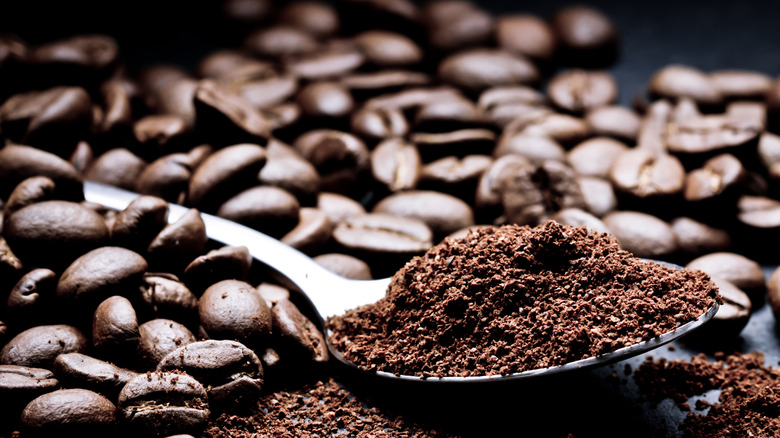
It's more than just a tagline: America does indeed run on coffee. Every day, citizens of the United States drink 400 million cups of coffee, which adds up to a consumption of around 146 billion cups of coffee a year. For shoppers hoping to save money on food and drinks, making coffee at home is a great option to cut down on spending. However, inflation has also affected the cost of beans at grocery stores, leading to ground coffee prices reaching an average of "$8.41 per pound in July, up 33% from a year ago."
This inflation continues to rise, which is reflected in the price of coffee products on Whole Foods shelves. Whole Foods charges $11.99 for 10 ounces of coffee; a significantly higher price than the national average. At Target, shoppers can buy 12 ounces for $9.69. Customers will find 14 ounces for just $6.99 at Trader Joe's, which is below the national average. Unless there is a specific brand you're hunting down at Whole Foods, it's best to save your ground coffee purchases for another store.
Fresh Fruit
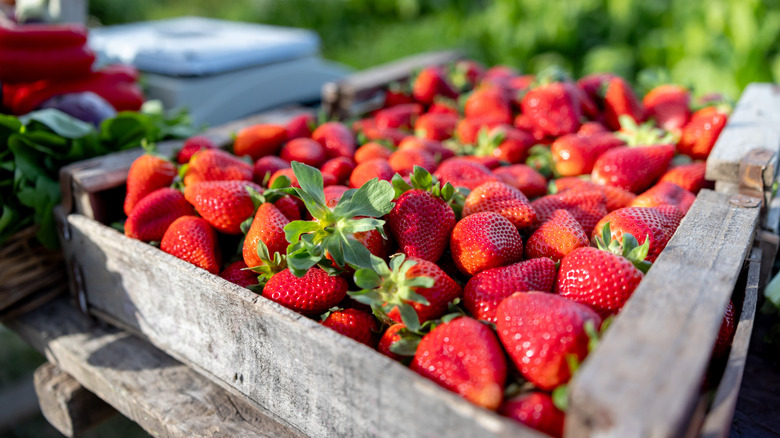
Eating fresh is an important part of keeping a healthy diet, which is the reason many customers integrate produce into their weekly shopping routine. Fruits and vegetables have a significant impact on wellbeing, and it's recommended for people to eat five servings a day in order to maintain good health. Unfortunately, inflation has affected the price of fresh fruit as well. This includes strawberries, a popular fruit that is rich in antioxidants but high in price.
At Whole Foods, buying a pound of organic strawberries will cost you $6.99. This is significantly more expensive than the national average, which is between $1.95 and $3.40 per pound of strawberries. Customers can spend less on strawberries by going to Trader Joe's and purchasing a pound of organic strawberries for just $5.99. While fresh fruit is pricy everywhere, Whole Foods is notorious for being one of the most expensive places to buy produce.
Tree Nuts
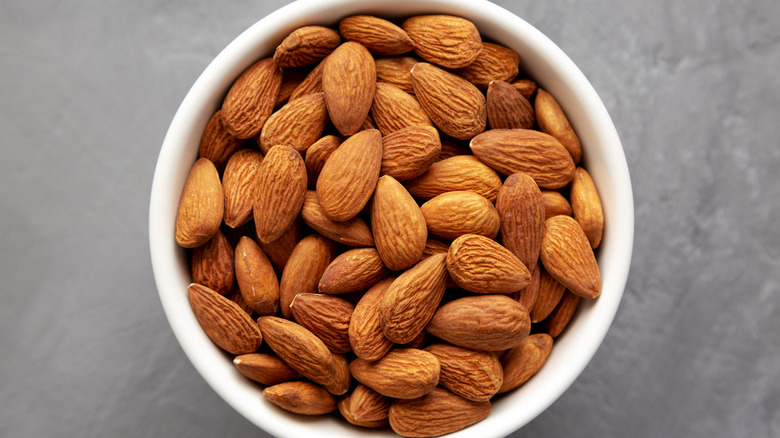
Tree nuts are a healthy snack to keep on hand if you need a quick pick-me-up during a busy day. Nuts are full of unsaturated fats, fiber, omega-3 fatty acids, Plant sterols, and L-arginine; which all help lower inflammation and promote heart health. These factors, along with the fact that they are delicious, have made tree nuts a popular choice for shoppers looking to maintain a balanced diet. Like the other items on this list however, tree nuts are not immune to inflation. Prices now range between $2.22 and $5.32 per pound.
At Whole Foods, tree nuts are even more expensive. Those looking to buy 16 ounces of whole raw almonds will shell out $7.99 at the store. To save money, shoppers may instead want to head to Trader Joe's, which offers a pound of almonds for just $4.99. Unless you want to spend more for the same product, Whole Foods is not the best place to make your tree nut purchases.
Chocolate

Whole Foods Market does have an exceptional selection of chocolate, but unfortunately the markup of chocolate is not necessarily worth the product. Last year the price of cocoa reached record highs, and experts in the field do not see costs lowering. Adalbert Lechner, head of the company Lindt & Sprüngli, stated in an interview with CNBC that he does not believe cocoa prices "will ever come down to the levels where they have been before."
At Whole Foods Market, a 365 by Whole Foods Market 70% Dark Chocolate Bar costs $3.49. With a weight of 2.8 ounces, this places the chocolate above the national average price of $3.02 and $5.60 per pound. Trader Joes however charges only $2.99 for a larger, 3.5 ounce 70% Peruvian Cacao Dark Chocolate Bar. While Whole Foods Market is still an elite store in terms of quality, freshness, and upscale atmosphere, it's clear there are several major food staples upcharged within the store. If saving money is your priority, you may want to skip out on these items during your next trip to Whole Foods Market.