

10 Ways To Make Canned Gravy Taste Homemade For Thanksgiving
We may receive a commission on purchases made from links.
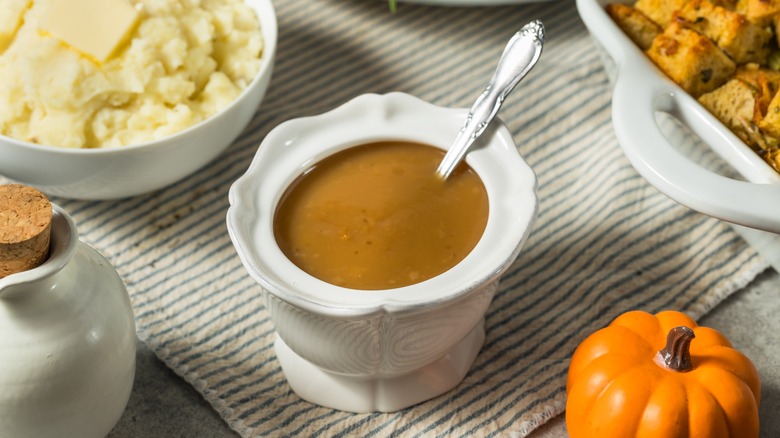
Your Thanksgiving menu is already chaotic enough, with an expansive spread planned for your growing guest list. With so much to do, there's no shame in cutting a few corners where you can, to save a little time and effort on the big day. One popular time-saving option is to buy canned gravy instead of making your own from scratch. While this does save time, canned options often pale in comparison to their homemade counterparts. They may lack flavor depth, have an unappealing texture, or simply taste "off." Thankfully, there are several ways to use canned gravy to save time this Thanksgiving without sacrificing homemade flavor.
The good news is that the options discussed here are simple and quick. After all, if you have to invest considerable time or effort into making your canned gravy taste better, you might as well make it from scratch, right? From simple additions, like dry seasonings, to slightly more intricate fixes like sautéed onions, here are ten ways to make canned gravy taste homemade for Thanksgiving.
1. Add some sour cream
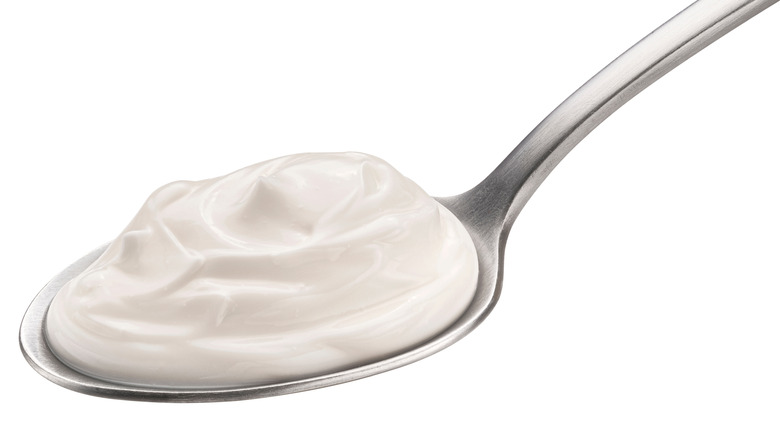
If you haven't thought about it before, adding sour cream to your gravy may sound a little strange. But people are thinking about it, as evidenced on Reddit, where one person asked, "When making gravy, can I add sour cream instead of heavy cream? Is that a thing?" Plenty of people took to the comments to assure the poster that yes, that is definitely a thing — and we agree that it's an excellent idea.
The best part about this tip is that it takes only a dollop or two of sour cream to make a big difference, varying slightly based on how big a batch of gravy you're making. Sour cream will help thicken the gravy and create a smooth, rich finish, while also adding a little tang to the flavor. Just make sure you temper the sour cream first, to stop your gravy from curdling.
Tempering your sour cream means slowly raising its temperature to be the same as your canned gravy. To do this, place your desired amount of sour cream into a small mixing bowl. Add a few tablespoons of your hot gravy and whisk. Repeat this process a few times before adding the mixture into the gravy pot and whisking everything together.
2. Include a bit of heavy cream
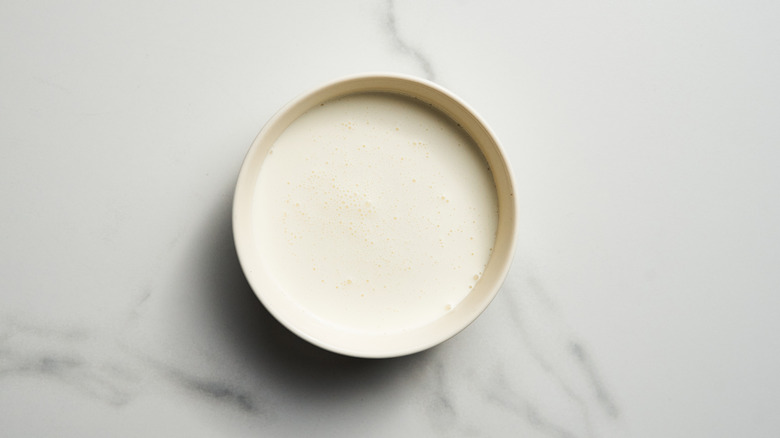
If sour cream doesn't sound like your thing, another option is to include a bit of heavy cream in your gravy, instead. This serves much the same purpose as the sour cream — the heavy cream will thicken your gravy, create a richer flavor profile, and help create a somewhat glossy appearance. The biggest difference is that heavy cream won't add the same tang as sour cream, so this is an excellent alternative if that's something you want to avoid.
There's no need to temper heavy cream, either, as it won't generally curdle your canned gravy. Instead, drizzle the heavy cream into the pot after it's heated up, whisking constantly until everything is thoroughly combined. How much to add is a matter of preference and can also change based on how much gravy you're making. If you aren't sure, add less than you think you need and taste your gravy before considering adding more. Remember, it's easier to add more heavy cream than it is to take it out once it's already in your gravy.
3. Chop up some fresh herbs
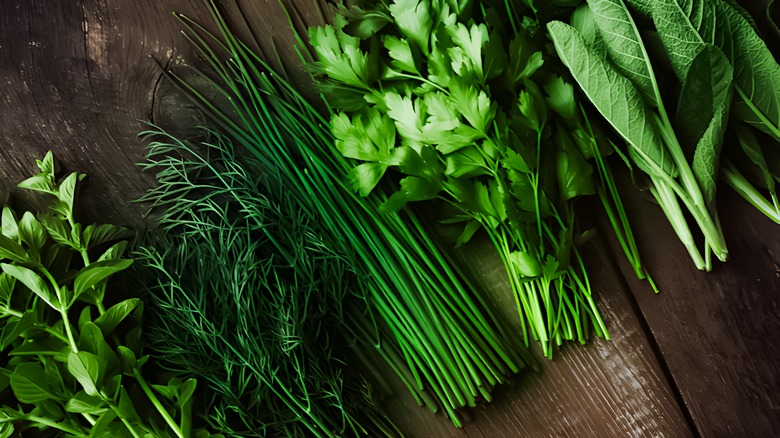
If you have fresh herbs on hand, these can be an excellent way to immediately add a homemade element to your canned gravy. Fresh herbs will add depth to the flavor profile, a bit of textural enhancement, and additional visual appeal. The herbs you choose will depend on your personal preferences and what you have on hand, but excellent options include parsley, thyme, sage, and rosemary.
Start by dumping your canned gravy into a pot on your stove to warm up. While it heats, finely chop your chosen herbs. You want relatively small pieces — think small enough that you wouldn't need to chew them to swallow. Then, add the herbs to the pot, stirring to incorporate them. This tip works best if your canned gravy can simmer on the stove for a little while, as you do other things. The longer the flavors have to marry, the better the final result will be.
4. Pour in some meat drippings
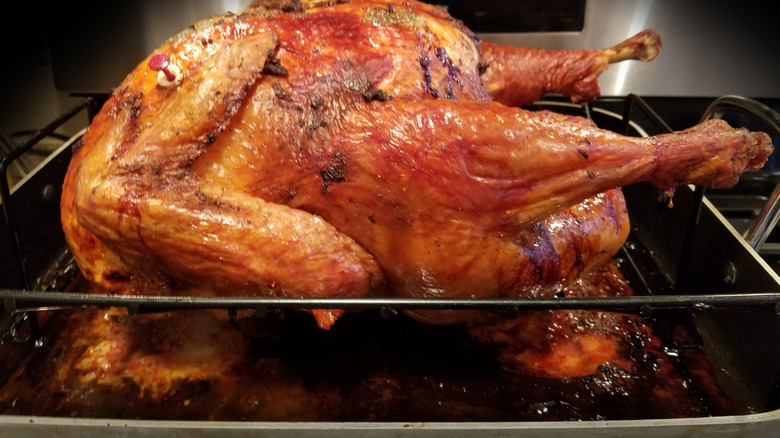
If you were going to make gravy from scratch, meat drippings from your turkey pan would be one of the most important ingredients (along with flour and stock). Using a few spoonfuls of these drippings in your canned gravy is a guaranteed shortcut to that homemade taste, but with much less effort.
Why do meat drippings work so well, you ask? There are many reasons, but two are the most important. First, it creates depth and complexity to your gravy's flavor profile, which results in an overall better dish. Second, it helps tie the different dishes together to create a more cohesive tasting meal.
You want to add enough drippings to impart the flavor of the meat, but not so much that it makes your canned gravy runny (or greasy). If you do find that, you've accidentally added too much, and you can thicken the gravy back up using a flour slurry. Just be cautious about how much slurry you add at once, because you can easily go too far in the opposite direction and end up with a gravy that's now too thick. Allow the gravy to simmer after adding the slurry to help cook out the flour taste, as necessary.
5. Add in some dry seasonings

Don't have fresh herbs on hand, but still want to add some earthiness to your gravy? That's okay. Head to your spice cabinet for some dry seasonings instead. This way, you can easily customize the canned gravy to embody the flavors you like best, but be sure to only use a light dusting, so as to not overpower it. Excellent dry seasonings to try include dried herbs, garlic powder, onion powder, cayenne pepper, and red pepper flakes.
Over on Reddit, some commenters suggest a fantastic dry seasoning alternative you'd be amiss to not try. "Add some thyme and a little poultry seasoning," one wrote. Another agreed, "I am partial to Bell's poultry seasoning if you can get it." This makes complete sense because turkey, of course, is poultry, and these seasoning mixes are specially designed to complement this type of flavor profile. Common ingredients in DIY poultry seasoning include thyme, rosemary, sage, marjoram, black pepper, nutmeg, ginger, and paprika.
6. Include a bit of brown butter
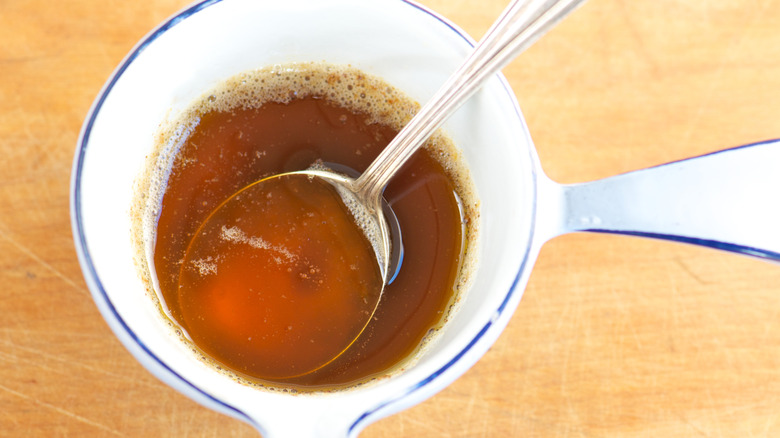
Brown butter is exactly what it sounds like — butter that has been browned in a frying pan. What brown butter does for your gravy, however, is far from simple and straightforward. In fact, you'll be astonished at just what a difference a few tablespoons of this stuff can make. Plus, preparing it is incredibly simple. Start by adding some butter into a pan over medium heat and allow it to cook until it's lightly browned. You can tell your brown butter is ready when the pan has gone silent and it's taken on a light brown color. The smell of the butter will also have a nutty tone.
When your brown butter is finished, pour it into your pot of canned gravy and whisk the mixture until it's thoroughly combined. This will add a nutty, caramelized flavor that makes your canned gravy taste homemade. Plus, it can slightly boost your gravy's color and provide a light sheen that's aesthetically pleasing.
7. Whisk in a few pats of cold butter
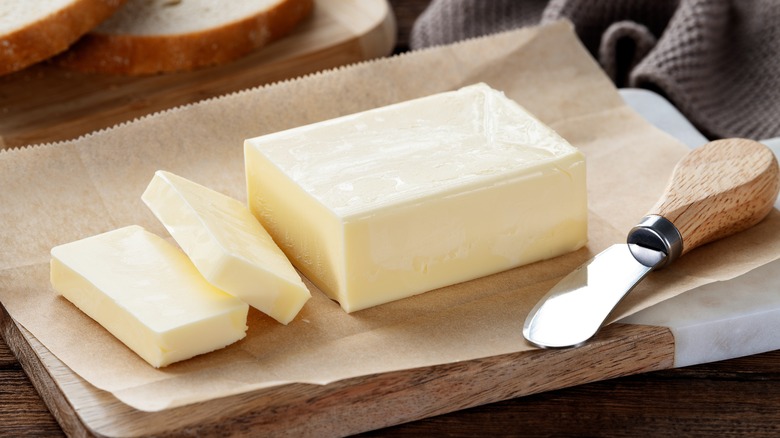
If you're running out of time and need a way to elevate the taste of that Thanksgiving canned gravy fast, this tip is for you. Cut a few thin pats of cold butter and whisk them into the warmed-up gravy one by one. In a matter of minutes, you'll have a delicious gravy that tastes homemade to pair with your scrumptious Thanksgiving feast. The taste will be a little richer and more full-bodied, while the texture will be almost silky, with a shiny appearance.
While this tip is incredibly simple, there are just a few things to keep in mind. First and foremost, you must use real butter for this to work appropriately — the margarine or butter substitutes you may have in your refrigerator won't work as well, because they won't have the same fat content or flavor profile as real butter. Second, be sure to not overdo it. Adding too much butter will make the gravy greasy instead of glossy. Finally, make sure to continue whisking until the butter pats have completely melted, to ensure it's all thoroughly incorporated.
8. Add a little white wine

White wine plays a starring role in many homemade gravies, because it adds acidity, complexity, and a mild tanginess to your final product. In turn, this helps to create a brighter flavor profile that's rich and full-bodied, with a slightly fruity undertone. You can implement this idea with your canned gravy, too, to elevate the taste profile to something your guests will all believe is homemade.
You don't need much white wine to make a big difference, either. A few tablespoons will do just fine for one to two cans of gravy. Once you've dumped your cans into a pot to warm up, add your wine and whisk it into the mixture. Allow these to cook together over medium heat for as long as you can manage, to marry the flavors together.
If you're not a big white wine fan, or don't have any of this specific alcohol on hand, there are a few other alcohols you could potentially use to create slightly different effects. For example, vermouth, dry hard cider, bourbon, rye, and cognac are excellent options for turkey gravy.
9. Sauté some onions in the pan first
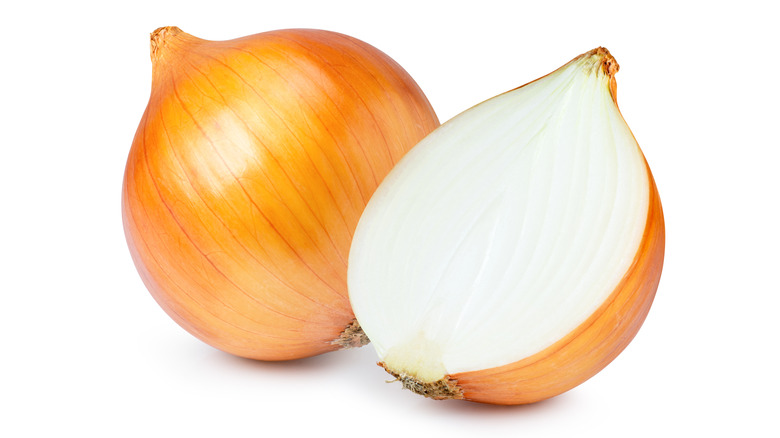
Sautéed onions have a very mild flavor profile that's predominantly savory, with small hints of sweetness to it. Adding this distinct flavor profile to your canned gravy this Thanksgiving can quickly and easily elevate its taste to that of homemade options. Finely chop an onion or two and drop them into the bottom of a hot saucepan with butter and oil. Allow these to cook until they're soft and slightly brown in appearance, before pouring in your canned gravy. There are two options on how to proceed from here.
The easiest choice is to serve the turkey gravy with the onions intact. This will add textural complexity and a very mild flavor enhancement from the onions themselves. If you choose to go this route, it's a good idea to chop your onions as small as possible, to prevent large chunks in your gravy.
Alternatively, you can use an immersion blender to blend the onions into the canned gravy, leaving a smooth sauce behind. This is an excellent idea if you're not a big fan of solid chunks in your gravies but still want to reap the benefits of the onion's flavor. If you don't already have one, this Handheld Immersion Blender from ZKBHome is affordable and offers three distinct attachments. For blending onions into your gravy, you'll want to use the emulsification attachment.
10. Add in just a pinch of mustard
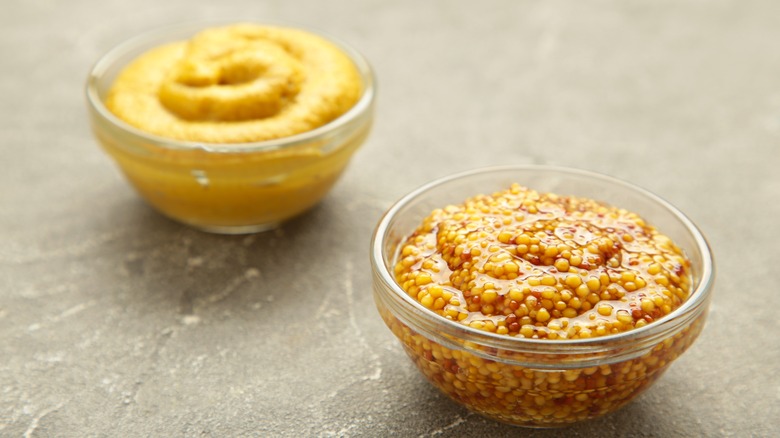
Here's another super quick tip that can save your canned gravy in a pinch — add a little bit of mustard. You can use dijon, whole grain, or even classic yellow to see similar results, with each one varying ever so slightly based on its unique flavor profile. Dijon will have a slighter stronger bite, while classic yellow has a milder taste. Whole grain mustard can provide textural interest, thanks to the visible seeds it contains.
After your canned gravy has been warmed on the stove, add about half a teaspoon per can used, and you'll see a big difference. The addition of mustard creates a rustic tanginess with a little bite to it, that offers a brighter, more complex flavor than canned gravy on its own. If you want a tangier bite, you can use a full teaspoon per can, but be careful not to overwhelm (and therefore, unbalance) your gravy.