

10 Simple Ways To Upgrade Your Sweet Potato Pie
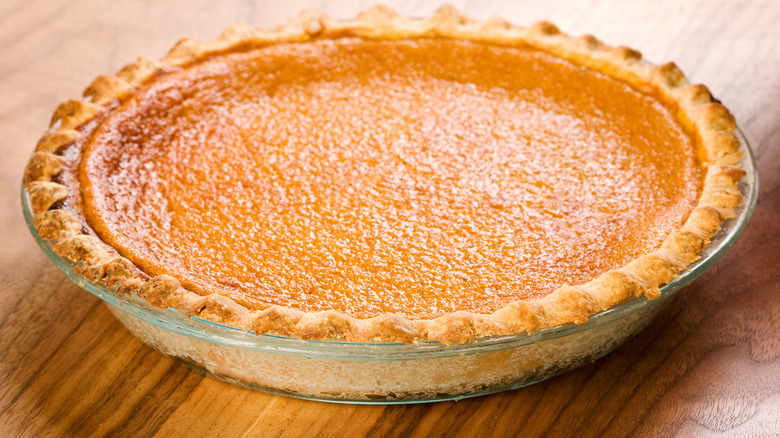
While most people love to start whipping up pumpkin pies during the fall and holiday season, sometimes you just want a change of pace. Enter sweet potato pies, which are an excellent fall dessert, made from seasonal produce that's similar yet distinctly different than their pumpkin cousins. Yet even within the realm of making sweet potato pies, there are numerous ways to upgrade the dish to make it something unique every time you bake one.
During more than a decade spent working in bakeries, I regularly experimented with sweet potato pie recipes, and continued that experimentation during more than two decades of crafting delicious baked treats at home for my family and friends. Through these imaginative kitchen sessions, I've discovered several simple ways to give your sweet potato pie a better flavor, improved texture, and more appealing aesthetics. Today, I'll share ten options that I've personally used to help you keep this dish new, fresh, and tasty all season long. Ready to discover your new favorite ways to create this fall dish? Let's get into it.
1. Add nuts to your batter
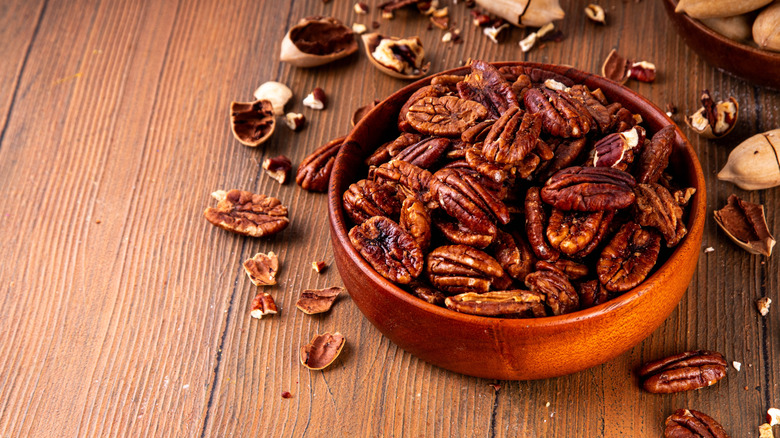
One of the simplest upgrade options is to add nuts to your batter before pouring it into your pie crust. Adding nuts provides textural interest by incorporating a heavier, more filling mouthfeel to each bite. At the same time, it offers a nutty, earthier taste that perfectly balances the sweet potatoes. You can add almost any nuts you want into your batter, including walnuts, pecans, or cashews. However, my personal favorite (and recommendation) is pecans, which can be used as they are or turned into a sugary praline-inspired mixture first.
How you add the nuts to your batter can make a big difference to how your upgraded sweet potato pie turns out. Your first choice will be whether to use whole nuts or chopped nuts, with the latter often being a good idea, for easier chewing. Remember to not just throw the nuts in with the other ingredients, too. Create a sweet potato pie batter, like you normally would, and then add your chosen nuts at the very end, folding them in gently. This ensures the nuts don't break apart too much, and allows the other ingredients to properly incorporate.
2. Use a double crust
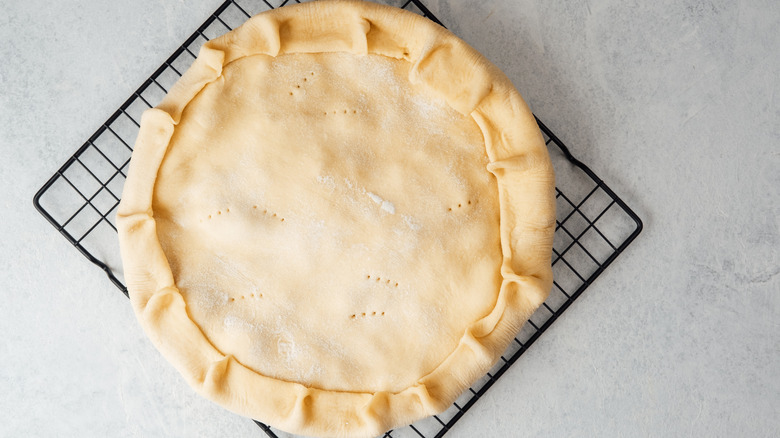
Are you a big fan of pie crust and wish you could get a little more in each mouthful? Then try making your sweet potato pie with a double crust. Doing so creates textural interest and changes the filling-to-crust ratio, making a pie that's a little more substantial with very little extra effort. Like the nut upgrade above, there are a few ways you could add a second pie crust, with each option creating a slightly different final result.
The easiest way to use this option is to simply roll out an extra pie crust when creating your bottom layer. Place this second layer on top before baking, over your sweet potato pie filling. Or, you could use this same crust and cut it into many long strips, to create a lattice pattern — this option makes a visually appealing pie that looks "fancier" than the standard version.
A final option is to create a biscuit-like top crust, like you'd use for a peach cobbler. You can do this by creating the second crust by hand, or using a pre-made biscuit mix. Scoop small amounts of your chosen batter onto the top of your sweet potato pie mixture before baking it. Optionally, you can sprinkle these scoops with a little cinnamon and brown sugar, to further boost the taste.
3. Incorporate pumpkin pie seasoning
This upgrade is also a fantastic option when you want a pumpkin pie but don't have any canned pumpkin in the house — if you have canned or fresh sweet potatoes, you can easily make something almost indiscernible from the real thing. After all, these two fall vegetables can have a similar texture and flavor profile when prepared the same way, with sweet potato being a little sweeter and more robustly flavored.
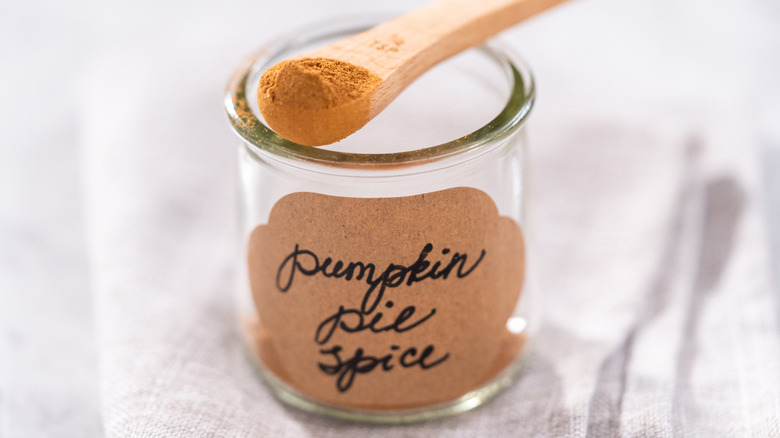
Regardless, incorporating pumpkin pie seasoning will create a warm, spicy flavor that goes beyond the standard cinnamon options often used for sweet potato pies. You can add a bit of your favorite pre-mixed spice blend, or create your own pumpkin pie seasoning at home to use. For a full-bodied flavor, mix together cinnamon, ground ginger, nutmeg, allspice, and cloves. You can add the seasonings according to your preference, but use a light hand at first, since it's easier to add more than it is to take it out.
4. Swap the granulated sugar for brown sugar
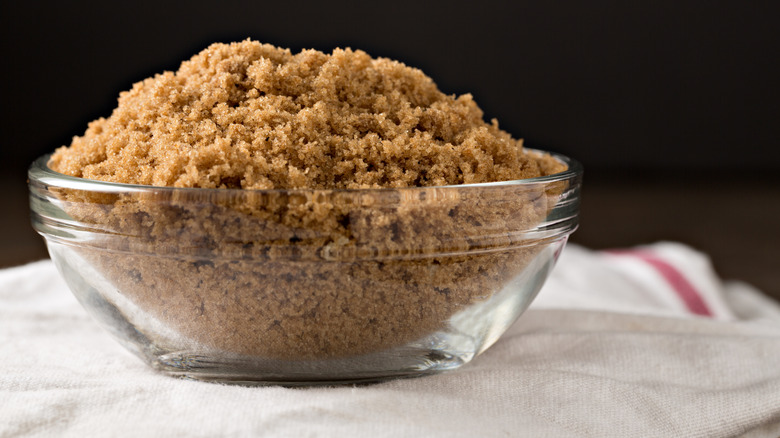
Many sweet potato pie recipes call for granulated sugar alongside egg, butter, milk, seasonings, and sweet potato. But a very simple way to upgrade the taste and texture of your pie is to swap out the white granulated sugar for brown sugar. Doing so will help create a moister, softer texture with a deeper flavor profile. Aesthetically, the pie will also be a darker orange or almost brown color. The one thing to keep in mind with this swap is that your sweet potato pie won't be as crispy (especially on top) as it would be if you used granulated sugar.
There are two types of brown sugar you could use, light and dark, and both are viable options here. Use light brown sugar if you want a gentler, caramel-like flavor and a brighter color, and use dark brown sugar if you're looking for a more robust, toffee-like taste and a dark brown appearance. Other alternative sweetener options for sweet potato pie can include maple syrup, honey, molasses, or coconut sugar, with each providing varying results.
5. Include a dash of bourbon

Have a bottle of good bourbon lying around the house somewhere? Grab it for this next simple upgrade trick. And don't worry, most of the limited alcohol added should cook out of your sweet potato pie before you can serve it.
Adding a little bit of bourbon to your sweet potato pie can create a warmer, much more complex flavor profile that features faint smoky notes, stronger hints of vanilla, and a slightly more caramel-esque tone. "Little bit" is the key phrase here because adding too much bourbon to your sweet potato pie mix can be overwhelming. Amounts can range anywhere from an actual dash to a shot glass full, depending on your personal preferences. The more bourbon you add, the deeper the flavor profile notes — and the more these notes will begin to overwhelm the more subtle profiles of the other ingredients.
It's also important to know that the more bourbon you use, the more alcohol that may remain post-cooking, so this is something to keep in mind. I personally believe adding a dash of bourbon is best while also swapping out the granulated sugar for brown sugar, as these two ingredients play to each other's strengths in the finished pie.
6. Switch the traditional crust for a graham cracker one
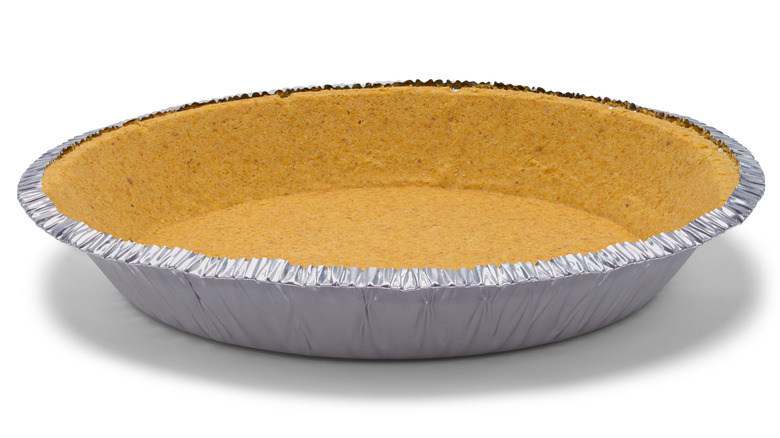
Adding a top crust isn't the only way to elevate the crust of your pie. You can also switch out your traditional crust for a graham cracker one instead. Like many other options on this list, this one simple swap can offer both a textural difference and taste elevation.
Compared to the traditional version, a graham cracker crust will have a softer, more crumbly texture. This provides a lighter mouthfeel that some people may find easier to eat. The taste of this crust is also comparatively warmer and more full-bodied, thanks to heavy seasoning within the crust itself, which creates more depth in each bite.
There are two ways to go about creating a graham cracker crust. The first is to purchase a pre-made option from the store, which should be relatively easy to find (especially during the holiday season). If you're up for it, though, you could also make your own graham cracker crust. Simply combine crushed graham crackers and softened butter together until they form a sand-like texture, and then firmly press this into the bottom of a pie pan. If desired, you can add a little brown sugar to the crust mixture, too.
7. Consider including shredded sweet potato
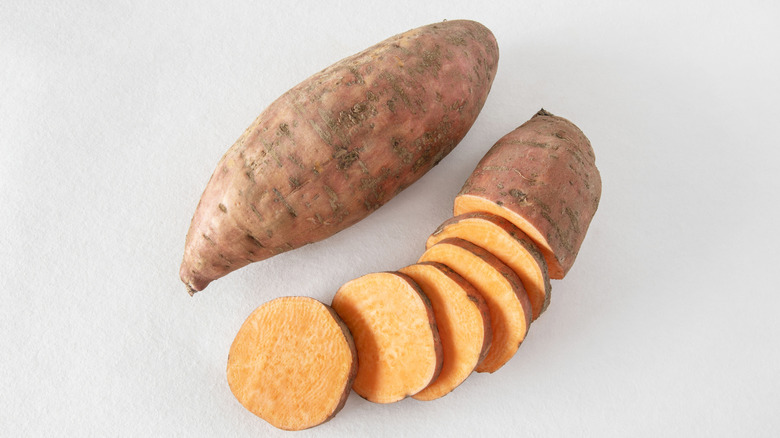
For this upgrade option, consider adding shredded pieces of sweet potato to your pie mixture before baking. If you're already making your sweet potato pie with fresh produce, this upgrade is super easy. If you're not, consider grabbing just one whole sweet potato alongside your canned options — just one is all it will take to make a considerable difference in your sweet potato pie.
The shredded bits of whole sweet potato should be gently folded into your pie mixture at the very end before baking. This will ensure they don't tear apart or become mush during the earlier stages. By doing this, you'll create textural interest and a slightly more solid mouthfeel. While the taste doesn't change significantly, refined palettes may notice that the taste of the sweet potato is brought slightly to the forefront (ahead of the seasonings, crust, and any other flavors).
8. Top it with whipped cream and streusel
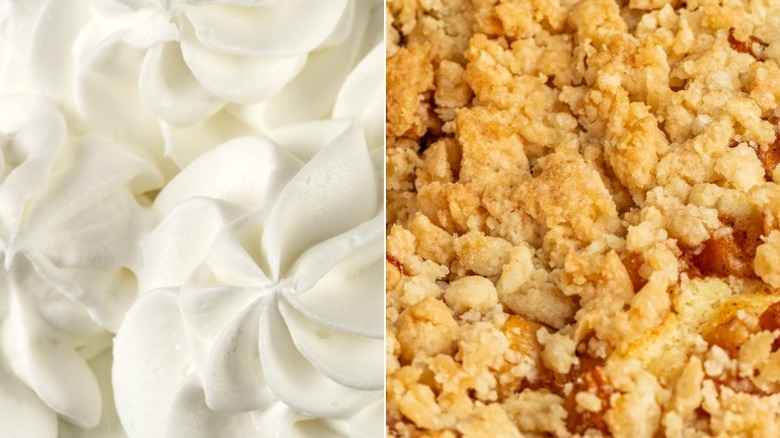
Once your pie is finished cooking and has been allowed to cool, just add a whipped cream and streusel topping. I personally prefer to make these toppings from scratch, but you can buy both pre-made if that's your preference. To make whipped cream, combine heavy whipping cream with powdered sugar and vanilla extract in a mixing bowl and whisk it until you reach the desired consistency. Streusel is created by combining brown sugar, cinnamon, flour, and butter together, to give a crumbly texture.
Adding these two simple toppings can create a massive difference in your sweet potato pie. Most obviously, it creates a much more professional, aesthetically pleasing appearance. It also adds to the flavor profile with a light dairy from the whipped cream and a warm, buttery, sweet taste from the streusel. The almost airy, creamy texture of the whipped cream and crumbly consistency of the streusel add dimension to your sweet potato pie.
One of the most important tips I can share here is that you must wait until your sweet potato pie has cooled to about room temperature before trying this. Topping a hot pie with whipped cream will end in a runny, watery mess that negates any potential flavor, textural, or visual improvements. I also find it helpful to make my whipped cream ahead of time and store it in the refrigerator while I make the rest of the pie, as it helps to firm up this topping.
9. Use fresh grated ginger for a zestier dish
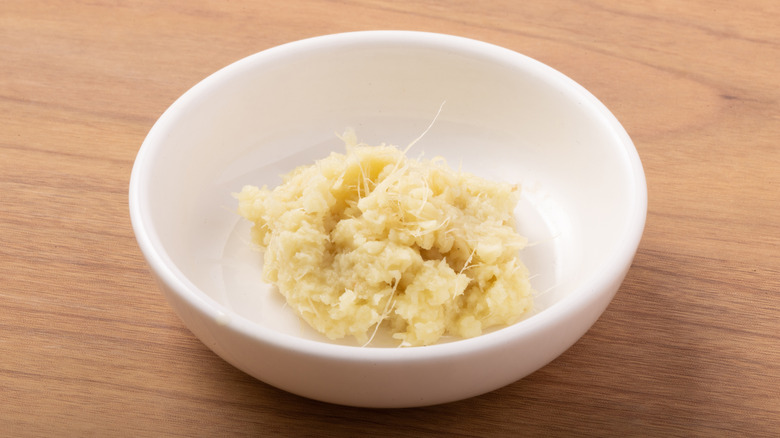
Adding fresh-grated ginger can help to increase the warmth, brightness, and depth of your sweet potato pie. You can do this by adding fresh ginger to recipes that include only cinnamon and sugar, which will allow the ginger's zingy flavor profile to really pull to the forefront of your pie. However, I personally think this upgrade tip is best combined with a full range of warm fall spices like cinnamon, nutmeg, and cloves. Experiment with both options to see which you like best.
Simply grate a small amount of fresh ginger when creating your mise en place, and set it aside in a bowl. When the recipe you're using calls for seasonings, dump the ginger in alongside whatever else you'll be using and combine the mixture like normal. One thing to keep in mind is that fresh ginger has a much stronger flavor than ground options, so I recommend using only a little. You can always adjust the amount used in future recipes to include more, but adding too much off the bat can overpower the other flavors in your pie.
10. Embellish your pie with a toasted marshmallow topping
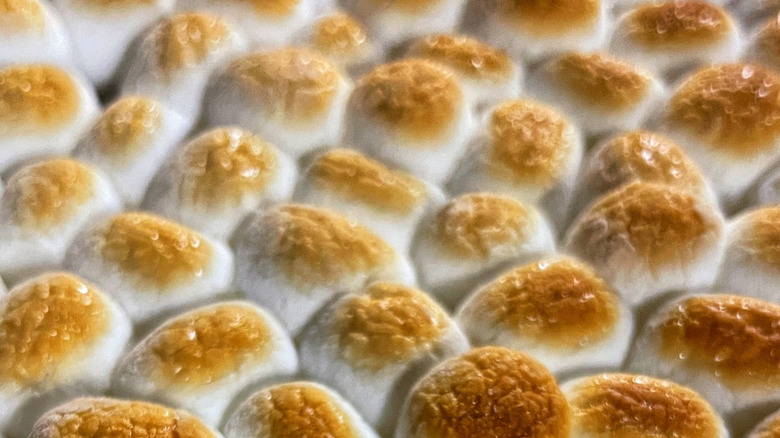
If you give your sweet potato pie a toasted marshmallow topping, its taste profile will include an additional layer of sweetness with subtle notes of smokiness. The soft, gooey, toasted topping will also add textural interest and significantly improve your pie's visual appeal. Best of all, this is another incredibly simple upgrade that should take you little time to implement.
There are a few ways you could go about doing this upgrade. First, you can choose between a soft marshmallow spread or whole marshmallows for your topping. The former will create a smoother, slightly peaked top while the latter will be a little lumpier, like what you might expect from a sweet potato casserole. Next, you can either toast the topping by putting it in the oven and using the broil setting or by using a kitchen torch, if you have one. No matter which options you choose, you'll want to add this topping after the sweet potato pie has been fully cooked according to your recipe. Adding it before cooking will lead to the marshmallow topping being far too burnt to enjoy.