

The Pizza Chain That's Struggling After Rivals Copied Its Business Model
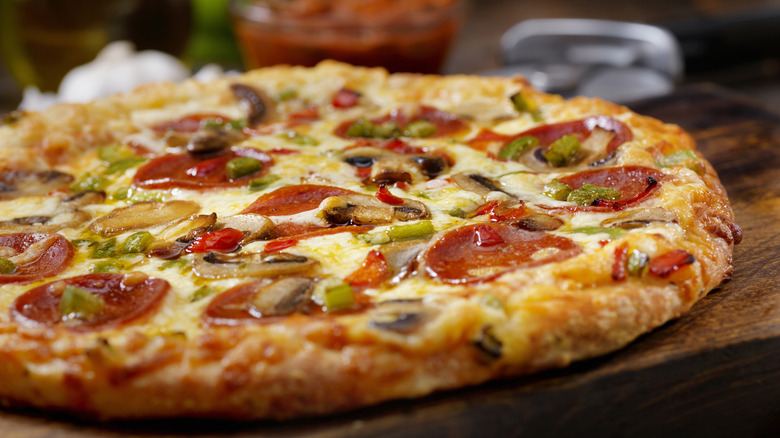
When Pie Five Pizza arrived on the scene in 2011, it looked like the future of fast-casual dining. The Texas-based chain promised handcrafted pies made from fresh dough, real block mozzarella, and garden-cut toppings — all fired in a sleek oven that delivered dinner in under five minutes. For a while, the formula worked. Lines moved fast, franchise deals piled up, and Pie Five quickly expanded to 100 locations across the U.S., pitching itself as one of the best pizzas in the country for people who didn't have time to wait.
But the speed that once fueled its rise also set the stage for its downfall. Pie Five's concept — customizable pizzas made in minutes — was easy to copy, and competitors noticed. Within a few short years, the same "build-your-own" idea was everywhere, from mall food courts to national chains with deeper pockets. While Domino's dominates the fast food industry through tech and delivery, the smaller player that helped popularize fast-casual pizza finds itself outpaced in its own lane.
Today, Pie Five's footprint has shrunk to just 17 stores. It still bakes its crusts fresh daily and prides itself on choice, but those qualities aren't quite enough to stand out in a crowd of near-identical concepts. What began as an innovative idea has become a cautionary tale, and the competition that once followed is now leading the way.
The copycat effect that cost Pie Five its slice
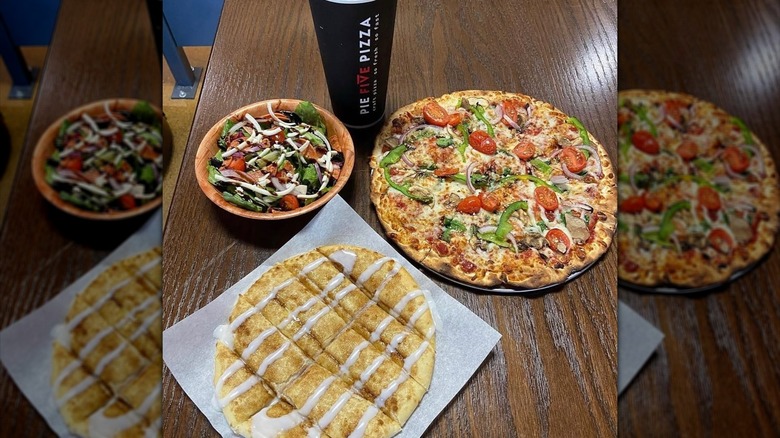
Pie Five's biggest strengths — speed and customization — turned into weaknesses once everyone else caught up. As Blaze Pizza, MOD Pizza, and Pieology expanded with wealthy corporate investors and celebrity endorsements, Pie Five lost the novelty that once set it apart. Its parent company, Pizza Inn Holdings, had the experience to build something big, but not the staying power to win what became an arms race of nearly identical concepts.
According to QSR Magazine, the chain's footprint has fallen sharply, shrinking by 80% since fiscal 2017. Its same-store sales dropped over 7% in late 2025, and one of its highest-grossing units — responsible for more than 13% of total sales — shut its doors the year before. Once the concept lost its edge, even loyal customers moved on. Some have compared its fate to the self-serve frozen yogurt craze, in which too many imitators turned a fresh idea into market clutter.
This comes in sharp contrast to the biggest pizza chain in the U.S., Hunt Brothers Pizza, which thrives without a single free-standing location. That steady success proves there's no one recipe for dominance in the pizza world. Pie Five helped ignite the fast-casual pizza trend, but after a decade of imitators, it's the one left fighting to stay in the oven.