

Gardeners Urged To Spray Veggies With An Old-School Soap To Keep Bugs Away
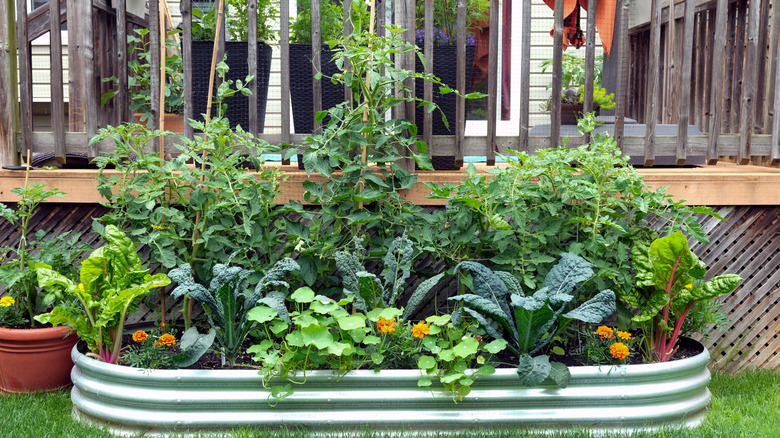
Growing a garden that's ripe with lush produce is a true test of patience and fortitude. Along with investing time in germinating scallions and carrots from seed, sowing potatoes in rich soil, and judiciously pruning your heirloom tomatoes, you also have to safeguard your vegetables from pests, like bugs and insects. If you're a keen gardener, one way to keep those creepy-crawlies at bay is to shower your grounds with a castile soap solution.
Insecticidal sprays, which are made by combining a squirt of gentle dish soap with water, are often employed in gardens to deter nuisances. However, many of these soaps contain chemicals and aren't eco friendly. Plus, you might not want to sprinkle them onto plants that you plan on harvesting and eating. Castile, on the other hand, is an old-school soap made of natural oils (including coconut, palm, olive and hemp oil) that's free from synthetic ingredients like whiteners, dyes, and fragrances. The bottom line? It does the same job without the nasties. To make your solution, mix one tablespoon of liquid castile soap with a quart of water and decant it into a spray bottle. Take care to spritz your veggies well, particularly under the leaves and around the stems where bugs can hide, to prevent them from damaging your precious produce, eating flower buds, and hampering new growth.
When to spray vegetables with castile soap solution
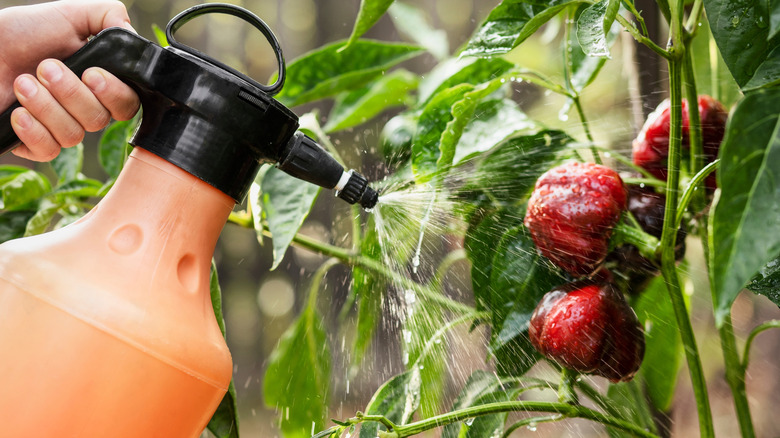
The best time to spray your garden is later on in the day, as insects are less active during this period. The cooler temperature will ensure the liquid doesn't evaporate too quickly in the heat of the day and has plenty of time to do its job effectively. Not only will it eliminate existing bugs, it can also be used as a preventative measure even before any creepy-crawlies have started to attack your vegetables. Once harvested, feel free to safely wash your produce with Dr. Bronner's castile soap too, as the formulation is organic.
Simply dilute it with plenty of water and give your vegetables a good rinse before finishing to make sure they're free from residues that you shouldn't be ingesting. You still need to properly wash organic produce (even those vegetables grown in your backyard) because they could harbor pathogens on the surface. Given the versatility of this safe-to-use soap, it's a perfect addition to your gardening supplies.