

8 Ways Bars Have Changed In 2025
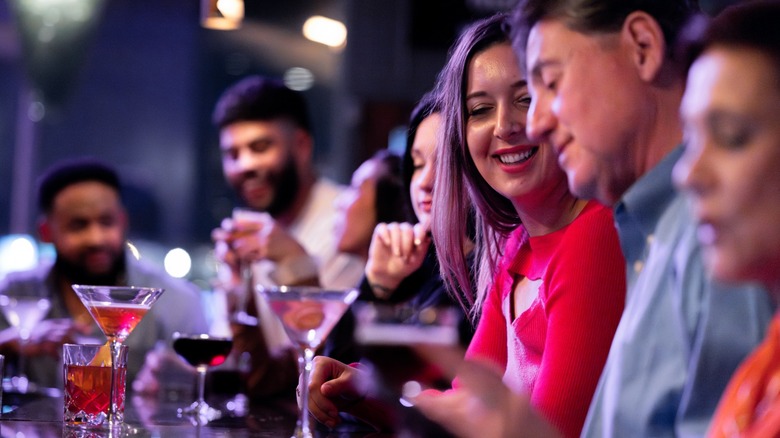
Perhaps more than most industries, bars exist in a constant state of evolution. Whether it's changing clientele interests, trendy focuses on new types of drinks (as well as reinvented classic cocktails), or even fundamental shifts in the way they operate, these third spaces can often act as a direct reflection of the customers they serve. But how has that looked so far this year?
Five years after the COVID-19 pandemic brought them to a standstill, drinking establishments are embracing new tactics and weathering industry-wide disruptions at a faster pace than ever before. As the owner of multiple New York City bars with 15 years' experience, my job is to stay on top of where things are heading — and predict where they'll go next.
Beyond my own observations, I consulted trusted colleagues to learn which trends are shaping the industry today. Here are just a few of the most notable ways bars have changed so far this year.
No and low alcohol beverages became more prevalent
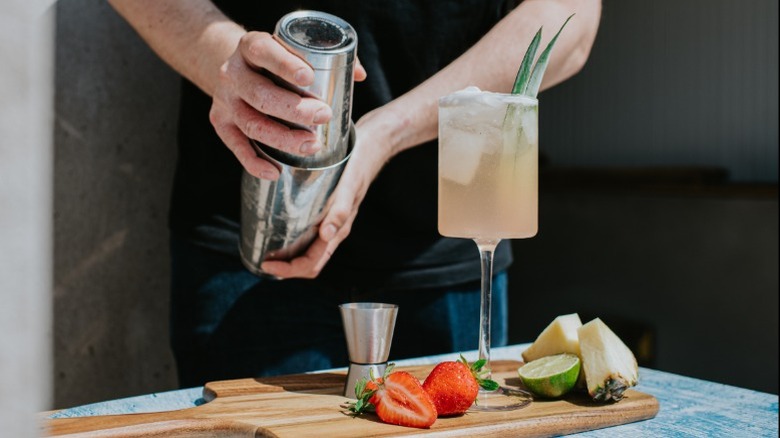
Heading to a bar doesn't always mean people plan to get tipsy. Non-alcoholic beverages continue to spike in popularity, increasing by 30% in 2024. Low-alcohol wines and spirits are also growing, as younger bar-goers cut back or abstain from booze. The result has been a defined focus on coherent (and increasingly well-executed) mocktails and low ABV drinks that make it easier than ever to find what you're looking for without the buzz.
But what brought this about? Some experts believe there has been a significant shift in the culture of going out and drinking excessively. "The truth is that everyone wants authentic connection nowadays, and you won't get that if you're blacking out," says Jessica Rodrigues, a New York City-based sober bartending expert.
"I think there has been a vast awakening for people to lock in to their time spent with people — and that means both sides of the bar. I see people asking for more soda to thin out their drinks and taking a much more active role in deciding when they've had enough, before a bartender needs to step in and make the decision for them."
Experiential bars took off
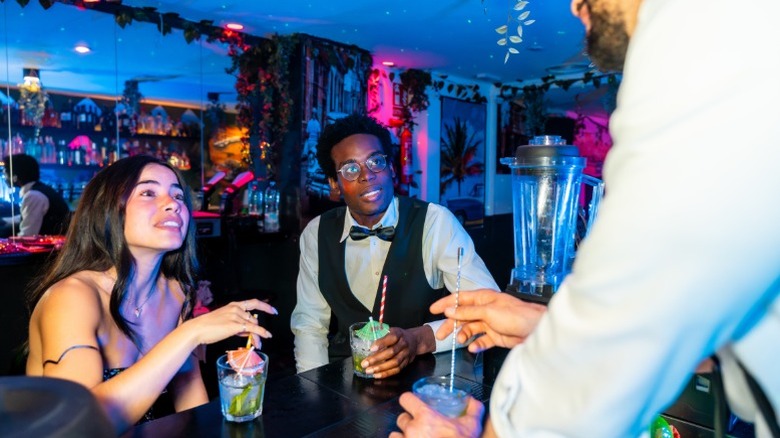
The very best bars have always put as much focus on ambiance as they do service, whether it's a high-end cocktail bar or a local watering hole. However, this decade is witnessing an entirely new shift towards overtly themed establishments that go beyond picking the right kind of comfy furniture. From over-the-top tiki to quirky sci-fi motifs and even DINOs ("Dive [Bars] in Name Only"), some bars are opting to stand out with creative new approaches to decor, menu development, and in-house offerings.
The numbers behind this movement might also help explain why it's a bona fide trend: Almost 20% of all bar goers (or about one in five) say they typically like to visit one on their nights out. But why the sudden surge in openings? Of course, using an over-the-top aesthetic is a marketing strategy that has been used for years in hopes of generating viral-worthy posts on Instagram and TikTok. But at the same time, being known for an outright gimmick can be one of the best ways to brand yourself at a time when standing out is everything.
Naturally, there's a spectrum to this trend. Celebrity-backed establishments like Ray's (with locations in New York City and Miami) operate "vintage dive bars" that aren't even a decade old. Meanwhile, Beetle House in New York City has a Beetlejuice theme that runs from its menu to its design motif. All in all, you can likely expect more of these to come.
Sustainability became more of a focus
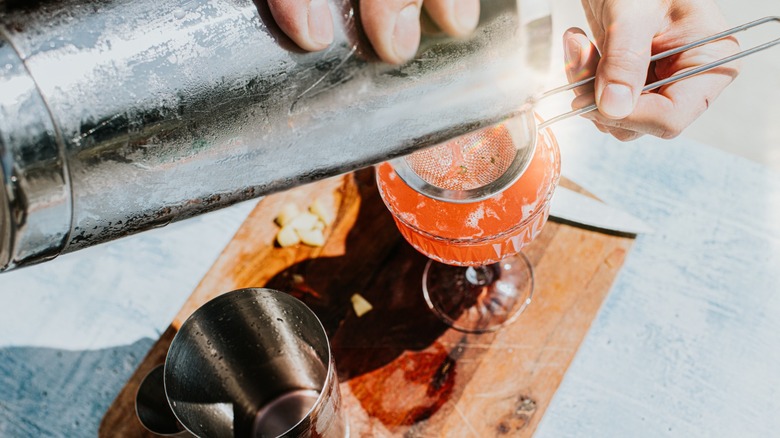
Having an eco-conscious outlook is now a mainstream focus for bars. As businesses that require fresh ingredients and generate significant waste, many operators are becoming proactive with sustainability practices.
Many of these changes are obvious to customers, which is often the point. This includes an overt reduction in single-use plastics by incorporating alternative or reusable straws and stir sticks, as well as using napkins and other items made from recycled materials. Also, bars increasingly source local, seasonal ingredients for cocktails from sustainable farms and producers — and even incorporate parts of them that might've once been thrown away.
In many cases, this can be seen as a win-win for bars: Not only do many patrons appreciate the efforts, but the emphasis on reducing waste can often improve the bottom line. It can also overlap with other notable changes in the bar world. According to Matt Almodiel, bartender at Lucky Tiger and Agency of Record in New York City, non-alcoholic menus tie into sustainability due to the intricate prep that's required, allowing some beverage directors to "check multiple boxes off with longer shelf life in ingredients while still putting together a memorable experience in a mocktail."
Bars shifted their hours earlier
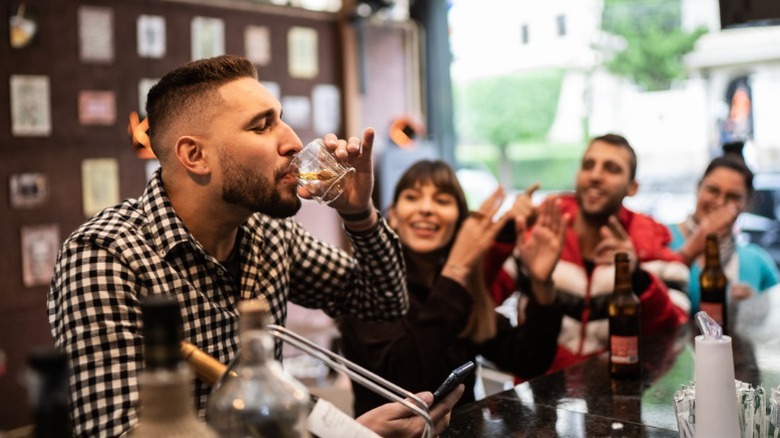
While bars are often synonymous with "nightlife," they aren't always busiest during later hours. In fact, many establishments are choosing to stop service hours before their local liquor law requires in the face of rising labor costs, and sometimes shut down for a full day or two each week.
However, that's not the case everywhere. It's becoming more common for establishments to pursue new revenue by opening earlier in the day to serve coffee, lunch, and provide a public space for working from a laptop or catching up with friends. This not only expands the hours of the day when you can make money, but also makes staffing easier for dealing with deliveries and prep work.
However, there is still an element of traditional revelry as a part of this time shift: Bars like Joyface in New York City have pioneered "matinee" dance party nights which target elder millennials with a 5 p.m. start time, a pizza drop at 8 p.m., and wrapping festivities up by 10 p.m. when the regular Friday night crowd begins to show up. Others are winning back recently returned office workers with longer, more enticing happy hour deals. And even coffee shops are getting into the game, with some opting to add craft beer, natural wines, and signature cocktails to their offerings in a way that further blurs the line between watering holes and cafes.
Cocktails with health benefits emerged
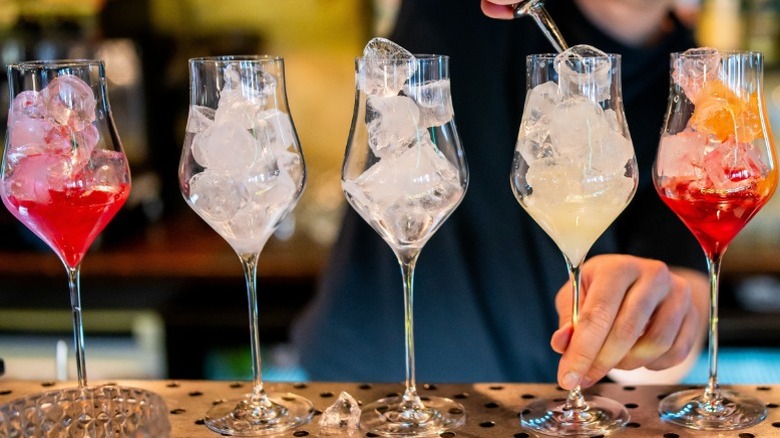
It's by no means a recent trend for the general public to place a high priority on their health. But as clientele drink less alcohol, bars are starting to focus more on "functional cocktails" that can provide alleged health benefits or different effects. Just how popular? The category represented nearly 10% of all beverage sales in Q1 2024, with $9 billion in sales over the prior 12 months. Next year, the global market value for this budding drink is estimated to reach $249.5 billion.
Some have incorporated different herbs and adaptogens into non-alcoholic cocktails that are seen as beneficial, including some that can boost energy and clarity. Others focus on ingredients like maca and damiana, which purportedly work as aphrodisiacs for couples looking to engage in sober intimacy after a date. Some are even cannabis-based, leaning into CBD and THC for a different kind of relaxation effect for drinkers.
As part of the shift, it's not at all uncommon to see tinctures, non-alcoholic spirits with added ingredients, and other concoctions featured prominently behind the bar. Companies like Aplos, Pathfinder, Kin, Three Spirit, and Sentia have done especially well in the space, providing customers with a familiar brand that can give them a booze-free boost when needed while out on the town.
Upscale spirits attracted a wider demographic
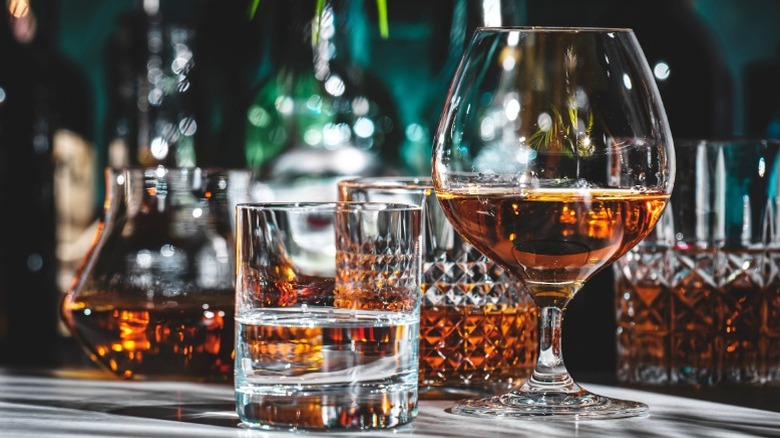
Cutting back on nights out doesn't appear to be only related to health goals. But even as budgets grow tighter in the face of increasing inflation, bargoers aren't necessarily holding back from picking from the top shelf. Data has shown that customers are becoming increasingly more likely to spend more on premium brands, with 54% of consumers between the ages of 18-34 saying they would likely opt for a pricier product (versus just 35% of drinkers 55 and older).
Of course, this could partly be because patrons are willing to spend a little more on fewer drinks if they're already going out less frequently and spending less on alcohol overall. But there also appears to be a shift in the demographics for who is shelling out, with median income younger adults (and an increasing percentage of female drinkers) beginning to catch up to the longtime top purchasers of premium spirits, older affluent males, according to data from the International Wine and Spirits Record (IWSR). This is especially true of the whiskey segment, where an increasing share of millennials are taking a shine to those pricey bottles of bourbon, rye, and scotch.
New popular flavors took the limelight
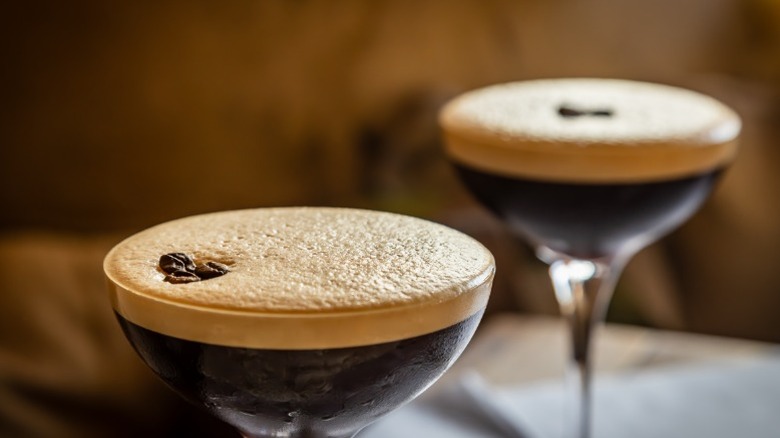
Just like fashion or restaurants, bars also experience different trends. Most people have a go-to order, but trends on social media, word of mouth, and even plain old curiosity have led to a market-wide spike in a particular flavor.
Among the most notable has been a pronounced spike in the popularity of coffee-flavored cocktails like espresso martinis or coffee negronis. Sales figures suggest that sales of the former were up as much as 15% in 2024, and that trend shows no signs of slowing, both in my business and those of colleagues around town. But things are looking even brighter on the fruity side of things: Market data shows that guava has skyrocketed by 40% over the past four years.
Experts also agree that other intriguing, non-conventional flavors are becoming more common and will likely continue to do so. This includes savory ingredients like sesame, seaweed, and miso, as well as technique trends like milk-washing to smooth out ingredients. Straightforward, simple cocktails with minimal ingredients are also having a moment, which is often inspired in part by sustainability and low-waste initiatives.
Traditional wine made a comeback
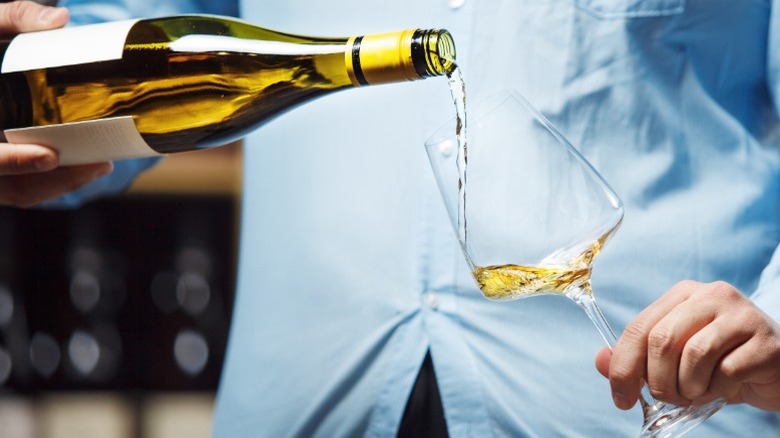
Over the past decade, the natural wine boom has transformed the way we buy and pop bottles out on the town. But with wine sales in decline overall, it was almost inevitable that beverage directors would begin to make some changes to their lists. Now, more establishments are reverting to familiar styles of wine in an effort to appeal more broadly to the drinking public.
Among my hospitality colleagues, many have brought up rethinking the way they categorize and interpret wine. Now, instead of a narrower set of offerings, some are bringing back traditional wines from smaller producers rather than stocking solely those produced using rustic methods.
In some ways, this is similar to the changes seen on beer menus, where an overwhelming selection of strict craft is now evolving into pared-down lists with a few craft-adjacent options (and even some tongue-in-cheek macros). But with wine being such a personal preference for customers, the trending approach seems to make it easier to get more customers what they're looking for instead of limiting yourself to one specific subcategory.