

The History Of Chicken Salt (And How Its Origins Were Lost And Found)
We may receive a commission on purchases made from links.
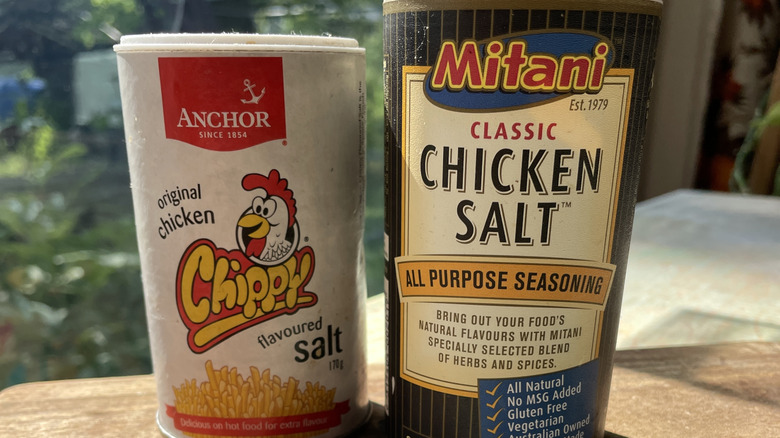
It might not be well-known in the U.S., but chicken salt is one of Australia's most popular condiments. It first showed up in southern Ozzie chicken shops in the 1970s and quickly gained popularity across the country. Originally intended as a rub for the rotisserie chickens that were one of the most popular fast food options down under at the time (and remain loved today), the blend of salt and spices turned out to be a great flavor-boosting addition to fries, too.
Until just a few years ago, rumor had it that chicken salt ended up on fries by accident. Its origins were shrouded in mystery. It felt like a condiment that had sort of always been part of Australian food, and most people assumed a faceless team of food scientists had devised it.
Mitani, the company that still makes the country's most popular brand of chicken salt, began selling it commercially in 1979. Some people remembered it being around before that in some form, but it was a long time ago. Certainly, the recipe had changed over the years. Part of this was the MSG panic of the '90s, though money-saving and catering to dietary restrictions were probably factors, too.
It wasn't until Adam Liaw, winner of the notoriously tough "MasterChef" Australia, wrote an article in the Guardian about chicken salt's return to popularity that the condiment's real origins (and true original recipe) were revealed. The inventor of the salt, Peter Brinkworth, was pulled from obscurity and somewhat reluctantly thrust into the limelight in Australia.
Peter Brinkworth and how Adam Liaw found him
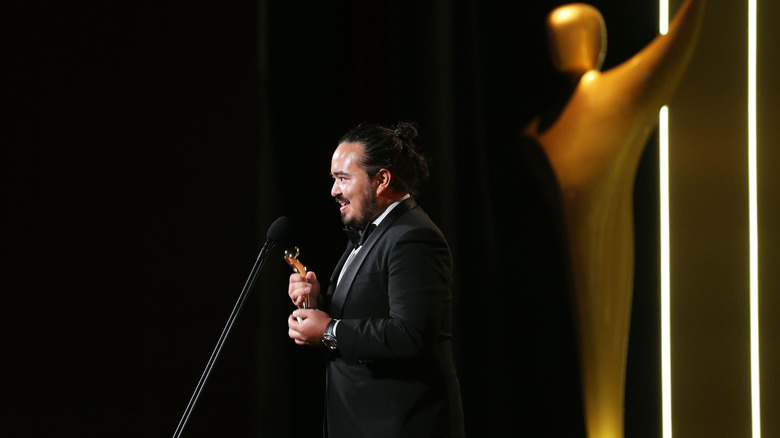
Peter Brinkworth, now in his 80s, once ran a chicken shop and wholesale business in Gawler, South Australia. The rotisserie chicken spot was so local it didn't even have an official name; people called it The Gawler Chicken Shop. One of Peter's daughters, Jodie, was at school with Adam Liaw. And when Liaw penned his article opining on the joys of chicken salt, he mentioned a rumor that his classmate's father was the mad genius who devised the original chicken salt. To his surprise, it was more than just a rumor. A few days later, Jodie got in touch. She was annoyed he had never believed her back at school, when she had confirmed, straight-faced, that her dad really did invent the stuff. Luckily, Adam was now in a position to correct this. He wrote a second article, clearing up the condiment mystery.
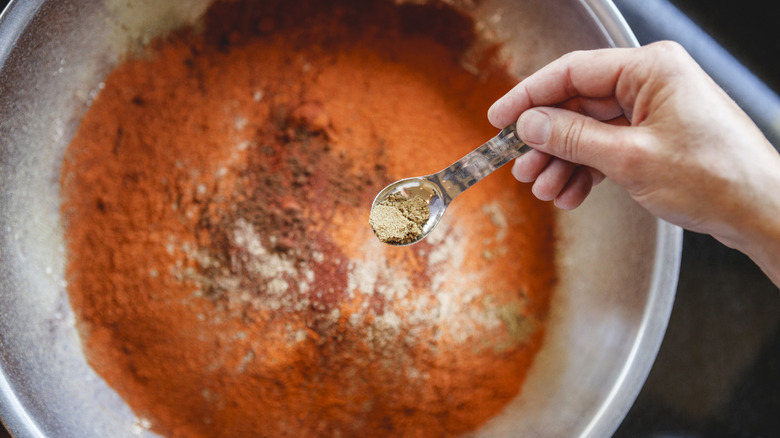
Australia went wild for this new information about their favorite flavoring, and in 2022, a short film about Brinkworth debuted at the Adelaide Film Festival. Always stoic, Brinkworth claims the current iterations of chicken salt don't taste like the real thing, so he still makes his own with onion powder, garlic powder, celery salt, paprika, chicken bouillon, MSG, and curry powder. There's been no word from Brinkworth regarding a version of chicken salt that appeared on Shark Tank a few years ago. JADA, a low-sodium twist on the condiment suitable for vegans and celiac sufferers, is available on Amazon. You can try it and make up your own mind. Sometimes, balance is needed, after all.
The true origins of chicken salt, from the horse's mouth
When Jodie Brinkworth got in touch with Adam Liaw, she told him he'd be best off getting the story of chicken salt straight from the source, or "from the horse's mouth." Telling his own tale, Brinkworth informed the "MasterChef" winner that he's always been something of a perfectionist and likes to do things his own way. So, he tinkered around in his shed until he'd created chicken salt. He was surprised by its popularity, but soon found himself mixing buckets of the stuff.
It was probably Brinkworth's daughter, Tina, Jodie's older sister, who started putting it on chips. She worked the counter at The Gawler Chicken Shop, and soon found herself inundated with requests for the seasoning. So, it went on hot chips, and the Brinkworths began making packets for their customers to take away and use at home.
Brinkworth sold his businesses to the Mitani family in the late '70s after the death of his middle daughter. If it weren't for this family tragedy, the condiment may not have been commercialized, as it was the Mitanis who began selling it to other chicken shops, and eventually grocery stores. Still, it seems likely chicken salt would have caught on somehow. Australians do eat some things that seem odd, but it's hard to imagine their cuisine without a condiment so embedded in daily life that expats whisper about where to find it abroad. And now that the story of its invention is out, it's hard to imagine Australia without the unassuming Peter Brinkworth. He may not be a food scientist, but he's a culinary hero to many!