

5 Downsides To Shopping At Dollar General
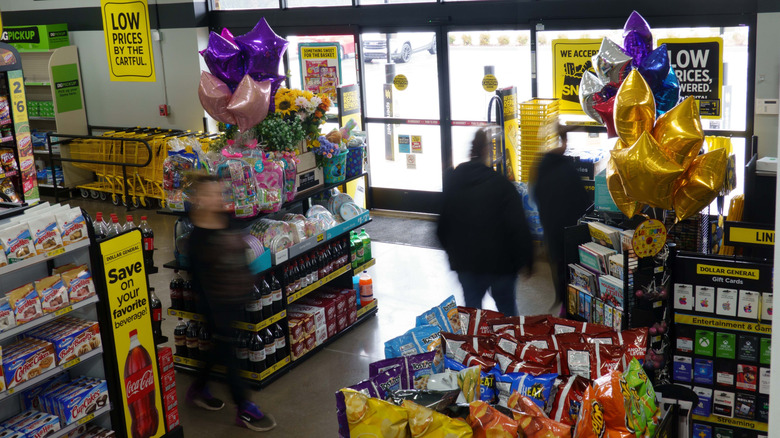
Dollar General has nearly 21,000 locations in the U.S. That's over four times as many as the number of Walmarts and roughly 10 times the number of Targets, both of which feel inescapable in the American shopping experience. Those who shop at Dollar General may not have any other choice, because around 80% of the chain's 20,977 stores are in rural locations where competition is lacking (partly because of the company's business model). Unfortunately for shoppers without other options, the dollar store chain has some downsides that can affect these customers.
Some of the downsides become glaringly obvious once you know where to look, while others are hidden in how the company affects a region. Dollar General has gotten in trouble in the past for some of its issues, paying fines in lawsuits brought by state attorneys general. The drawbacks affect not just your budget, but your health and your community's health as well. Plus, if you're looking to shop in a place with attentive customer service, you may need to keep searching. Yes, the prices at dollar stores are low, but there are reasons this style of market can sell food for such reduced prices, and not all the reasons make the prices worth the trade-off. Below are five downsides to shopping at the biggest dollar store chain, Dollar General.
You have to make sure they don't overcharge at the register
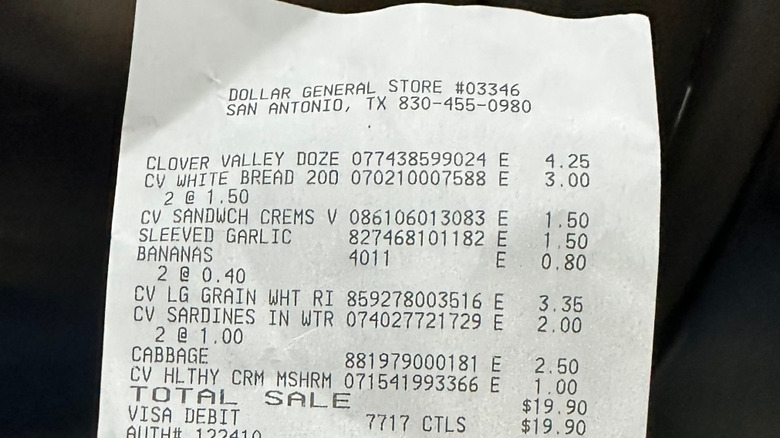
On a Facebook post, a Dollar General customer offered advice to others who shop at the store: learn from their mistake and check your receipt. Others in the comments jumped in, writing that this has always been the case with Dollar General. One commenter added, "That's why I watch as they scan! Catch it right away — much easier!" The distrust of the chain continues on Reddit, where a poster warned people that multiple chains are charging more than advertised, but that "Dollar General ... is the worst offender."
In late October of 2026, the Federal Trade Commission joined in a lawsuit with 20 states against Dollar General for charging consumers more than advertised, alleging that the chain's overcharging was an example of "pervasive and systemic pricing inaccuracies, rather than isolated or accidental errors." The lawsuit alleges that the chain knowingly does not employ enough workers to update the prices on the shelves. As the Facebook comments attest, this isn't new; the company has paid $6 million in settlements over inaccurate pricing with six states since 2019.
The price is often not actually lower per unit
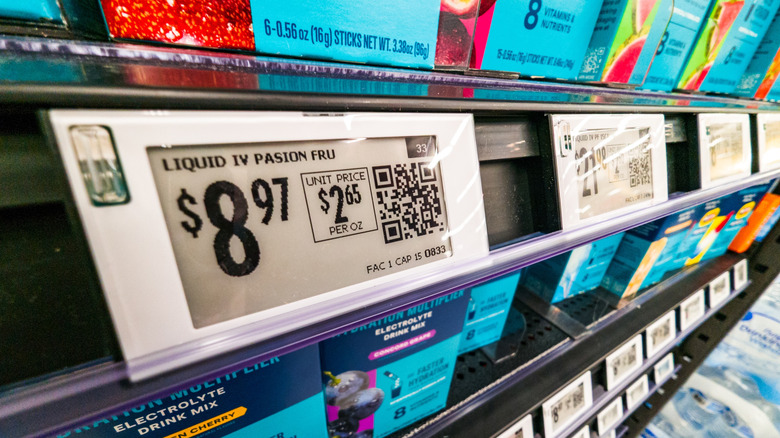
Buying in bulk doesn't have to mean buying a case of 24 boxes of Hefty trash bags to shave $0.01 off each bag. Dollar General sells an 11-count box of 39-gallon Hefty Strong Lawn & Leaf Trash Bags for $7.50, which comes out to $0.68 per bag. At Target, a box of 24 of the same bags costs around $14.19, or $0.59 per bag. Even cheaper per unit, Kirkland Signature brand lawn bags are $0.43 per 50-gallon bag at Costco.
Reading the per-unit price on labels is important, but not everyone is able to buy the bigger box. This inability to buy in bulk is part of the high cost of being poor. Many people in poverty have no choice but to spend more money in the long run on the cheaper, smaller package of necessities. The ability to buy all your groceries on a tight budget can help those waiting for a paycheck to come in, but the system favors those who can afford to spend less.
Most of the food at Dollar General is not healthy
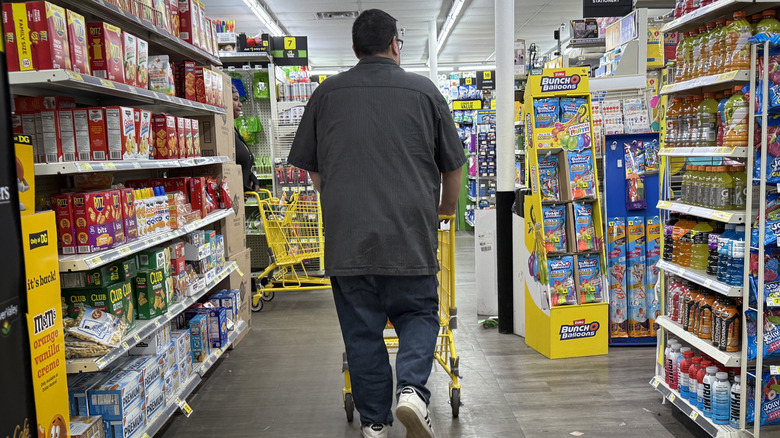
Dollar stores have a long list of foods we recommend passing on, and Dollar General is no exception. The chain may be expanding its selection of fresh fruits and veggies — it now has produce departments in about a third of its locations — but the majority of what it sells is still unhealthy. According to a study from UC Riverside published in BMC Public Health, better access to dollar stores as opposed to more traditional grocery stores generally resulted in higher rates of obesity, diabetes, and high blood pressure in the region's population.
Some shoppers find workarounds for the unhealthy options from Dollar General. A study from Tufts University found that many customers at dollar stores ended up shopping at other grocery stores to compensate for the lack of healthy options. But what do you do if you don't have any easy options for fresh, nutritious food to supplement the predominance of ultra-processed foods high in sodium sold at these low-cost markets?
Small businesses in your community find it harder to succeed when a Dollar General opens
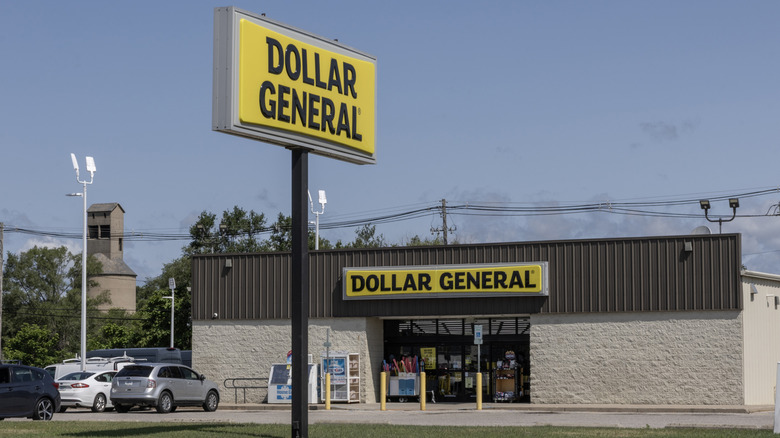
Dollar stores like Dollar General make it more difficult for other grocery stores to open in the region, giving you fewer options to shop at (according to CNN). With its 20,977 locations, Dollar General has saturated some markets. Even shoppers who can afford to purchase in bulk lose the possibility. This also limits your options, giving you less access to other stores with fresher produce and better food choices. Only around 6,700 Dollar Generals offer fresh produce, so many who have had their local grocers close due to the chain opening up in their town now must travel farther for fresh fruit and vegetables, or rely on heavily processed foods. This creates what is known as a food desert.
Stores like Dollar General are extractive, meaning more money leaves the community than gets cycled through it when shopping at dollar chains, argues the Michigan Journal of Economics. This creates more dependency on stores like Dollar General as the community gets poorer. Dollar stores are not alone in damaging local economies — many of the big chain retailers have this problem — but these lower-priced markets that open up multiple locations in a small area are especially good at making the region worse off. Some cities are fighting back by enacting zoning laws. One example is Birmingham, Alabama, where dollar stores are not allowed to have new stores within a mile of another location of the chain.
The stores are understaffed, overworked, and underpaid
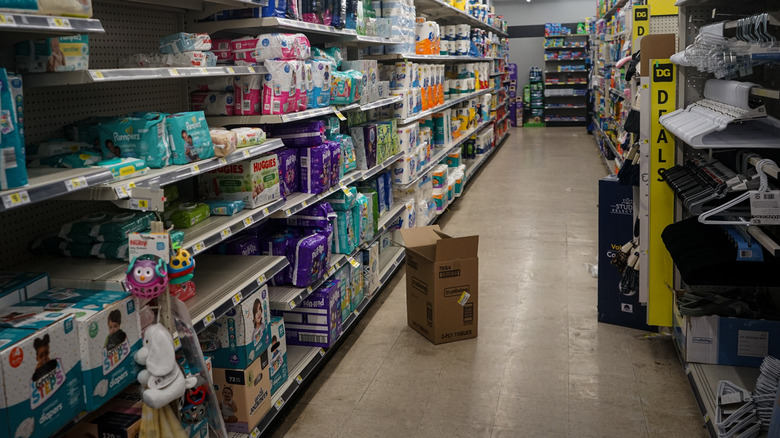
One of the biggest complaints about Dollar General is its poor customer service, which can reasonably be attributed to the chain's chronic understaffing. Having a skeleton crew means each employee is overworked, filling multiple roles at the same time, giving little time for customers' questions. Sometimes, a store will only have one employee on shift when you shop, so getting help is hard.
The staff who do work at Dollar General are underpaid and often placed in unsafe conditions. Time reported that the company repeatedly ignored orders from OSHA inspectors. Stores lacking the staff to unpack shipments blocked walkways and safety exits with merchandise, so if a fire broke out, employees would struggle to escape. (One could imagine that customers would get stuck in the burning store as well.) All for wages that frequently require government programs like Medicaid and SNAP for employees to get by. Hopefully this gives you some insight into why the one employee on duty didn't seem to give you the time of day when you asked where the peanut butter was as they tried to move pallets away from the fire exit.