

4 Downsides Of Using A Coffee Grinder
We may receive a commission on purchases made from links.
It doesn't seem like that long ago when the morning coffee ritual involved grabbing a metal can of Maxwell House out of the cupboard and filling the drip coffee maker's filter one scoop at a time. Now, this has become a retro coffee habit younger generations won't understand. Besides the ever-increasing variety of home coffee/espresso machines available, there are endless brands and types of coffee beans, not to mention tools, to assist in making the perfect cup of coffee. These days, a coffee grinder is absolutely necessary in creating an amazing cup of Joe, but this accessory still has its downsides.
If you use a grinder, you've probably experienced inconsistent grinds, fear of waking the house during the very loud process, or making a mess with your grinds. Whether you use a blade or burr coffee grinder, manual or electric, there will be one or more of these disadvantages. That doesn't mean you should rethink getting a grinder, though. One of the keys to deciding which type of grinder is best for you is understanding what drawbacks you're willing to put up with to create your morning bean juice. There's a coffee maker to fit any budget on the market these days, so take into account how much time and energy you're willing to spare, your budget, and of course, which potential downsides will bother you the most before deciding.
Some coffee grinders can produce inconsistent grinds
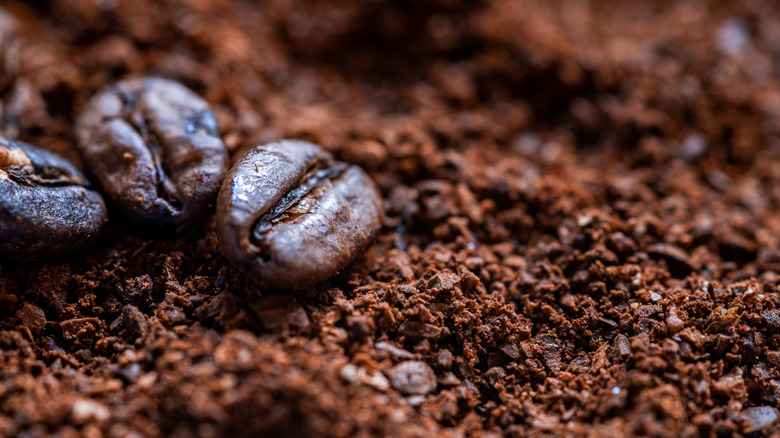
The importance of grind consistency is something the average coffee drinker probably isn't aware of. In actual fact, the key to making a well-rounded cup of coffee or espresso shot lies in the beans. For each type of coffee/espresso maker, you need a specific kind of grind: fine for espresso, medium for drip machines, and coarse for French press. If your grounds are more like finer particles mixed with chunks of unground beans, which is a very common mistake that leads to acidic coffee, your grinder may be the culprit.
Inconsistent grinds can occur across different types of grinders, but they mostly tend to happen with handheld blade grinders, which chop instead of crush the beans. An uneven grind can cause acidic coffee because your machine won't be able to evenly extract flavor from the different grind sizes. To avoid this issue, you can purchase a grinder with a burr mechanism rather than a blade. Just be sure that it's high-quality, or you may run into the same issue. And remember to pause and shake out your machine between grindings, as you don't want stuck coffee to remain inside and get stale.
There's an upfront cost with quality coffee grinders
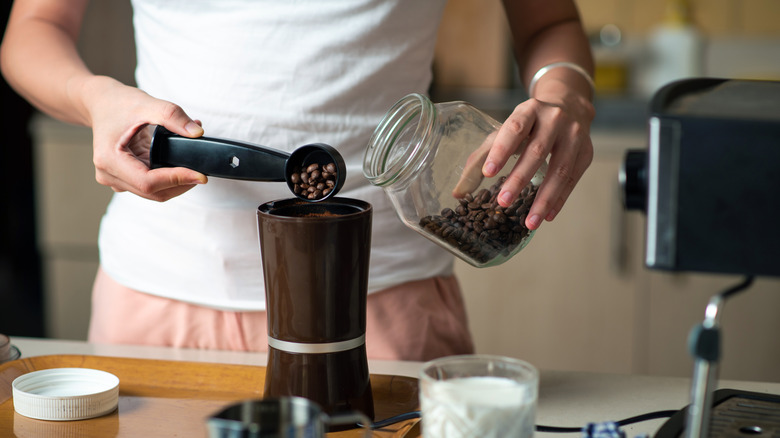
For many people, one of the biggest downsides of using a coffee grinder is the upfront cost. If you want a high-quality cup of coffee, a cheap blade coffee grinder isn't going to cut it; a burr grinder is the way to go for consistent grounds. On average, a quality manual burr grinder will start at around $80 at the time of writing, while an electric burr grinder is going to cost you anywhere from $150 to $400. The Breville BCG820BSS Smart Grinder Pro for sale on Amazon for around $199 is a good mid-point option that grinds for both drip coffee makers and espresso machines.
This upfront cost is the reason a lot of people end up settling for a cheaper blade grinder, but then they end up sacrificing the quality of their coffee thanks to the aforementioned inconsistency issue. What's the point of buying high-quality, whole-bean, single-origin coffee if the grinding process is going to give it an acidic flavor? When it comes down to it, paying a little more upfront is an investment in your future coffee enjoyment, even if it's an initial hurdle.
Coffee grinders are generally loud
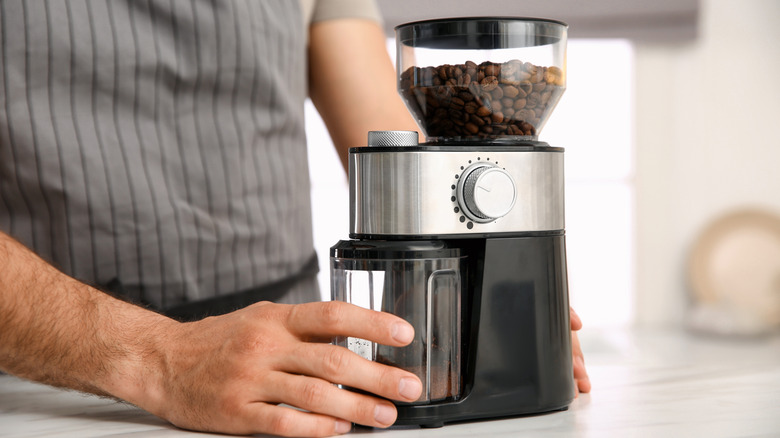
Noise is a real issue for coffee lovers who prefer electric grinders. Blade grinders tend to be high-pitched and brief, while burr grinders have a lower tone but grind for a longer period of time. Depending on your living situation, this can be a rude wake-up call first thing in the morning. Not only will using a coffee grinder early in the morning run the risk of waking everyone in the house, but it's also not a pleasant experience for the person making the coffee.
The motor in a coffee grinder, combined with the coffee beans hitting the blades or burrs, is what makes this small appliance such a racket to operate. One option to avoid this issue, beside buying a manual grinder, is to grind your coffee beans the night before. The only problem with doing that is that you will be sacrificing freshness for a little morning silence. Some electric grinders have noise-minimizing features, such as a more insulated design or lower-noise motors, but no electric machine is going to be totally silent. You could also use a thick placemat or towel to place the grinder on — this will muffle the sound slightly.
Coffee grinders can make a mess
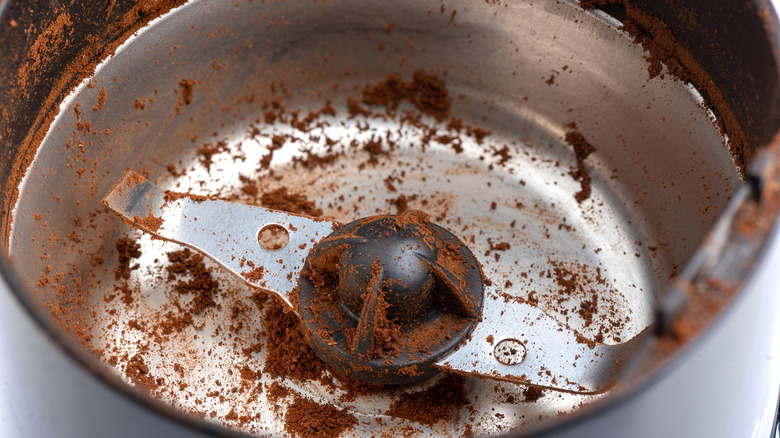
Anyone who has experience using a coffee grinder will tell you about the cleanup that may be required. Coffee grinders can lead to mess due to the static friction created by the grinding process, which can cause coffee retention. Worsened by the dry air in your home, this causes the grounds to stick to the blade and the inside of the grinder. Not only does this create a mess for you to clean, but it can also end up wasting some of your precious coffee.
The best solution for this issue is to spritz your beans with a light mist of water before grinding, which helps the static energy to dissipate, allowing the coffee to transfer more seamlessly. It's important to follow manufacturer instructions for cleaning your grinder on a frequent basis, and dry all parts of the tool thoroughly after washing to avoid rust.