

Give Roast Turkey 10x The Flavor With These 12 Seasonings
We may receive a commission on purchases made from links.
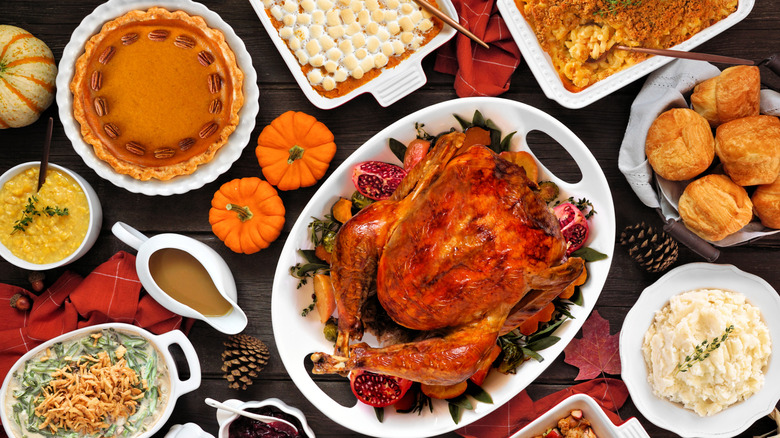
We know that with Thanksgiving right around the corner, now is the time to start planning out your dinner table. Sure, classic sides like creamy mashed potatoes, green bean casserole, and cranberry sauce complement this fall-themed feast, but it's the roast turkey that is central to the whole Thanksgiving experience. And when it comes to seasoning this bird, flavor is key. Whether that be coming up with your own signature mix of spices or relying on some oldie but goodie spice blends that can be found at your local grocery store, we've put together a lineup of 12 great options to choose from.
From some classic fall herbs to staples you may already have in your pantry as well as premade spice mixes for added ease, feel free to mix and match these seasonings as you like. And be sure to add salt if your chosen blend doesn't already come with this ingredient in the mix — salt is not only important for flavor, it also helps to draw out moisture and dry out the turkey skin to ensure a proper golden brown crispy exterior and a juicy, flavorsome interior. These seasonings are also versatile; they all work with both dry and wet brines, so no need to switch it up if you prefer one method or the other. And once you've decided on your turkey's spices, you might want to check out these 25 delicious sides to have on your Thanksgiving table.
Sage
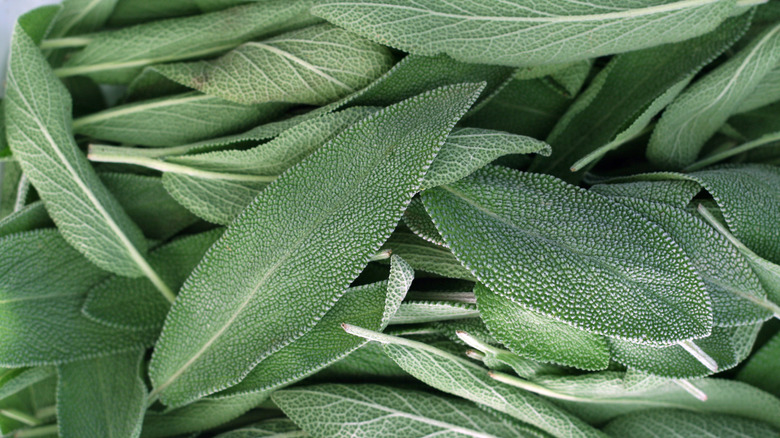
A classic Thanksgiving herb consisting of leaves harvested from the Salvia officinalis plant, sage provides your seasoning blend an earthy, warm, and peppery flavor. It works well to complement a number of other herbs and spices (just be careful to use it sparingly, because sage has a rather strong flavor). The undisputed and quintessential flavor of traditional holiday roast birds, turkey stock-infused savory bread stuffing, and turkey dripping gravy, this herb penetrates its flavor deep into the meat and releases a nostalgic woody aroma sure to evoke classic Thanksgiving memories for all gathered around the dinner table.
Thyme
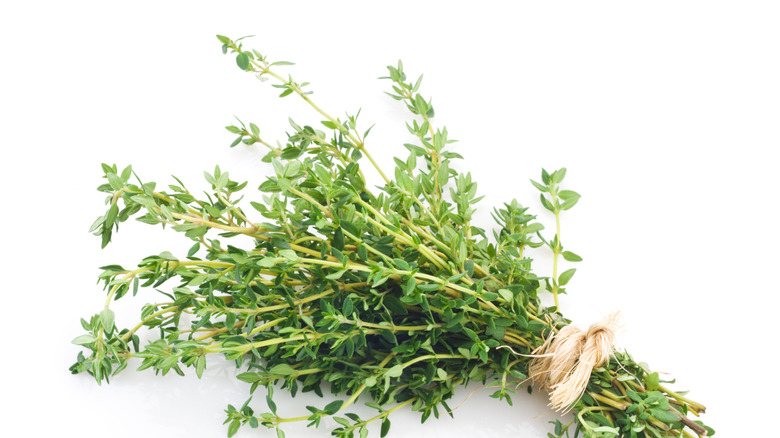
Alongside sage, thyme is yet another herb found commonly in a number of Thanksgiving dishes. When used in a seasoning blend for turkey, thyme provides an herbaceous and vaguely minty flavor profile. Try adding thyme alongside garlic, onions, and lemon to the inside cavity of your turkey for a roasted Thanksgiving centerpiece sure to wow a crowd. Both fresh and dried thyme can be commonly found at your local grocery store during the holiday season; just remember that fresh thyme is much stronger than the dried leaves.
Rosemary
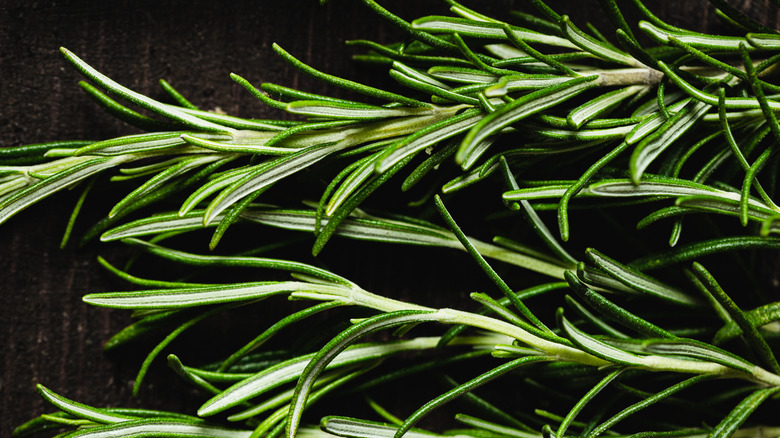
Rosemary is perhaps one of the most common herbs used to add flavor to any roast poultry; with its bold astringency and sharp aroma, this herb can be finely chopped and sprinkled on the outside of a turkey, or stuffed as whole sprigs inside the turkey cavity. With leaves that somewhat resemble pine needles, this herb can be used both fresh and dried. Notably, rosemary retains much of its distinct flavor even after being dried (many other dried herbs loose most of their potency after their preservation).
Garlic powder
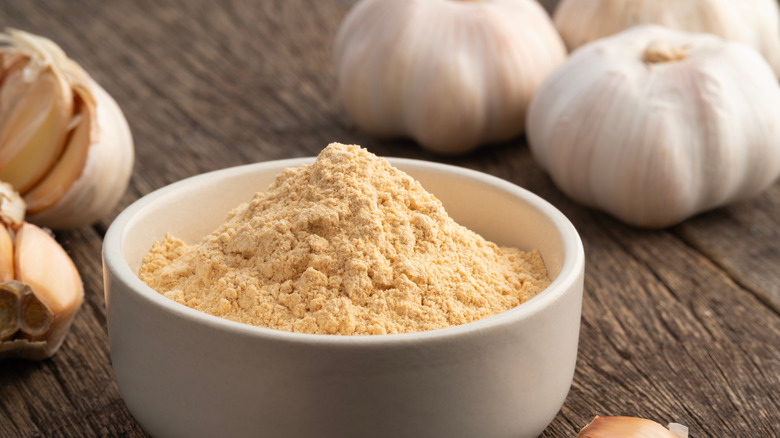
A common pantry staple, garlic powder is exactly what it sounds like — dried garlic, ground into a fine powder. While this seasoning may have lost the sharp, punchy spiciness its fresh counterpart is known for, this seasoning is instead used for its mellow, roasty flavors. As a part of a seasoning blend for Thanksgiving turkey, garlic powder practically evenly coats and practically dissolves on the meat it is sprinkled over, a handy trick for getting garlicky flavor everywhere throughout your roasted bird.
Onion powder
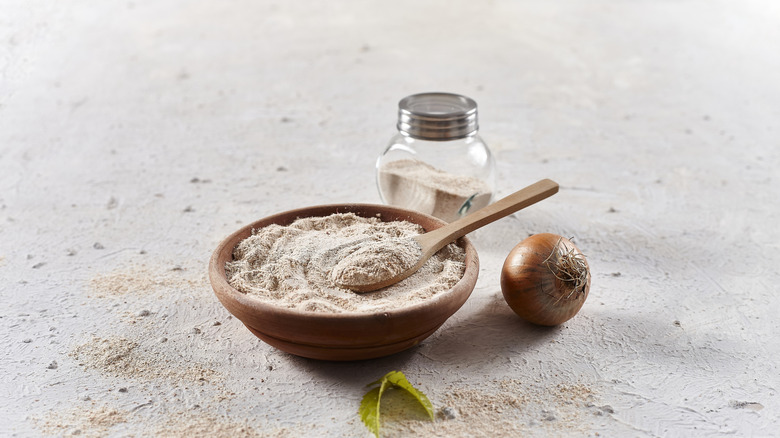
Similar to garlic powder, onion powder is made from finely ground dehydrated onion. A sweet yet pungent seasoning, onion powder can be found at practically any grocery store. And as a seasoning for your roast turkey, this pantry staple will give your bird just the right amount of subtle sweetness. Try adding to a dry brine alongside salt, pepper, and garlic powder, or add to a wet brine for some pervasive flavor. Perfect for if you don't have fresh onion on hand or if you just don't want the hassle of crying while chopping this pungent allium, onion powder is the way to go!
Smoked paprika
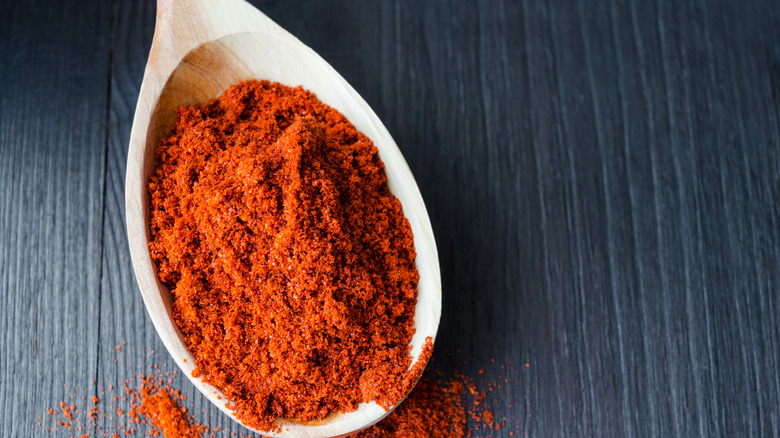
Known for its signature reddish-brown coloring, smoked paprika lends many seasoning blends their vibrant hue. And when rubbed onto Thanksgiving turkey, this spice assists in the browning of the bird — giving this roast poultry some color, and enhancing the already golden-brown exterior. While this finely ground powder is made of peppers, it's actually not very spicy. Instead, paprika adds smokiness to everything it is sprinkled on, vaguely reminiscent in flavor to a backyard barbecue. Add this spice to your turkey if you want some sweet smokiness and coloring on your bird.
Allspice
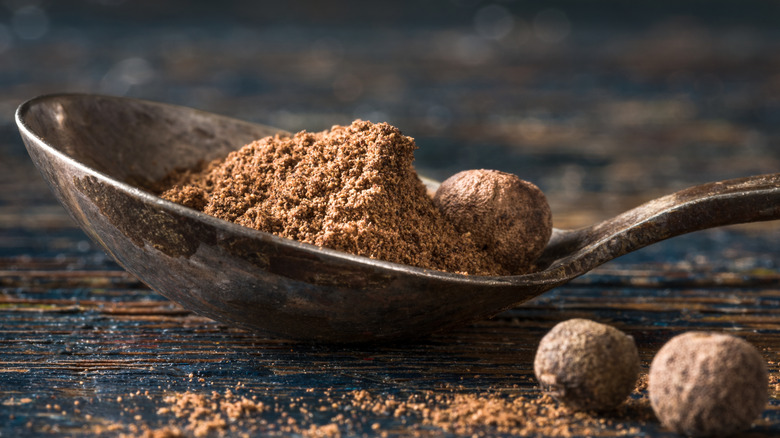
An ingredient in a number of roasted turkey recipes, including Alton Brown's Thanksgiving Turkey, allspice is a classic fall flavoring. Harvested as a berry, allspice also goes by the names Jamaica pepper, myrtle pepper, and pimento. Fermented and dried, allspice is often finely ground or dried whole for long-term shelf stability. Suggestive of its namesake, allspice can be compared to in flavor to a combination of pepper, cinnamon, nutmeg, and cloves. Add this to your Thanksgiving turkey seasoning for some warm fall spice and a quintessential Thanksgiving feel.
Poultry seasoning
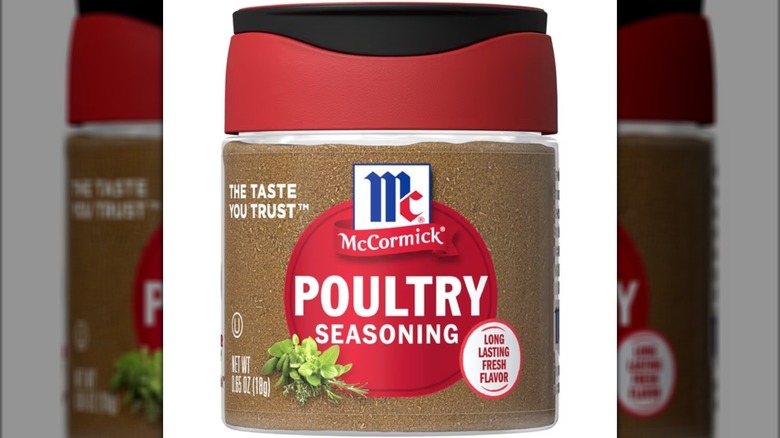
Poultry seasoning is — well — seasoning for any type of bird. This blend typically features a mixture of dried herbs and ground spices like sage, thyme, marjoram, rosemary, nutmeg, and black pepper. You are sure to find this seasoning at your local grocery store, but you can also make your own blend at home and store in a jar for all of your poultry needs. But for Thanksgiving turkey, pre-made poultry seasoning serves as the ultimate seasoning hack — especially if you don't have time to make your own blend.
Herbes de Provence
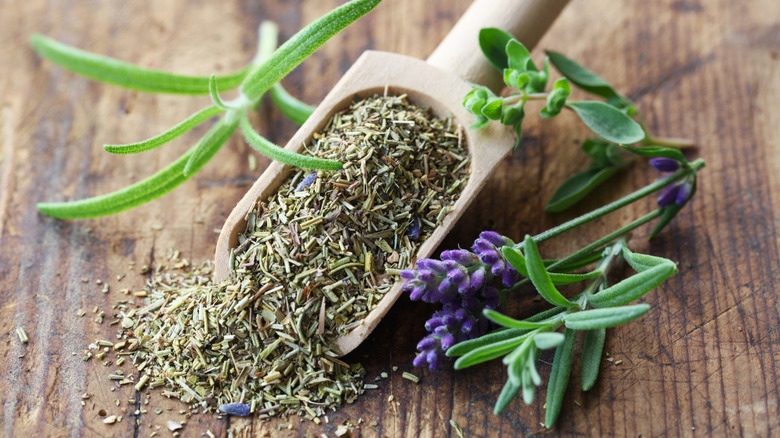
Herbes de Provence is a signature blend of spices commonly used throughout Southern France. With ingredients such as marjoram, rosemary, thyme, basil, oregano, savory, and bay leaf, this blend of spices has it all. Perfect for your roast turkey, this seasoning mix will give your bird that homey, rustic taste — providing your table with a taste of France. Season liberally before roasting in the oven, or infuse into olive oil and brush onto your bird before baking.
Old Bay seasoning
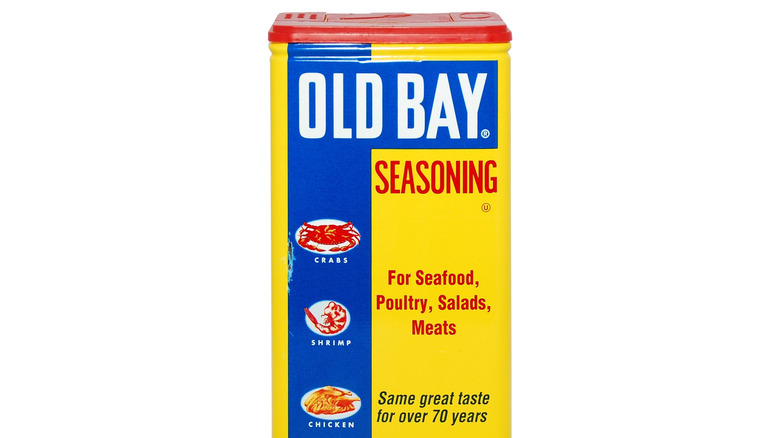
Old Bay seasoning may have originated as a way to season seafood, but there is much more you can do with this classic blend of 18 herbs and spices. You can sprinkle this seasoning on your roast turkey for a flavorful bird packed with savory flavors including celery seed, paprika, mustard, salt, red pepper, and black pepper. However, McCormick & Co., who purchased the rights to this seasoning back in 1990, famously keeps its lips sealed when it comes to the rest of the ingredient list. Use as a spice rub for the ultimate flavor bomb!
Cajun seasoning
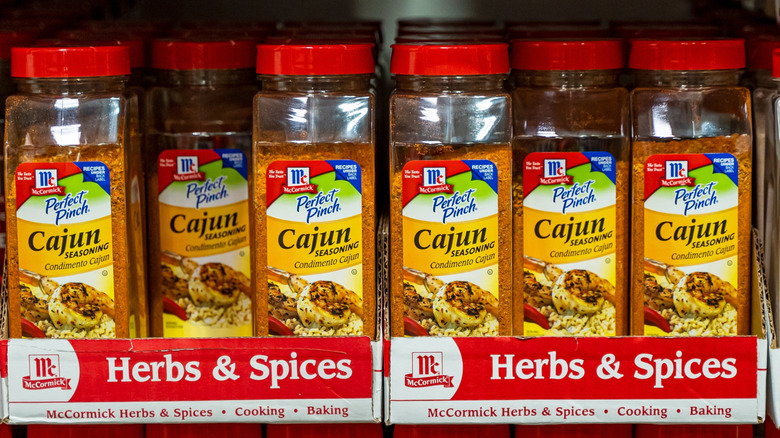
Like Old Bay, Cajun seasoning is typically used to flavor seafood; in fact, these two blends are often used interchangeably. But they differ slightly in flavor. While Old Bay tends to be a bit more complex, as it includes more warm spices, Cajun seasoning leans more heavily on the peppery heat. Typically containing salt, paprika, red pepper, black pepper, thyme, celery seed, garlic powder, and onion powder, this Louisiana blend is the best option for those who love these rustic flavors and just want more. Add to your Thanksgiving turkey for the ultimate Southern style roast!
Garam Masala
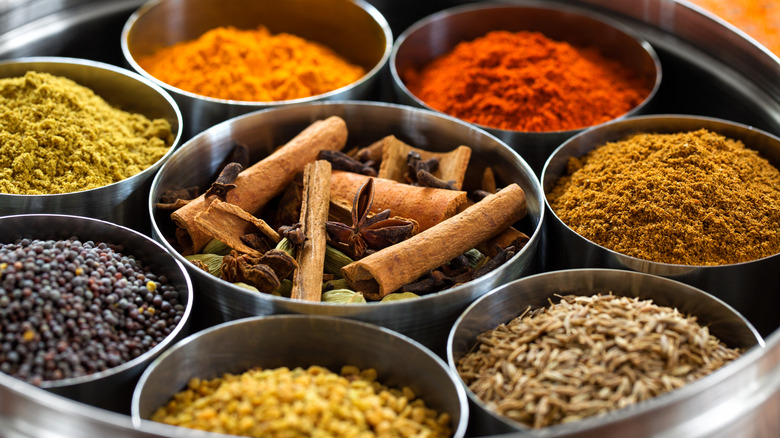
For a non-traditional yet intensely flavored bird, consider garam masala for a masala-spiced turkey inspired by flavors integral to Indian cuisine. A mix of warm spices such as cinnamon, cloves, nutmeg, cardamom, black pepper, coriander, and cumin, you can either make your own garam masala at home from whole spices, or buy a bottle commonly found at your local supermarket or South Asian mom and pop grocery store. Liberally season your bird with garam masala and the rest of your chosen spices, brush with ghee (clarified butter), and get ready for an intensely aromatic flavor experience.