

5 Downsides Of Owning A Nespresso Machine
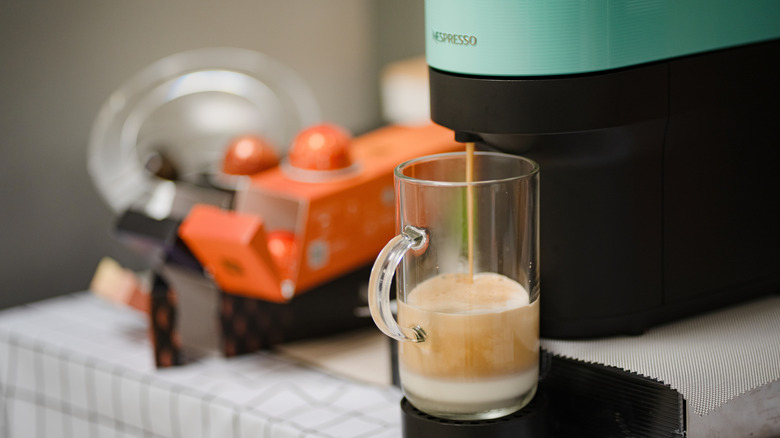
A freshly made espresso is a special thing; rich with complex flavors and a signature crema. But the perfect cup takes not only more work than regular coffee, but experience. A desire to make espresso more accessible led to the invention of the Nespresso machine in 1986, and ultimately to my own purchase of a Nespresso Vertuo Pop — a newer, improved version — in 2023. I've been a satisfied customer for years, but it's not without its downsides.
Coffee enthusiasts already know that some of a Nespresso machine's drawbacks pertain to the coffee itself. The customizations some prefer in their brewing process are more or less impossible with Nespresso machines. And there's a convincing argument that, however tasty the drink may be, it's not real espresso.
But even if you're not a coffee aficionado, there are still some drawbacks. If you want to shop around for pod providers or even use your own coffee, that can be impossible with some models. The price of these coffee pods can add up surprisingly fast. And any consumers who are concerned about microplastics will almost certainly want to look elsewhere.
The price of pods
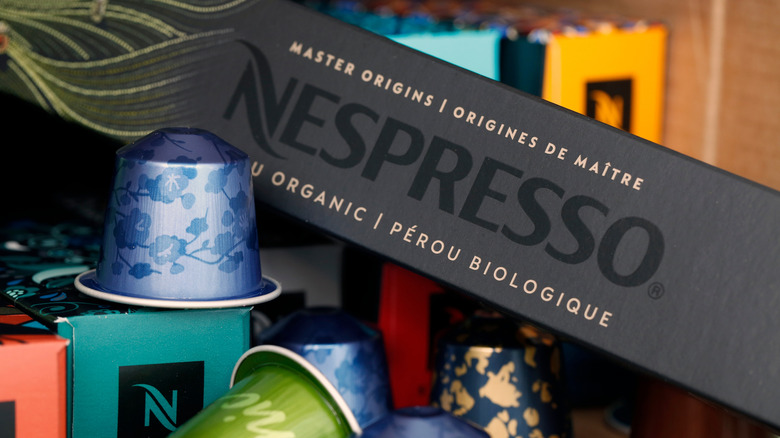
It's easy to think that Nespresso pods are cheap. Exact prices vary, but they tend to cost around $1 each for classic machines, and $1.50 each for Vertuo models. Purchasing a similarly complex coffee from a barista hasn't been that affordable in decades. But those supposedly cheap coffees can quickly get expensive.
The per-pod price is a bit of a red herring, because Nespresso only sells them in sleeves of 10, which creates a minimum spend of $10-$15. At a modest consumption rate of two cups per day, that's approximately 4 sleeves — or $40 to $60 — per month. And between the seductive ease of brewing and variety of flavors available, many of my coffee bills have wound up even higher than that.
Spending $60 per month on coffee pods is much cheaper than purchasing a daily latte from Starbucks. But it's far more expensive per serving than using ground coffee beans and a traditional brewing method, like a French press. For instance, a 12-ounce bag of Dunkin ground coffee costs around $10 at Walmart and can yield around 20 cups of coffee total, depending on brew strength. The cost of 50 cents per serving is significantly less than even the most affordable Nespresso pods.
A limited Nespresso pod universe
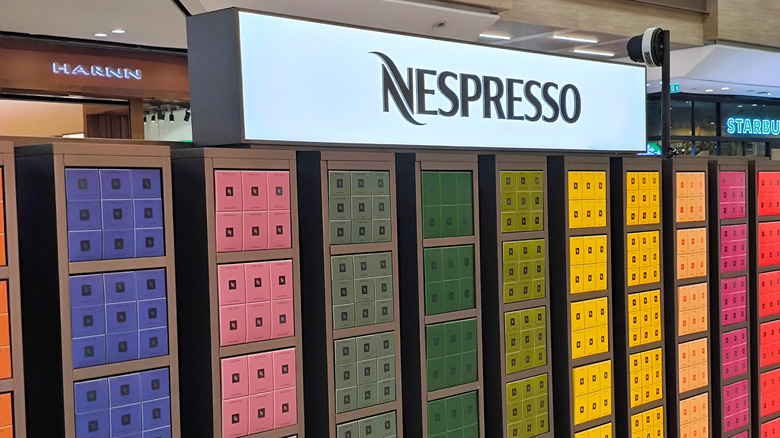
Nespresso's debut was the result of 11 years of research and development by the Nestle corporation, and the machine's very functioning is dependent on the pods that were designed for it. The easiest way to get coffee pods for the classic machine is still to buy them directly from Nespresso, although there are some functional third-party pod designs, even reusable ones that can take your preferred coffee grounds.
However, that is not the case with machines that use Vertuo pods. Unlike original models, Vertuo machines brew coffee by spinning the capsule at varying speeds, speeds that are determined by scanning a barcode printed onto the capsule itself. And because this system only debuted in 2023, Nespresso still holds exclusive patents on both the capsule design and extraction method until at least 2029.
Until Nespresso's patents expire, third-party Vertuo pods are rare. Starbucks sells many of its coffees in this format, but those pods are also manufactured by Nespresso. A few companies have begun to market reusable Vertuo pods with their own barcodes on them, though these boutique options can be pricey — as much as $80 each.
Microplastics
Take a look at any Nespresso machine and you'll quickly notice a lot of plastic: the outer shell, water tank, pod holder, and interior tubing are all made of plastic. It's part of why Nespresso machines are affordable, but it's not the whole story.
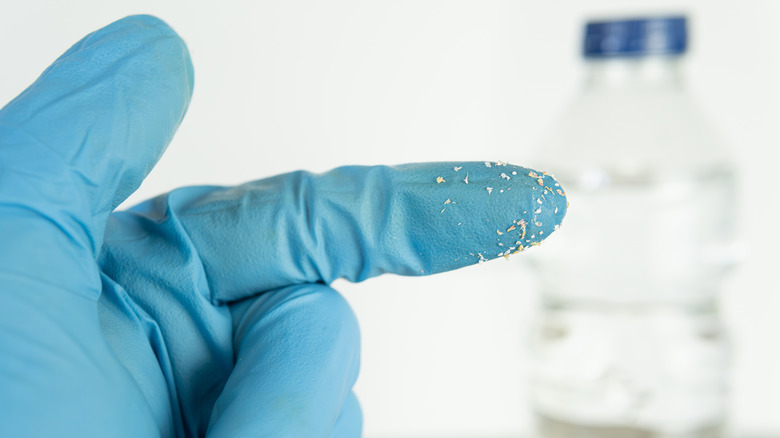
Hard plastic seems solid to the human touch, and is colloquially understood to last forever. But on a microscopic level, even hard plastics gradually break down — especially with repeated use — and release tiny chunks known as microplastics. They're invisible to the naked eye, but thought to be linked to many poor health outcomes in humans, as well as considerable damage to animal life and the environment.
Unfortunately, if you drink Nespresso, you're inevitably drinking microplastics too. But the harsh reality is that many coffee makers, even high-end espresso machines, extensively use plastics in similar ways. It's understandable to want to ditch plastic coffee makers over health or environmental concerns, but there are only a few brewing methods that can fit the bill. A Nespresso certainly does not.
A lack of customization
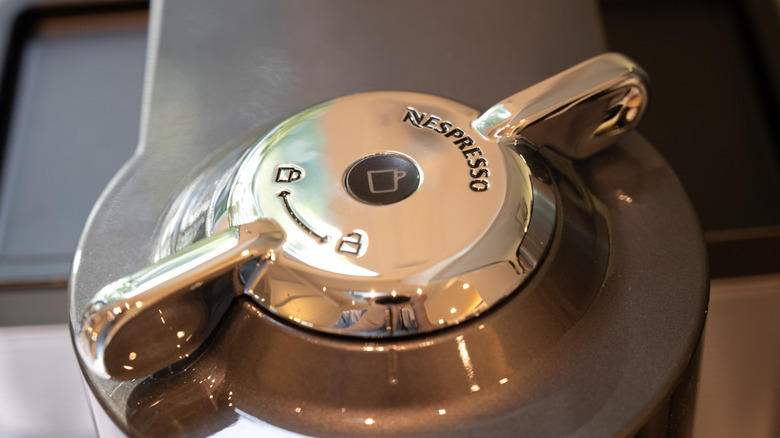
Brewing your own cup of coffee can be an intensely personal experience. The amount of coffee, grind size, brewing temperature, timing, and more can make a big difference in how the finished cup actually tastes. And virtually none of that customization is possible with Nespresso machines.
Most classic machines only have one customization option, if any: Different buttons for smaller or larger cups, for more- or less-concentrated coffee. Vertuo machines brew in a variety of sizes dependent on each capsule's barcode; the user cannot control the drink volume, or anything else. Mostly.
There is a Vertuo trick for stronger cups of coffee, and it's the only user customization possible with these machines. Double-pressing the button makes the machine use less water to brew a more concentrated cup. The feature is intended for coffee drinks made with your Vertuo blend to prevent added liquid from diluting the flavor. I've found that this brewing mode is also good for coffee cocktails, like espresso martinis. But if you have precise specifications for your morning cup, a Nespresso machine will leave you disappointed.
It's not true espresso
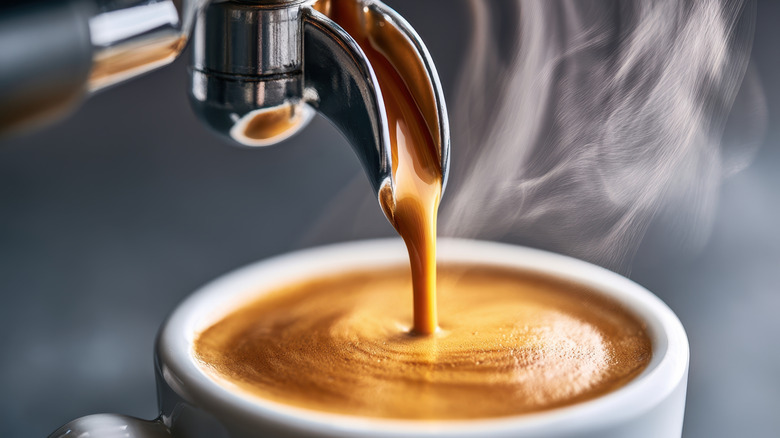
The difference between coffee and espresso lies entirely in its preparation, which is why espresso drinkers can be so particular about how it's made. If it's not made correctly, it's really just a cup of plain coffee. Despite the name, this describes every Nespresso coffee in existence as well.
Real espresso is typically brewed at around 200 degrees Fahrenheit, with approximately 9 bars of pressure. A classic Nespresso machine brews much colder, at only 83 to 86 degrees Fahrenheit, and with 19 bars of pressure. Vertuo machines are even more different, with temperatures around 78 degrees Fahrenheit and a centrifugal force-based brewing process that doesn't have typical pressure measurements.
These differences contribute to Nespresso's poor reputation among espresso enthusiasts, who frequently complain that the Nestle machine's coffees are bland and watery compared to the robust and complex flavors of real espresso. Casual consumers may find that difference unimportant compared to the convenience of one-button operation, but in homes where flavor is king, it's a big negative.