

5 Downsides Of Pyrex Dishes
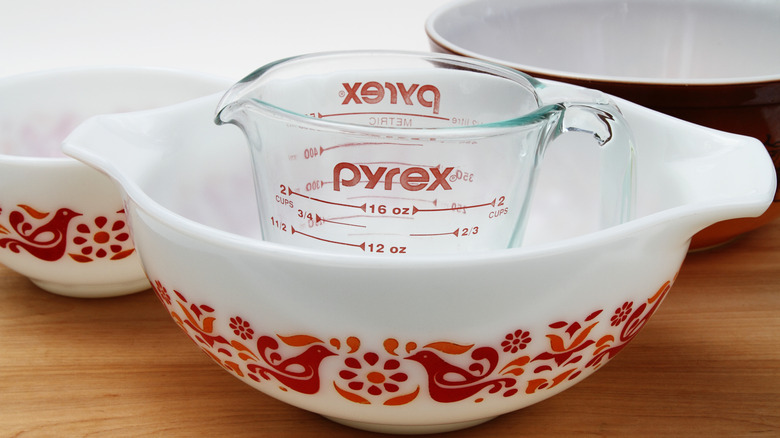
Pyrex dishware has been around for over a century; and with the development of its revolutionary heat-resistant borosilicate glass, this company has been a customer favorite for ages. While Pyrex still produces best-selling storage sets that have customers wanting more, vintage dishware pieces have become something of a collector's dream, including rare casserole dishes worth over $2,000. But despite their famed durability, Pyrex dishware is not at all invincible. This means that taking care of both vintage and modern pieces requires some knowledge of the downsides to this heat-resistant glass.
For instance, putting your glass Pyrex dishware through drastic temperature fluctuations can lead to sudden, explosive shattering. Soda-lime glass, which replaced the original borosilicate glass in American-made Pyrex production because of its simple and more affordable manufacturing processes, made many modern dishware pieces liable to thermal shock when exposed to intense or prolonged heat. And even if you own vintage pieces, borosilicate glass is still not completely heat-proof, meaning it is generally a good idea to apply some precautions to your secondhand pieces as well. To avoid sudden glass fragmentation (and other extremely dangerous kitchen mishaps), it is imperative for Pyrex dish owners to understand the downsides of this brand and the consequences of not following its guidelines properly.
Avoid using your Pyrex for purposes that require high heat cooking
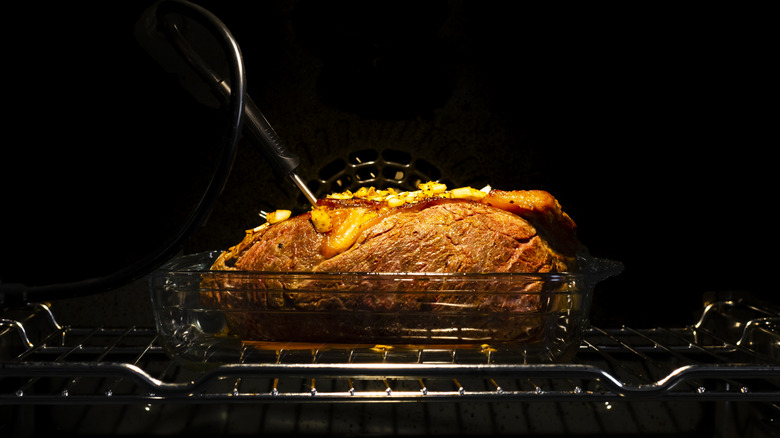
While Pyrex glassware is engineered to withstand a typical baking environment, pushing it past its thermal limits introduces serious risks. When a dish is subjected to temperatures that exceed its recommended threshold, uneven expansion within the glass begins to occur across the pan or tray. This stress is magnified if the oven it is in heats one side unevenly or if the dish is placed too close to a broiler set with its flames at full blast.
The danger of shattering increases when this high oven temperature is combined with any pre-existing surface imperfections. Easy-to-miss scratches, tiny chips along the rim, or stress fractures from previous bumps across the counter can act as weak spots for thermal tension. And as the glass expands under excessive heat, these cracks and chips concentrate that energy, often resulting in instantaneous shattering — an outcome much more dangerous than a small crack or minor fracture. To preserve the integrity of your bakeware, it is generally recommended to check the Pyrex manufacturer guidelines, preheat your oven thoroughly before introducing the dish, and avoid using glass dishware for high temperature cooking purposes like roasting or broiling.
Do not use Pyrex over an open flame or in a toaster oven
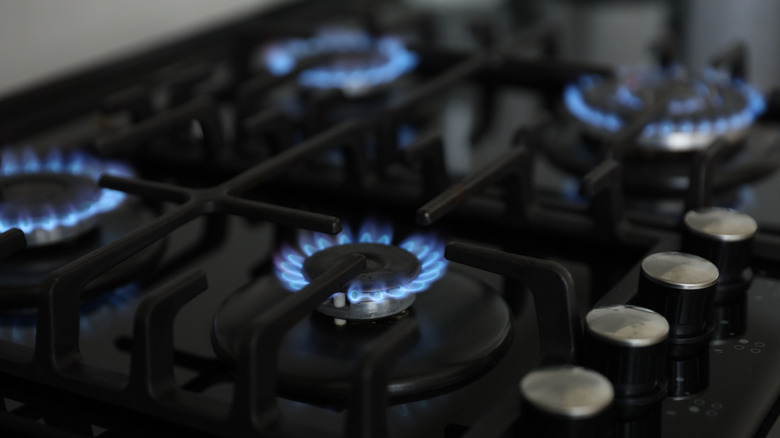
One of the most persistent misconceptions about glass dishware is that it can be used anywhere in the kitchen, whether that be over the stovetop or inside a toaster oven. However, this could potentially be a recipe for disaster. Stovetops apply localized heat within close proximity to the bottom of the kitchenware. Instead of circulating ambient heat evenly around the entire piece, this direct heat creates severe temperature differences between the hot base in direct contact with the flames or heat source and the cooler sides of the container further away from the heat source. This uneven heating leads to thermal shock, causing the glass to split or burst apart suddenly.
Furthermore, toaster ovens present an additional hazard due to their centralized heating. Heating elements in toaster ovens radiate direct and concentrated heat that exceeds what standard Pyrex glass can safely withstand. It should be noted that even vintage borosilicate pieces, which boast superior thermal shock resistance compared to modern soda-lime glass, are not designed for direct flame or stovetop use. Clearly, protecting your kitchen from dangerous accidents and flying glass means keeping Pyrex strictly confined to conventional ovens, microwaves, or refrigerated storage. Always opt for metal cookware like cast iron when cooking directly on the stove or in a toaster oven.
Never place a hot Pyrex dish on a cold or wet surface
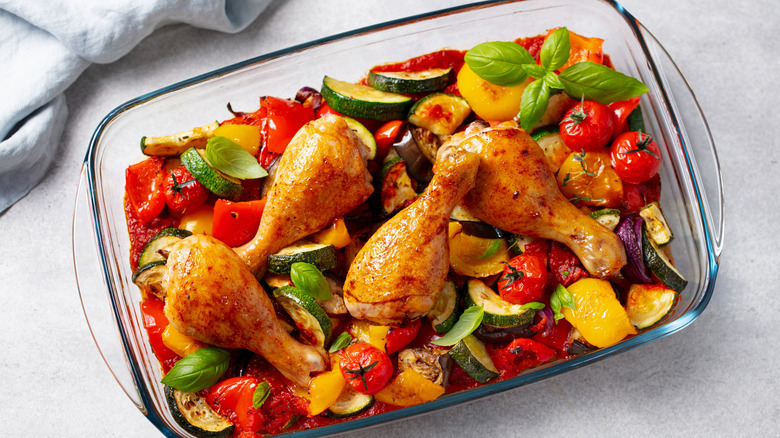
Placing a hot dish on a cold or wet surface is yet another way to risk tiny glass shards embedding themselves in your kitchen. Similar to the two downsides listed before, it has everything to do with uneven heating. By placing a hot pan onto a cold or wet surface, the temperature of the glass undergoes shock, contracting suddenly in contact with the chilly or wet spots and creating uneven surface tension that could send shards flying. To prevent such risk, avoiding chilly and wet areas will do much to minimize this specific downside.
Try placing the glassware onto a cloth potholder, a plastic trivet, or a wooden cutting board. Even placing a thick or folded cloth kitchen towel down on top of your countertop would work in a time crunch. This ensures that your dish can maintain even cooling throughout without touching a much cooler surface, lowering the risk of uneven hot spots that could lead to a number of cracks or fractures. And besides, potholders or kitchen towels can be used for much more than cooling purposes on countertops; these kitchen essentials can be utilized to take your Pyrex dishware in and out of the oven in the absence of oven mitts, too.
Not following proper dishwasher instructions can result in shattered Pyrex glassware
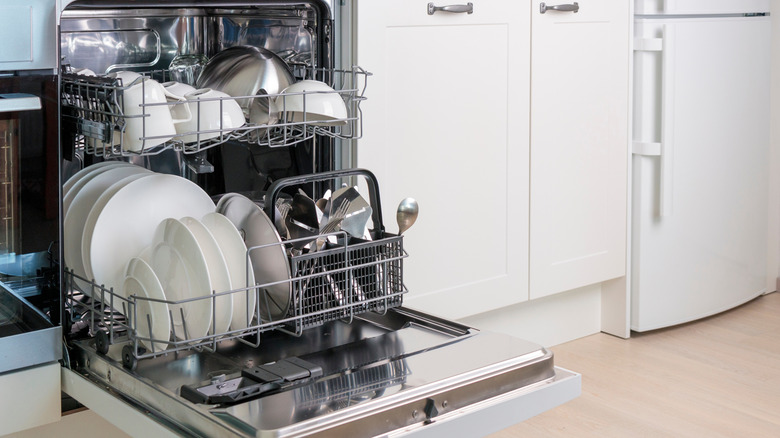
For Pyrex, following proper dishwasher instructions is key. While tossing your glass bakeware into the dishwasher might seem like the easiest way to clean up after a baking session or roast dinner, failing to follow proper loading and cycle instructions can compromise your prized dishware. Chances are, you like to maximize space in each load, piling dishes in until full, leaving little-to-no wiggle room. And when Pyrex glassware is added to this washer, the pressurized sprays from the dishwasher could knock dishes into your baking vessel, creating tiny cracks or chips not easily visible to the human eye. As we all know from the previous downside listed above, these hairline fractures could lead to sudden shattering in the oven.
Drying cycles in certain dishwashers can also lead to sudden temperature shifts as well, leaving your Pyrex glassware vulnerable to heat that it just can't handle. So just be wary when it comes to dishwashers; make sure to follow the proper protocol listed on the Pyrex manufacturing website — or better yet, skip the dishwasher altogether and handwash just to be safe.
Do not add more liquid to an already hot glass pan
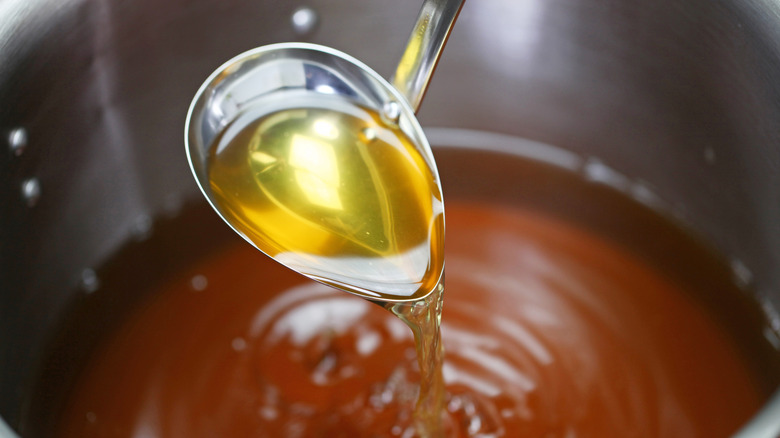
The final downside to look out for when it comes to Pyrex pertains to when you attempt to add more liquid to an already hot glass pan. We know it could be tempting to add in some more liquid, especially when your food is looking dry, but pouring cold or even room temperature liquid into a hot Pyrex dish is just not the move. Added liquid could cause sudden temperature drops within the bakeware; and, just like we've explored in these previous downsides, it is clear that Pyrex glassware is just not the best tool to be using when you are dealing with hot temperatures coming into contact with cooler surfaces (or liquids, in this case).
Evidently, maintaining the integrity of your Pyrex dishware can be a bit of a struggle, especially if you are not aware of these five downsides. After all, it is easy to think that you can use this glass bakeware for all purposes in the kitchen. That being said, Pyrex is one of the most durable glass bakeware brands out there, so there is no need to go and throw away all your Pyrex items after reading about these downsides. Just use your best judgement and make an effort to avoid putting your Pyrex through extreme temperature fluctuations. When you do see a crack or chip, maybe consider retiring your pan from oven use. But if you are unsure whether you can manage to use Pyrex safely, try using aluminum or cast iron pans or dishware, as these metal kitchen tools handle heat fluctuations much better.