

4 Downsides To Shopping At Publix
Publix has a loyal base of shoppers, and it's easy to understand why. Between its famous Pub Subs, large deli counter, and weekly buy one, get one deals, the Florida-based grocery chain has built a following that extends well beyond Florida's borders. There are also plenty of lesser-known facts about Publix, along with a history that includes some notable food recalls. But even devoted Publix shoppers may find that there are a few drawbacks to their store of choice once it's time to fill a cart and check out.
Some of these downsides impact your grocery budget directly while others can make saving money more complicated than expected for a store known for its weekly deals. Regular prices don't always compete with other grocery stores, and getting the most out of Publix's sales can depend on where and how you shop. Here are four downsides to consider before making Publix your go-to store, whether you're doing a full Sunday grocery haul or quickly grabbing that one ingredient you forgot.
Publix's regular prices can be higher than other grocery stores
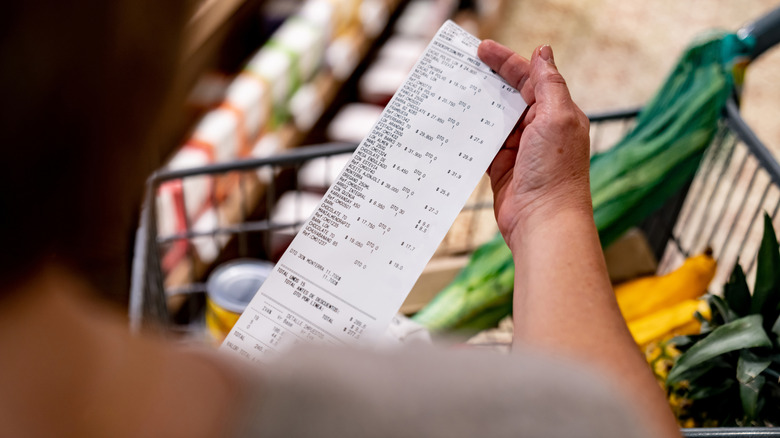
It's easy to spend more than you planned at Publix, especially when your grocery list doesn't line up with what's on sale that week. In a 2026 analysis of supermarket prices, Consumer Reports used Walmart as its baseline to determine how various supermarkets compared and found that Publix prices averaged 20.3% higher than Walmart's. The findings weren't based on a handful of products at one store or in one area, either. Researchers collected prices in person across six metro areas and compared shopping baskets that included produce, meat, and packaged foods.
A separate Stet News price comparison conducted in October 2025 found a similar pattern in Publix's home state. 10 reporters priced the same list of food and household items at 19 grocery stores in Palm Beach County, Florida, including seven Publix locations. The final comparison found that Publix was the most expensive of the four grocery store chains: A 30-item basket averaged $109.62 at Publix, compared with $105.67 at Winn-Dixie, $76.65 at Walmart, and $63.15 at Aldi. Of course, this doesn't mean you pay more for every single item you toss in your Publix cart. But, if most of what's on your list is sold at regular price, you may have to be more picky about what goes in your cart if you're trying to shop at Publix on a budget.
Florida Publix shoppers have to buy both items to get most BOGO deals
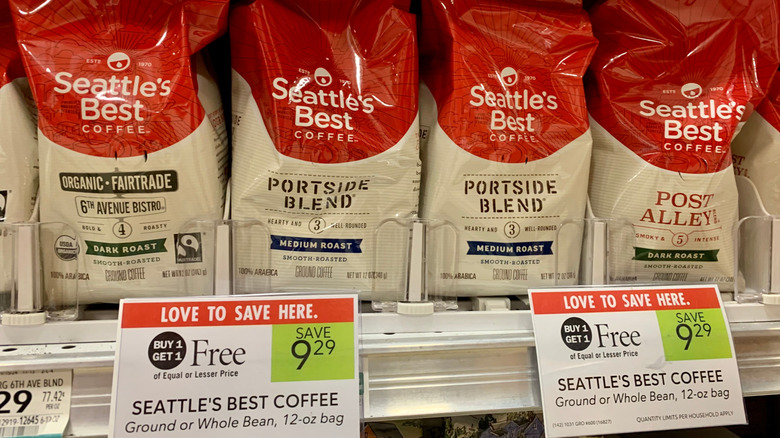
Publix shoppers know the excitement that comes from realizing something already on their shopping list is one of Publix's BOGO deals. But, if you're shopping at Publix in Florida, you have to follow the traditional buy-one-get-one-free rules: Buy one item at full price and get a second item free. Outside Florida, Publix lets shoppers buy one BOGO item at half price, without purchasing a second.
For Florida shoppers, that means more quantity with less flexibility — though whether that's a downside depends on the product. Stocking up on pasta, coffee, peanut butter, or laundry detergent can make restocking staples less expensive, but doubling up on perishable products, such as yogurt or berries, can be harder to justify. If you're shopping for one, or trying to come in under your grocery budget, paying half price for one item could be more useful than paying full price to bring home two.
A spokesperson for Publix told USA Today Network-Florida that the company "adopted this approach to align with customer expectations in markets where similar promotions are commonly offered that way." However, some Florida shoppers would welcome the same flexibility: In a 2026 USA Today Network-Florida online reader poll, 88% of over 3,000 responses said that Publix should match its Florida policy to other states. The traditional BOGO may still be a good deal, but Florida shoppers who only need one item miss out on the half-price option available elsewhere.
Publix delivery and curbside pickup come with higher prices
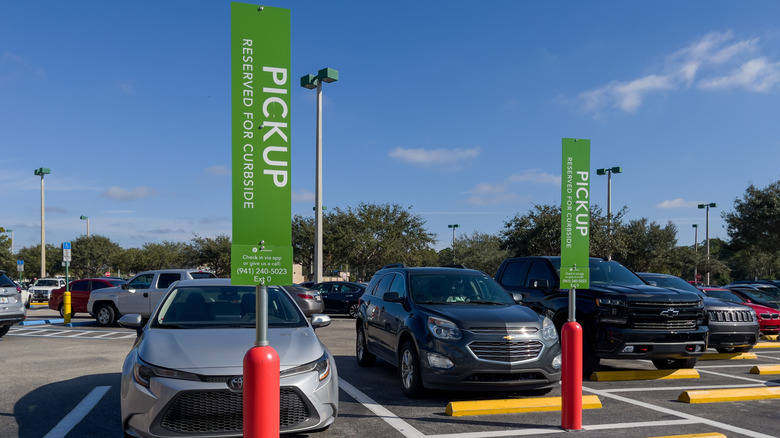
There's no denying that online grocery delivery can make a busy week easier, and it's usually not a surprise to have to pay a little extra to have them dropped off at your door. But Publix shoppers also pay higher prices when they drive to the store themselves and pick up their order curbside. According to Publix's online pricing policy, items for both delivery and curbside pickup are priced higher than in its physical stores. So, even if you're picking up the order yourself, the same groceries can cost more than they would if you walked inside, filled your own cart, and checked out.
Publix works with Instacart for delivery and pickup orders, and the increased prices help cover the cost of the service, including having someone shop for and prepare your order. Delivery can come with extra costs, too, including fees and an optional tip. This can make an already pricier Publix grocery haul even more expensive when you're ordering online.
There are a few other drawbacks to online ordering. Publix gift cards can't be used for delivery or curbside purchases, so that gift card sitting in your wallet won't help pay for an Instacart order. This doesn't make pickup or delivery a bad option, especially on a day when grocery shopping in-store can't fit into your schedule, but if you're choosing curbside to save time rather than money, skipping the aisles comes with a markup.
Publix rewards aren't as predictable as some of its competitors
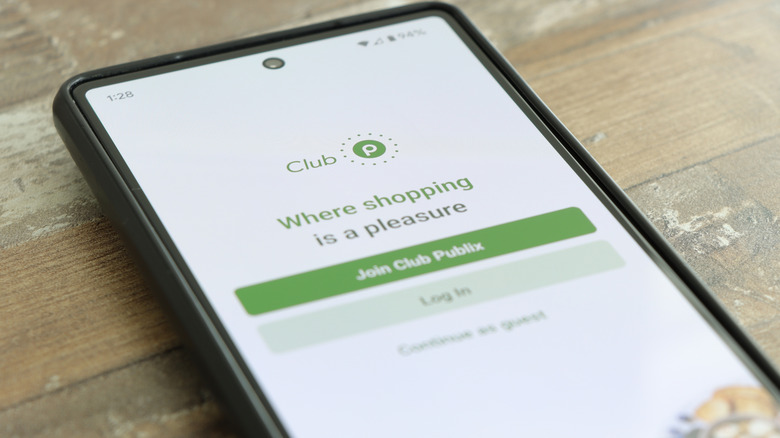
If you're used to grocery rewards programs where every shop earns points towards the next one, Club Publix — the store's free loyalty program — can feel underwhelming. Members get digital coupons, personalized offers, birthday perks, and other savings, but Publix doesn't have a points system where every dollar guarantees a future reward. In fact, Publix says the types and timing of its Club Publix offers aren't guaranteed, and some are only offered in certain locations. In comparison, Winn-Dixie Rewards members earn one point for every $2 spent, and every 100 points can be redeemed for $1 off groceries.
Getting all of Club Publix's perks takes some effort, too. Members need a verified phone number, must opt in to personalized communications, and have to enter their phone number at checkout for coupons to apply. Opting out of communications removes any eligible perks, and if a customer forgets to enter their phone number before paying, offers can't be added afterward.
Shoppers also have to keep track of Publix's coupon rules. Certain manufacturer and store or competitor coupons can be combined, but the store doesn't accept percentage-off coupons for individual items or an entire order, limits identical coupons to eight per household per day, and lets each store determine which competitors' coupons it accepts. There are ways to save, but shoppers have to actively check for deals rather than earn rewards with each shop.