

7 Old-School Beer Brands That Defined The '80s
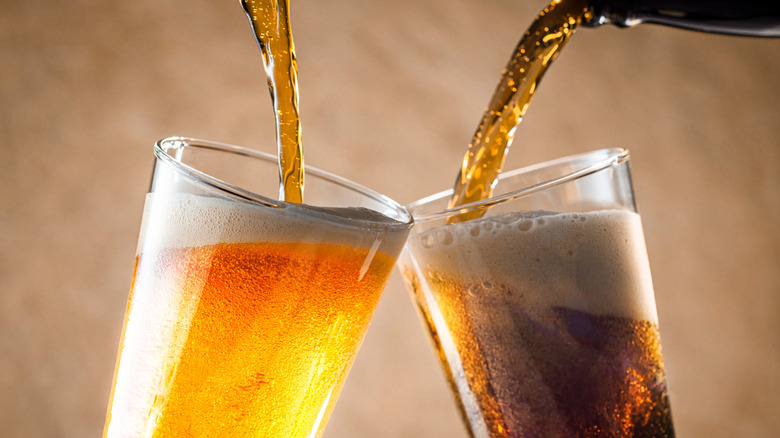
When reminiscing about the 80s, you may think of leg warmers, high hairdos, and Madonna or new wave music, among other defining cultural elements. However, this is the decade in which the beer industry began its boom. In 1985, there were 43 breweries in America. By 1990, there were 284. In 2024, 9,796 operational craft breweries alone exist in the U.S., and that's not including macro breweries such as Budweiser and Coors.
Today, things considered old school are often cool again, beer included. Not old school as in the American colonists, who brought beer with them and set up breweries in their homes. But old school, like rockin' out to Def Leppard with a Miller High Life in hand.
As the '80s progressed, humans' love for and consumption of beer kept pace. But not all brews could keep up with the expanding love. Many that were popular in the '80s lost traction in subsequent decades. Here are seven old-school beer brands that helped define the decade as much as pop music and preppy fashion.
Sierra Nevada Brewing Co.
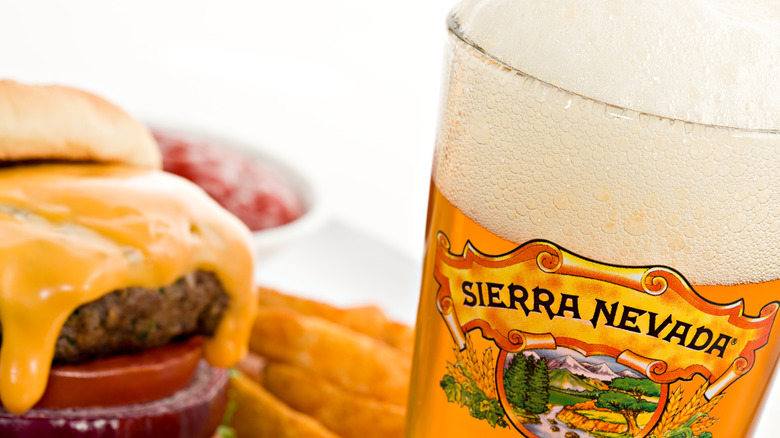
Craft beer was introduced in the U.S. in the 1980s, following the early tradition of the first homebrewing Americans and a movement that began in Britain in the 1970s. Ever since, some craft breweries have succeeded while others have fallen into the category of old-school beers that don't exist anymore. Among the biggest success stories is Sierra Nevada Brewing Co., which launched in 1980 in Chico, California. What is considered old-school is popular still, with Sierra Nevada Brewing Co. 2025's number two-rated craft brewery in the U.S.
Pabst Blue Ribbon
Pabst Blue Ribbon beer began in 1848 when Jacob Best opened his brewery, producing about 300 barrels of beer in his first year. The now-iconic brew that has prompted the opening of hotel rooms themed around it was among the top-ten best-selling beers of the '80s. Pabst Blue Ribbon got its name when Frederick Pabst purchased the brewery and began winning medals in beer competitions in the 1880s. Around 2009, it bucked the trend of pricey marketing and became the cool beer of hipsters and social rebels, a trend that continues today.
Miller High Life
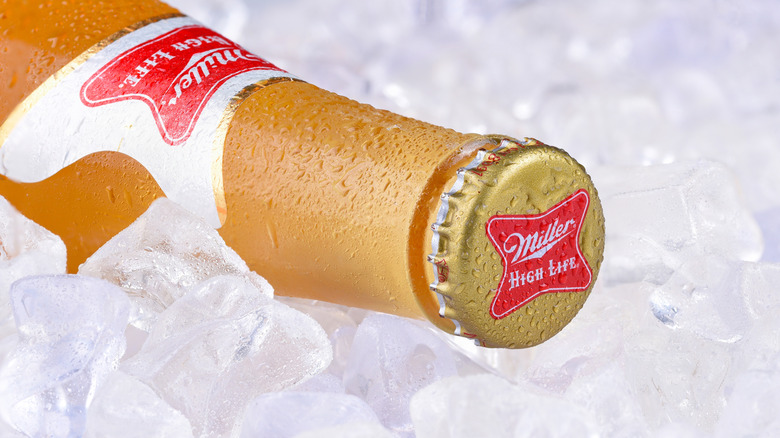
It's the champagne of beers, or so its marketing has claimed since the early 1900s. Miller High Life's container has mimicked glass champagne bottles ever since it was first sold in 1903. An intentional design, Miller wanted it to be associated with luxury beverages of the time. By the 1980s, Miller High Life was second only to the "King of Beers" in terms of sales. However, with the decade came a focus on fitness and diet, prompting an industry-wide decline in consumption.
Coors Banquet
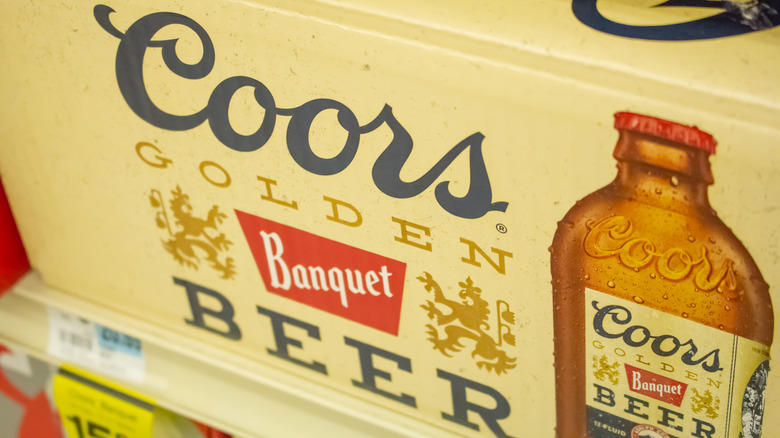
Coming in at number five of the best-selling '80s beers is Coors Banquet. This golden lager in pale yellow cans and stubby brown bottles still frequents fridges across the country, although its lower-calorie counterpart replaced it in the top ten in recent decades. Brewed since 1873 in Golden, Colo., it actually wasn't nationally distributed until the mid-1980s, when it opened a pricey new Virginia packaging plant, and access surged.
Samuel Adams Boston Lager
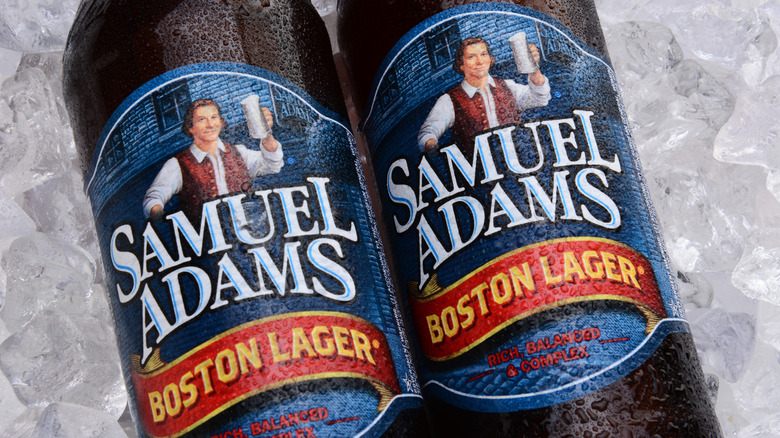
Boston Beer Company's founder wanted to make a lager from quality ingredients in the 1980s. By 1984, Jim Koch crafted the first Samuel Adams Boston Lager in his kitchen using a generations-old family recipe. Named for the American revolutionary and malt-maker, Koch considered himself a revolutionary in that day's beer industry that was dominated by macro breweries. Personally peddling his new brew to restaurants and pubs, he slowly built a fan base. Six weeks after its release, Samuel Adams Boston Lager earned the title of "Best Beer in America" at the 1985 Great American Beer Festival.
Miller Lite
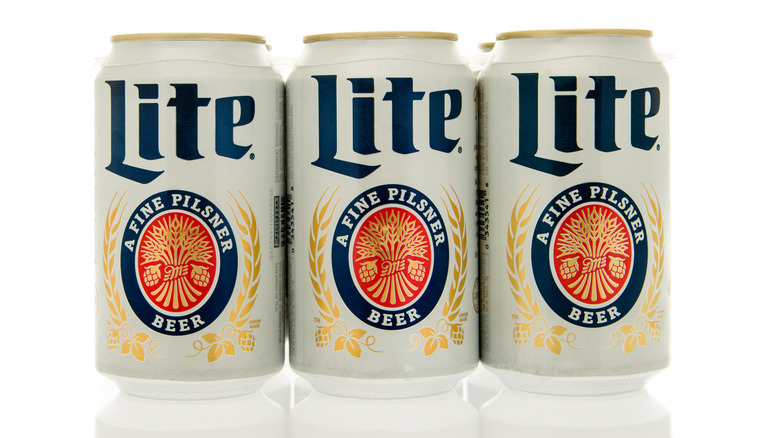
While not the first light beer, Miller Lite certainly carved a niche in the market for itself. In a decade of Jane Fonda and Lean Cuisine leading the fitness and diet-food charge, respectively, Miller Lite's lower calories were welcomed with open ... mouths. Part of a big product push in the '70s, a selection of celebrities became part of a successful advertising campaign for the beer that spanned the '80s, endorsing the brew with the slogan, "tastes great, less filling." It worked, as Miller Lite placed among the top three best-selling 1980s beers.
Budweiser
While Budweiser is no longer among America's three favorite beers, in the 1980s, it took the top spot. The self-proclaimed "King of Beers" reached a production landmark of 50 million barrels in 1980. The year before, ads announcing that "this Bud's for you" rolled out with great results and were ramped up throughout the 1980s. Budweiser became known for its marketing that decade, which included Clydesdale horses and, eventually, a bull terrier named Spuds Mackenzie that promoted Anheuser-Busch's lower-calorie beer, Bud Light.