

Roman Gladiators Used To Eat This Porridge Every Single Day

Ancient Rome's fiercest fighters didn't fuel up on meat or protein-packed meals before battling to the death in the Colosseum, but rather a much simpler, plainer diet. Surprisingly, the metal-clad gladiators maintained their endurance and strength on a diet of legumes and grains, more specifically, a porridge-like dish called puls. A hearty, barley-based savory porridge, puls was a dish the men ate day after day for energy during the grueling training sessions. Researchers who analyzed gladiator skeletons found evidence supporting this plant-heavy eating pattern. In fact, gladiators' diet even earned them the nickname "hordearii" from the ancient historian Plinius, literally meaning "barley eaters."
Puls was made using fava beans and hulled or pearl barley, which were boiled for around an hour, then combined with onion, vinegar, and garlic for flavor. While some meat was eaten, these warriors ended up with a carbohydrate-heavy diet due to availability and cost. Grains like barley were very inexpensive, easy to grow, and widely accessible. Beyond that, they had a high nutritional content and helped gladiators increase body mass to sustain prolonged fighting. Lentils, vegetables, and other beans were also a crucial part of their diet, providing needed minerals and helping them build muscle.
Eat like a gladiator
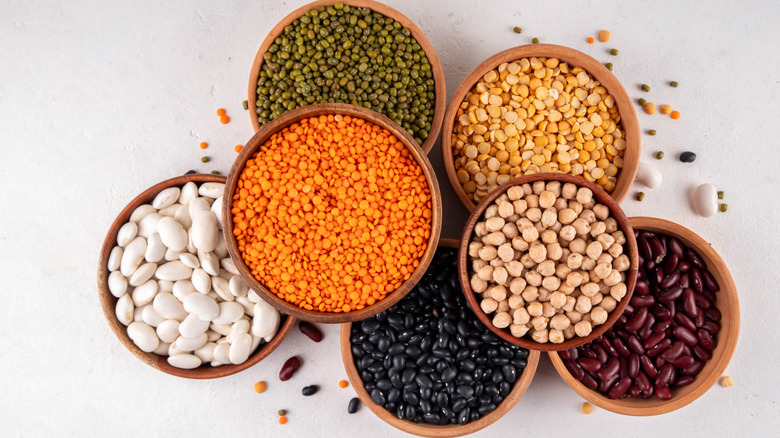
While it was given solely for fuel rather than enjoyment, puls was the undisputed champion of the gladiator diet. And you can eat like the ancient Roman warriors without sacrificing flavor or ruining your appetite. You can find a variety of recipes for puls, most of which are authentic versions. First, you can properly cook tender, delicious barley and add fava beans; then you can add honey, olive oil, nuts, or dried figs to punch it up, which were also among the foods that Roman warriors ate.
Like many modern athletes, gladiators also had a drink that gave them energy to have alongside puls (although the concoction was quite a bit different and not at all appetizing). According to Plinius, the warriors consumed a tonic made from charred plant ash that was mixed with water and vinegar. Rich in calcium, the tonic supported muscle function and bone health, helping them recover after intense training sessions or when injured during games. If you're feeling courageous after one of your workouts, you can make your own "gladiator Gatorade" by using honey, vinegar, and culinary ash.