

4 Common Problems With Stanley Water Bottles You Should Know
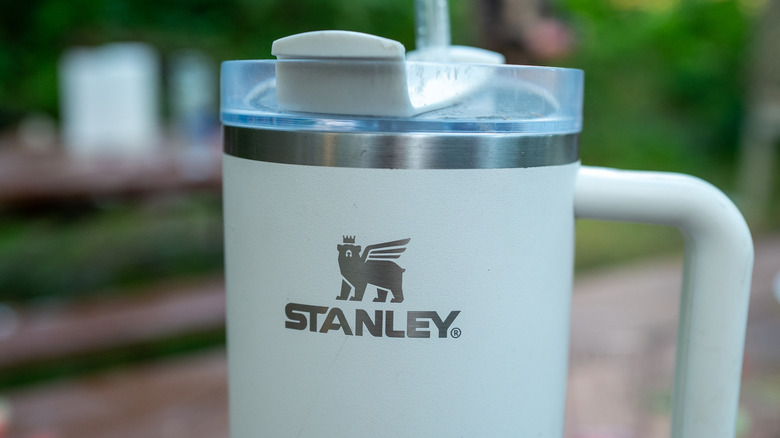
The best way to stay hydrated is to drink lots of water. And reusable bottles make that easier. It seems like everyone is carrying around a reusable Stanley tumbler these days. Around 2023, the brand went viral on social media, TikTok in particular, after users began collecting and reviewing a variety of colors and limited edition tumblers online. But the tumblers have actually been around since 1913. At the time, the brand targeted outdoor enthusiasts, blue-collar workers, and military personnel. It was seen as more of a functional and practical item.
In 2020, however, the company decided to transform the marketing strategy for its main product, the Quencher H2.0 Flowstate Tumbler. The tumbler itself is claimed to be leak-proof and features an ergonomic handle. Stanley went a more aesthetic route, adding a variety of trendy colors and turning their name into a lifestyle brand. Influencers and bloggers were suddenly showing up with Stanley tumblers on their errand runs and at the gym. But there are issues with Stanley tumblers, including a potential for lead poisoning (just like your vintage Corelle dishware), a risk of burns, and more.
Potential for lead poisoning
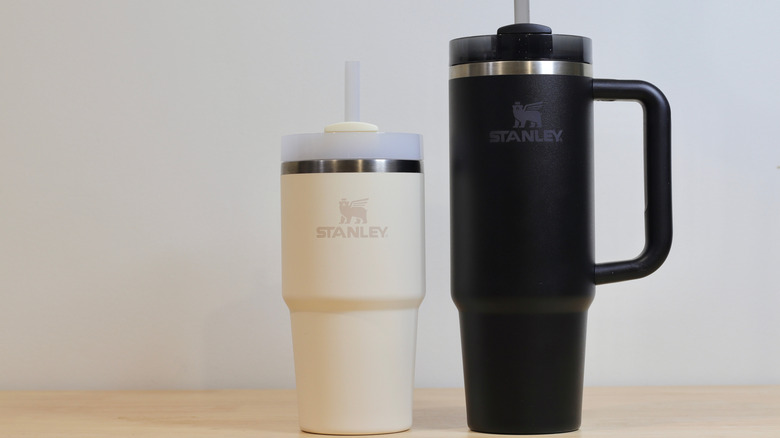
In 2024, Stanley garnered negative attention when it was revealed that they use lead in their vacuum-sealing process. Although the practice is no longer an industry standard, the Food and Drug Administration still considers it safe. According to Nebraska Medicine physician Dr. Joseph Clemons of the Nebraska Regional Poison Control Centre, "The lead is sealed underneath a stainless-steel layer preventing it from leaking into the contents of the mug." However, he does warn that no type of exposure to lead is healthy, so concern is warranted.
Lead toxicity can occur if you breathe in or swallow lead. Even low exposure over long periods of time may cause harm. Lead exposure can lead to a variety of symptoms, which range from mild to severe, depending on the amount of exposure and the age of the person. Some symptoms include fatigue, muscle pain, and cognitive issues. Additionally, children are more vulnerable because their detoxification system is less developed.
They can harbor bacteria and mold if not cleaned properly
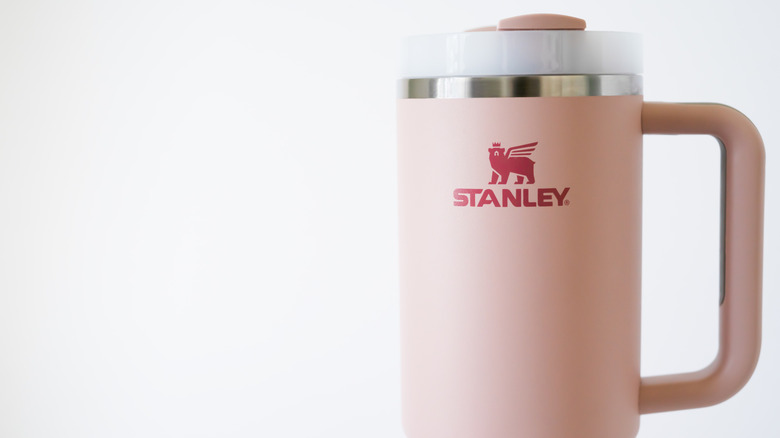
In 2023, a college student presented with a mysterious illness before it was discovered that her reusable water bottle lid was corroded with a toxic black mold. According to experts who spoke to Yale News, some types of mold can cause serious health problems. Fortunately, the design of the Stanley tumblers does allow the components to be easily taken apart so that they can be thoroughly cleaned. But the latter is the part most people ignore. Stanley tumblers should be cleaned with soapy water (and perhaps a bit of vinegar or mild detergent) after every single use, even if you only put water in them (according to Kyle Casteel, an expert who spoke to Consumer Reports).
The Stanley Quencher Tumbler, in particular, has silicone parts that hold the straw in place. That makes it especially susceptible to mold and bacterial growth if the conditions are right (high moisture, warmth, and lack of light). Even if you let the tumblers sit for a day or two without cleaning them, you may notice some unpleasant smells and tastes. No one wants that, so don't forget to clean the lid of your Stanley.
The lids have detached and caused burns

One of the things we often look for in reusable water bottles and travel mugs is that they won't leak. We've all probably dropped our beverage at least once in our lives, ruining our clothing or technological devices. Stanley advertises that its tumblers and mugs are leak-proof. However, in December 2024, Stanley reported an issue with their Switchback and Trigger Action travel mugs.
The mugs had a defect that caused their threads to shrink when exposed to heat, causing the lid to fall off. This obviously poses a problem, especially if there are hot contents in the mug, as that can lead to burns. Stanley recalled the mugs after receiving reports of 38 burn injuries worldwide. Two of those injuries happened to U.S. customers. At the time, Stanley offered to replace the lids free of cost.
Stanley virality has lead to overconsumption
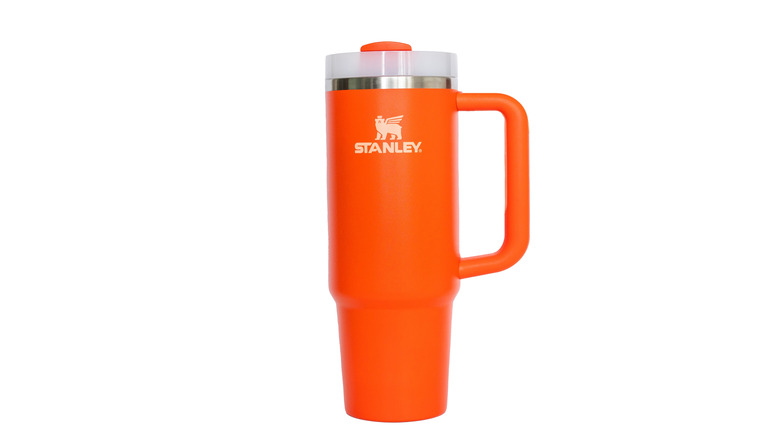
These days, climate change is a huge issue and many are trying their best to select products which slow it down. Stanley water bottles may seem like an eco-friendly option. Having one and using it to replace single-use plastic bottles certainly sounds like it would make a positive difference on the environment. But, with the marketing direction Stanley has taken and with Stanley water bottle collectors on the rise, the brand may be contributing to the same problem they were initially trying to address.
The good thing about Stanley bottles is that they are durable and made to last a lifetime. However, the purpose seems to be defeated when there are TikTok users who have walls filled with their Stanley collection. In short, their environmental benefits no longer outweigh their footprint. If we really want to have a positive environmental impact, the best option is to have one or two Stanley containers and use them frequently.