

The Grocery Store Trend Shoppers Aren't Happy About In 2026
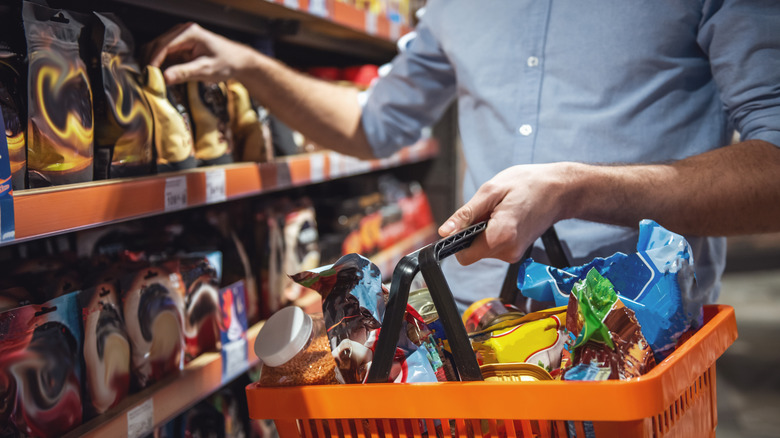
As grocery prices continue to rise in 2026 compared to the same-month costs last year, shoppers are looking for ways to save money on groceries. Some of them may be using a "Do Not Buy" list to avoid overspending at the grocery store. While consumers could save up to hundreds per month with these tactics, concern is growing that one change at grocery retailers will negate those efforts by allowing the stores to price-gouge. This change is the implementation of electronic shelf labels (ESLs).
ESLs — the digital price screens that you may have seen at your local Kroger, Walmart, or Whole Foods — have actually been around since the early 1990s. Along with giving grocery stores an easier way to update product prices, the devices have improved over the decades to provide real-time stock information, surveillance technology that can prevent theft, and other innovations to optimize stores for the companies and enhance the shopping experience for customers.
However, an early May 2026 poll of 1,000 U.S. voters found that most consumers aren't on board. Commissioned by the United Food and Commercial Workers (UFCW) International Union and conducted by GBAO Strategies, the poll revealed that 65% of voters believe ESLs will lead to rising costs. About 85% believe price gouging is likely to occur during demand spikes or emergencies, while 75% think the tech will allow stores to raise prices specifically for shoppers they think can pay more. Meanwhile, only 35% believe stores will use ESLs to reduce prices during off-peak periods.
Shoppers speak out about fearing what could happen with ESLs
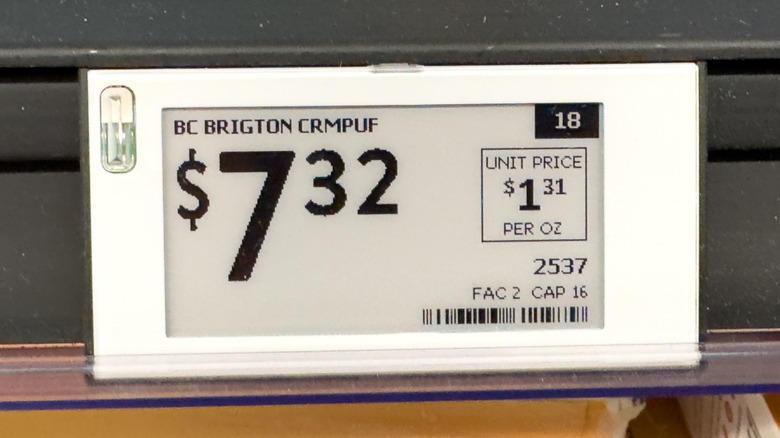
Beyond the UFCW-commissioned poll, consumers have taken to social media to express how unhappy they are about grocery retailers switching out the paper price tags with electronic shelf labels. "Of course, they claim it's saving costs, reducing repetitive tasks, yadayada, but we all know what this means from a consumer advocate point of view: Now they can gauge prices even more efficiently!" said one Reddit user. Another person posted to Reddit, "My local grocery store switched to digital price tags. Surge pricing to follow."
In a video, a TikTok creator explained a concern regarding what stores refer to as "dynamic pricing" — but is also known as surge-based pricing — is that the cost of an item could change from when it goes into the cart to when it's scanned at the register. Lo and behold, it happened to her, with the price of an item changing depending on where she was standing in the store. Unfortunately, many other consumers have had similar experiences with prices changing as they shop and even while they're still looking at a product.
Legislators are stepping in as grocery stores and the industry struggle to provide reassurance
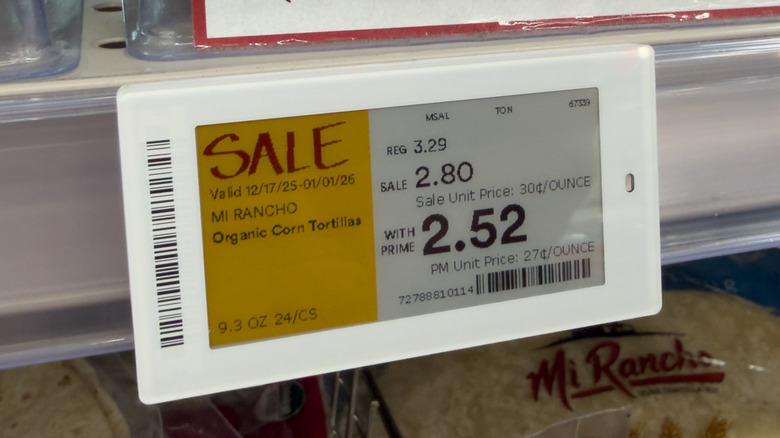
Grocery stores have tried to allay concerns about price surges using ESLs. According to a study published in SSRN in June 2025, the analysis of prices at Kroger and Walmart over five years found "virtually no surge pricing" after ESL implementation, with temporary price surges only affecting about 0.0042% of products.
With some social media claims seemingly making it obsolete to know how to read unit price labels for smarter shopping at the grocery store, state and federal legislators have wasted no time getting involved. Several state lawmakers introduced bills last year to limit or completely ban the use of ESLs, while many representatives and senators at the federal level have done the same, including bills introduced in 2026. The basis of these bills is to require stores larger than 10,000 square feet to post paper price tags on their shelves and to prohibit surveillance pricing, for which costs change based on facial recognition data.
Legislators aren't alone, as the UFCW International has launched its Affordable Groceries and Good Jobs Campaign, which also aims to protect workers from losing jobs and having to mitigate anger from shoppers because of ESLs. In a press release, UFCW International president Milton Jones said, "We are starting this national campaign to stop corporations from being able to change prices in front of their eyes just because they live in the wrong zip code or are a new parent. We are proud to work with elected officials in every part of the country to lead the fight for affordable groceries and good jobs because that is what our members want."