

8 Food Safety Myths You Can Stop Believing
Few things bring more pleasure to our daily lives than good food and drink. Who doesn't look forward to that first cup of coffee in the morning or a tasty scoop of ice cream right before bed? But while food is an essential pleasure, it's not without risk — bad oysters, old leftovers, or misidentified mushrooms can, in some cases, be deadly. And as anyone who's experienced it can confirm, even mild cases of food poisoning can be downright miserable experiences.
Most of us know a few common-sense rules to protect ourselves from foodborne illnesses, such as washing our hands before meals and tossing out any food that smells or looks weird. Unfortunately, however, a lot of what we think we know about food safety is wrong. Misconceptions can cause panic about things that aren't serious problems, or worse, cause us to overlook very real risks we may not have considered. To help clarify some common myths and share tips to help you handle food with confidence, we've enlisted the help of dietician Kathleen Benson, CSSD, CPT, RDN of VNutrition.
Myth: Food safety only matters in restaurants
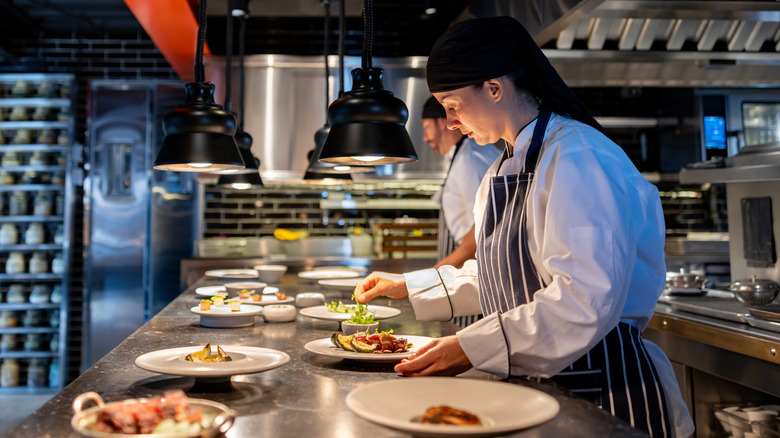
A common misconception, according to Kathleen Benson, is that food safety is only a concern for restaurants. It's easy to see why people believe this: Responsible restaurants prioritize sanitation and proper food handling because their livelihood and reputations depend on it, and lapses are likely to affect many more people than similar problems in home kitchens. Moreover, serious food safety problems in commercial settings — such as major product recalls and customer hospitalizations — will get way more media coverage than, say, a single bad dish at a home dinner party. Because of this, people often don't give safety in home kitchens the attention it deserves.
"One of the biggest misconceptions is that food safety doesn't really matter at home," Benson said. "In reality, a lot of foodborne illness happens in home kitchens, often from small habits like improper handwashing, cross-contamination, or leaving food out too long." This doesn't mean, however, that your kitchen needs to meet the same strict standards as a commercial kitchen. You just need to keep it reasonably clean and use common sense when cooking. "Most of food safety is about reducing risk, not being perfect," explained Benson, "and understanding the basics helps people make practical decisions without unnecessary fear."
Myth: Food lasts indefinitely in the refrigerator
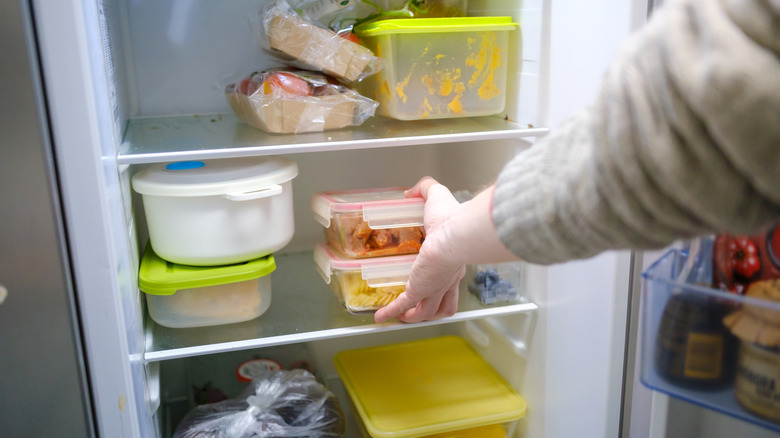
We've all done it at one time or another — thrown something in the fridge thinking we'd eat it in a day or two, then forgotten about it entirely. This is a tempting habit, since many of us assume the fridge will keep food in a stable condition for as long as we need it to. But according to Kathleen Benson, this is a mistake. "A common misconception is that refrigeration makes food safe indefinitely," she said. "It slows bacterial growth but does not stop it completely."
This is especially important to remember if you practice meal prepping and keep multiple cooked meals in the fridge ready to go. While this is a smart way to ensure you enjoy homemade dinners without rushing every night, remember that they have a limited shelf life, even when refrigerated. "Most cooked foods are best consumed within about three to four days unless frozen," Benson said, adding that alongside cooked foods, opened condiment containers (which many people keep in the pantry) should also be stored in the refrigerator. If you're running out of space in your fridge, bread and some whole fruits and vegetables can be stored at room temperature, provided your kitchen isn't too warm or humid.
Myth: To thaw meat quickly, leave it on the counter
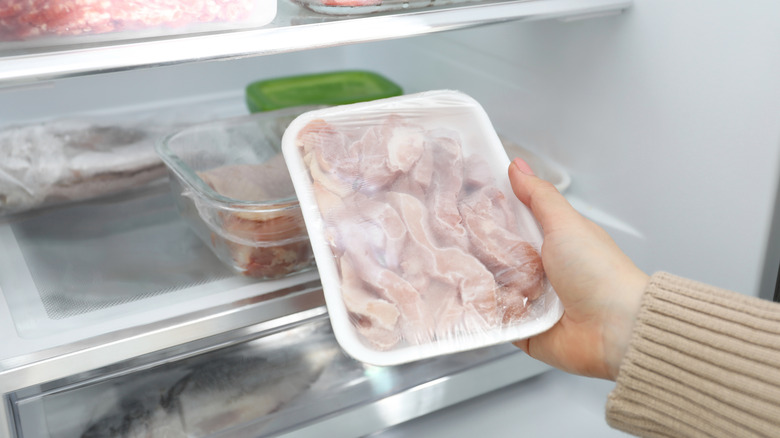
Frozen chicken or other meat is great to keep on hand, but it's not always great for last-minute meals. The safest way to thaw frozen meat, according to Kathleen Benson, is to move it to the refrigerator. This will raise its temperature enough to thaw it, but not enough to put it in the temperature danger zone — the temperature range from 40 to 140 degrees Fahrenheit, in which bacteria are most likely to proliferate. While easy, thawing in the refrigerator is slow. You'll need to put your meat in the fridge the day before you plan to use it.
Since we can't always plan our meals far in advance, many cooks try to speed up the process by leaving frozen meat on the kitchen counter. While this may save you time, it may also be asking for trouble. "Thawing on the counter is not recommended since the outer portion can warm up and allow bacterial growth while the inside is still frozen," Kathleen Benson said. Procrastinators, however, have other, safer options for thawing meat quickly. "Thawing under cold running water is considered safe if the water is cold and continuously running and the food is in a leak-proof package," Benson said. "Microwave thawing is also acceptable as long as the food is cooked immediately afterward."
Myth: You should toss any food that's passed its expiration date
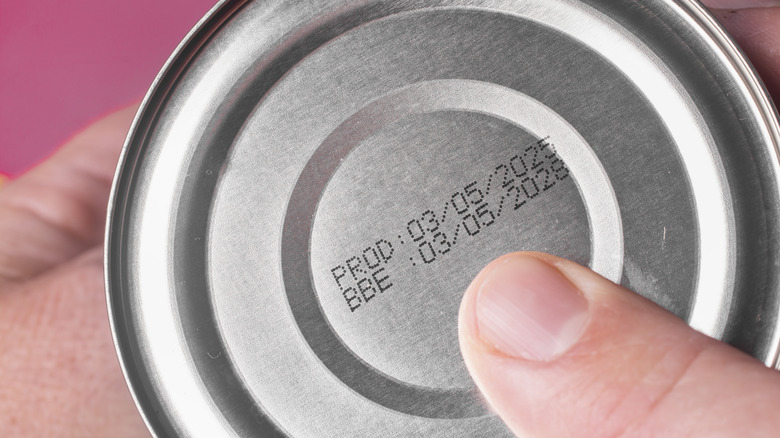
There's something reassuring about food packages with conspicuous expiration dates. Those bland little numbers seem to broadcast transparency and accountability, and offer consumers peace of mind by eliminating guesswork. As long as the date is legible, there's no need to wonder if a can or package that's been sitting around for a while is safe. But according to Kathleen Benson, those dates don't always mean what many people think they do.
Contrary to popular belief, the dates stamped on packages aren't drop-dead dates. Food doesn't automatically go bad after the date has passed, and in many cases, will still continue to be safe to eat for some time after that. "Many expiration dates are about quality rather than safety," Benson said. "Labels like 'best by' or 'best before' usually refer to peak flavor or texture, while 'use by' dates are more likely tied to safety, especially for perishable items like meat or dairy." So check labels and dates carefully — and you may be able to avoid throwing out still-edible food.
Myth: Store-bought produce washes clean better than plain water
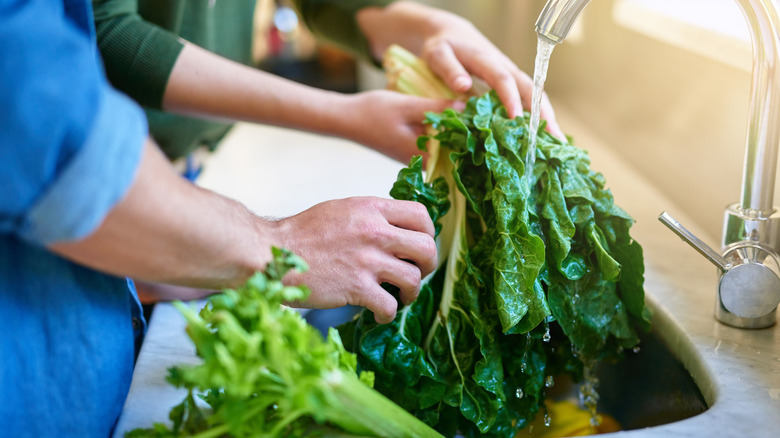
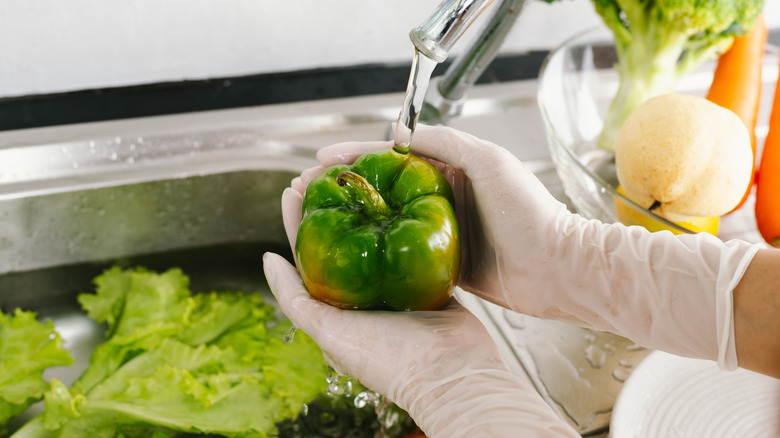
Most cooks give their produce a quick rinse before cooking with it. After all, no one wants fertilizer or pesticide residue (or hitchhiking bugs or caterpillars) in their salad. But cautious cooks go even further. Some routinely give produce a thorough soak before using it, or use soap, vinegar, or store-bought produce washes to clean their fruits and veggies. At first glance, this makes intuitive sense — if washing your hands with soap and water is more effective than washing with water alone, then the same principle should hold for washing produce. But according to Kathleen Benson, you're not doing yourself any favors with these strategies.
"Washing produce with soap is not recommended because produce is porous and can absorb residues that are not meant to be consumed," she explained. And while store-bought washes won't hurt, Benson said they won't really help either. "Store-bought produce washes are typically safe when used as directed, but evidence suggests that rinsing thoroughly under running water is usually sufficient for most fruits and vegetables." And vinegar? Studies show it's no more effective than water for cleaning surface contaminants — and it can change the flavor and texture of your produce.
Myth: Organic food is always safer and more nutritious
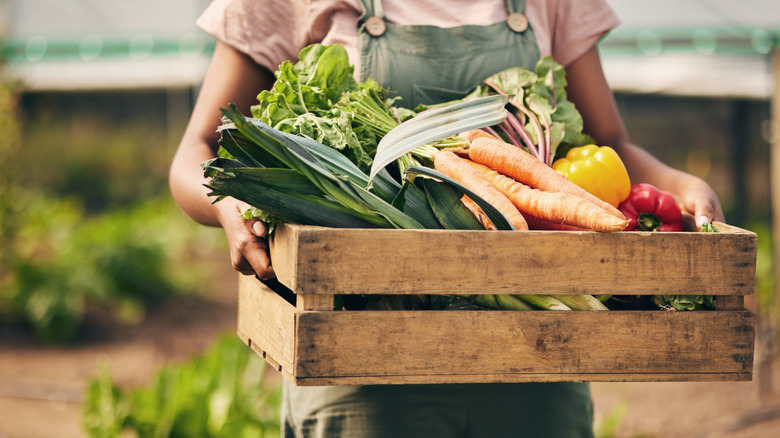
Many chefs and serious home cooks gravitate toward organic foods, believing that they not only taste better, but are safer and more nutritious. Some also like the idea of produce, meat, and poultry raised without modern interventions such as genetic modification, growth hormones, and certain pesticides, believing that food cultivated using traditional methods tastes closer to its original natural form, which should, in theory, make more authentically flavorful dishes.
While many chefs believe organic foods are indeed more flavorful, this is difficult to prove definitively, since taste is subjective. As for safety and nutrition, most studies show little or no difference in nutritional value between organic and conventionally grown produce. And while organic food exposes eaters to fewer pesticide residues than conventionally grown food, both must meet the same legal food safety standards.
All of this means that if you like the idea of organic food but balk at the price, don't worry. Conventionally grown foods will still give you your needed nutrients, and from a safety perspective, organic isn't always worth the extra cost. "Both organic and conventional foods are regulated and monitored for safety," Kathleen Benson explained, "and for most people, overall dietary pattern has a much greater impact on health than whether a food is organic."
Myth: Plastic packaging is dangerous
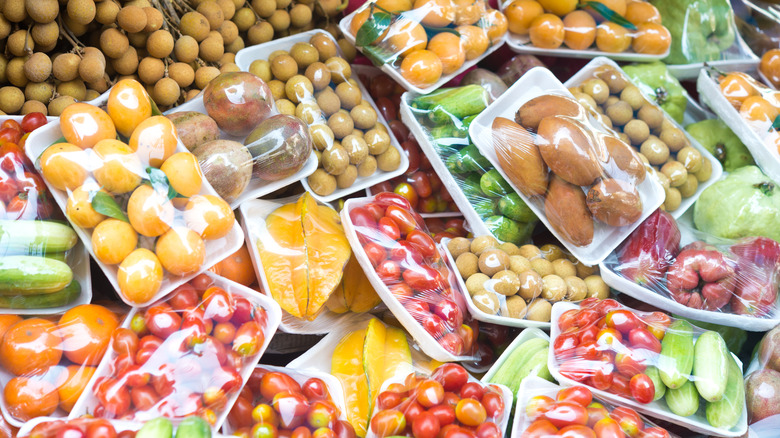
Americans have a love-hate relationship with plastic. We love it for its practicality, since it's light, durable, and inexpensive — this is why so much of our food comes packaged in the stuff. What we don't love, however, is its effect on the environment (unlike paper, it's not biodegradable), nor its potential effects on our health. Recent research has discovered that microscopic plastic particles are pervasive in our food, and can find their way into food in a number of ways — plants can absorb microplastics through their roots, animals can absorb them through their food, and plastic cooking utensils and storage containers can add even more plastic to your meal.
For all these reasons, health-conscious consumers are wary of food in plastic packaging. Unfortunately, it's difficult to avoid — good luck finding supermarket meat or poultry that's not wrapped in plastic. However, according to Kathleen Benson, the health risks posed by plastic packaging are relatively minor. "Some people prefer transferring food to glass or stainless-steel containers, which is reasonable," she said. "That said, food packaging materials are regulated, and the more common food safety risks typically involve improper handling, storage, and temperature control rather than packaging itself."
Myth: Brown meat is always dangerous
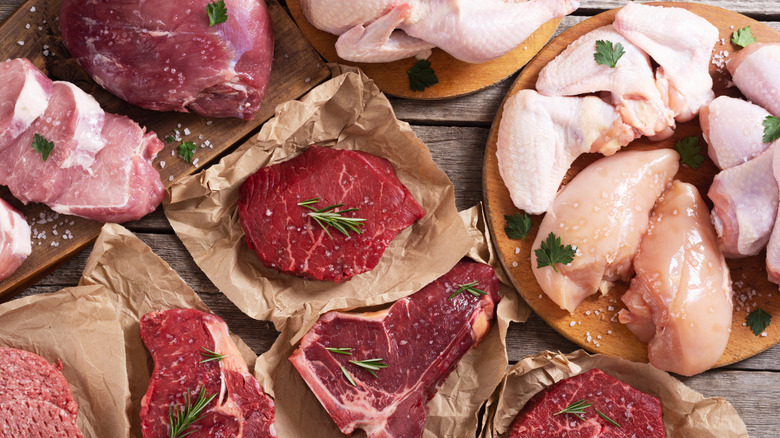
Experienced home cooks know that raw meat should be handled with caution. They know to cook it thoroughly to kill off naturally occurring pathogens, and to keep raw meat away from other ingredients when prepping it to avoid cross-contamination. But before these steps can even happen comes the most fundamental step: Confirming the meat is fresh and safe to eat, and one of the most common ways consumers check for freshness is by color.
Choosing fresh meat means choosing meat that's vibrant red all the way through with no signs of browning. But while browning on meat is not desirable, it's not always as dangerous as many consumers think. "Brown meat is not automatically spoiled/bad," Kathleen Benson said. "The color change often happens due to exposure to oxygen and a natural chemical reaction in the meat pigments." If you're not sure your meat is fresh, trust your nose — and your other senses. Signs of spoilage include an off smell, slimy texture, or other noticeable changes beyond color alone," she explained. "When in doubt, throw it out!"