

Stop Planting Your Tomatoes Too Early: Here's When To Do It
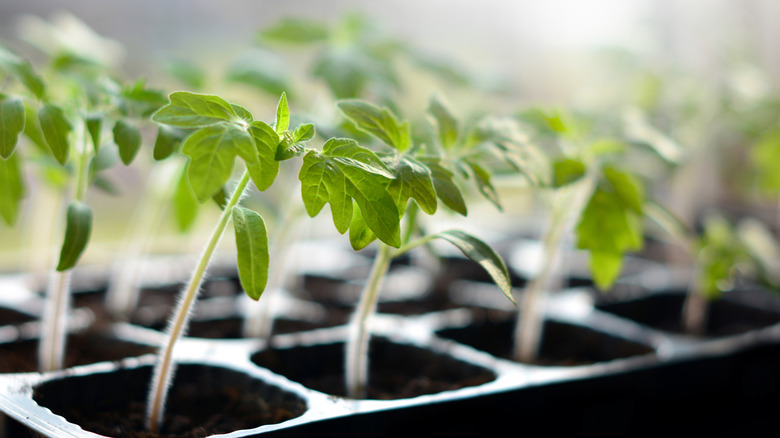
Each year, as winter draws to a close and the days slowly lengthen, gardeners across the world start excitedly planning what to plant for the coming year. Tomatoes, with their many varieties, are an ever-popular choice, but be careful not to be too hasty. While you may want to start your plants as soon as possible, in hopes they'll bear fruit more quickly, planting tomatoes too early in the year can be a big mistake. To grow these plants outdoors, you should wait until after the last frosts of the year have finished.
When growing tomatoes, there are three things you need to know: They need plenty of sunlight, they grow best with abundant nutrients, and they do not like the cold. Those last two are actually interlinked. Botanists have found that cold weather interferes with the plants' growth, with studies showing that tomatoes grown too early, at temperatures too low, tend to be deficient in nutrients. The cold can injure these plants and also cause them to struggle to take in enough nitrogen, phosphorus, and magnesium. This means the tomatoes will have a poor start, stunting their growth and ultimately causing lower yields with smaller fruit.
To avoid this, it's a good idea to start tomatoes indoors, or in a greenhouse, before transferring them to the ground once the temperature gets warmer. To grow properly, seedlings like temperatures of around 58-60 degrees Fahrenheit. While there are some cold-tolerant cultivars out there, even these will fare poorly if the temperature dips below 55 degrees Fahrenheit.
Warmer plants give better fruit
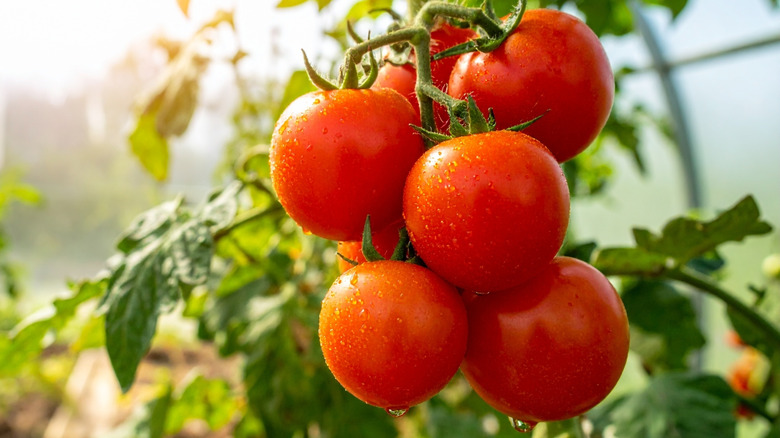
Proper nutrition is essential for tomatoes. These are some of the hungriest plants you can grow, often needing more than soil alone can provide. They like plenty of nitrogen to grow, ideally in the form of nitrate-based fertilizers. Once they start producing fruit, potassium and magnesium become important, with magnesium deficiency meaning smaller fruit — this can be caused by low temperatures, which is why it's so important to keep your tomatoes warm enough to thrive. Even a greenhouse will be little help until after the weather warms enough for the last frosts to subside.
To keep your tomatoes happy, they enjoy daytime temperatures around 70 to 80 degrees Fahrenheit, and you should ideally try to never let them get colder than 55 degrees Fahrenheit at night. These plants were originally from western South America, so they aren't well-suited to low temperatures. The cold will stunt their development both above and below ground, and your plants need healthy roots. Don't forget to give your tomatoes enough water, too.
The good news is that even though you may need to be patient before planting, a well-nourished tomato plant can grow rapidly. Studies have shown that tomatoes grown with an ample amount of compost tend to grow larger and produce fruit sooner, so you don't need to worry about making up for lost time if you start growing your tomatoes in late March rather than mid-February. And happy plants produce larger, juicier tomatoes you can use in a variety of recipes. That definitely seems worth waiting for.