

This Grocery Store Bakery Banned Over 300 Additives From Its Products

Whole Foods Market has a reputation for quality that aligns perfectly with its storewide policy of banning additives. This upscale grocer's bakery is making a bold statement by prohibiting its suppliers from using a comprehensive list of 300 culprits. In addition to its recent affordability initiative, the chain has made a serious commitment to both its customers' financial and physical health by essentially removing these ingredients from its shelves. While claims that some bakery items were sold in containers with forever chemicals, this upsetting behind-the-scenes secret is a thing of the past.
The food industry is always evolving thanks to emerging research. A growing number of food additives are banned in other countries, and local shoppers are taking notice. And so is Whole Foods Market. Its bakery department has benefited from the strides the corporate bigwigs have taken to prohibit these often synthetic chemicals from its breads and pastries.
What bakery ingredients did Whole Foods Market ban?
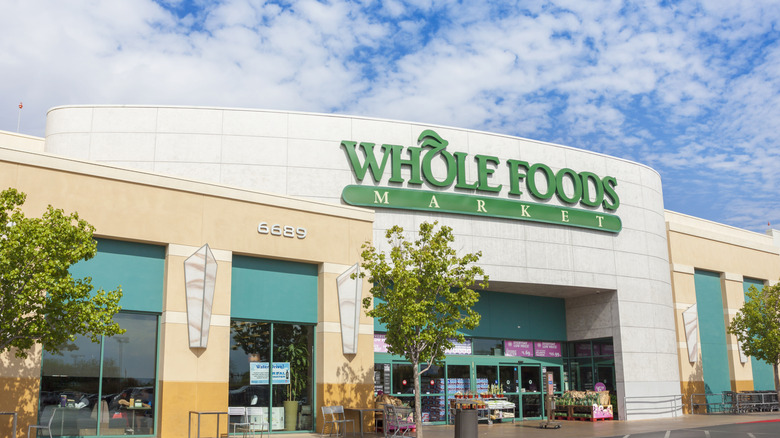
We all know that the foundation of any dessert from the bakery department starts with sweeteners. Yet, Whole Foods' no-no list contains all the usual suspects that could lead to a higher risk of cancer, including high-fructose corn syrup, and artificial sweeteners aspartame, sucralose, saccharin, and acesulfame-K. But the grocery chain doesn't stop there. Oil is another essential component of many items sold in this department. But the kind of oil used in these recipes makes a difference to the recipes' wholesome factor. That's why Whole Foods Market cut out hydrogenated fats and partially hydrogenated oils. The FDA removed these ingredients from its safe list in 2015 for a reason: artificial trans fat. This additive raises LDL cholesterol levels, potentially leading to conditions like heart disease.
The billion-dollar corporation also cut loads of routine preservatives, namely Butylated Hydroxyanisole (BHA) and Butylated Hydroxytoluene (BHT), which are used in certain bakery items to extend shelf life. Whole Foods also deemed the process of bleaching and bromating flour unnecessary, and demanded that its suppliers produce the store's high-quality baked goods without chemically treating this staple ingredient. Artificial colors, FD&C Red No. 3 were banned in favor of natural pigments, like dehydrated beets, and you won't find other additives, such as MSG, and the anti-fungal natamycin on bakery item labels, either.
Higher food standards means a lot to consumers

One thing you want to avoid is making the mistake of shopping at Whole Foods and thinking you have to settle for sub-standard bakery items. The company appears to be dedicated to providing its cult following with higher food standards. This grocery chain's vow to uphold and improve its sourcing criteria isn't anything new. Since 1980, it has banned more than 550 ingredients across its vast product lines, from baked goods and beverages to body care.
Consumers have been holding companies to higher food standards for so many reasons. Whether your focus is on reducing trans fats or preservatives in your diet or you'd like to see more transparent, informative labeling, Whole Foods Market aims to provide its clientele with those options. The company takes its core values pretty seriously, too. Whether that's to nourish its customer base or enforce a responsibility to protect the environment, the bottom line is that this grocer's steadfast shoppers seem to feel the chain genuinely cares about people and the planet.