

The Popular Brunch Food With Roots That Stretch Back To The Great Depression
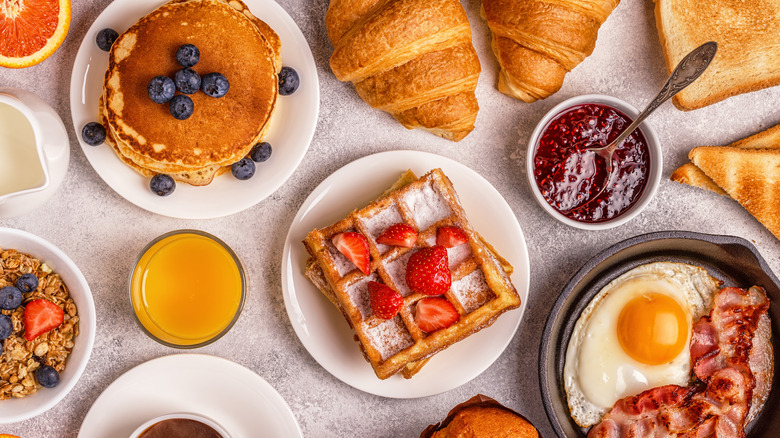
Brunch is more than a mid-morning meal for bleary-eyed coffee drinkers; it is a weekend ritual for many. From short-stack pancakes and Western omelettes to hearty overnight oats, there's no shortage of classic dishes or ever-evolving brunch foods. One that has become increasingly popular is the breakfast bowl — a meal that can be as simple or complex as you'd like. Everything is mixed together, with the thought that each bite will hit every taste bud at once. Grits with breakfast meat and eggs are as comforting as they are filling, and canned beans and sweet potatoes make a hearty hash. Though these dishes continue to evolve, the foundation of this brunch staple is rooted in necessity.
That necessity became especially apparent in the 1930s, when a nationwide economic downturn lasting nearly a decade forced people into survival mode. Every part of the phrase "waste not, want not" applied during the Great Depression, and creatively stretching limited food supplies became commonplace. Think one-pot meals, repurposed leftovers, and inexpensive filler foods flavored with small amounts of meat. The general idea of Depression-era cooking was simple: utilize as much of the pantry as possible in the name of frugality. Start with a main ingredient and incorporate affordable additions to stretch your meal — and your budget.
In "Depression Era Recipes" by Patricia Wagner, you can find a recipe for Homestead Breakfast. Not unlike a modern-day hash, homestead breakfast is an OG breakfast bowl with bacon, potatoes, and onions added to scrambled eggs. The contents of this breakfast bowl make a tried-and-true flavor combination, and are hearty enough to keep you full until your next meal. Practicality was essential throughout the 1930s, and the homestead breakfast perfectly demonstrated that philosophy.
Stretching ingredients without compromising flavor
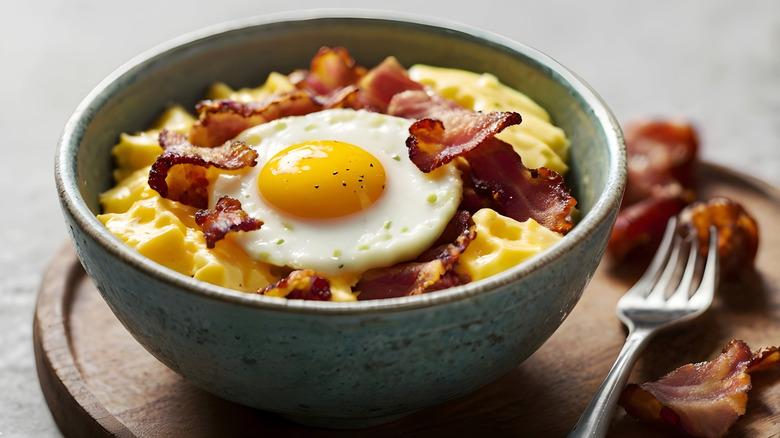
Breakfast has historically been about providing energy for long, laborious days, and the contents of a homestead breakfast would do just that. "The humble potato attained a reverent status as its versatility gifted the impoverished a huge variety of dishes," Ching See Lim wrote in the academic article, "What Did Americans Eat During the Great Depression?" Experience has taught us that potatoes are a filling, starchy, and adaptable — able to satiate you from one meal to the next, and pair well with nearly any dish. They can be the star of the show or a substantial side. During the 1930s, potatoes cost roughly 2 cents per pound, making them exactly what you would need to stretch your grocery budget. Onions provide a lot of nutrients and were easy to come by — many families turned their backyards into gardens out of necessity. If you didn't grow them, you paid about 3 cents per pound.
Eggs were an inexpensive source of protein, especially for those with backyard hen coops. They were an inexpensive, nutritious food for families on a budget. Finally, bacon provided a salty, flavorful finishing touch. Bacon was a less expensive meat option during the 1930s at 22 cents per pound, and it was easy to use a little to add flavor to most dishes.
The combination of these ingredients — and similar versions — is what defines Depression-era cooking. Although there are plenty of Depression-era breakfast foods no one eats anymore, breakfast bowls remain popular for the same reasons: they are filling, adaptable, and easy to customize based on what's available without compromising flavor.