

10 Old-School Potato Dishes That Are Too Good To Stay In The Past
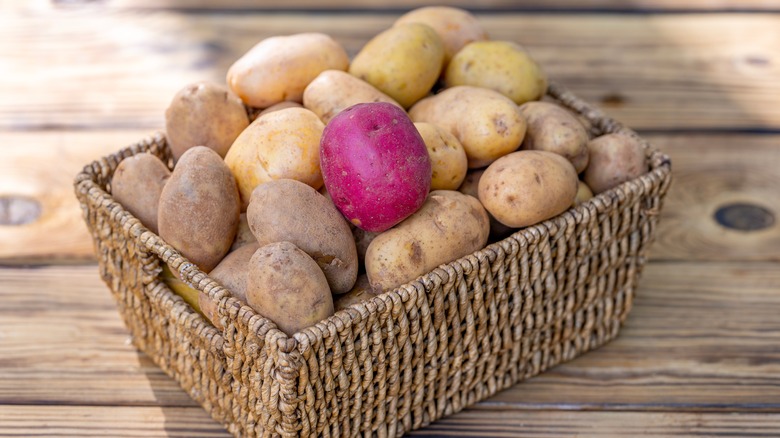
Potatoes have been a food staple in the western hemisphere for millennia, but their spread to the rest of the globe is relatively recent. This humble tuber, in all of its varieties, is now a major food crop around the world, so unsurprisingly, there have been countless recipes starring spuds over the centuries. With so many ways to prepare potatoes, and new recipes being created all the time, some classic dishes can get lost in the shuffle.
We've combed through dusty cookbooks and archives to highlight ten old-school potato dishes that are unique, delicious, and vibrant. These preparations may be somewhat old-fashioned, and some may have never reached fame outside of their home region, but they all deserve a spot at the modern dinner table. Whether you're looking for simple and rustic or elegant and sophisticated dishes, adding these into your regular rotation is a great way to celebrate the versatility of the wondrous potato.
1. Lyonnaise potatoes
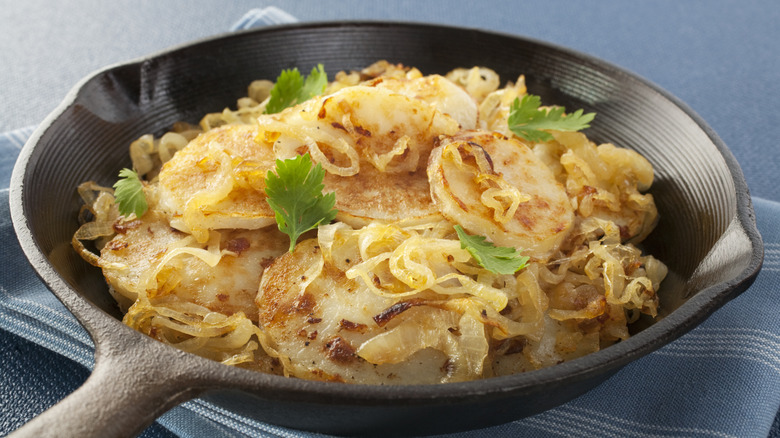
Lyon is considered to be the beating heart of French gastronomy. The city has birthed culinary legends like Eugénie Brazier, the first woman to earn three Michelin stars, and the mentor to the iconic chef Paul Bocuse. With such a rich gastronomic history and famed reputation, you'll find many classic dishes tagged with the world Lyonnaise to credit their place of origin. Perhaps the most well-known recipe is Lyonnaise potatoes, or pommes de terre à la Lyonnaise, as it's called in its native tongue. The dish consists of sliced potatoes and onions fried in butter.
First appearing in the 19th century, the dish is originally associated with notable chef Alexis Soyer. Later, in 1907, the legendary Auguste Escoffier included it in his book "Le Guide Culinaire," and added fresh parsley as a finishing touch. While this dish appears incredibly simple, it takes specific timing and techniques to perfect — when done right, the potatoes are satisfyingly crispy with pillowy soft interiors, the onions are meltingly sweet, and the parsley adds just the right freshness to lighten up each bite.
2. Duchess potatoes
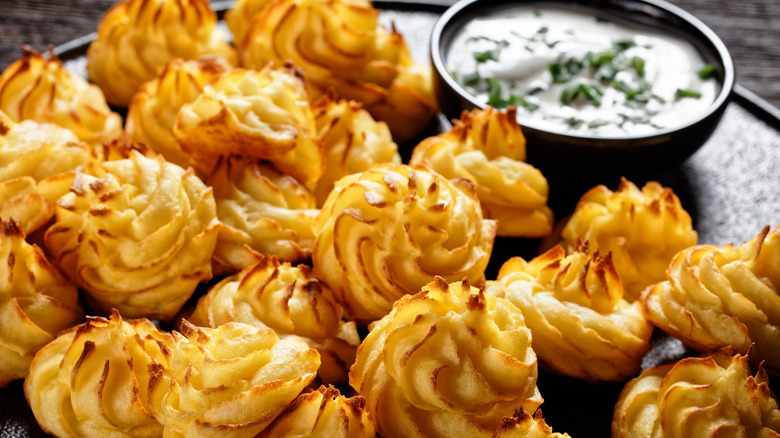
The potato traveled a hard road to get to the lofty heights of popularity it enjoys today. This was particularly true in France, where the spud was even outlawed for a period in the 1700s. People were distrustful of this relatively new food after it made its way across the Atlantic, and rumors were flying that it caused diseases like leprosy. These were, of course, unfounded, but that didn't stop people from keeping their distance from the poor maligned potato. What turned things around was a man named Antoine-Auguste Parmentier, who took it upon himself to turn the tuber's reputation around. Chefs followed suit, and in an effort to bestow regality to the vegetable, created the dish known as pommes duchesse, or duchess potatoes.
This dish takes some effort, but the results are as visually striking as they are delicious. Potatoes are cooked until soft, then riced and mixed with butter and egg, sometimes with cream or cheese as well. Once the mixture is seasoned and smooth, it goes into a star-tipped piping bag. The potatoes are then piped into rosettes and baked, giving them a golden-brown, ridged exterior to contrast their decadently rich and creamy centers. While this is certainly not an everyday potato dish, it's a showstopper for special occasions.
3. Bubble and squeak
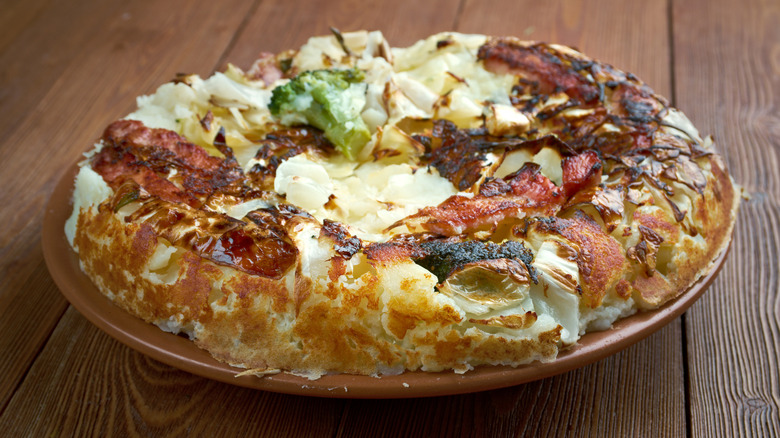
Bubble and squeak is a British dish that's less of a recipe and more of a traditional ritual. It came about as a way to use up leftovers from a Sunday roast dinner. This means it can consist of just about anything — common roast side dishes are root vegetables like carrots, onions, and parsnips, green veggies such as peas or broccoli, and leafy greens like cabbage. These can all become part of the bubble and squeak mélange, but the one ingredient that must be present is mashed potatoes (traditionally made from leftover roast potatoes).
Once all of the ingredients are mashed together, they're formed into large patties and pan-fried until the exterior is golden and crispy. The name of the dish comes from this part of the process, as frying at high temperatures makes the vegetables bubble and squeak in the pan as steam escapes. While bubble and squeak may not be as popular as it once was, even in Britain, it's a great way to use up leftovers, and doesn't need to be confined to just breakfast.
4. Funeral potatoes
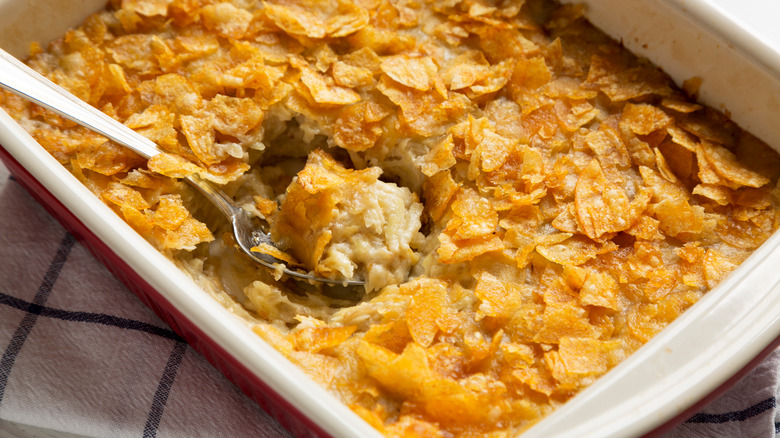
What's not to love about a rich, hearty, and comforting potato casserole topped with a crispy, crunchy topping? That's what you get with funeral potatoes, so don't be scared off by the bleak name. It's commonly believed that this dish's odd handle came from its history with the Church of Jesus Christ of Latter-day Saints. Women from the church's Relief Society could make it easily from on-hand ingredients to bring comfort to members who were recently bereaved. Despite the name, it's just as commonly found at any large gatherings in Mormon communities throughout the western United States, not just on sad occasions.
Hash browns, either shredded or cubed, frozen or fresh, make the base of funeral potatoes. Cream soup, either mushroom or chicken, along with sour cream, butter, and lots of melty cheese make up the rest. Then the casserole is topped with something crispy, typically either cornflakes or potato chips, and baked until hot and bubbly. Whether you're in the Mormon belt or not, there's no need to wait for a funeral to enjoy this ultimate comfort food.
5. White potato pie
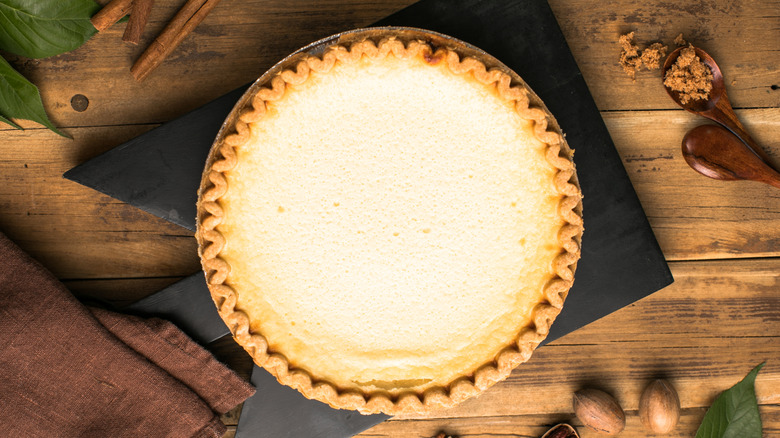
While sweet potato pie and pumpkin pie vie for superiority during the American holiday season, there's another regional pie that's closely related in style, though not as well known. Maryland's white potato pie hasn't really broken out of its geographic homeland, but it remains a classic dessert there, also sometimes called Eastern Shore white potato pie. It likely came about as a way to use up excess potatoes in years with bountiful crops in the agriculturally-focused region, first showing up in an 1824 cookbook as Irish potato pudding.
In essence, it's the same as sweet potato pie, only with a different type of spuds, typically Russets, as they maintain an airy fluffiness that keeps the filling light. Sugar, cream or sweetened condensed milk, eggs, and vanilla are mixed in with the mashed potatoes along with any spices or extracts for more flavor. The next time you have a surplus of Russet potatoes, step out of the savory zone and use them to make this sweet treat.
6. Potatoes O'Brien
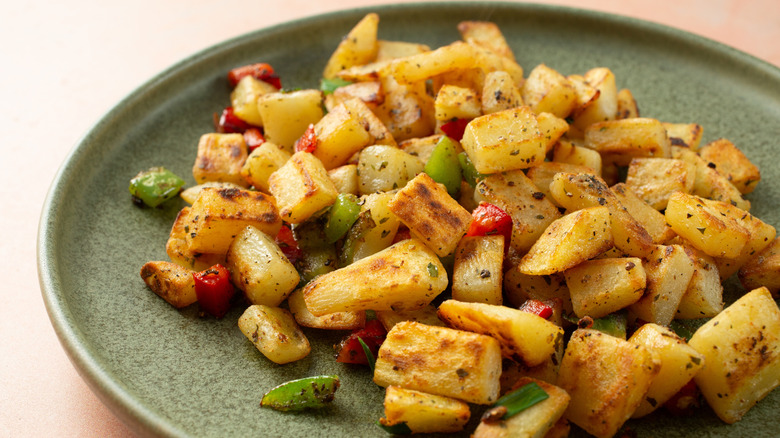
You may have enjoyed this dish without knowing this particular name. Similar to home fries, potatoes O'Brien involves diced potatoes, onions, and bell peppers, skillet-fried and typically served with breakfast or brunch. Some recipes add other ingredients like cheese or bacon, but it's the potatoes and peppers that define potatoes O'Brien. This dish is reputedly the invention of a 19th century restauranteur named Beefstew O'Brien, who decided to jazz up plain fried potatoes with these additions.
While O'Brien was likely of Irish heritage, he crafted this dish in New York, though some claim it actually originated in Boston. Either way, it's an American dish and a bright and colorful addition to any breakfast menu. Potatoes O'Brien can be made very simply and seasoned with just salt and pepper, or enhanced with other ingredients like paprika, garlic, or red pepper flakes. More flavor can also be added with the type of fat used for frying, like bacon grease, duck fat, or butter.
7. Pommes Anna
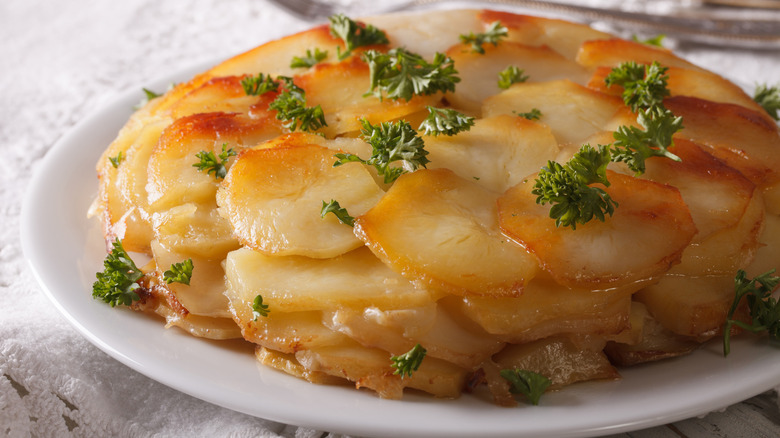
French cooks have come a long way towards embracing the potato since its shaky beginnings. Pommes Anna is another classic dish from the country, credited to 19th-century chef Adolphe Duglere of the famed Café Anglais in Paris. Anna Deslions, a performer and socialite who frequented the spot, is presumed to be the inspiration for the name. Pommes Anna truly embodies French cuisine — with just a handful of ingredients, it's all about quality and technique.
Potatoes, butter, and salt are the only necessary ingredients for pommes Anna, which means each element has to shine. While Julia Child preferred waxy potatoes like Yukon golds, starchy Russets work as well, giving the dish a more cake-like texture. The potatoes must be sliced into thin coins, typically by using a mandoline to ensure uniformity, and then artfully layered in a round pan or skillet along with plenty of butter. The potato cake is then baked until the bottom layer becomes a crispy, golden-brown crust that becomes the crown of the dish when it's inverted onto a serving platter. Some cooks add herbs or cheese, but true pommes Anna is a pure, elegant celebration of the potato.
8. Delmonico potatoes
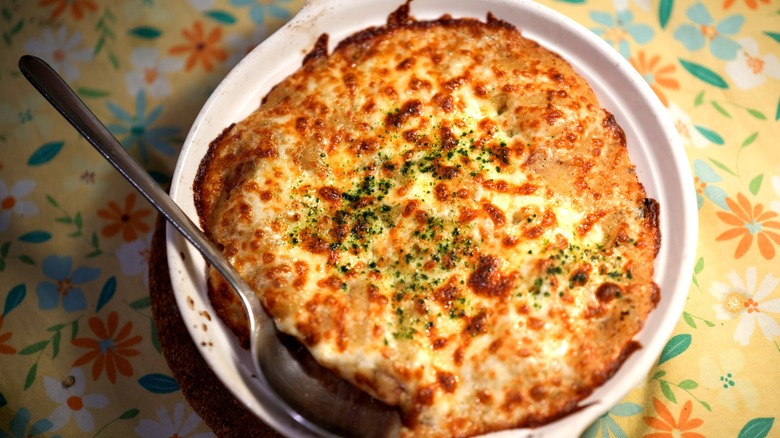
A legend of New York dining history, Delmonico's restaurant represented the pinnacle of fine dining during the Gilded Age. Famous for its namesake steak and potatoes dishes, the term Delmonico became nationally known and began gracing menus across the country to describe other chefs' interpretations of these recipes. Because of that, the true original recipe has been lost to time, with many sources claiming only they have the definitive version.
What they all have in common is chopped potatoes, cream, and Parmesan cheese, baked until soft on the inside and golden-brown on the outside, and garnished with finely minced chives. Some recipes involve broth, garlic, or herbs as well, and others add a crispy fried hash-brown topping. We may never know precisely what Delmonico's restaurant served its affluent patrons, but based on these interpretations, it was likely an opulently rich, creamy, cheesy concoction that surely paired well with the famous Delmonico steak to create a luxurious meal.
9. Potato filling
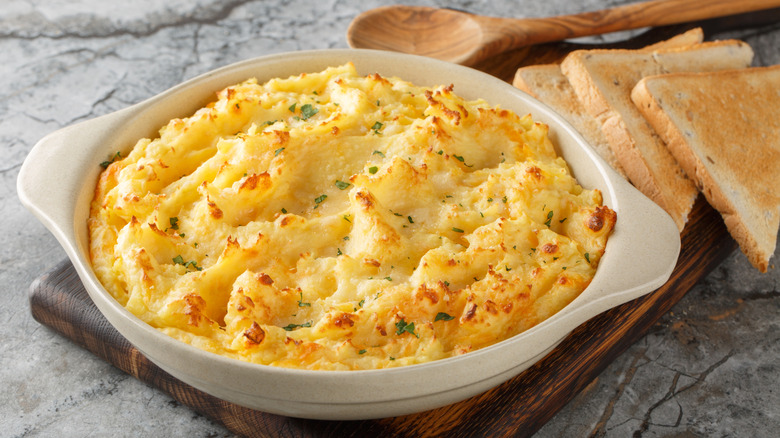
Potato filling is a staple of regional Pennsylvania Dutch cooking, often served as part of a holiday feast. It first began appearing in cookbooks in the mid-20th century, but seems to have been confined to a very specific area within the state, particularly among Amish and Mennonite communities. This dish takes two classic holiday comfort foods and combines them to create a marvelously starchy mixture — mashed potatoes and stuffing (or dressing, depending on your lingo).
Toasted white bread cubes, mashed spuds, sautéed celery and onion, eggs, and butter are all combined in a casserole dish and baked until creamy and golden. Some recipes include milk, cream, or chicken stock as well, and most call for chopped parsley leaves as garnish. The next time you're in the mood for hearty comfort food, give potato filling a try and satisfy all of your starchiest cravings in one go.
10. Savoy Potatoes
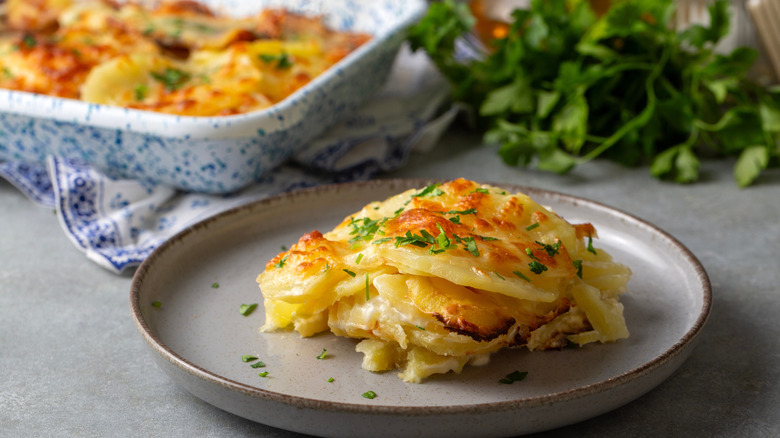
You may, at first glance, confuse Savoy potatoes with either au gratin or scalloped potatoes. All three of these dishes consist of potato slices baked as a casserole, so they look quite similar, but they're all different in most other ways. Scalloped potatoes are cooked in a cream sauce, while potatoes prepared au gratin-style include layers of melty cheese and a breadcrumb topping. Savoy potatoes, also known as potatoes Savoyade, include cheese like a gratin, but trade cream sauce for beef broth, giving the dish a more savory character.
As its name suggests, this dish hails from the Savoie region of France, alternatively spelled Savoy. This alpine region is well-known for its cheeses and hearty cuisine, with the types of dishes that will warm you up after a cold day in the mountains. That's exactly what this dish offers — warm layers of meaty and savory, meltingly soft potatoes, and loads of browned, bubbly cheese. Oh, and of course, because it's French, it uses plenty of butter. The exact origins of this particular potato preparation are unclear, but given that the Savoie region is a major area for dairy cows and cattle, it makes sense that local cooks would create a dish including cheese and beef broth, two bovine-derived ingredients. While some recipes call for Gruyère, you can also make Savoy potatoes using a regional cheese like Emmental or Tomme de Savoie.