

New Washington State Rule Grocery Shoppers Need To Know In 2026
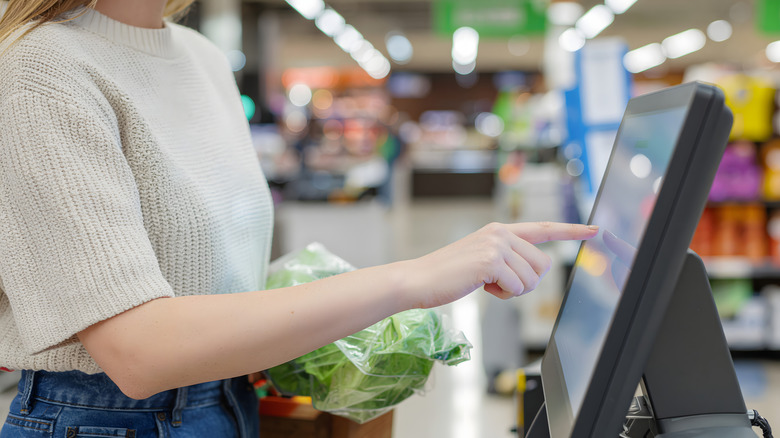
Washingtonians who forgot their grocery bag at home will now have to spend an extra 4 cents (if they prefer plastic to paper). The increase is a part of a law passed in 2020 meant to reduce the use of single-use plastics. It bans the disposable .5 mil thin single-use bags and sets the standard to 2.25 mil thick reusable ones (1 mil = 0.001 inch). The part of the law raising bag fees from 8 to 12 cents for plastic went into effect on January 1st, 2026. Fees for paper bags remain unchanged.
The law sets the 12-cent fee as the minimum a business can charge for a plastic bag. The extra is not a government tax as the money goes to the store. Regular shoppers at stores like Aldi, which were already charging for bags, are used to these fees. In a press release from November of last year, the Department of Ecology for the State of Washington explained the fee. "Paper and plastic carryout bags impact the environmental [sic] at every stage of their production, transportation, and disposal," said the Ecology's Solid Waste Management Program manager, Peter Lyon. Food banks and customers using food benefits are not subject to these mandatory fees.
Why is Washington raising its bag fees?
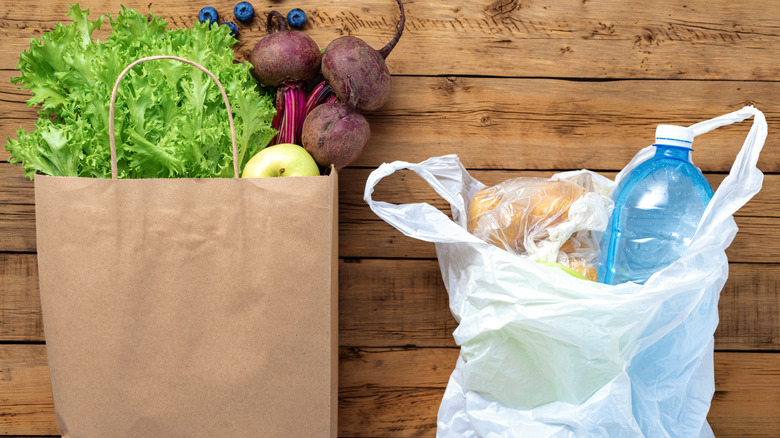
The fee is intended to reduce the use of plastic bags. The cost of an individual bag may be low, but the effect on the environment has a high toll that can be hard to see in the day-to-day. According to a report from Duke University, Americans' use of all plastics, such as straws, utensils, and bags, costs them up to $1.1 trillion per year. But that's not simple waste. Shoppers pay the price in the form of impacts on health from the toxins in the plastic.
The goal is to get people to increase the use of grocery bags brought from home (check out our guide to help you get the most out of your reusable one here). Peter Lyon explains that "bringing your own bag is the easiest way to avoid the charge, reduce emissions, preserve resources, and prevent bags from becoming litter." The Department of Ecology recommends shoppers store their reusable sacks in their cars, purses, and backpacks to keep them handy. Just don't forget to clean yours using our helpful guide!