

Why The Michelin Guide Revokes Stars And How Restaurants Lose Them
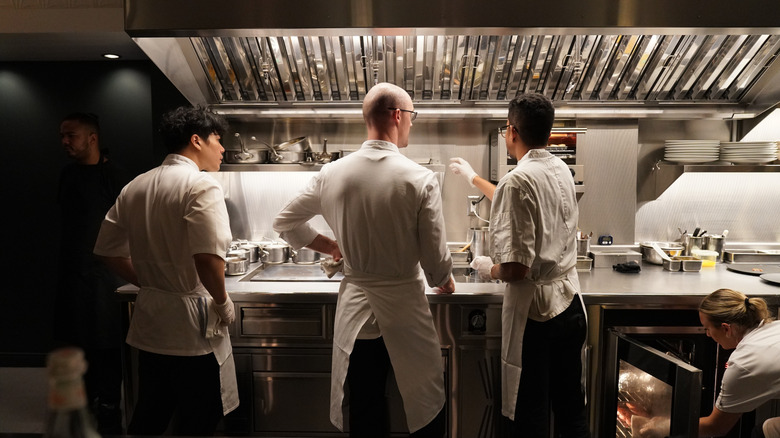
The Michelin Guide is famously selective, but it's equally unforgiving when restaurants fall short of its expectations. A star may look permanent on paper, yet inspectors treat it as something closer to a live signal — one that dims the moment standards wobble. That's why conversations about why certain famous restaurants lost their Michelin Stars tend to circle back to a single truth: Excellence has to show up every night, not just when the dining room is full, or the chef is feeling inspired.
Behind that strictness is a system built to protect diners' trust. Michelin's anonymous inspectors return repeatedly, comparing meals across seasons and service styles, looking not just at a standout dish but at the consistency surrounding it. A restaurant might have the technique, reputation, or pedigree to impress once, but if a later visit reveals uneven cooking, timing issues, or ingredients that no longer match the level that earned the star, the guide doesn't hesitate to reassess. It's the closest the dining world gets to a real-time performance review.
That scrutiny also clarifies what a Michelin Star actually is: Not a lifetime achievement award, but an active measure of reliability. Restaurants aren't judged on past glories; they're judged on whether the present moment lives up to what inspectors experienced before. And when it doesn't, the star goes with it.
Why a new direction can mean a lost star
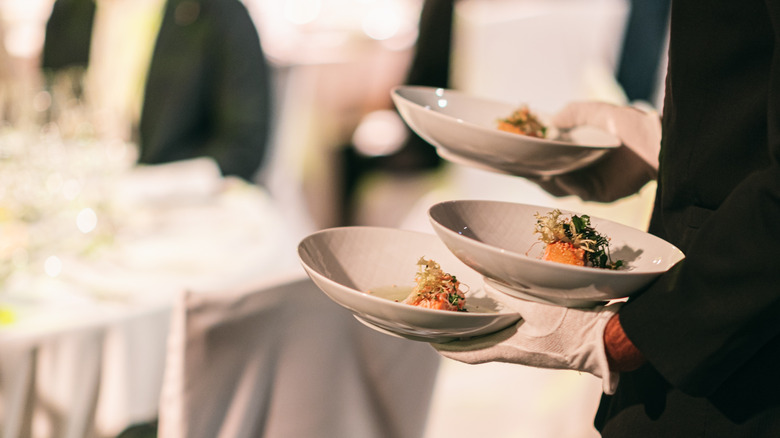
Once you understand what it takes to earn Michelin Stars, the reasons they disappear start to look far less mysterious. Inspectors aren't out to punish restaurants — they're looking for consistency, and the most reliable warning sign is a kitchen that can't reproduce what once impressed them. Maybe the ingredients aren't as sharp, maybe dishes land differently from one visit to the next, or maybe a leadership shakeup leaves the menu without a steady hand. Even small cost-cutting decisions can ripple outward, softening the precision that originally caught the guide's attention.
Service can often slip when the restaurant suddenly has more guests than the staff can realistically handle. That pressure shows itself in a dozen small ways: Stretched teams, longer waits between courses, or new hires learning on the fly. Inspectors notice more than what's on the plate — they pay attention to how a dining room moves, whether a restaurant can keep its signature dishes available, and if the atmosphere still matches the experience they once endorsed. When ownership pushes for a new look or concept too quickly, the shift can be enough to make the space feel like a different restaurant entirely.
But not every departure from the guide comes from decline. Some chefs have chosen to walk away from the rating system altogether, deciding the constant scrutiny isn't worth the strain. Giglio in Lucca did just that, as did Sébastien Bras and Skye Gyngell before him, each stepping back from the spotlight rather than shaping their kitchens around the pressure of maintaining a star. Whatever the reason, the star isn't likely to stay put once the kitchen heads in a different direction.