

Peanut Vs Canola Oil: Which Is Best For Baked Goods?
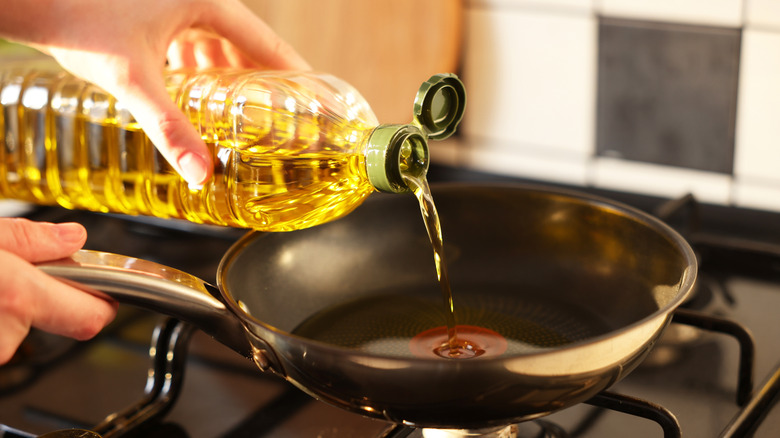
There are plenty of reasons to use oil in baked goods instead of other fats. Cooking oils create a moist, tender crumb, giving you a finished product that is less likely to dry out. When you bake with oil, and as long as you store your leftover cake or cookies properly, you should be able to snack on your goodies for days. Perhaps most importantly for many home bakers, mild options like canola oil and peanut oil are affordable, plus you likely have a bottle or two in the house already. Of these two common oils, however, one is the clear winner for regular baking.
Both peanut and canola oil have high smoke points, making them good frying oils, but canola wins out for baking sweet treats because of its neutral flavor. Peanut oil, on the other hand, has a mildly nutty flavor that may change the taste of your baked goods. This added depth does make it a good choice in products that are already nutty by design, like quick peanut butter cookies. In most other instances, though, you should grab the canola oil for cakes, cookies, and pies.
Why bake with canola oil?
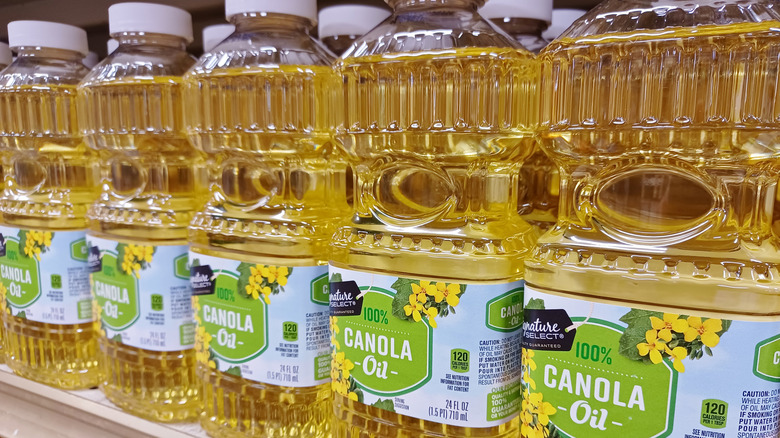
As canola oil is close to flavorless, using it in baking allows other ingredients to shine and usually makes balancing flavors easier overall. This is particularly useful if you're working with delicate additions like French vanilla, teas, lavender, or citrus. If you're used to cooking with another more flavorful fat, such as butter, however, you may find that your cake or cookies lack a little something when you switch to canola oil. This is because butter adds richness. If your canola oil cake needs a bit more oomph, you may need to add a little more of the flavorings you usually use, or swap zests and herbs for a few drops of citrus or herbal oil.
The fat you use to bake also contributes to the texture and structure of the finished product. Oil is lighter than butter, so it results in a lighter cake or cookie. This makes canola oil a great choice for baked goods that may otherwise end up getting too firm when refrigerated, including recipes that include fruit or vegetables, such as classic carrot cake with cream cheese frosting.
The final consideration when choosing a cooking fat is health. As noted in our article on the health benefits of olive oil vs canola oil, the oil of the rapeseed plant contains very little saturated fat and is full of omega-3s.
When to choose peanut oil
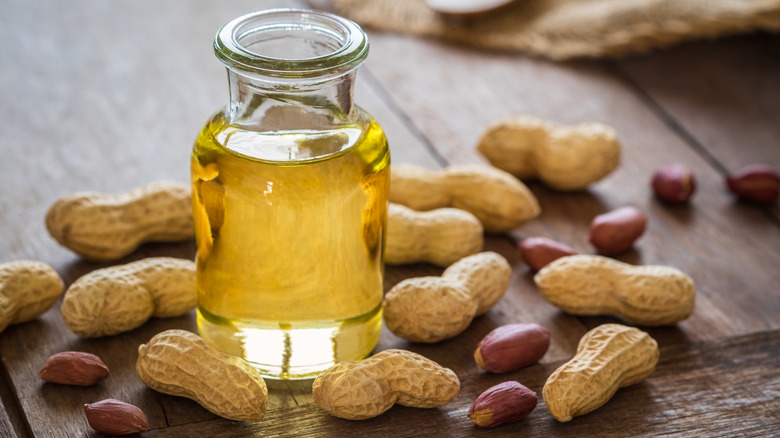
Flavor-wise, peanut oil works great if there are other nuts in your baked treats; the underlying toastiness of the oil brings out the complementary profile of the nuts. It also highlights other tastes often described as nutty, such as dark caramel or brown butter, and works well in savory baked goods, too. Just like canola oil, it will lighten the crumb of heavier cakes. This is great for chocolate cakes, particularly if they are dark enough to be enhanced by a light peanut note.
While canola oil is almost always highly refined, you might find virgin peanut oil on the shelves of your local grocery store. This kind of peanut oil is not refined and has a deeply nutty taste, particularly if it's also roasted, and can add a lot of flavor to baking. However, unlike refined peanut oil, it isn't safe for people with peanut allergies. Unrefined peanut oil is usually more expensive than refined, too. In turn, refined peanut oil tends to be more expensive than canola oil. This is another reason to use it only in baking, which will really benefit from its flavor.
Health-wise, peanut oil contains similar amounts of unsaturated fats to canola oil, and packs a Vitamin-E-powered punch. The jury is still out on the health benefits of the omega-6 fats that peanut oil contains a lot of, but scientists do agree that balancing omega-6 and omega-3 fats across your diet is what really matters.