

Old-School Irish Dishes That Are Sadly Disappearing From Tables
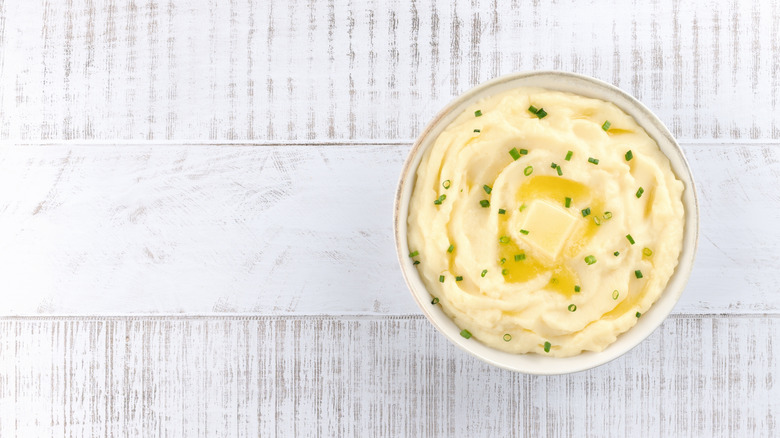
The history of Ireland is tied inextricably to its food. The sustenance of this island nation has been a source of both great pride and real pain, with the Great Famine of Ireland being a defining moment in the country's development that led to an extraordinary amount of changes and the development of the nation's republican status. It's little wonder, then, that Ireland considers its food with enormous respect and love — but in recent years, things have changed a fair bit. Like many other countries, Ireland's food culture has changed hugely in modern times, with the rise of international trade and migration unlocking more options and cuisines than ever. As a result, many of Ireland's old-school meals are starting to fade into obscurity.
These dishes might be a little more diverse than you expect, too. Ireland's food is famous for being potato-based, but long before that tuber came to the country, things looked quite different, and that lineage remained after potatoes took over. Dairy and grains dominated the diet and still show up in plenty of Irish dishes today, while offal and offcuts have been a staple for years. Irish cuisine has also been well-known for its desserts, but many of these are now unfortunately seeing a decline in popularity. Take note of these dishes, folks: They may not be around much longer.
Drisheen
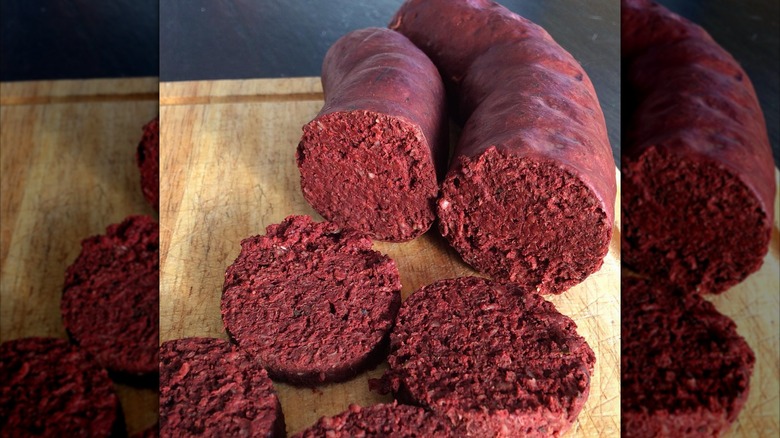
Blood sausage has been a popular food item throughout the world for millennia, with the dish even being mentioned at the start of Homer's Odyssey, first written down almost 3,000 years ago. A huge number of food cultures around the world have their own versions, and one of Ireland's, known as drisheen, has been a traditional choice for generations. Drisheen is made from a combination of sheep's blood and milk, and is distinguished from black pudding by only containing blood serum, whereas black pudding contains whole blood. Although it's got quite a confrontational appearance, with a black coloring that promises a deeply punchy, overwhelming flavor, it's a little milder than you might think. Its texture, too, is surprisingly smooth — and it can be eaten cold, if you really want to row the boat out.
Drisheen is most famous for its association with Cork, and it was immortalized by author James Joyce in his works. Sadly, though, the sausage hasn't remained popular in modern times. The art of making drisheen has been slowly dying out, and it's now a fairly rare find (with blood sausages more generally also declining in popularity). In a couple of decades, you may find that drisheen is nowhere to be seen.
Spotted dog
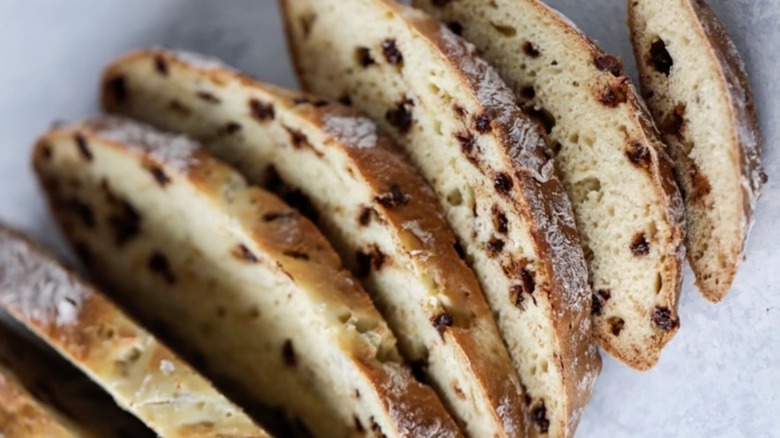
While the British have spotted dick, the Irish have spotted dog — and both of them are unfortunately dying out. Well, it's unfortunate if you like your food to have charming names, and we definitely do. Spotted dog is a form of soda bread, an Irish staple that first gained popularity after the Great Famine as a versatile carbohydrate. This sweet version of the bread, which can be enjoyed as a dessert, mixes dried fruit into the soda dough and adds extra flavor with some sugar and egg. Raisins are typically used, as they are in spotted dick, and both dishes have a similar appearance.
Spotted dog has long been valued for its easygoing nature and rustic presentation, and the ease with which it can be prepared made it a favorite in rural communities. As time has gone on, though, spotted dog has somewhat lost its appeal. Like so many other Irish dishes, its heavy, doughy nature has started to feel a little out of step with modern tastes. It might be something you find in more old-school bakeries, but it's definitely less common than it once was.
Champ
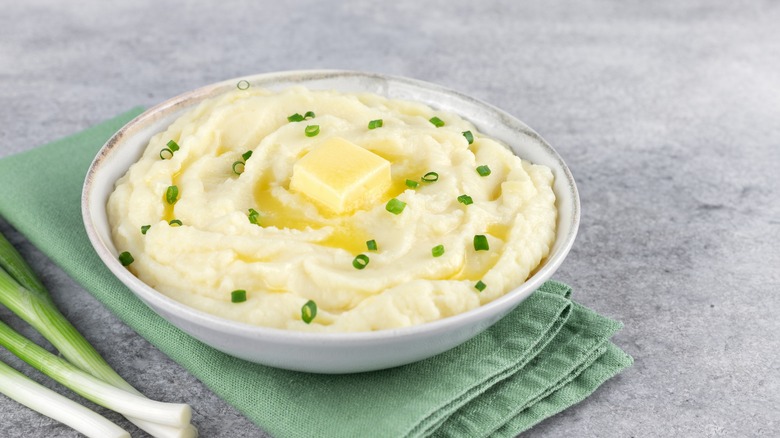
If you know anything about Irish food, you've likely heard about the classic Irish dish, colcannon — but what about champ? This potato dish is arguably the lesser-known sibling to that aforementioned favorite, and while colcannon may be more popular outside of the country, champ is a more homegrown affair. It's starting to fade in popularity, too. Champ's development can be clearly linked with Ireland's economic struggles, with it being a simple, hearty, and tasty dish that can be prepared with just a few ingredients. It first boomed in popularity in the 19th century, and it's been a staple on family dinner tables ever since.
In essence, champ is jazzed-up mashed potatoes: Green onions are warmed in milk before being mixed through the mash, and then everything is seasoned and served. It's a great way to make your leftover mashed potatoes more interesting, or just to add a little more flavor to your side dish. However, while champ's rustic nature has kept it popular for hundreds of years, the increased availability of an abundance of side dishes has meant that it's no longer the go-to for a lot of people. You'll still find champ in a lot of places, but it's no doubt becoming less popular as time goes on.
Crubeens
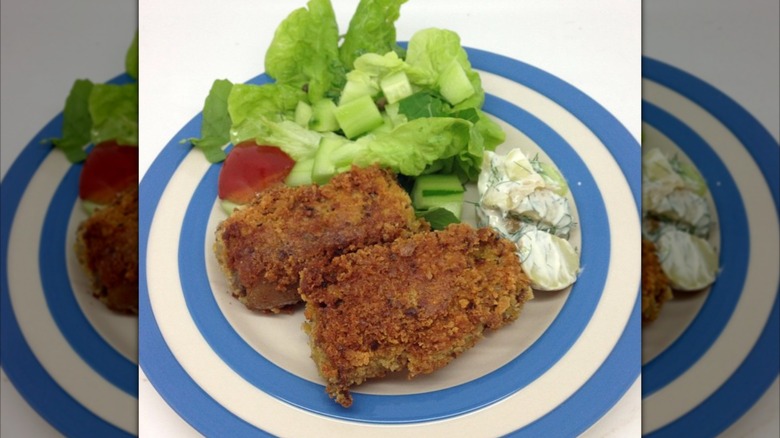
A huge number of food cultures around the world have narrowed their use of meat. In the past, people used to use every part of the animal, understanding the necessity to prevent food waste and to get their money's worth. Now, however, we tend to stick to the same basic cuts and avoid offal, offcuts, and those slightly more visually challenging parts of animals. Want proof of this? We present to you the declining popularity of crubeens.
Crubeens are boiled and fried pig's trotters, with the feet simmered for hours in a flavorful stock before being breaded and plunged into searing oil. The dish first started becoming popular in the late 19th century, when bacon factories sprang up all across Ireland. Crubeens became a Saturday night staple in pubs, with the salty bar snack helping drive beer sales.
Now, though, the cooking of crubeens is a dying art. The popularity of pig's trotters has understandably waned, and restaurants don't tend to feature them on their menus. It's a shame, really, as once you get past what you're eating, crubeens have a deep, rich flavor, and a combination of crunch and softness that's pretty special.
Wheaten bread
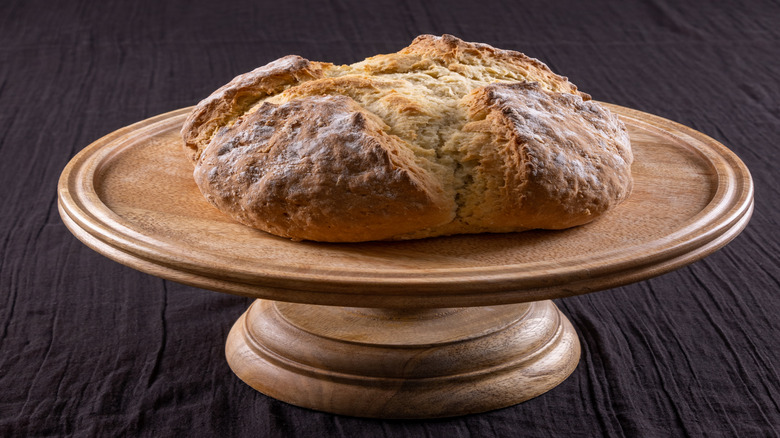
It might not feel like wheaten bread is dying out: After all, it's one of Ireland's most famous culinary exports. Wheaten bread, or soda bread, has been a part of Irish cuisine since the 1100s, but when refined flour became something only the wealthy could afford, it became less common. However, after the Great Famine, flour became more popular when potatoes were unavailable, and leavening bread with soda was a quick and easy way to get something on the table.
Sadly, over time, wheaten bread has started to be replaced by other styles. The availability of quick-action yeast and the increased popularity of sourdough have meant that it's taken a backseat in recent years. Indeed, a survey published by Ninja showed a dramatic drop in internet searches for wheaten bread in the last five years, with the company predicting that it could be extinct in just a few years. We don't think that's likely to happen, but it does indicate that people are way less inclined to make it, and we only hope that this traditional style of bread holds on.
White pudding
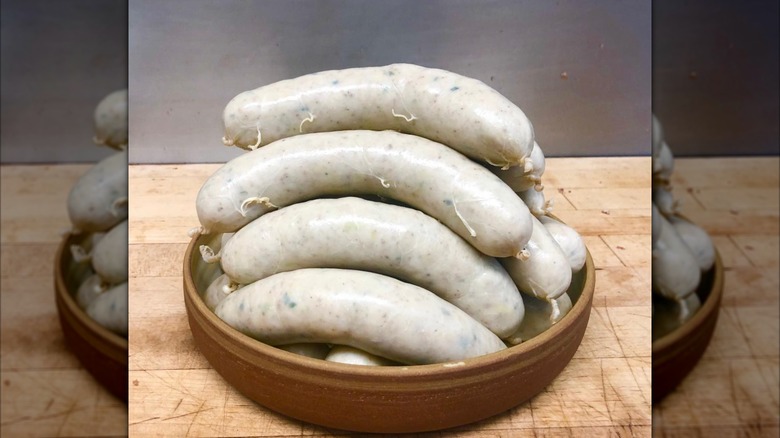
You may not know this, but black pudding has a counterpart, and it's a little less common. White pudding is an Irish sausage that's missing the key component that gives black pudding its dark color and vivid flavor: Blood. It's instead made with ground pork and pork fat or suet, which is combined with breadcrumbs, oats, and a lot of white pepper. Rusk is sometimes used instead of oats, too. Although the ingredients are fairly conventional, it wasn't always this way: Older versions of white pudding used to contain sheep's brains, which no doubt would have given it a stronger flavor and made it a lot less palatable for some people.
White pudding is particularly popular in Northern Ireland, but while you might think that its milder composition might make it more appealing than black pudding, that's not quite the case. Black pudding has remained popular, whereas white pudding has started to dwindle. Well, they do say that you need to be bold to stand out, and maybe white pudding just isn't bold enough.
Skirts and kidneys
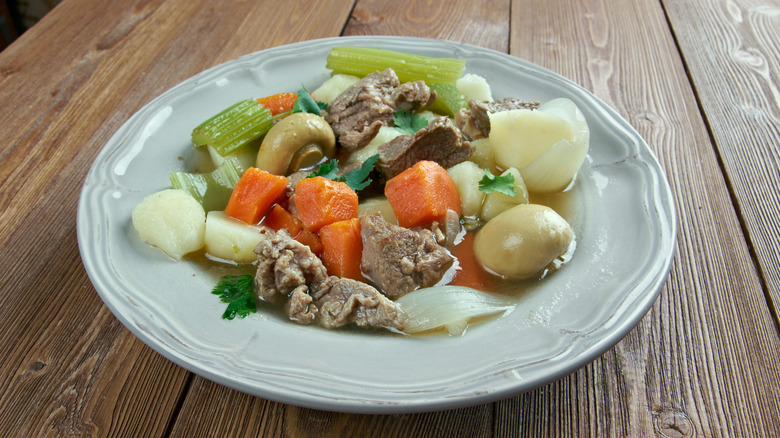
Organ meat has a long, illustrious history in plenty of cuisines, and in Irish food culture, things are no different. Plenty of Ireland's dishes contain offal, but a lot of these dishes are also on the decline. Skirts and kidneys is one of them. We're willing to bet that you can guess that there are kidneys in this dish, but the "skirts" part might be a little harder to figure out. That actually refers to pork trimmings taken from the diaphragm region, cut up into bite-sized chunks. The skirts and kidneys were simmered in stock with onions, vegetables, and butter or dripping, to make a hearty stew.
Like so many traditional dishes, skirts and kidneys stem from a time when money didn't stretch quite as far. These cuts were valued for their affordability, and cooking dishes like this would help prevent unnecessary waste. It was particularly popular in working-class communities, thanks to its combo of thriftiness and heartiness. As you might expect, though, nowadays the prospect of eating diaphragm meat and kidneys is a little less exciting. Slowly but surely, skirts and kidneys is on the way out.
Goody
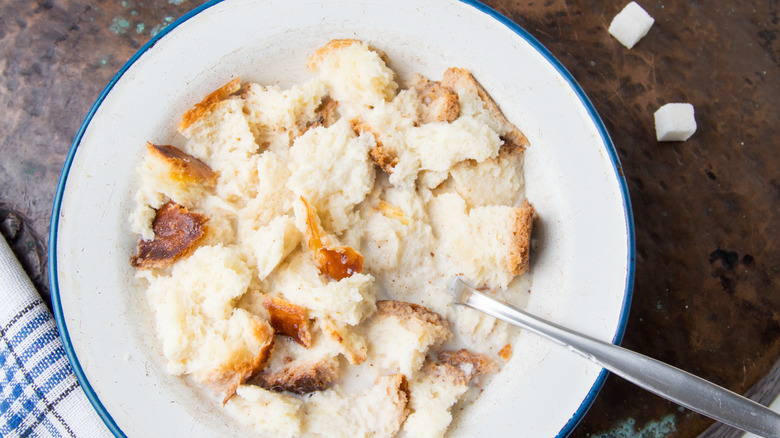
People of a certain age may well remember goody, but it's now pretty rare to see it anywhere. This dish was a staple made by mothers when their kids were sick. Also known as pap, it was a simple meal made by boiling bread and sugar in a pot of milk, which would make something between a French toast and a porridge. Some more enterprising home cooks would make it more interesting by throwing in some raisins. Although it stood as a meal on its own, it could also be served as dessert.
Goody is remembered fondly by some people, and not so fondly by others. We can see why it may not be everyone's favorite, to be honest. Not only does the whole thing sound pretty gloopy, but when you're a sick child, it likely feels a bit more like a punishment to eat it than a treat. This is the kind of dish that's been handed down through generations, but as options have increased for comfort meals, it's decreased in popularity. It may not be around much longer.
Dublin Lawyer
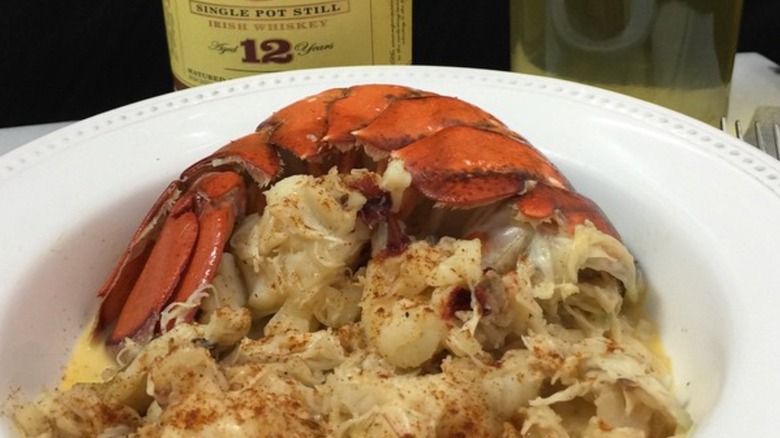
We love dishes with incredibly specific names, and Dublin Lawyer is certainly one of them. This lobster dish stands out in Irish food culture due to its extravagance: While many traditional Irish meals are fairly rustic and made with price and waste in mind, Dublin Lawyer goes big, which is partly why it has the fabulous name. The story goes that its combination of lobster, Irish whiskey, butter, and cream made it a very pricey meal — one that only the wealthy lawyers of Dublin could afford to buy. Others have said that it's the dish itself that's as rich as a Dublin lawyer, with the seafood imbued with all the luxury that money can buy.
The dish is a part of Ireland's seafood tradition, which is often overlooked in favor of its land-based cuisine. Fish and seafood were once more common than they are these days, particularly in coastal cities like Galway and Dublin. Dublin Lawyer was a fairly late entry onto Ireland's seafood menu and was particularly popular during the 1980s. Now, though, it feels pretty obscure.
Gur cake

The story behind gur cake's name is pretty fun, folks. There are a few theories behind why gur cake is called what it is, but the most popular one is that it was a favorite of "gurriers," or boys who would be prone to skipping school. While they were walking around avoiding their lessons (which was known as being "on the gur"), they'd buy this cheap cake as a treat.
There's a reason why this cake was so affordable, too: It was usually made with day-old breadcrumbs or cake crumbs that the bakeries would repurpose. These crumbs were then mixed with flour, baking powder, sugar, raisins, and a healthy spoonful of mixed spice, together with some other ingredients. The result was a squidgy, dense cake that was covered in icing for a finishing touch. It's a quintessential working-class food, but one that's slowly losing prominence, perhaps because of changing tastes and a drift away from desserts that have thriftiness in mind.